
Alicante in spring: probably the best balance
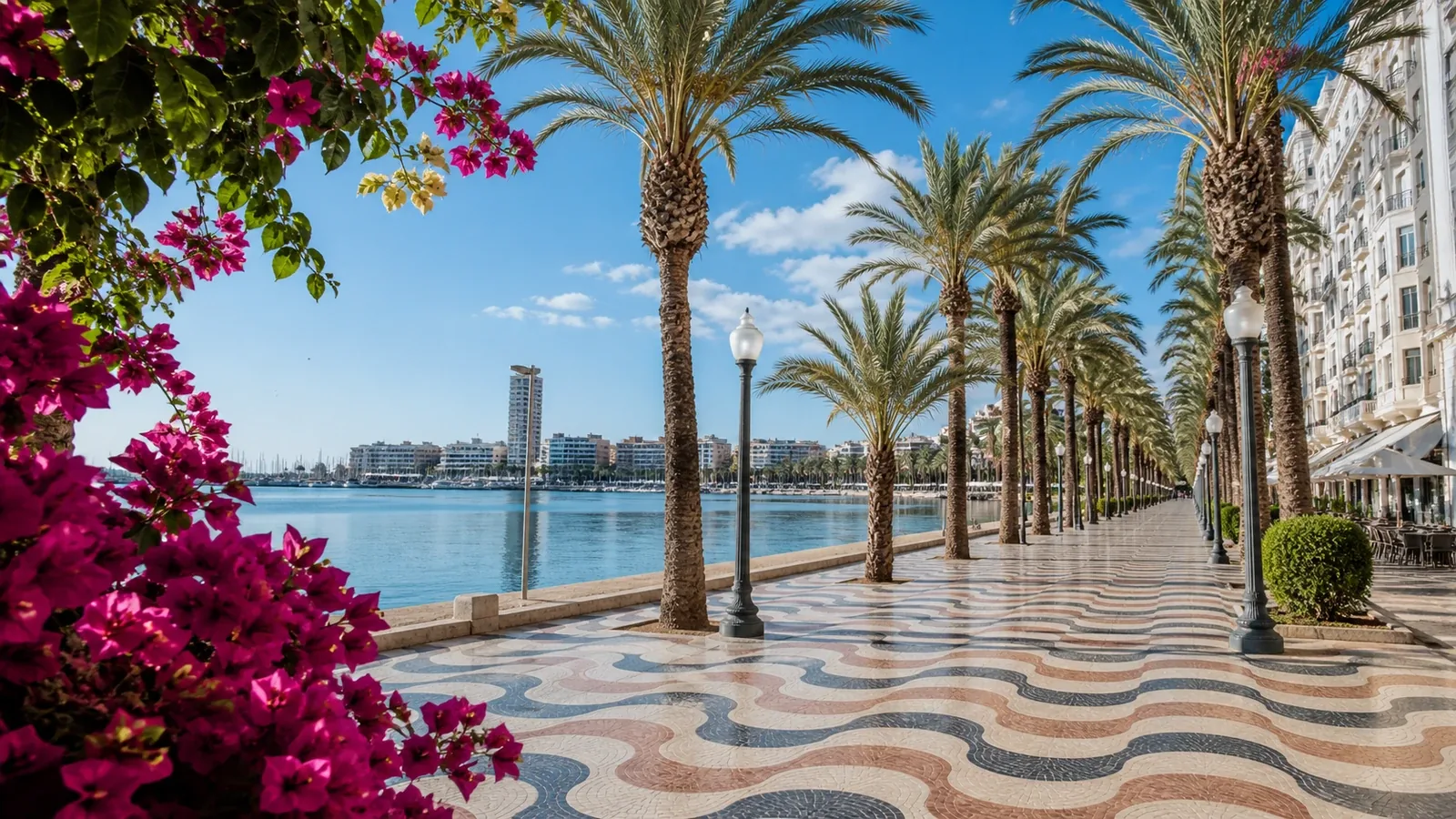
Spring allows you to experience several sides of Alicante without any one of them dominating the trip.
You can walk through the old town, stop for a drink on a terrace, head to the beach, and explore the surrounding area without having to plan the entire day around the hottest hours.
On sunny days, sunbathing by the Mediterranean can be very pleasant. The water, especially in early spring, may feel cool for those who prefer warmer temperatures.
As June approaches, the trip begins to take on a much more summery feel.
There is usually less tourist pressure than in the height of summer, although Easter, public holidays, and major events can change the atmosphere considerably.
Alicante in summer: beaches, heat, and plenty of life
July and August represent the most recognisable image of Alicante: hot sand, long evenings, packed terraces, and a Mediterranean Sea that constantly invites you in.
It is the right time for anyone mainly looking for a beach holiday and a lively summer atmosphere.
But there is a price to pay that does not appear only on your accommodation bill. The heat shapes the pace of the day.
Visiting monuments, walking for hours, or climbing up to Santa Bárbara Castle in the middle of the day can be considerably less enjoyable than in spring.
In summer, it is best to adopt a Mediterranean rhythm: make the most of the early hours, take shelter during the hottest part of the day, and head out again when the light begins to soften.
Alicante can get quite busy, especially in coastal areas and during the most popular holiday periods. That does not make summer a bad time to visit. It simply offers a different Alicante: more intense, more nocturnal, and also less peaceful.
Alicante in September and October: summer reluctant to leave
There is something particularly pleasant about the Mediterranean once August is over.
The light begins to soften, but summer still seems reluctant to let go of the coast. For travellers who want to combine beaches, food, walks, and cultural visits, September can be one of the most appealing months to visit Alicante.
October can also bring beautiful days, although the weather gradually becomes less predictable.
Alicante is known for its generally dry climate, but the Mediterranean can experience periods of heavy autumn rainfall.
That does not mean October is a poor choice. It simply means travelling with the understanding that good weather is not guaranteed every day.
Alicante in winter: a different city
Winter completely changes the character of the trip.
The beaches are no longer the main focus, and Alicante becomes more of an urban destination: walking by the sea, exploring the historic centre, sitting in the sun on a terrace, or taking in the coastline from above.
For travellers coming from colder parts of Europe, the Mediterranean light can be especially appealing.
However, Alicante in winter should not be presented as a traditional beach holiday. There can be wonderful days, but also cooler weather, wind, and evenings when you will be glad you brought a coat.
It is an interesting season for cultural breaks, food, and walks, but far less reliable for anyone who considers swimming every day essential.
When is it cheaper to travel to Alicante?
Prices depend on demand, the exact dates, events, and how far in advance you book.
As a general rule, periods outside the summer season and away from major celebrations can offer better deals on accommodation and transport.
July and August usually see high demand. Certain festivals, long weekends, and holiday periods can also make a short break considerably more expensive.
So, for travellers looking for a good balance between weather and budget, it is worth comparing spring and autumn before automatically booking in the height of summer.
When should you travel depending on the type of traveller?
If you want beaches and swimming, late spring, summer, and early autumn are the most logical choices. If you also want the full summer atmosphere, July and August make sense.
If you want to explore Alicante on foot, spring and autumn are usually more comfortable. Alicante is a city that invites you to walk, and it is best enjoyed when the heat does not constantly force you to look for shade.
If you are travelling with children, summer makes a beach-and-water-focused holiday easy, but high temperatures can make excursions and sightseeing more difficult in the middle of the day. June and September can offer a good compromise.
If you are looking for peace and quiet, avoid the busiest periods and major festivals. Winter and certain parts of spring and autumn allow you to discover a much more relaxed Alicante.
If you want to experience the festivals, June is particularly important thanks to the Hogueras de San Juan. It is worth choosing those dates deliberately rather than stumbling upon them by surprise: the noise, the crowds, and the rhythm of the city change completely.
So, which month should you choose?
If you are looking for a balance of pleasant temperatures, lively streets, the possibility of going to the beach, and comfortable sightseeing, May, June, and September are especially strong candidates.
But there is no single ideal month for everyone.
Anyone dreaming of heat, long swims, and lively nights will probably enjoy summer more. Those who want to walk, eat well, and discover Alicante without planning every day around the beach may prefer spring or autumn. And anyone who values peace and Mediterranean light more than swimming will find reasons to visit even in winter.
The real question is not when Alicante is at its best, but which Alicante you want to discover.
