

Do You Need to Rent a Car in Alicante?
To explore the city itself, generally not.
If you are staying in a central area and plan to visit the old town, stroll along the Explanada, head to the harbour, go up to the castle and enjoy the city beaches, renting a car can create more hassle than convenience.
The centre is made for walking, and parking can become an unnecessary concern. In addition, buses, taxis and the TRAM network cover plenty of journeys without the need to drive.
A car starts to make more sense when the scale of the trip changes.
When Is It Worth Having a Car?
It can be a good choice if you want to explore different parts of the province, seek out small coves, visit rural areas or combine Alicante with several towns over just a few days.
It also gives you more freedom if you are travelling as a family, carrying a lot of luggage or prefer to improvise without relying on public transport.
However, it is worth considering the full cost rather than just the rental price: fuel, parking and possible parking charges can make a car used only for getting around the city poor value for money.
Getting Around Alicante on Foot
Walking is probably the most enjoyable way to discover central Alicante.
Light-coloured façades, terraces, palm trees and the Mediterranean keep appearing along the way. In few places does it feel so natural to move from a shopping street to the seafront and, shortly afterwards, find yourself standing in front of the sand.
The relatively compact scale of the centre makes it possible to combine several places in a single day without turning the day into a succession of journeys.
There is, however, one obvious exception: the hills.
Alicante is not completely flat. Around the old town, and especially as you approach Mount Benacantil, there are slopes that can be uncomfortable in intense heat, for families with young children or for travellers with reduced mobility.
In summer, a distance that feels pleasant in the morning can also become much more demanding under the midday sun.
Alicante TRAM: One of the Best Alternatives to Driving
The TRAM is particularly useful because it is not limited to journeys within the city. Its network connects Alicante with various towns and beaches along the Costa Blanca, making it a practical option for certain day trips without having to drive.
For travellers, this is precisely its main appeal: it allows you to extend your trip beyond the city centre while remaining relatively independent of a car.
It can be especially useful if your accommodation is near a stop or if you want to combine days in Alicante with trips to other coastal towns connected by the network.
Even so, it does not completely replace a car. Some coves, natural areas, inland villages and accommodation located away from the main routes are still much easier to reach with your own vehicle.
City Buses: Practical for Medium Distances
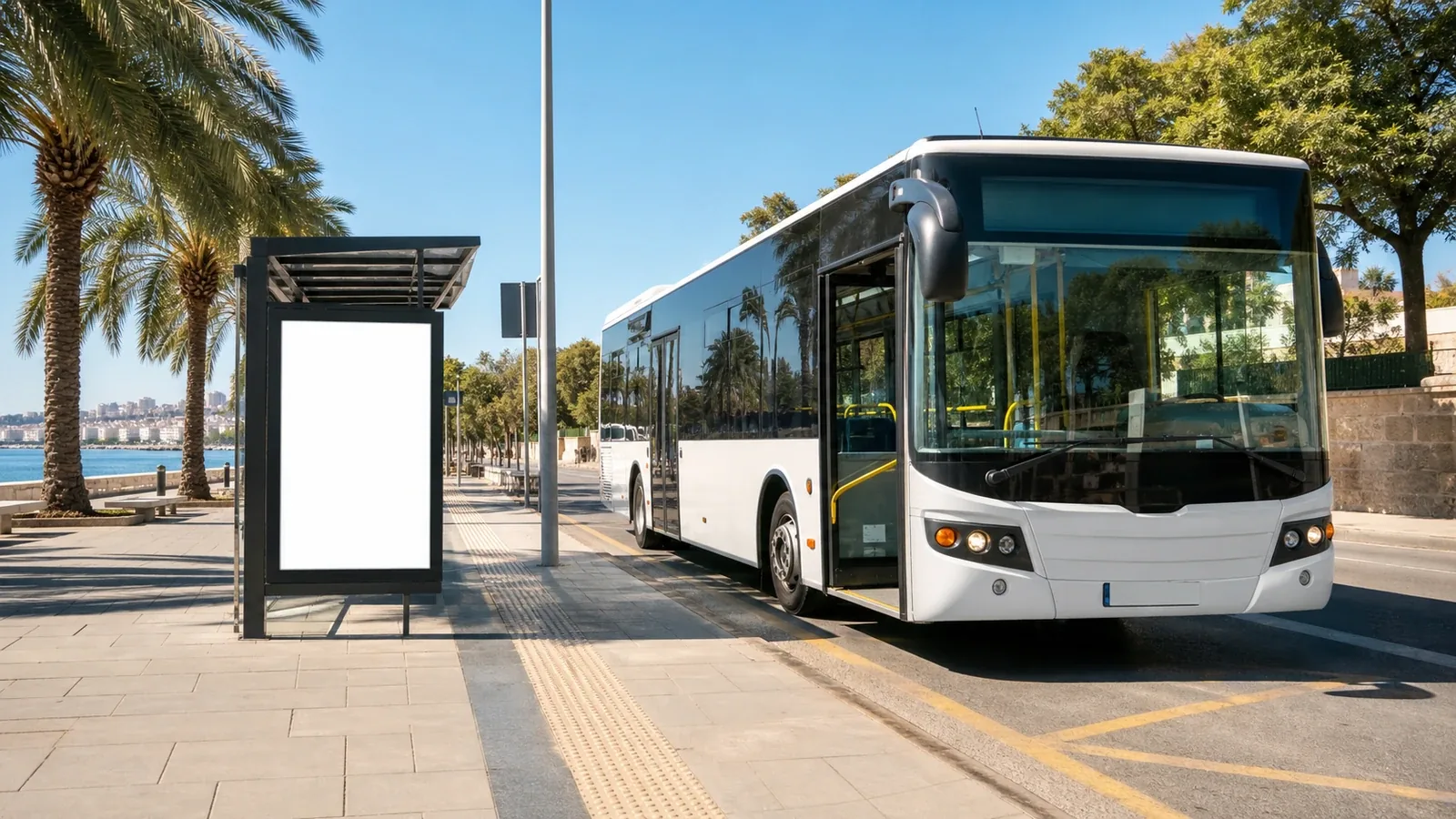
Buses complement walking well.
They are particularly useful when the heat makes longer walks unappealing, when your accommodation is outside the most central area or when you want to reach places that are less convenient by TRAM.
For a short stay focused mainly on the city, the most sensible combination is usually simple: walk whenever it is pleasant and use public transport for longer journeys.
There is no need to turn every trip into a complicated planning exercise.
Taxis and Other Transport Services
Taxis can be useful at specific times: arriving with luggage, returning late at night, travelling when the heat is intense or avoiding awkward public transport connections.
For two people they may not always be the cheapest option, but for families or small groups the extra cost compared with public transport may be offset by the convenience.
They can also solve one of the least appealing moments of many trips: that final journey of the day when walking another twenty or thirty minutes no longer sounds particularly attractive.
Getting from Alicante Airport
The airport is outside the city centre, so getting into Alicante requires some form of transport.
The best option depends mainly on where you are staying, how many people are travelling, how much luggage you have and what time you arrive. Public transport is usually the cheapest alternative, while a taxi or private transfer offers greater convenience, especially with suitcases or after a late flight.
If you are renting a car to explore the province, collecting it at or near the airport can be practical. On the other hand, renting one simply to drive to a centrally located hotel and leave it parked for several days makes considerably less sense.
How Far Apart Are Places in Alicante Really?
On the map, Alicante can look larger than it feels when walking around its main tourist areas.
The old town, harbour, Explanada and Postiguet Beach form a relatively compact area that is easy to explore on foot. This proximity makes it possible to travel at a more relaxed pace: have breakfast among the streets of the centre, walk towards the sea and end the afternoon by the harbour without having needed a vehicle.
Distances start to increase once other beaches and outlying neighbourhoods come into the picture. At that point, the TRAM and buses stop being secondary alternatives and become a natural part of the trip.
Getting Around Alicante if You Want to Go to the Beach
It depends very much on which beach you are looking for.
If you want to enjoy the sea without really leaving the city, walking may be enough from many central areas.
If you prefer beaches farther from the centre, public transport can be considerably more convenient. The TRAM is especially useful here because it allows you to reach different stretches of the coast without worrying about driving or finding somewhere to park.
A car offers greater freedom when your goal is to visit small coves or several different places in the same day.
And this is where an important distinction appears: having a car does not necessarily mean arriving faster. On busy days, especially in high season, finding somewhere to park near certain coastal areas can cancel out part of that supposed convenience.
Is Alicante a Good Base for Day Trips?
Yes, especially if you want to combine city and coast.
Alicante allows you to stay in an urban setting with restaurants, shops and nightlife while dedicating part of your trip to discovering other places in the province.
For well-connected towns, public transport may be enough. For a more ambitious route, with several stops in the same day or places away from the main transport corridors, a car provides a level of freedom that is difficult to replace.
The choice depends less on Alicante itself than on the way you like to travel.
Anyone who wants to get up without rushing, visit one place and return at sunset can probably do without a vehicle. Anyone who imagines each day as a small road trip along coastal roads, viewpoints, villages and coves will get much more use out of one.
What Is the Best Way to Get Around Alicante?
For most travellers mainly visiting the city, the most balanced formula is walking + public transport + the occasional taxi.
Renting a car from the first day is not automatically an advantage.
Part of Alicante’s appeal is precisely that you can leave your hotel and start exploring without too much planning: walking beneath the palm trees, crossing the centre, heading towards the sea and stopping whenever a terrace, a street or the light over the Mediterranean invites you to.
A car becomes much more worthwhile when the scope of the trip expands into the wider province.
So if you are spending several days in Alicante and then want to explore the Costa Blanca, a particularly sensible strategy may be to separate the two parts of the trip: experience the city first without a car and rent one only for the days dedicated to places farther away.
That way, you avoid paying for a car that remains parked while still having the freedom it provides when it is genuinely useful.
Mistakes to Avoid When Getting Around Alicante
One of the most common is renting a car out of habit without first checking whether you will actually use it. Another is underestimating the heat and planning long walks during the middle of the day in the hottest months.
It is also worth remembering that the Costa Blanca does not always mean short distances. Two places may look close on the map and still involve inconvenient public transport connections.
Above all, do not design every day around the car. Alicante rewards a simpler pace. In the centre, the best decision is often precisely to forget about transport and walk.
Because much of the city’s charm appears between one place and another: on a street that unexpectedly opens onto the blue sea, in the sound of terraces as evening falls, or in that moment when the Mediterranean reappears between the buildings and reminds you that, in Alicante, the sea is never very far away.
