 Activity on TourBookGo
Piha Beach Tour from Auckland: Waitakere Ranges and Native Rainforest
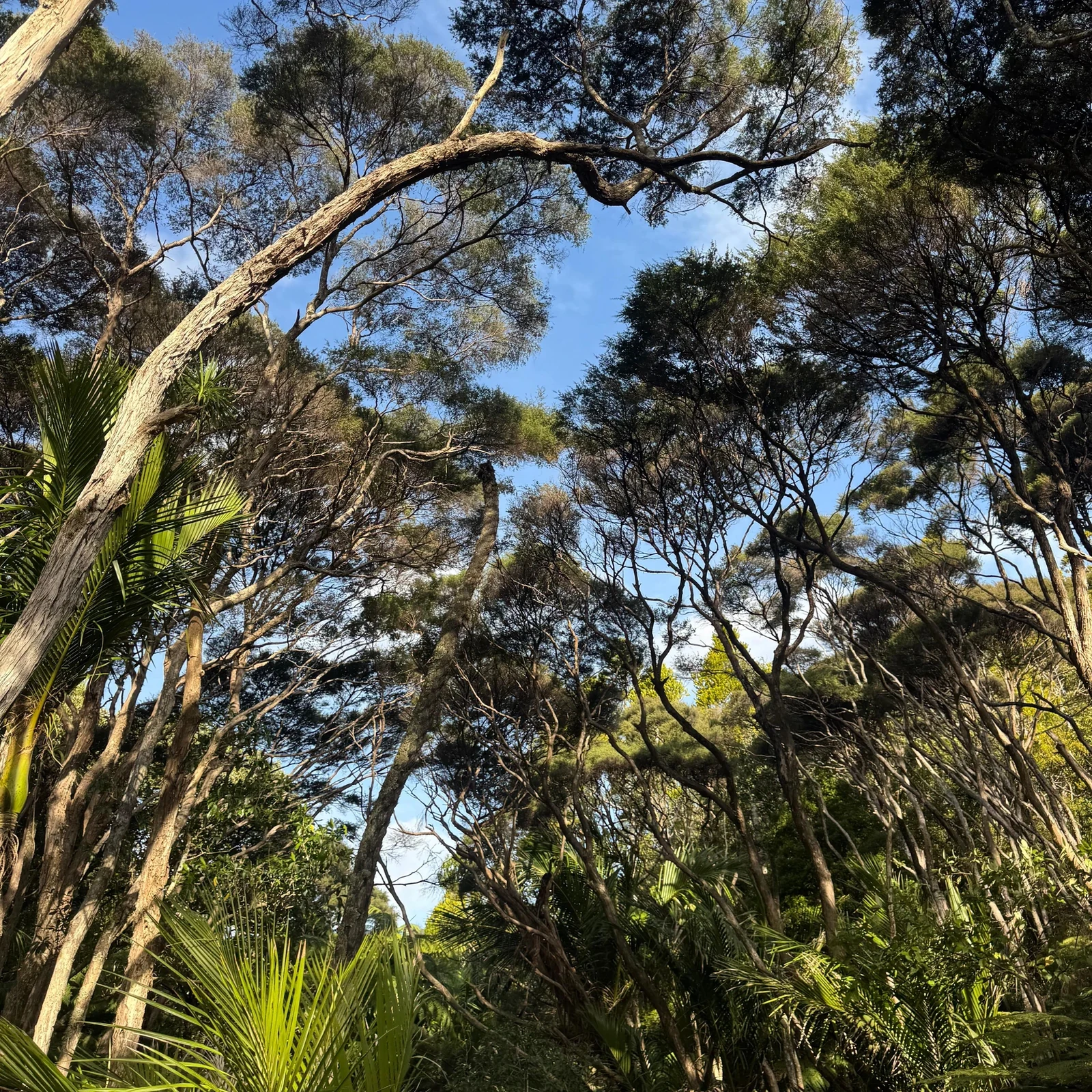
Piha Beach tour from Auckland lasting 5 hours, with the Waitakere Ranges, black-sand beach, native forest walk, local guide and small group. From €102.
The best time to visit Auckland depends on how you want to travel, but for warm weather, fewer crowds and plenty of outdoor life, late February, March and much of April offer one of the best balances.

The best time to visit Auckland depends on what you want from the trip. This is a city of water, islands, volcanoes and neighbourhoods facing the sea, so the weather can shape your experience more than you might expect. A bright, sunny day can turn a simple ferry ride across Waitematā Harbour into one of the highlights of your stay; grey skies and strong wind can make the same plan far less appealing. For a good balance of pleasant weather, fewer tourists and outdoor life, late February, March and much of April are particularly strong choices. February keeps much of the summer warmth as peak-season pressure begins to ease, March remains pleasantly warm after the school holidays, and April is cooler but especially comfortable for walking and exploring.
Compare locations and options to find a base that suits your trip. Booking.com confirms current availability and pricing.
Find accommodation on BookingAuckland has a mild maritime climate without the temperature extremes found in many other parts of the world. Summers are warm and humid, while winters are relatively mild. There is one thing worth knowing before you pack, however: rain can fall at any time of year.
Auckland’s tourism authorities generally put summer temperatures at around 20 to 25 °C. Summer runs through December, January and February, while the Southern Hemisphere winter falls in June, July and August.
That is why, even if you visit in the middle of summer, packing a lightweight waterproof jacket makes more sense than counting on blue skies throughout your stay.
Summer brings out Auckland’s most maritime side. The afternoons stretch longer, terraces look towards the harbour, and the beaches, Waiheke Island, Rangitoto and the other Gulf getaways become an even bigger part of the experience.
December begins to feel fully summery. Parks and waterfront promenades come to life, and the long days make it easy to combine the city and nature without constantly watching the clock.
The downside becomes more noticeable as Christmas and New Year approach. It is a time when booking accommodation further in advance is advisable, and popular places tend to be busier.
January is very tempting if outdoor activities are your priority. The weather is generally more favourable for sailing, island-hopping, hiking on Rangitoto or spending an afternoon by the water.
But it also falls right in the middle of New Zealand’s summer holidays. Auckland can feel more touristy in certain areas, and accommodation availability comes under greater pressure.
Is January worth it? Yes, especially for families and travellers looking for beaches, sailing and nature. But anyone who values tranquillity and a good balance between weather and crowd levels may find even better conditions just a few weeks later.
February retains much of the summer warmth, but the pace begins to ease as peak-season crowds start to thin. Auckland’s own tourism promotion describes this month as a more relaxed period after the height of summer.
For a first trip, it is one of the months I would choose first: you can still enjoy the islands and harbour with a real sense of summer, but without being quite so tied to January’s holiday rush.
Autumn is one of the best times to visit Auckland, yet it is also the season many travellers underestimate.
March still brings pleasant temperatures and, most importantly, comes after the summer school holidays. The atmosphere becomes more relaxed and everyday without the city having truly entered the colder season.
It is a difficult combination to beat: you can walk, sit by the harbour, take day trips and visit the islands, while Auckland starts to feel less like a destination at the height of the holiday season and more like a city moving at its normal pace.
For couples, independent travellers and anyone wanting to experience Auckland without too much tourist bustle, March would be my first choice.
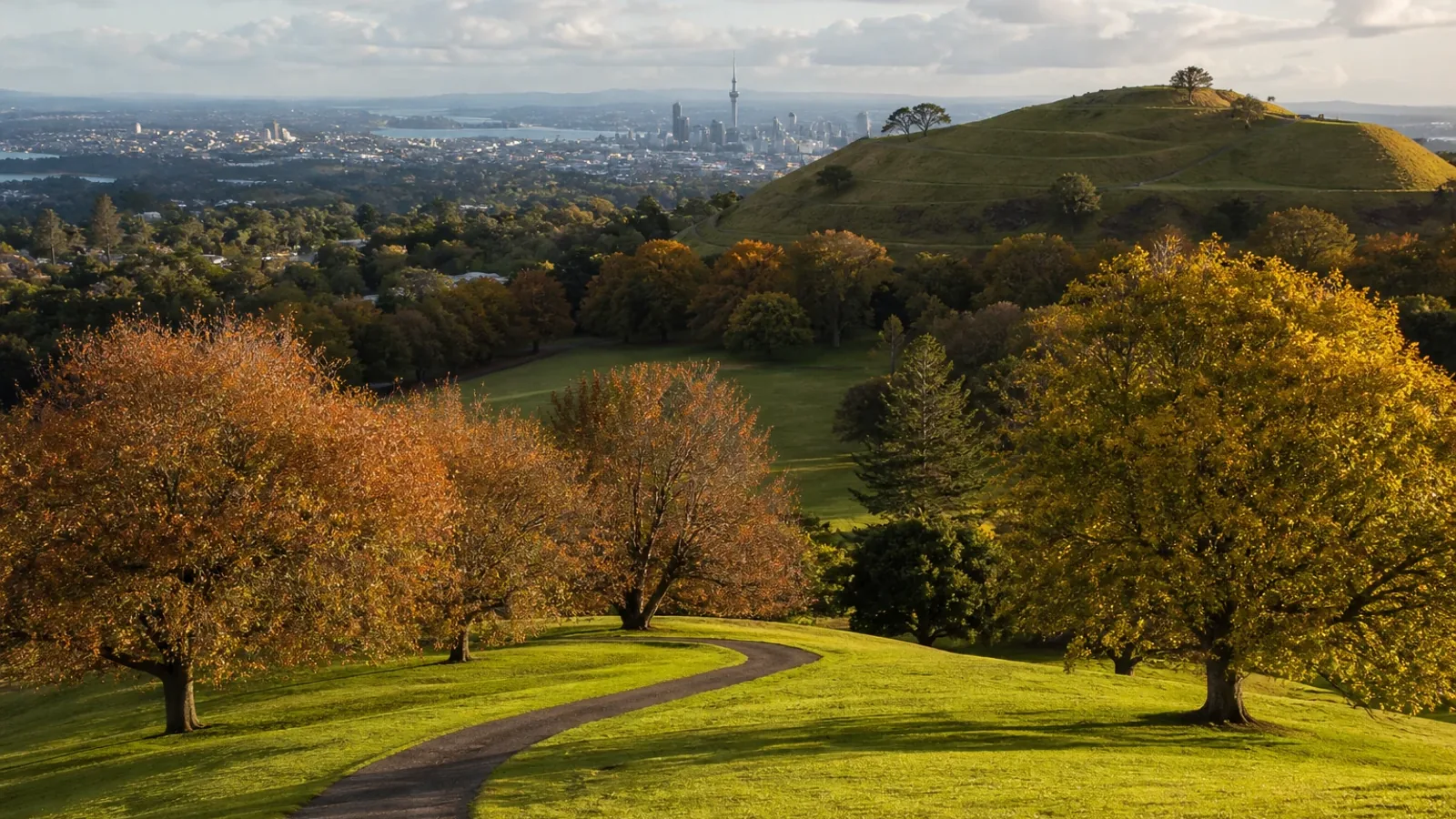
In April, the air becomes cooler. The parks begin to change colour, and activities such as walking through Cornwall Park or Auckland Domain, or climbing Maungawhau/Mount Eden, are especially enjoyable.
If swimming in the sea is not important to you, April may even feel more comfortable than summer.
By May, winter is getting closer. Auckland is still perfectly enjoyable, but it is worth planning an itinerary that mixes outdoor activities with museums, food and urban experiences.
The reward is a less crowded city. In autumn and winter, there is generally more off-season availability, and accommodation prices can be lower than during the summer peak.
Do not picture a necessarily white or extreme winter. Auckland’s winters are usually relatively mild, although the combination of humidity, rain and wind can make some days feel considerably colder than the thermometer suggests. Occasional storms are part of the season.
Winter makes sense for travellers who prioritise food, museums, neighbourhoods, shopping and city life, or who simply want to visit outside the busiest period.
It makes less sense if your dream is to experience Auckland mainly from the water. Waiheke is still there, of course, and a clear winter morning can be beautiful, but your plans will depend much more heavily on the weather.
I would travel in winter if: you want peace and quiet, you are prioritising your budget, or Auckland is part of a wider itinerary.
I would think twice if: beaches, sailing and marine excursions are at the heart of your trip.
Spring gradually brings back longer daylight hours and colour to the parks. Temperatures become milder and long days outdoors start to feel appealing again, although rain and rapid changes in the weather are still possible.
October and, especially, November can be good alternatives for travellers who want to get ahead of summer. There are more opportunities to enjoy terraces and excursions, while the city has not yet reached the holiday pace of December and January.
The drawback is unpredictability: Auckland never promises completely stable weather, and spring is even less reliable.
In general, January is part of the busiest summer period, while things begin to ease in February. Autumn and winter tend to bring fewer visitors, and Auckland’s low season can offer greater availability and lower accommodation prices than the height of summer.
That does not mean you will always find a bargain. Concerts, sporting competitions, festivals and major events can increase demand for several days regardless of the season.
If budget matters, the most sensible strategy is to look first at March to May and compare several sets of dates before deciding.
Auckland’s cultural calendar changes every year, so it is worth checking specific dates before booking. Summer brings a large number of celebrations and outdoor activities; February is often particularly lively, while March combines still-warm weather with events linked to Pacific cultures.
But travelling exclusively for a festival can be a mistake if its dates have not yet been confirmed. In Auckland, choosing a time of year that suits the way you like to travel and then checking the events calendar usually works better than doing it the other way around.
If I had to narrow the entire calendar down to a few recommendations:
Best overall balance: late February and March.
Best for beaches, islands and water-based activities: January and February.
Best for walking and a slower-paced trip: March and April.
Best for finding more accommodation availability: autumn and winter, avoiding major events.
Best pre-summer alternative: November.
Least recommended if you want to experience Auckland outdoors: June, July and August.
Auckland has enough urban life to work as a destination all year round, but its true personality emerges when you can move effortlessly between land and sea: have breakfast in the city, catch a ferry, walk across a volcanic island and return as the last light reflects across the harbour.
To experience that side of Auckland without diving straight into the busiest weeks of summer, March is hard to beat. The air is still mild, the water remains part of the experience, and the city settles back into a more natural rhythm. It is that brief interval between seasons — when summer has not quite left and autumn is only beginning to make itself felt — that, for many travellers, offers Auckland at its most balanced.
Discover Auckland through three hand-picked experiences combining city life, coastal landscapes, local culture and well-organized day trips.
Activity on TourBookGoPiha Beach tour from Auckland lasting 5 hours, with the Waitakere Ranges, black-sand beach, native forest walk, local guide and small group. From €102.
 Activity on TourBookGo
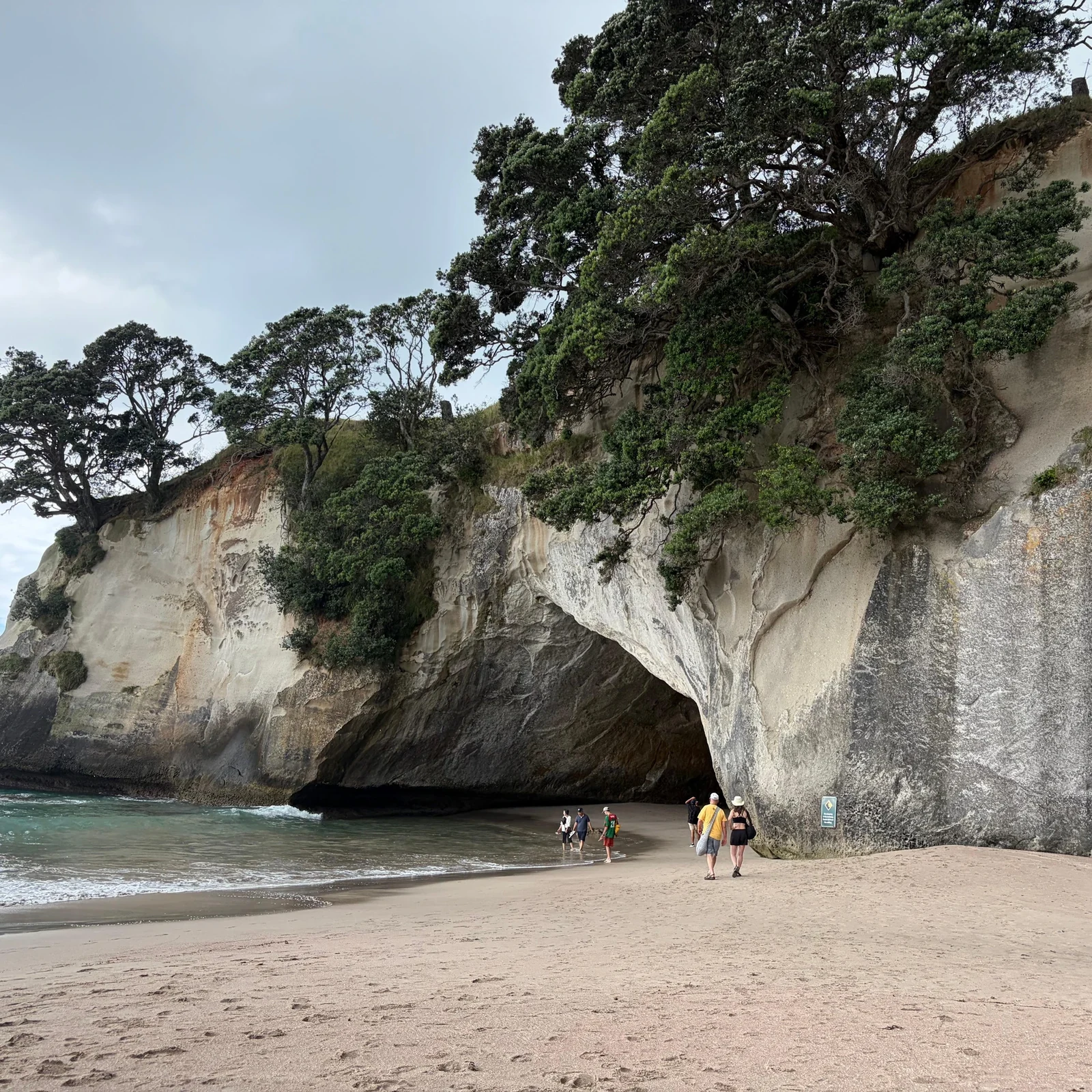
Explore Cathedral Cove, Hot Water Beach and Hahei on an approximately 12-hour small-group day trip from Auckland with an English-speaking guide, transfers and picnic lunch.
 Activity on TourBookGo
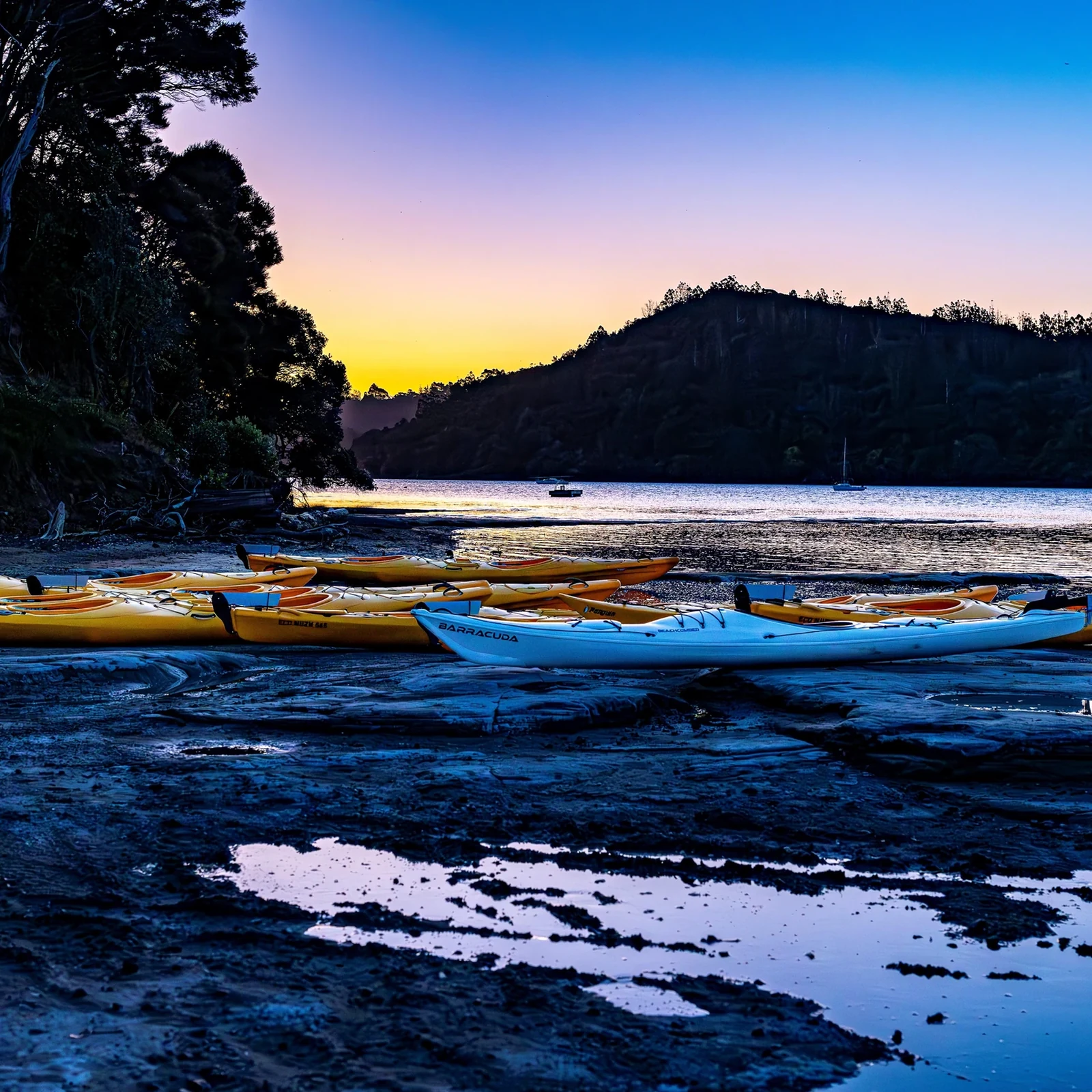
Kayak Auckland’s coast after dark and watch bioluminescent plankton glow. Guided 1.5-2 hour tour from €48, equipment included, rated 4.9/5.