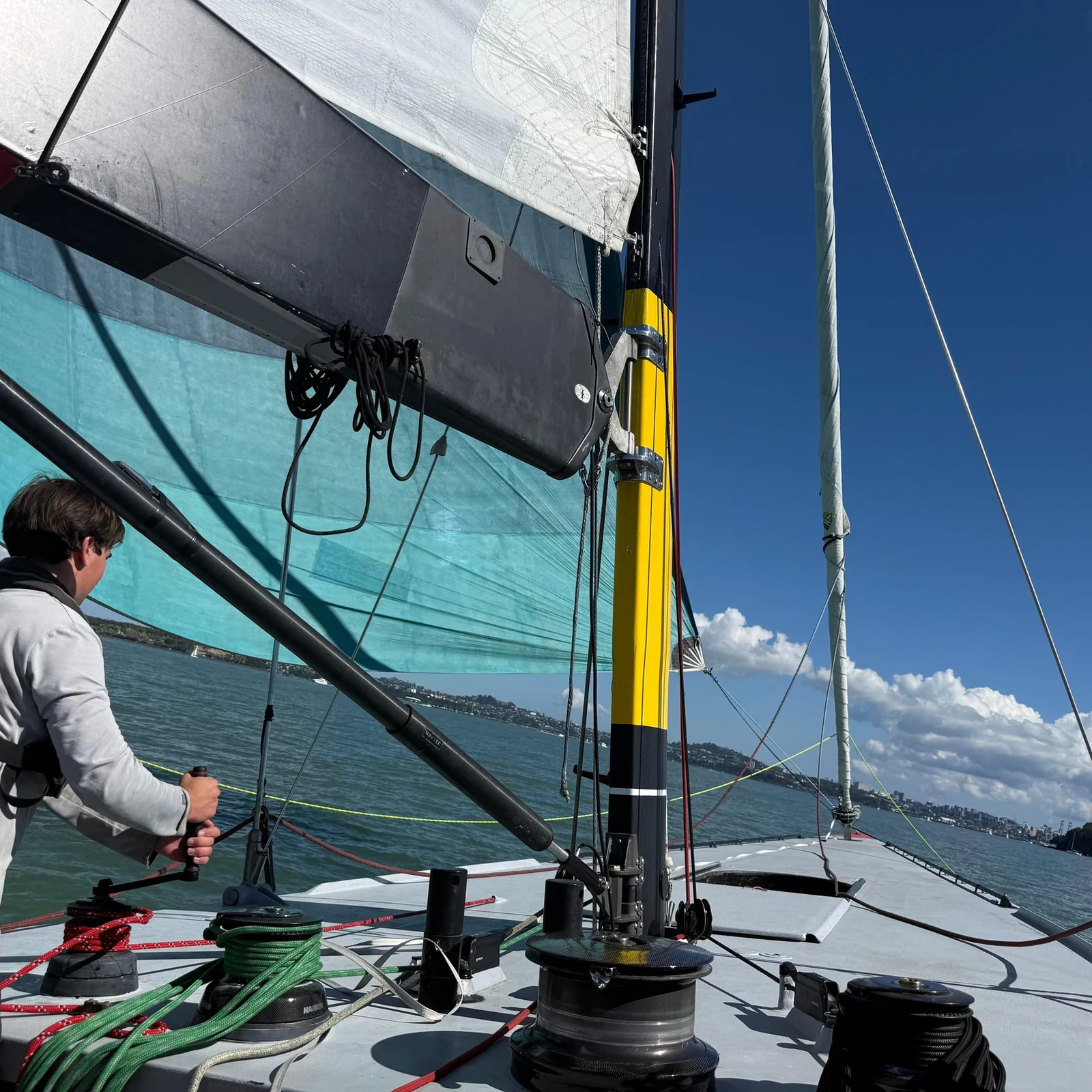
 Activity on TourBookGo
Auckland: 2-Hour America’s Cup Yacht Sailing Experience
Sail Auckland’s Waitematā Harbour for 2 hours aboard a genuine America’s Cup yacht. Join the crew or enjoy the ride from €107 per person.
Auckland is worth visiting when you experience the city together with its coast, volcanoes, beaches and islands rather than judging it by the city centre alone.
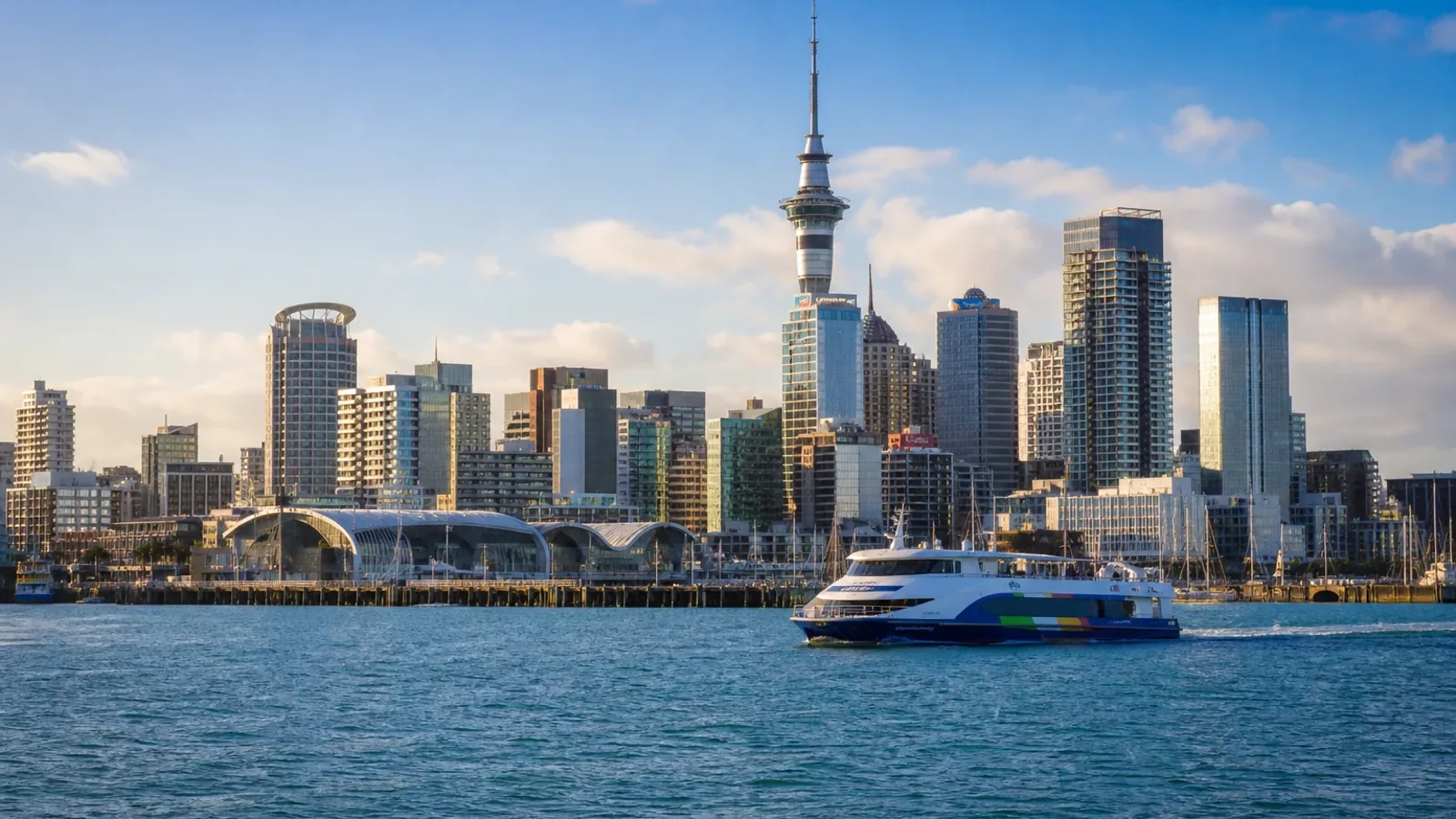
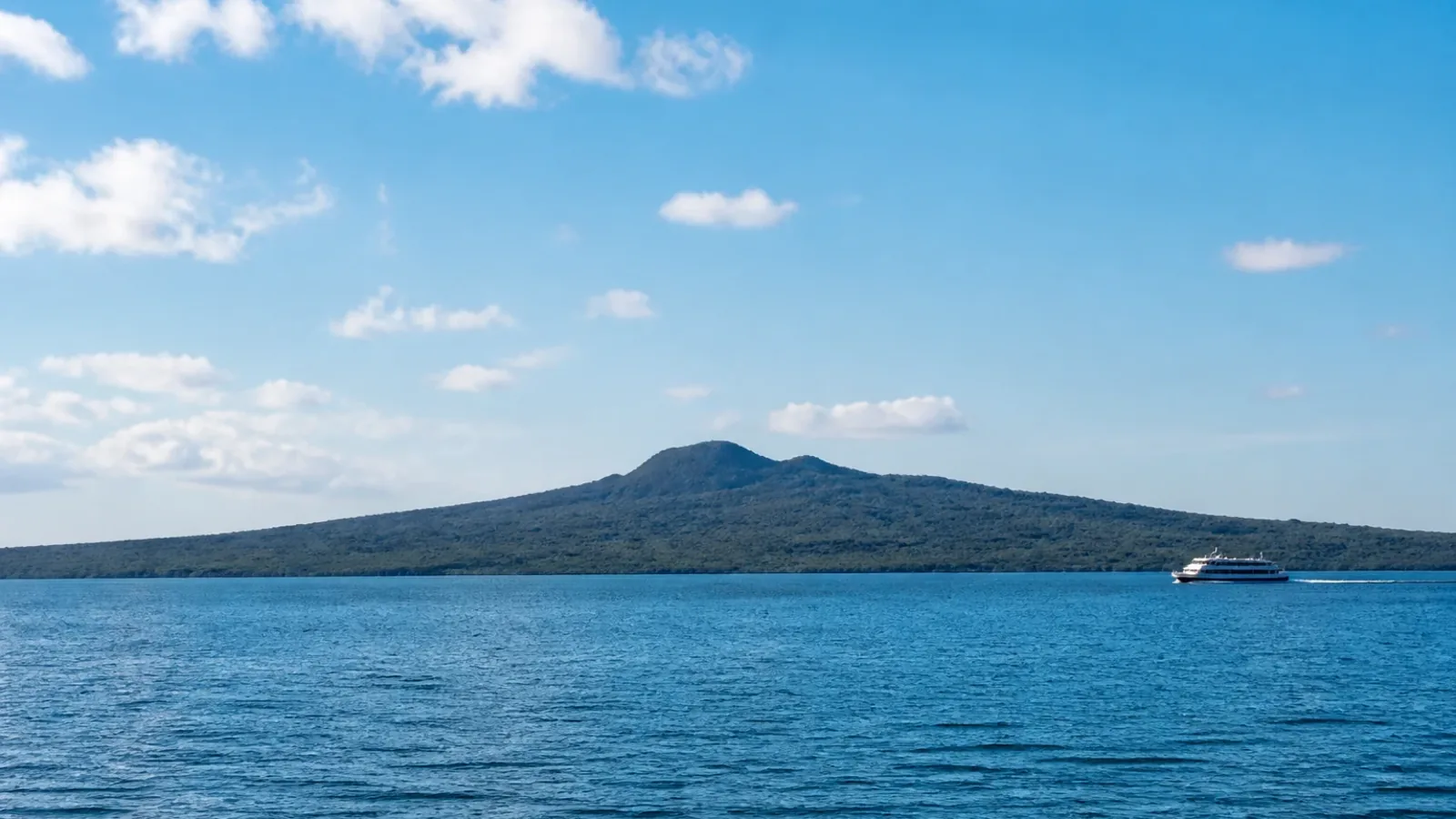
Yes, Auckland is worth visiting, but it helps to understand what kind of destination it is before you arrive. Anyone expecting the city centre to deliver the same immediate spectacle as New Zealand’s fjords, the Southern Alps or its dramatic volcanic landscapes may be slightly disappointed. Auckland works differently. Its appeal emerges when you stop seeing it simply as a large city and start noticing an urban landscape built among bays, volcanoes, beaches and islands. Water keeps appearing between the buildings. Rangitoto draws its dark silhouette across the Waitematā Harbour, ferries head into the gulf and the waterfront terraces begin to fill. Not far from the centre, you can walk by the sea, climb volcanic hills or take day trips to Waiheke and Rangitoto. If you are wondering what to do in Auckland in two or three days, this blend of urban life and nature is exactly what makes the city worthwhile.
Compare locations and options to find a base that suits your trip. Booking.com confirms current availability and pricing.
Find accommodation on BookingAuckland is New Zealand’s largest city, but its identity goes far beyond its skyscrapers. The Hauraki Gulf, its many islands, beaches and volcanic landscapes are woven into the urban experience in a way that feels unusual for a major metropolis.
In the morning, you can stroll along the waterfront and have coffee among contemporary buildings; a few hours later, you could be walking through the volcanic landscape of Rangitoto or looking out to sea from a beach.
That contrast between city life and nature is far more memorable than a simple checklist of landmarks.
There are also areas where Auckland feels more distinctive than parts of the financial district: the Viaduct and Wynyard Quarter by the harbour, neighbourhoods with more local character, and coastal walks towards Mission Bay. The waterfront combines restaurants, promenades and ferry connections to the islands of the gulf.
To see Auckland at its best, spend as much time as possible outside and close to the water.
It is worth being clear about this: Auckland’s city centre alone is not a reason to travel all the way to New Zealand.
There are functional areas, traffic, buildings with limited charm and an urban scale that can feel sprawling. If you arrive after travelling through Queenstown, Wanaka, Milford Sound or some of the country’s great scenic roads, returning to a metropolis can feel like a noticeable drop in intensity.
Auckland is not especially easy on travellers trying to keep spending to an absolute minimum either. Accommodation, restaurants, ferries and activities can add up quickly, particularly if you want to combine the city with several excursions. Parks, walks, beaches and viewpoints, however, make it possible to enjoy plenty without constantly paying for attractions.
There is another common mistake: spending a single night near the airport and deciding that Auckland has very little to offer.
Much of what makes the city interesting is simply spread across a much wider region than the CBD.
Auckland works particularly well for travellers who enjoy combining food, urban neighbourhoods, the sea and manageable doses of nature without constantly changing accommodation.
It is also a comfortable introduction to New Zealand after a long flight, giving you time to recover while beginning to experience the country’s landscapes, culture and close relationship with the ocean.
Island lovers have two obvious options. Rangitoto offers the chance to explore a volcanic landscape very close to the city, while Waiheke brings beaches, food, vineyards and a much more relaxed atmosphere. Both are among the best-known day trips from Auckland.
On the other hand, travellers with very limited time in New Zealand whose main priority is dramatic natural scenery should think carefully about how long they spend in the city. Auckland is interesting, but the country has places that make a much stronger first impression.
For a first visit, two or three full days in Auckland usually feels about right.
One day is enough to explore the city centre, waterfront and one of the main viewpoints or neighbourhoods. With a second day, you can add a trip to Waiheke or Rangitoto. A third gives you time to venture farther from the urban core or simply experience the city at a more relaxed pace.
With four or five days, Auckland becomes a useful base for discovering different landscapes around the region: islands in the Hauraki Gulf, coastal areas and excursions beyond the centre. Official tourism itineraries also combine city experiences, islands, coastline and regional escapes over several days.
If you only have one week for the whole of New Zealand, however, it will usually make sense to spend less time in Auckland and more on the journey that follows.
Not necessarily.
Many of the best things to do in Auckland are free and easy to enjoy on foot: looking across the harbour, walking through parks, heading to the coast or climbing to elevated viewpoints. There is even a Coast to Coast Walkway crossing the isthmus and linking urban areas, parks and several of the city’s volcanic landscapes.
Costs rise once you start adding ferries, organised tours, activities, dinners and centrally located accommodation.
Overall, Auckland is best described as a mid-range to upper-mid-range destination, but it is flexible. Mixing paid experiences with walks, beaches, parks and public spaces can keep the overall cost under control.
The Southern Hemisphere summer, from December to February, is particularly well suited to beaches, outdoor activities and days by the water. Auckland’s official tourism information generally places daytime summer temperatures at around 20–25°C, although New Zealand weather can change quickly, so carrying a light extra layer and rain protection is sensible.
Summer is not the only good time to visit Auckland.
Autumn can be very pleasant for walking and exploring parks in milder temperatures, and the local tourism board also highlights it as a particularly good season for discovering the city on foot.
Weather can significantly shape your impression of Auckland. In sunshine, blue water, outdoor terraces and Rangitoto on the horizon transform the city. After several grey days, some of that maritime atmosphere inevitably fades.
The biggest mistake would be to treat Auckland purely as a city of buildings.
If you spend a few hours walking around the CBD, do some shopping and return to your hotel, it is easy to leave thinking Auckland is skippable.
Try to include at least one experience connected to the landscape: climb a volcanic summit, walk along the coast, cross the harbour or spend a few hours on an island.
Even if you visit Auckland without a car, there is plenty to do in and around the centre, and several of the best island trips are easily reached by ferry.
That is usually when the Auckland worth remembering begins to reveal itself.
Yes, Auckland is worth visiting, especially for two or three days and if you experience it as a city that opens onto the sea.
I would not travel all the way to New Zealand solely for Auckland, nor would I sacrifice some of the country’s great landscapes to spend an entire week in its city centre.
But cutting Auckland completely from an itinerary would mean missing a different side of New Zealand.
The city offers something its most famous landscapes cannot: the meeting point between everyday life in a major Pacific city and a geography that keeps breaking through everywhere. Ocean behind the buildings. Sails across the harbour. A beach after the traffic. A dark volcano on the horizon.
It is worth visiting for anyone willing to give it enough time to look beyond the skyscrapers.
Discover Auckland through three hand-picked experiences combining city life, coastal landscapes, local culture and well-organized day trips.
Activity on TourBookGoSail Auckland’s Waitematā Harbour for 2 hours aboard a genuine America’s Cup yacht. Join the crew or enjoy the ride from €107 per person.
 Activity on TourBookGo
Discover Maungawhau/Mount Eden on a 2-hour guided walk combining volcanic history, Māori heritage and panoramic Auckland sunset views.
 Activity on TourBookGo
Visit Waiheke Island from Auckland with a return ferry and 16-stop Explorer Bus Hop-On Hop-Off pass. From €50 with free cancellation up to 24 hours ahead.