 Activity on TourBookGo
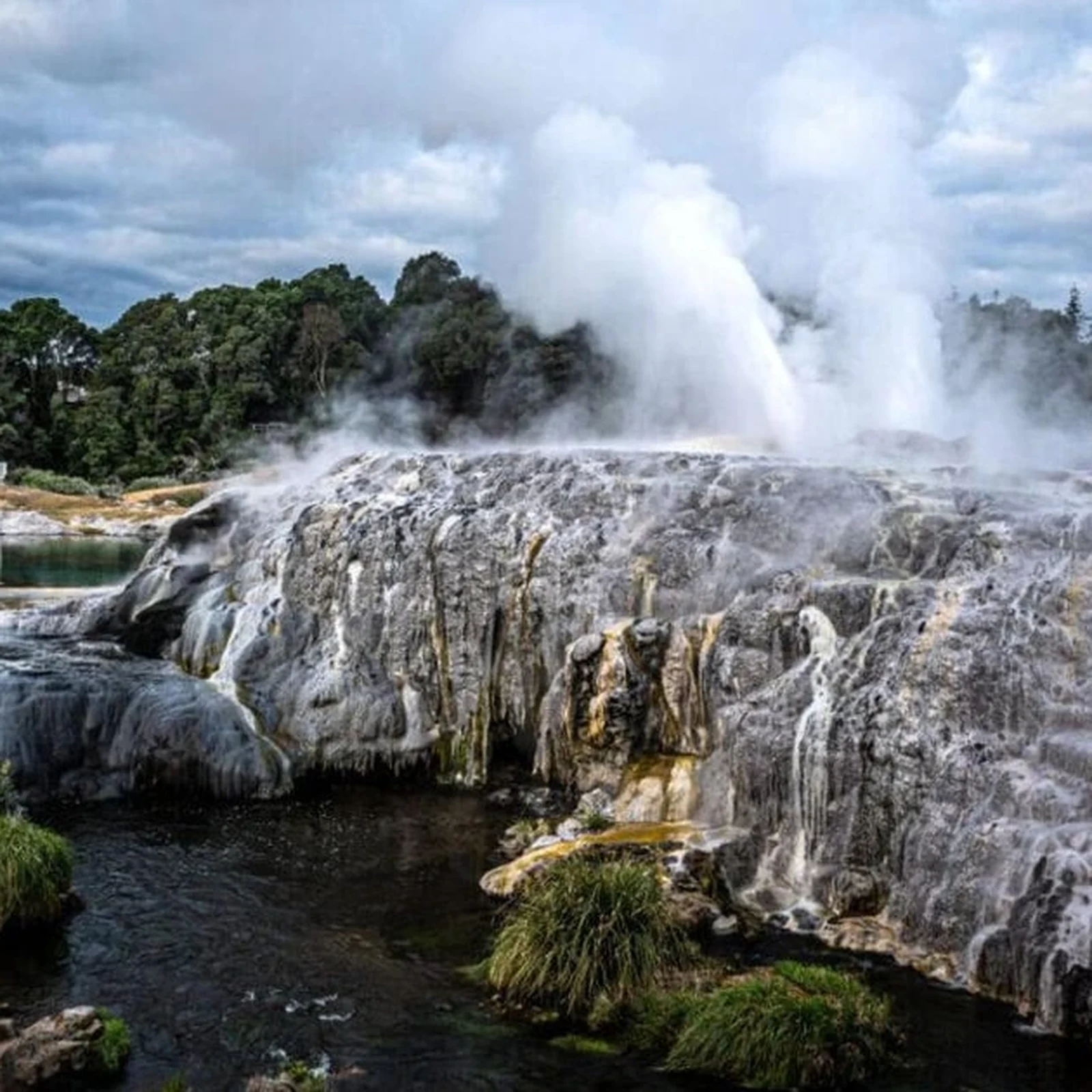
Rotorua Tour from Auckland with Te Puia and Haka
Rotorua tour from Auckland with Te Puia and haka, Pōhutu Geyser, Māori culture and Whakarewarewa in around 12 hours, with transport and an English-speaking guide.
Knowing the mistakes to avoid in Auckland helps you enjoy this sprawling, maritime city at a better pace, from ferries and volcanic peaks to neighbourhoods beyond the centre.
If you are looking for the main mistakes to avoid in Auckland, start by understanding how the city actually works. Auckland can be confusing for travellers who arrive expecting to find, the moment they step off the plane, the New Zealand of turquoise lakes, snow-capped mountains and empty roads. Here, the landscape blends with residential neighbourhoods, dormant volcanoes, harbours, ferries and an urban area that stretches much farther than it appears on the map. That is precisely why many mistakes people make when travelling to Auckland have less to do with choosing the wrong attraction and more to do with misunderstanding its distances, its relationship with the sea, its changeable weather and the rhythm of its neighbourhoods. With a little planning and curiosity, Auckland becomes far more rewarding beyond the city centre.
Compare locations and options to find a base that suits your trip. Booking.com confirms current availability and pricing.
Find accommodation on BookingThis is probably the most common mistake for first-time visitors.
The CBD is home to the Sky Tower, Queen Street, Britomart and part of the waterfront, but staying only here gives you an incomplete picture. Auckland is not a city of grand monuments in the European sense. Much of its character emerges as you move between neighbourhoods, coastlines, viewpoints and ancient volcanic cones.
Ponsonby, Devonport, Mount Eden, the area around Mission Bay and the landscapes that unfold as you cross Waitematā Harbour reveal a quieter, more open and less vertical side of the city.
The centre is convenient for accommodation and getting your bearings, but it should not become your entire trip.
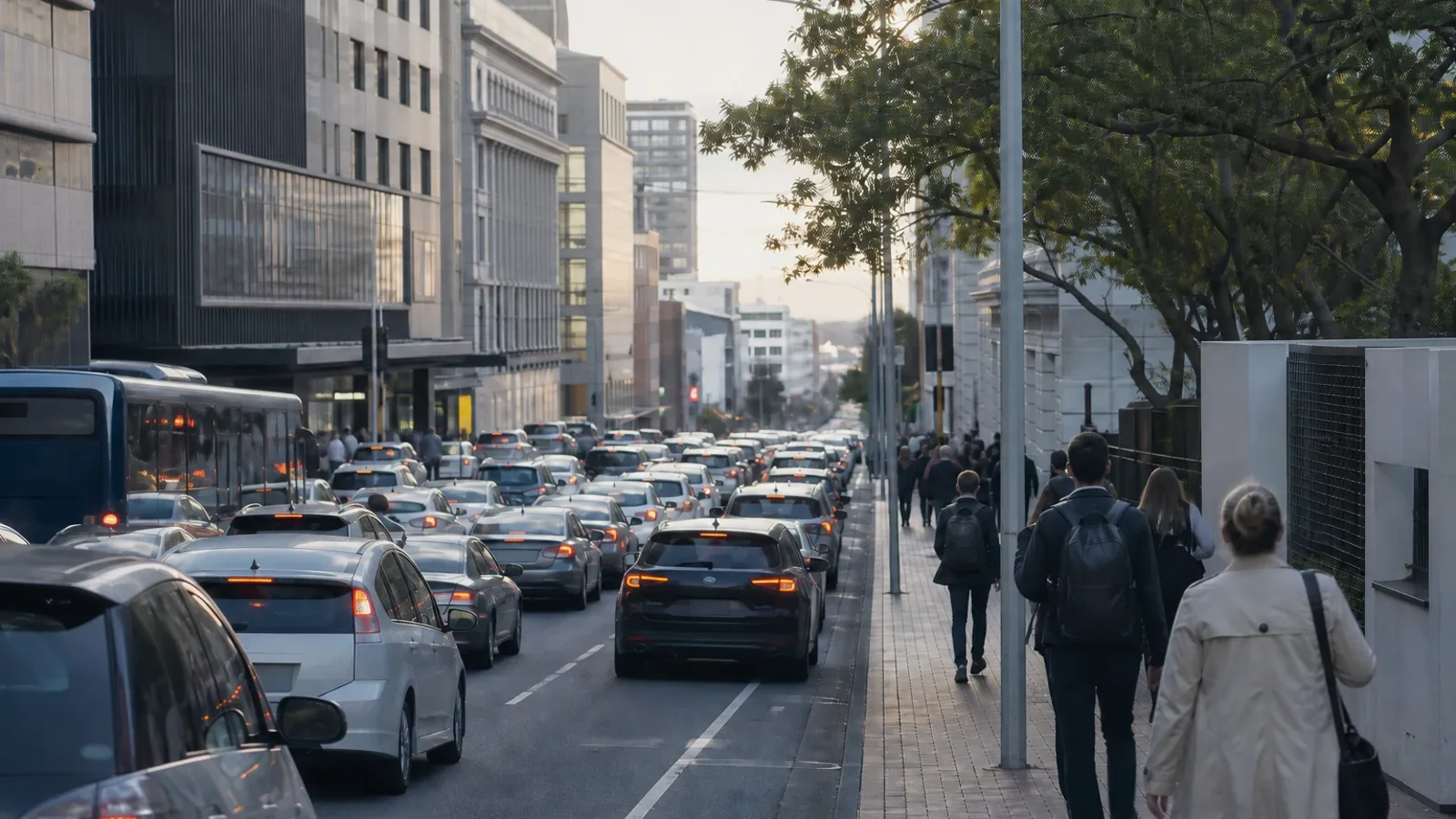
On a map, many places look close together. In practice, Auckland is sprawling.
It is best not to plan days that involve constantly jumping from one side of the city to the other. Traffic, transfers and the geography itself can consume a considerable part of your day.
A better approach is to organise each day by area: the city centre and waterfront together, western neighbourhoods separately, and the coast or maritime excursions on different days.
Trying to squeeze in too many sights usually makes the experience far less enjoyable: more time in transit and less time actually enjoying the places you came to see.
In New Zealand, a car is often an excellent tool, but that does not mean you need one from the moment you arrive in Auckland.
If you are spending a few days mainly in the city, having a vehicle can mean parking hassles, traffic and expenses that may not be worthwhile. Walking, using public transport and combining it with ferries can work well for many urban visits.
A car makes much more sense when Auckland is the starting point for a wider road trip around the North Island.
The smartest strategy is usually to ask yourself when the part of your trip that genuinely requires a car begins, rather than renting one out of habit as soon as you land.
Auckland has something of a reputation problem: many travellers see it simply as a gateway.
If your trip is short, spending too many days here may not necessarily be the best decision either. New Zealand offers extraordinary landscapes, and there is no point pretending otherwise. But leaving Auckland only a few hours after landing does not give you a chance to understand it.
Give it some time and its strongest qualities begin to emerge: views from the maunga, seaside neighbourhoods, cafés, markets, beaches and the constant feeling that the ocean is never very far away.
Auckland works best when you visit it without expecting it to be Queenstown, Rotorua or Tongariro National Park.
Auckland’s identity is deeply connected to the sea. Forgetting that means missing one of its most interesting dimensions.
Ferries are not merely a means of transport. They also give you the chance to watch the city skyline recede as islands, peninsulas and stretches of open water come into view.
Devonport offers an easy escape from the atmosphere of the city centre, while Waiheke Island can easily justify a full day if it suits the pace of your trip.
The mistake is planning your Auckland experience entirely from dry land.
Auckland is surrounded by places capable of filling an entire day. That is where the temptation begins.
An island today, a beach tomorrow, a long excursion the following day, then another trip inland.
The result can be rather ironic: travelling to Auckland and barely seeing Auckland itself.
If you only have a few days, it is better to choose carefully. One excellent day trip enjoyed without rushing is usually more rewarding than three outings packed back-to-back.
Some excursions also depend heavily on the weather, traffic or transport connections. Building an overly rigid itinerary leaves little room to adapt when conditions change.
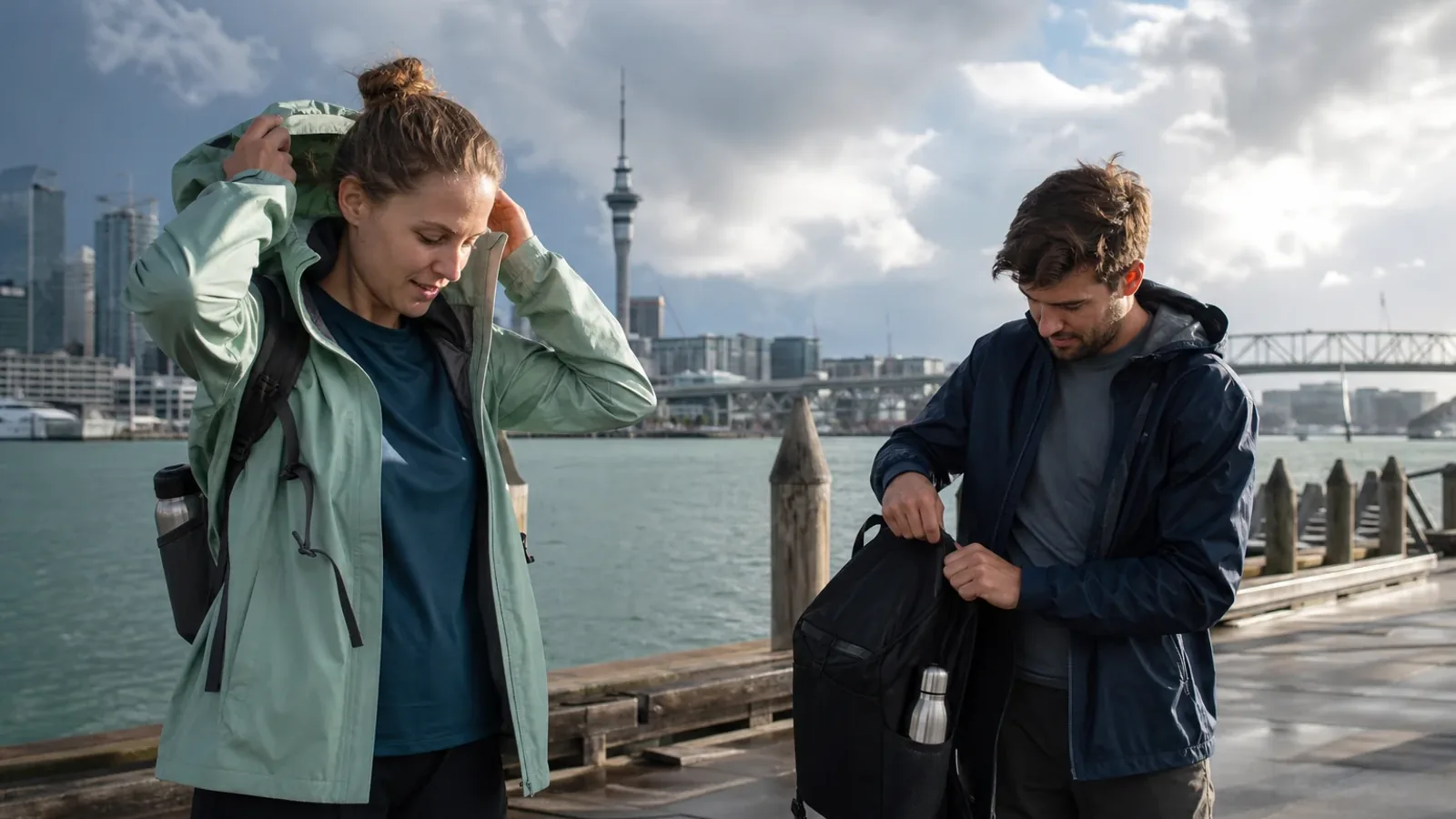
Auckland weather can change quickly and dramatically alter the appearance of the city.
A grey morning may clear a few hours later; an apparently settled day can suddenly bring wind or rain. Dressing in layers and carrying some lightweight rain protection is far more practical than packing for a single temperature.
It is also worth remembering that much of Auckland’s appeal lies outdoors.
Viewpoints, coastlines and maritime excursions can feel very different depending on the conditions. Leaving some flexibility to move activities between days can significantly improve your trip.
Another mistake is budgeting as though Auckland were an inexpensive stopover.
Accommodation, restaurants, cafés, parking and certain excursions can quickly push up your daily spending.
That does not mean you have to travel in luxury. It simply makes sense to choose where to spend your money. A simple breakfast, the occasional picnic or free activities can help balance the budget and leave more money for the experiences that genuinely make a difference.
Coastal walks, neighbourhoods and many viewpoints prove that Auckland does not have to be expensive every hour of the day.
Auckland does not always impress through individual landmarks.
Its appeal is more atmospheric: boats entering the harbour, wooden houses among trees, busy cafés in the middle of the morning, hills from which the city seems to dissolve into water and land.
If you visit Auckland simply by ticking off famous places, it may feel less spectacular than you expected.
Leaving some time unplanned allows you to discover exactly what the city does best: blending everyday life with the landscape.
Auckland’s maunga are magnificent places from which to understand the geography of the city, but they are more than panoramic platforms.
Many hold deep cultural significance for Māori communities. Pay attention to signs, respect designated paths and protected areas, and avoid behaviour that reduces these places to mere backdrops for photographs.
The landscape becomes more meaningful when you also understand that it has a history.
How to Engage Respectfully
This is one of the most important mistakes to avoid in Auckland and anywhere in New Zealand.
Māori names appear constantly throughout Auckland: in neighbourhoods, mountains, institutions and public spaces. Making an effort to pronounce them respectfully is far better than turning them into a joke simply because they are unfamiliar.
You do not need to master te reo Māori. It is enough to listen, observe and approach the culture with curiosity without pretending to know more than you do.
It is also wise to avoid intrusive photography in cultural settings, follow the rules at places of special significance and never assume that Māori culture belongs only to the past.
When interacting with local people more generally, a simple and polite manner usually works better than excessive formality. Saying hello, thanking people, respecting personal space and asking when you do not understand something is usually enough.
Travelling well also means not treating the people who live there as part of the scenery.
“Sydney has a more spectacular harbour.”
“Melbourne has more atmosphere.”
“The South Island has better scenery.”
Some comparisons may be fair, but using them as your only measure eventually obscures what makes Auckland different.
Auckland does not need to win an imaginary competition. Its personality comes from an unusual combination of city, sea, islands and volcanic terrain.
Anyone looking for a monumental capital may come away somewhat underwhelmed. Those who enjoy exploring neighbourhoods, viewpoints, coastlines and a relaxed urban lifestyle are more likely to understand its appeal.
For many European visitors, reaching New Zealand means travelling halfway around the world.
Scheduling an ambitious day immediately after landing may look efficient on paper and feel decidedly unpleasant in reality.
The first day works better with modest goals: walk along the harbour, have a good meal, get a feel for the neighbourhood and let your body begin to adjust.
Auckland can be an excellent city in which to ease into your journey.
Probably expecting Auckland to reveal all its appeal immediately.
It is not a city that always dazzles at first sight. There is traffic, there are functional residential areas, grey days and parts of the city centre that may feel less memorable than you imagined.
But once you begin looking towards the water, climbing its heights, crossing the harbour and exploring its neighbourhoods, your perception starts to change.
Auckland deserves less rushing and more curiosity.
It does not have to become the main attraction of a trip around New Zealand. But neither should it be treated as a mere waiting room before the adventure begins.
Because, in a way, the adventure has already started there.
Discover Auckland through three hand-picked experiences combining city life, coastal landscapes, local culture and well-organized day trips.
Activity on TourBookGoRotorua tour from Auckland with Te Puia and haka, Pōhutu Geyser, Māori culture and Whakarewarewa in around 12 hours, with transport and an English-speaking guide.
 Activity on TourBookGo
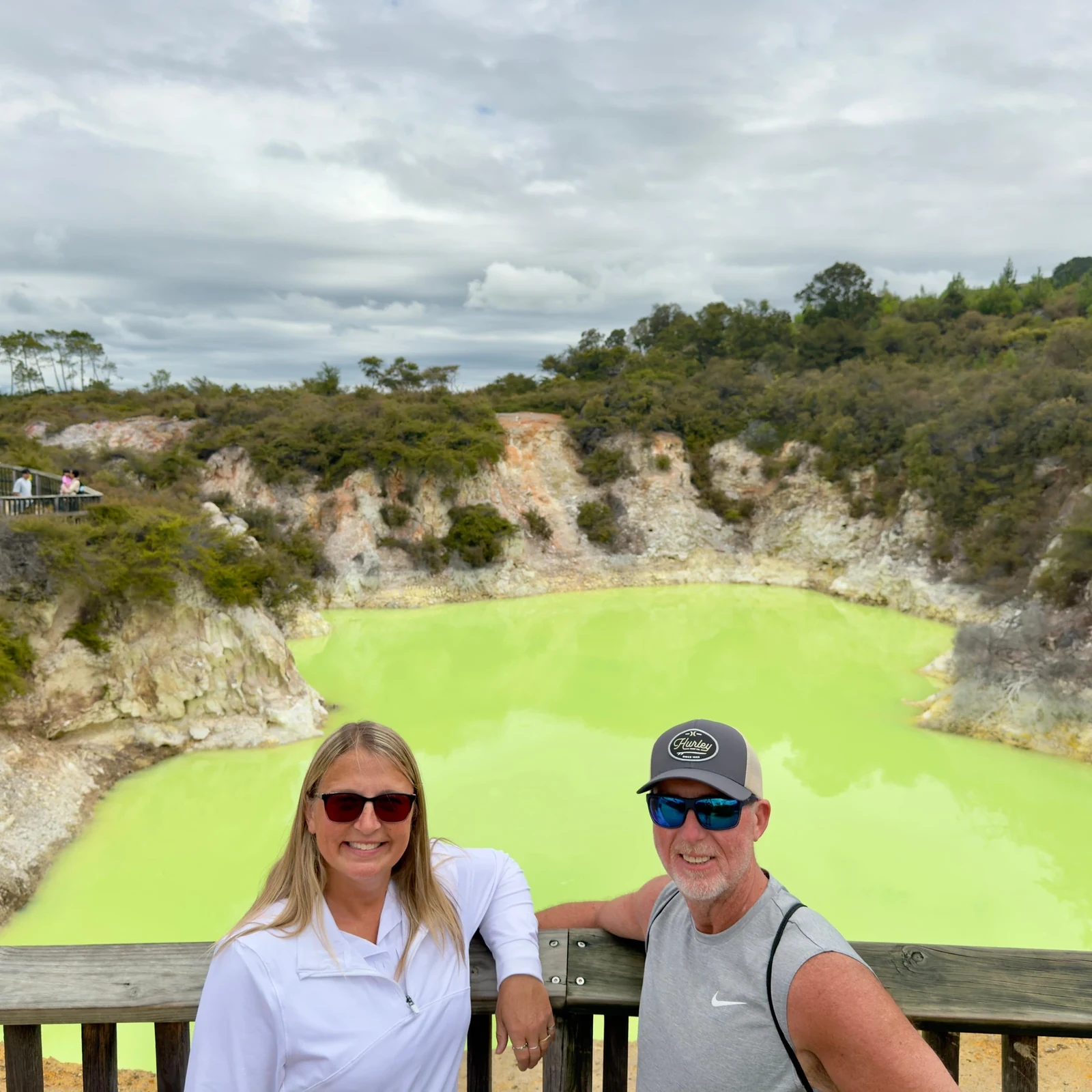
Explore Hobbiton, Rotorua and Wai-O-Tapu from Auckland on a 9-13 hour small-group tour with transport, admission and an English-speaking guide. From €184 per person.
 Activity on TourBookGo
Waiheke winery tour from Auckland with 6 hours, 4+ wineries, tastings, island transport and a small group of up to 10 people.