 Activity on TourBookGo
Auckland to Rotorua Day Trip with Māori Village and Activity Choice
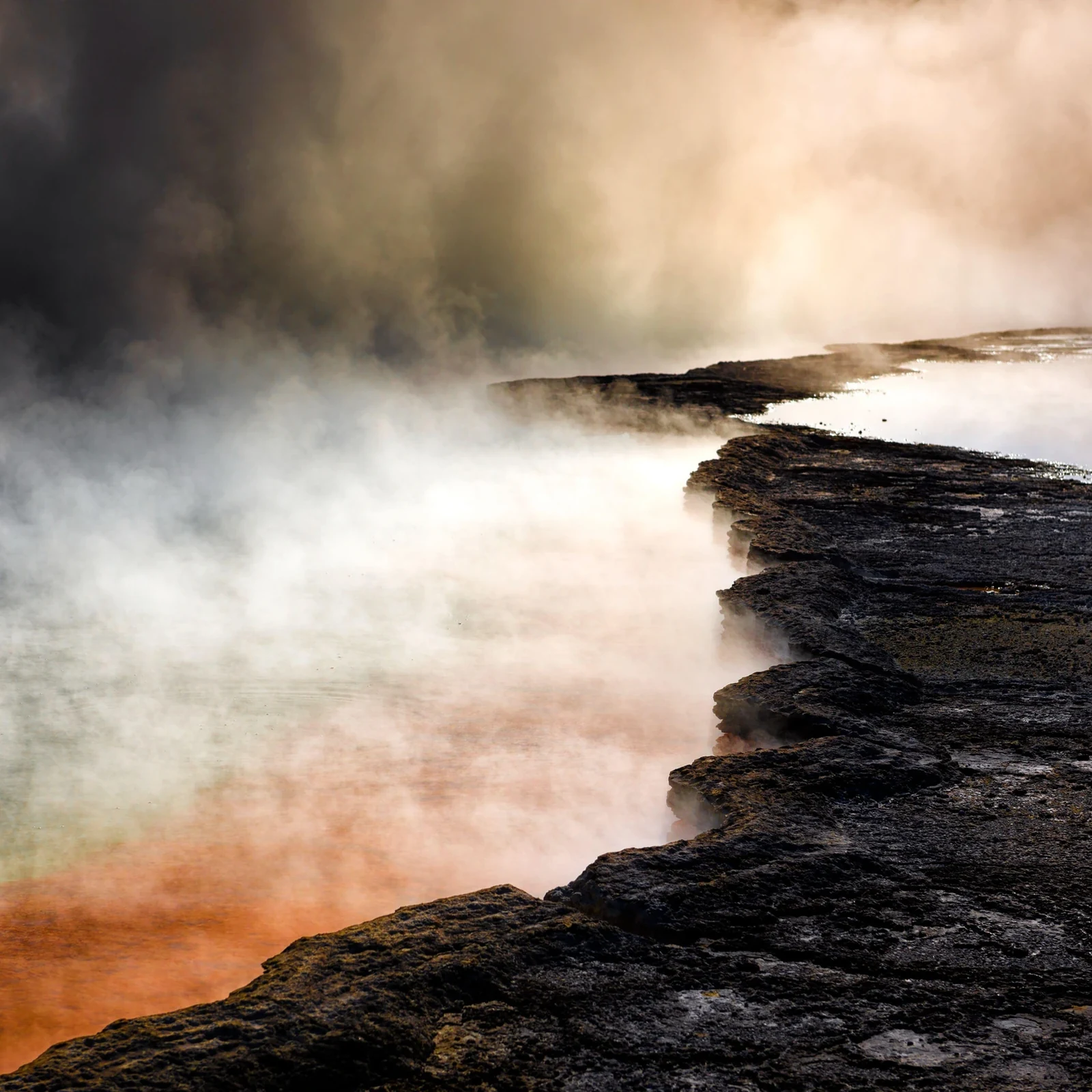
Around 12 hours from Auckland to Rotorua with Whakarewarewa Village and a choice of Wai-O-Tapu, Redwoods Treewalk, Polynesian Spa or Te Puia.
Auckland safety is generally reassuring for visitors who take normal precautions. Water appears between the buildings, ferries cross Waitematā Harbour, parks blend into residential neighbourhoods, and the city centre has the energy of a major city without usually creating a constant sense of threat.
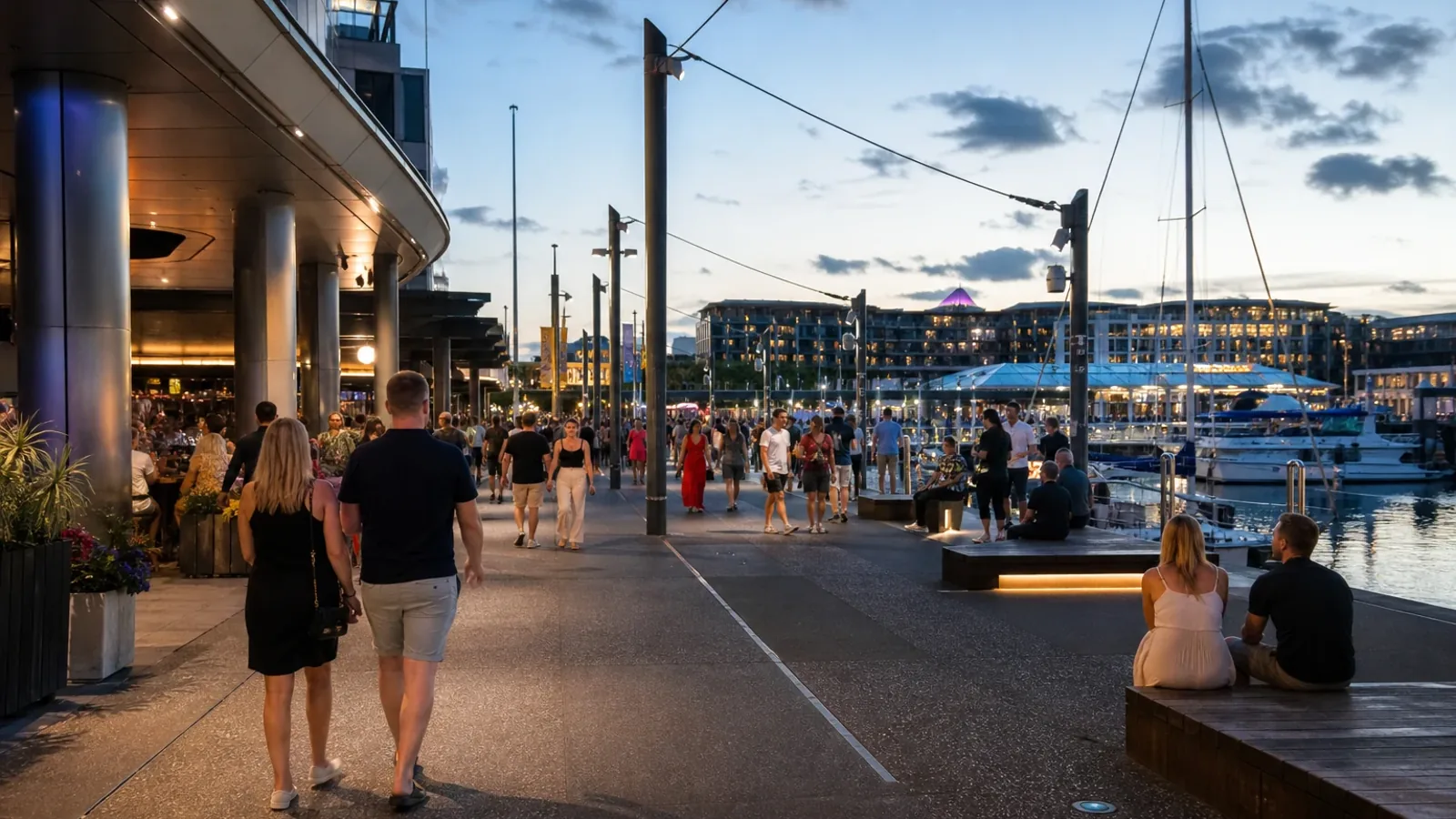
Auckland safety is generally good for visitors, but the city's relaxed atmosphere should not be mistaken for a reason to stop paying attention altogether. Opportunistic theft, vehicle-related crime and uncomfortable situations late at night can occur. International travel advice cited for New Zealand recommends normal precautions, which is a useful way to approach a stay in Auckland. That is the key: normal precautions. Neither unnecessary fear nor a false sense of invulnerability.
Compare locations and options to find a base that suits your trip. Booking.com confirms current availability and pricing.
Find accommodation on BookingFor tourists, Auckland is not a city where every journey needs to be planned around personal safety. You can walk around much of the city centre, use public transport, explore the waterfront neighbourhoods and return to your accommodation without letting concerns about crime dominate your trip.
That does not mean crime does not exist.
Official Auckland travel safety advice places particular emphasis on protecting belongings and vehicles. Police recommend never leaving luggage, phones, cameras, maps or other items visible inside cars or campervans and taking extra care in car parks at tourist attractions.
It is one of the easiest mistakes to make in a country that feels so peaceful: parking the car, looking around at a seemingly safe street and leaving your backpack on the seat.
Better not to.
It is not especially useful to divide Auckland into a map of good neighbourhoods and no-go areas. For visitors, the time of day and the circumstances usually matter more than the name of the neighbourhood.
A busy street in the afternoon can feel very different in the early hours of the morning. A pleasant route during the day may not be a good idea alone at night if it means crossing quiet, poorly lit areas.
New Zealand Police recommends avoiding walking alone late at night and sticking to well-lit areas.
So rather than memorising a list of supposedly dangerous areas in Auckland, follow a simple rule: if you have been out at night and the route back is deserted, dark or simply does not feel right, use available public transport or a ride service instead of insisting on walking home.
Generally, yes, although Auckland safety at night calls for a little more awareness than during the day.
The city centre and nightlife districts change after a certain hour. There is alcohol, groups leaving bars and situations that can become more unpredictable than during the day.
Police specifically advise against leaving drinks unattended or accepting drinks from strangers, as well as walking alone late at night in poorly lit places.
Auckland also has specific safety measures across its public transport network. Major bus, train and ferry terminals have help points connected 24 hours a day to Auckland Transport’s operations centre, while trains are equipped with emergency buttons.
The city does not give you a reason to stay in your hotel once the sun goes down. It simply makes good judgement more important when you are heading back late.
There is no need to turn Auckland into a catalogue of alarming stories about sophisticated scams.
For the average traveller, something far more ordinary deserves more attention: opportunistic theft.
Do not leave your passport on a table while you go to order another drink. Do not leave a backpack unattended in a terminal. Do not turn your rental car into an improvised luggage locker.
New Zealand Police recommends always locking vehicles and accommodation, keeping valuables out of sight and never leaving belongings unattended at airports, stations or ferry terminals.
It is also sensible to take the usual precautions when using ATMs and to shield your PIN.
Nothing particularly exotic. Which is precisely why it is so easy to forget.
Overall, Auckland is a reasonable destination for solo female travellers and can be explored comfortably with the usual precautions.
That does not remove the risks associated with walking alone in the early hours, meeting strangers or going out at night.
A woman travelling alone would be wise to choose accommodation in a convenient location, avoid long walks back through empty streets very late at night and always keep an eye on her drink. These are precautions the police recommend to visitors regardless of gender.
Public transport can provide some additional peace of mind: major interchanges have assistance points, while Auckland Transport operates surveillance systems and employs staff dedicated to passenger safety.
Travelling alone in Auckland should not mean travelling in fear. It does mean maintaining enough independence to leave any situation that does not feel comfortable.
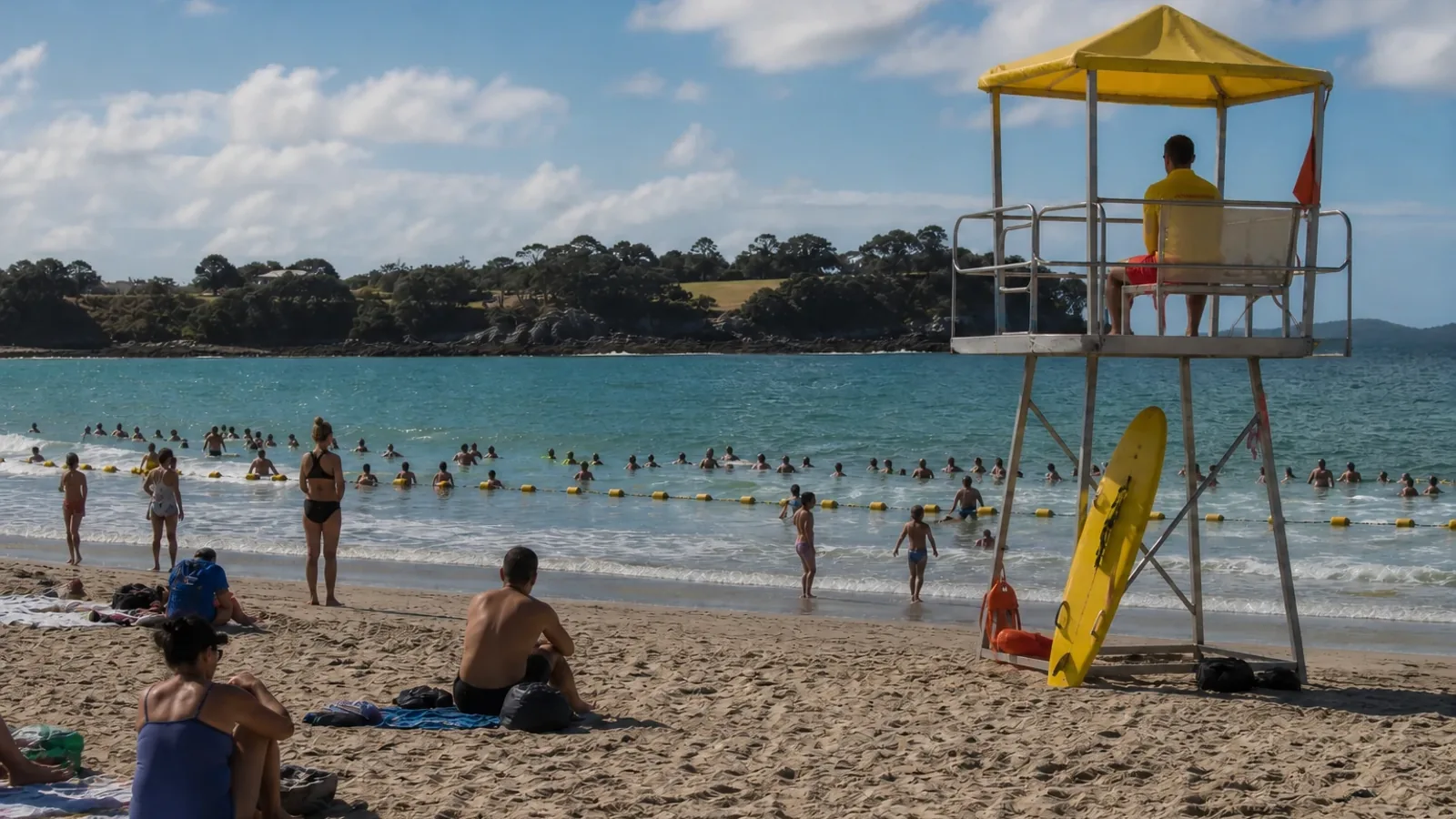
From the perspective of everyday safety, Auckland works well for families.
The main precautions are likely to have less to do with crime and more to do with the surroundings: traffic, water, outdoor activities, changing weather conditions and journeys beyond urban areas.
There is also another aspect of safety that is sometimes overlooked when visiting New Zealand: natural hazards.
Auckland Emergency Management states that the region is exposed to flooding and severe weather, as well as earthquakes, tsunamis and volcanic activity. Flooding and severe weather occur more frequently, while the other hazards are less common but can have serious consequences.
There is no reason to travel in a constant state of concern. But there is every reason to check official alerts if the weather deteriorates.
In Auckland, a bright day by the harbour can change quickly when bad weather moves in.
Summer storms can bring heavy rain, strong winds, hail, lightning and rough seas, while the South Pacific tropical cyclone season generally runs from November to April. Although these systems may lose their tropical characteristics as they approach New Zealand, they can still cause severe weather.
Heavy rainfall can also cause flash flooding in Auckland because of the local terrain. Authorities advise against walking or driving through floodwater.
Safety here is not just about keeping your backpack secure. Sometimes it means knowing when to change your plans.
Perhaps the most common mistake is trusting the feeling of calm too quickly.
Leaving suitcases in the car because you will only be gone for twenty minutes. Walking back alone in the early hours to save the cost of a ride. Losing sight of your drink. Ignoring a weather warning because the sky still looks relatively calm.
Auckland allows you to travel in a relaxed way, but it works best when relaxation does not turn into carelessness.
In New Zealand, the emergency number for police, ambulance and fire services is 111. For non-emergency police matters, you can call 105.
It is worth saving both numbers before your trip begins, even though you will probably never need to use them.
Yes. For the vast majority of travellers, Auckland safety is not something that should dominate the trip, and the city can be explored comfortably with normal precautions.
There is no need to spend your trip constantly worrying about crime or systematically avoiding public transport or the city centre. But it is equally unwise to idealise New Zealand as a place where nothing bad ever happens.
Take particular care with anything you leave inside your car, be more alert late at night, keep an eye on your drinks and do not underestimate weather warnings. If you are travelling alone — especially when returning late — choose good judgement over pride whenever a route does not feel right.
Auckland is best enjoyed this way: without fear, but with your eyes open. With the harbour stretching out in the light, ferries heading towards the islands and that pleasant feeling of being in a city where you can relax without forgetting that feeling safe and acting sensibly should always travel together.
Discover Auckland through three hand-picked experiences combining city life, coastal landscapes, local culture and well-organized day trips.
Activity on TourBookGoAround 12 hours from Auckland to Rotorua with Whakarewarewa Village and a choice of Wai-O-Tapu, Redwoods Treewalk, Polynesian Spa or Te Puia.
 Activity on TourBookGo
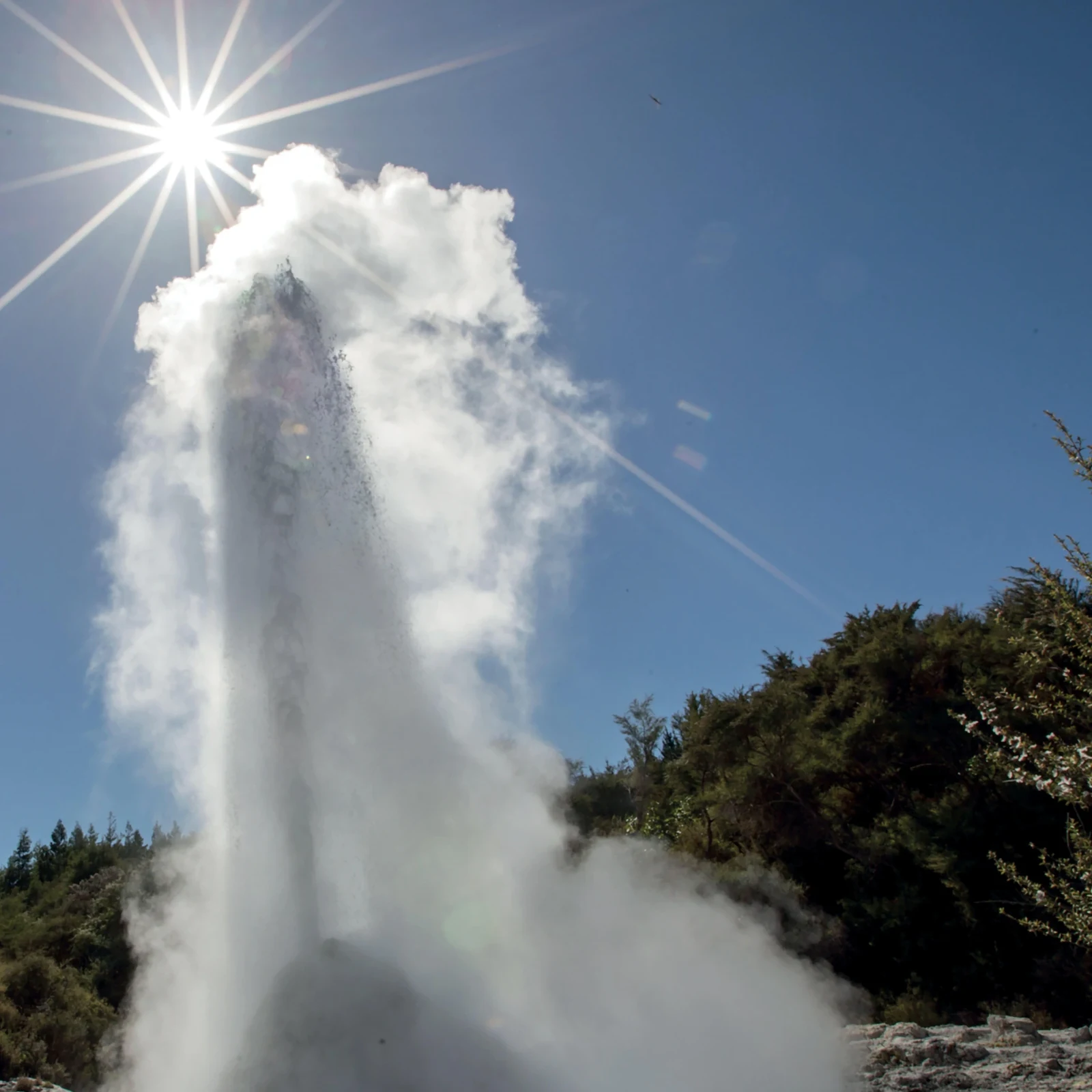
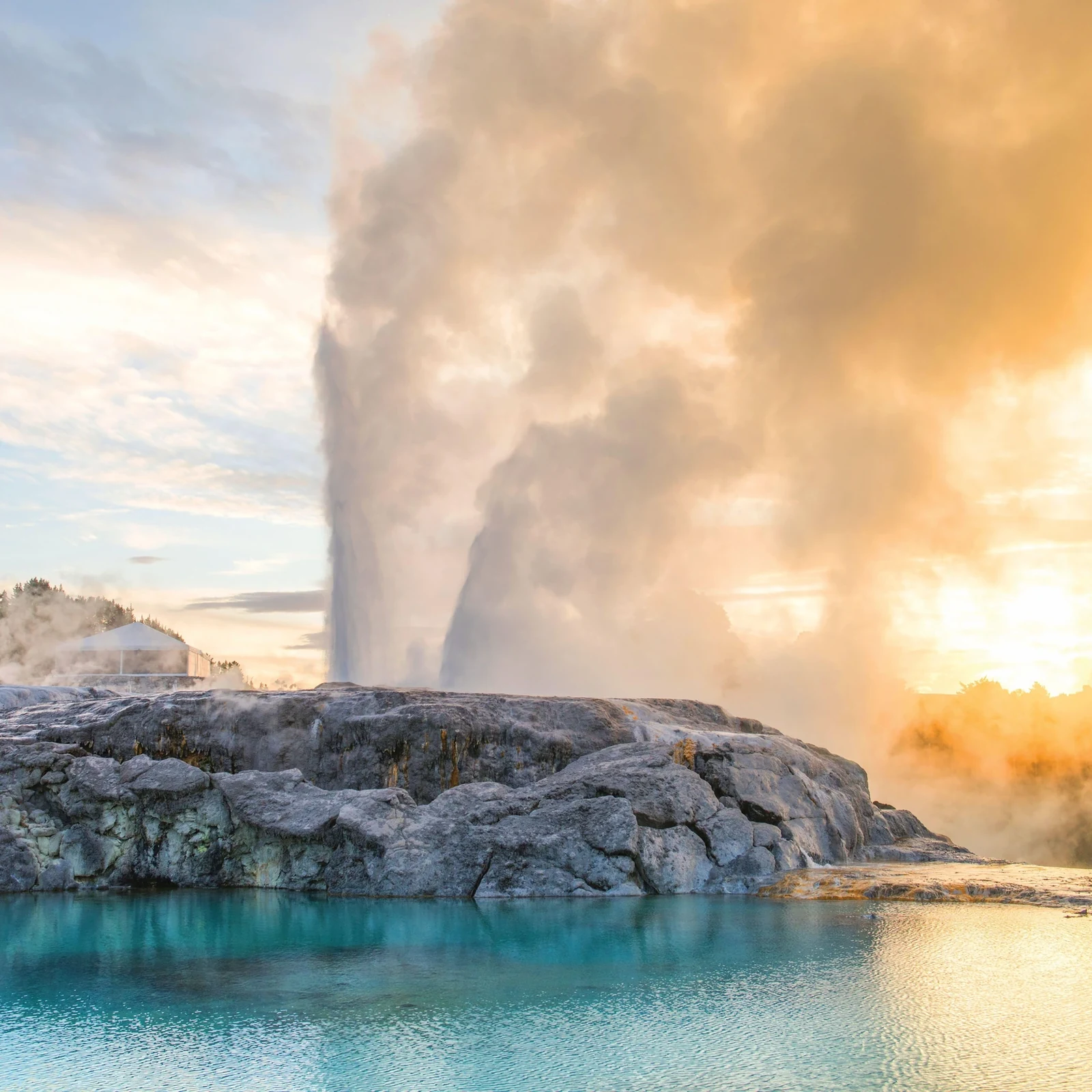
Around 12-hour Auckland day trip to Wai-O-Tapu and Te Puia with Pōhutu Geyser and haka. Check price, inclusions, reviews and booking conditions.
 Activity on TourBookGo
Around 13 hours from Auckland to Hobbiton and Te Puia in Rotorua with transport, admission, selected hotel pickup and English-speaking guides.