 Activity on TourBookGo
Wild Kiwi Spotting Auckland: Tāwharanui Night Tour and Stargazing
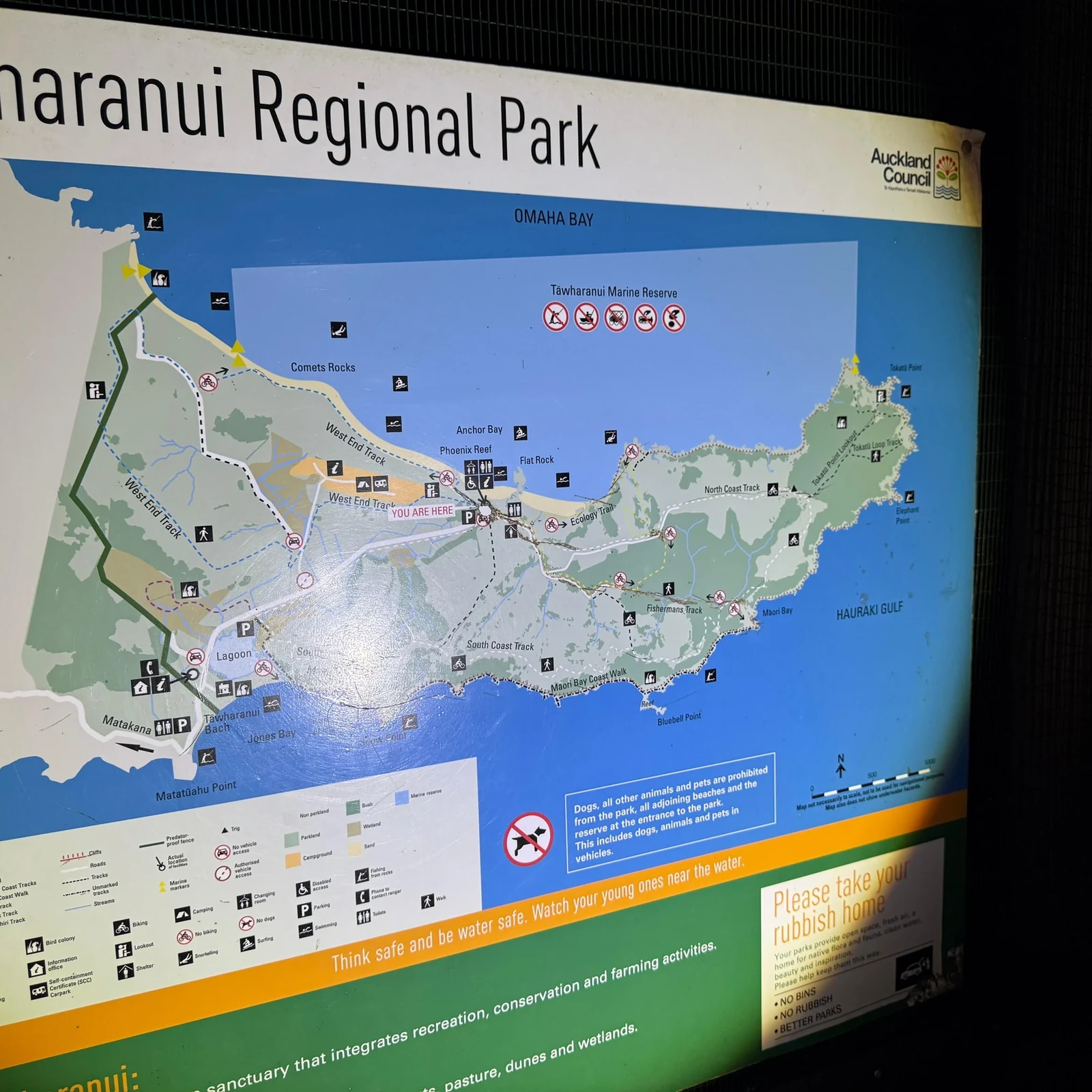
Experience wild kiwi spotting Auckland on a guided 2-hour night tour of Tāwharanui Regional Park, combining native wildlife, conservation and stargazing.
If you are looking for things to do in Auckland, think beyond a conventional city break. Auckland’s character is spread across volcanoes, waterfront neighbourhoods, islands in the Hauraki Gulf, black-sand beaches and a city centre where the water seems to appear at the end of almost every street.
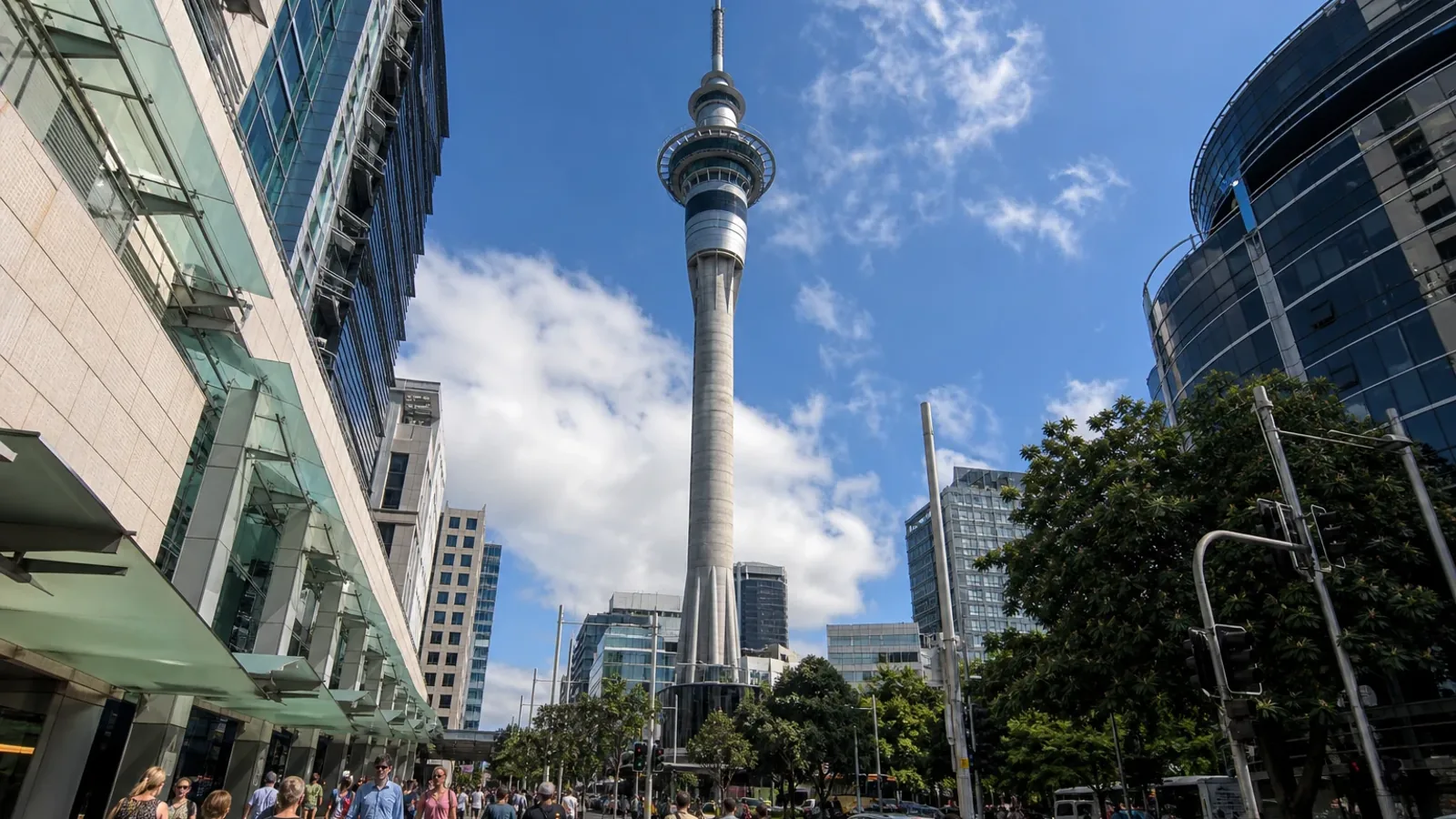
The best things to do in Auckland are not concentrated downtown. Anyone who sticks to the CBD, the Sky Tower and a few hours by the harbour may leave with the impression of having visited a pleasant but not particularly memorable city. Auckland becomes far more rewarding when you combine viewpoints such as Maungawhau, ferries to Rangitoto or Waiheke and day trips to Devonport, Piha and the Waitākere Ranges.
Compare locations and options to find a base that suits your trip. Booking.com confirms current availability and pricing.
Find accommodation on BookingIf it is your first visit, I would start here. Maungawhau / Mount Eden is one of the major volcanic cones that shape Auckland, and from the top you can see the city stretching between its two harbours, neighbourhoods spilling across the hills and Rangitoto rising in the distance.
More than just a viewpoint, it helps you understand Auckland’s geography. Suddenly, it becomes clear that this is not a city built around a single bay, but a volcanic landscape surrounded by water.
The climb is also one of the best free things to do in Auckland and an easy way to get your bearings.
Rangitoto is probably one of the day trips from Auckland that best captures the destination: ferry, ocean, lava, native forest and views back towards the city from a volcanic island.
From the wharf, the Summit Track climbs through old lava fields and pōhutukawa forest to the lookout at the summit. The Department of Conservation also maintains other trails that allow you to extend your day into different parts of Rangitoto or even continue on to Motutapu.
This is not a trip you should improvise too much. Coordinate your walk with the Rangitoto ferry timetable and bring water, sun protection and sensible footwear. The island also has strict conservation measures in place, so it is important to follow the instructions before disembarking.
For nature lovers, I would choose Rangitoto over spending half a day visiting urban attractions.
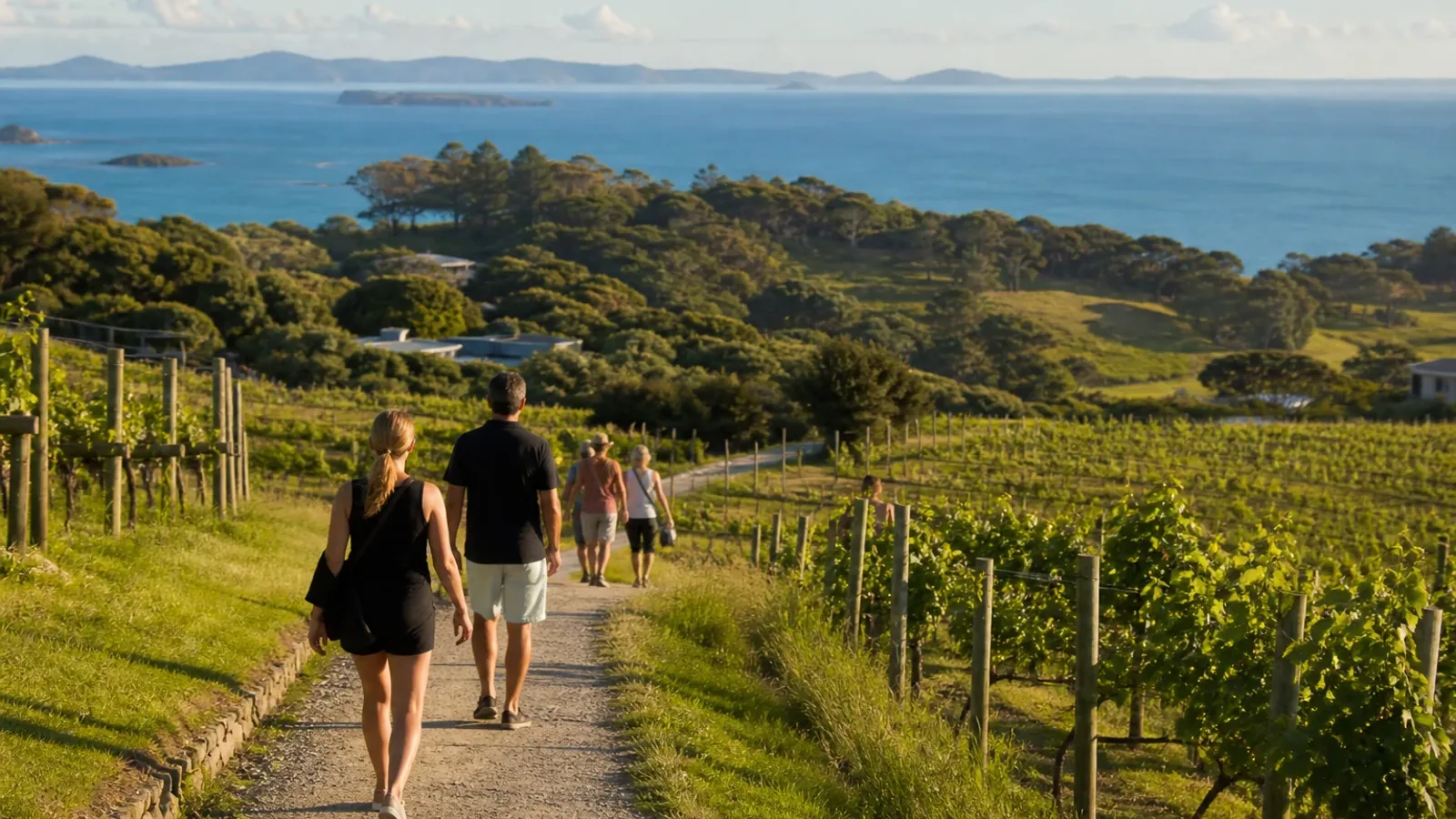
Waiheke Island reveals another side of the Hauraki Gulf. Here, the landscape becomes gentler: long beaches, rolling hills, vineyards, small galleries and roads winding through the greenery.
The ferry from central Auckland takes around 40 minutes, making Waiheke Island from Auckland one of the easiest full-day escapes to plan.
Although Waiheke is famous for its wineries, reducing it to wine alone would be a mistake. You can combine beaches such as Onetangi with coastal walks, food, art and perhaps a tasting or two. For couples, it is probably one of the most enjoyable days you can plan from Auckland.
There is one downside: Waiheke can easily become one of the most expensive days of your trip once you add up the ferry, transport, wineries and meals. Travellers on a tighter budget can still enjoy the island by walking and focusing more on its beaches and scenery.
If you want to escape the city centre without planning a full-scale excursion, Devonport is one of the easiest options. Across the harbour you will find historic houses, small beaches, cafés and two excellent natural viewpoints: Takarunga / Mount Victoria and Maungauika / North Head.
Maungauika adds old tunnels and military fortifications to the coastal views, while the village itself is perfect for wandering without much of a plan.
It is a quieter, more lived-in and human side of Auckland, and an easy addition to a day around the harbour.
Another easy experience is to follow the coastline from the city towards Ōrākei and Mission Bay. Tāmaki Drive offers almost constant views of the harbour and Rangitoto, and combines walking, cycling, green spaces and the beach.
Mission Bay is not New Zealand’s most spectacular beach, and anyone arriving after travelling through Coromandel or Northland is unlikely to be blown away. Its appeal lies elsewhere: here, the sea is simply part of everyday Auckland life.
To the west, Auckland changes character completely. The relatively calm waters of the gulf give way to the Tasman Sea, lush forests and vast dark beaches.
Piha is the best known, with black sand, powerful surf and Lion Rock dominating the landscape. It is roughly an hour’s drive from the city centre and one of the most popular nature escapes from Auckland.
The Waitākere Ranges also offer numerous walking trails through native forest. However, some tracks may be closed to protect kauri trees from the disease known as kauri dieback, so it is worth checking trail conditions before setting out.
Piha is worth visiting for the scenery alone, even if you do not swim. In fact, the sea on the west coast can be serious: this is not a beach where you should enter the water carelessly.
If you are wondering what to do in Auckland when it rains, there are plenty of worthwhile indoor options that can save the day.
Auckland Art Gallery Toi o Tāmaki is one of the best options in the city centre. Its collection is an excellent introduction to New Zealand, Māori and Pacific art, and admission to the general collection is free, although some special exhibitions require a ticket.
Another particularly good choice for families is MOTAT, the Museum of Transport and Technology, which is spread across two sites connected by a heritage tram.
For something completely different, Wētā Workshop Unleashed turns creature design, special effects and cinematic world-building into an immersive experience right in the city centre.
And the Auckland War Memorial Museum is an excellent choice if you want to gain a much deeper understanding of the history and identity of Aotearoa New Zealand rather than using Auckland simply as a gateway to the rest of the country.
There are plenty of things to do in Auckland with kids, from interactive museums and wildlife attractions to ferry trips and volcanic walks.
Auckland Zoo devotes a significant part of its grounds to New Zealand wildlife and flora, while MOTAT works particularly well for families interested in science, transport and technology.
SEA LIFE Kelly Tarlton's, beside Tāmaki Drive, is another easy option to combine with Mission Bay and is especially useful on days when the weather is unpredictable.
If your children enjoy walking, do not rule out Rangitoto: for an active family, it may prove far more memorable than moving from one indoor attraction to another.
For a romantic getaway, I would choose three very different plans:
Waiheke, spending the day enjoying beaches, scenery and food; Devonport at sunset, walking up to one of its viewpoints; or a relaxed afternoon following the waterfront from Viaduct Harbour towards Wynyard Quarter.
Auckland does not have the monumental romance of Paris or Rome. Its appeal is more understated: light on the water, boats returning to the harbour and long dinners as the city begins to glow after dark.
You do not have to keep spending money to enjoy the city. Some of the best free things to do in Auckland include climbing Maungawhau, walking along Tāmaki Drive, exploring the parks in the city centre, visiting Mission Bay and wandering around Devonport. Auckland Art Gallery’s general collection is also free to visit.
And there is something even simpler: sitting beside Waitematā Harbour as evening falls. Auckland has moments when the landscape does almost all the work.
If you are looking for things to do in Auckland at night, different neighbourhoods offer very different moods.
Britomart is a good place to start the evening close to the city centre and public transport; Viaduct Harbour and Wynyard Quarter offer waterfront bars and restaurants; while Ponsonby Road has more of a neighbourhood feel, with restaurants, small bars and venues that become livelier as the night goes on.
Do not expect a megacity that stays frenetic until dawn. Auckland can feel surprisingly quiet on some evenings, especially outside Friday and Saturday nights.
With just one day, I would combine Maungawhau, the waterfront and Devonport.
With two days, I would add Rangitoto.
With three days, I would devote the third day to either Waiheke or the west coast, depending on whether you prefer vineyards and calmer beaches or wilder nature.
Trying to fit Rangitoto, Waiheke, Piha and the city centre into two days turns Auckland into a race. And that is precisely one of the least interesting ways to experience it.
Auckland does not always make an immediate impression.
The city centre has functional areas and uneven architecture; distances across the wider region are greater than they appear on a map; some of its best experiences require a ferry or a car; and compared with the extraordinary landscapes waiting elsewhere in New Zealand, the city can seem modest.
But that assessment changes once you explore the wider region.
The biggest mistake is to visit Auckland as though everything important were located between Queen Street and the Sky Tower. Its true character emerges when the city disappears behind the wake of a ferry, when Rangitoto’s black lava crunches beneath your shoes or when the forest suddenly ends at the ocean in Piha.
Auckland does not need to compete with New Zealand’s great landscapes. It is part of them.
Discover Auckland through three hand-picked experiences combining city life, coastal landscapes, local culture and well-organized day trips.
Activity on TourBookGoExperience wild kiwi spotting Auckland on a guided 2-hour night tour of Tāwharanui Regional Park, combining native wildlife, conservation and stargazing.
 Activity on TourBookGo
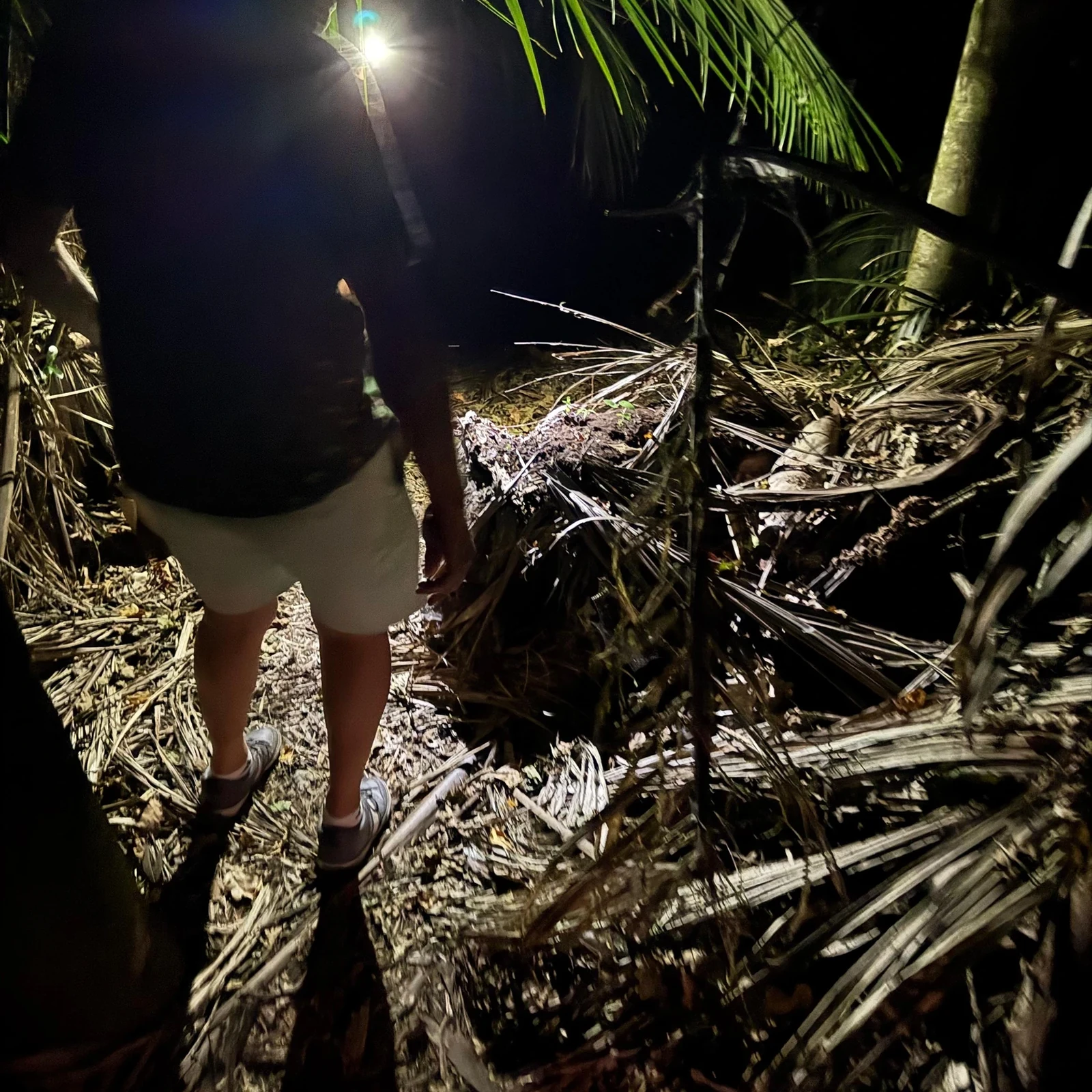
Discover this Auckland glowworm tour: a 1-hour guided night walk through Auckland Domain and Pukekawa, with prices from €31.
 Activity on TourBookGo
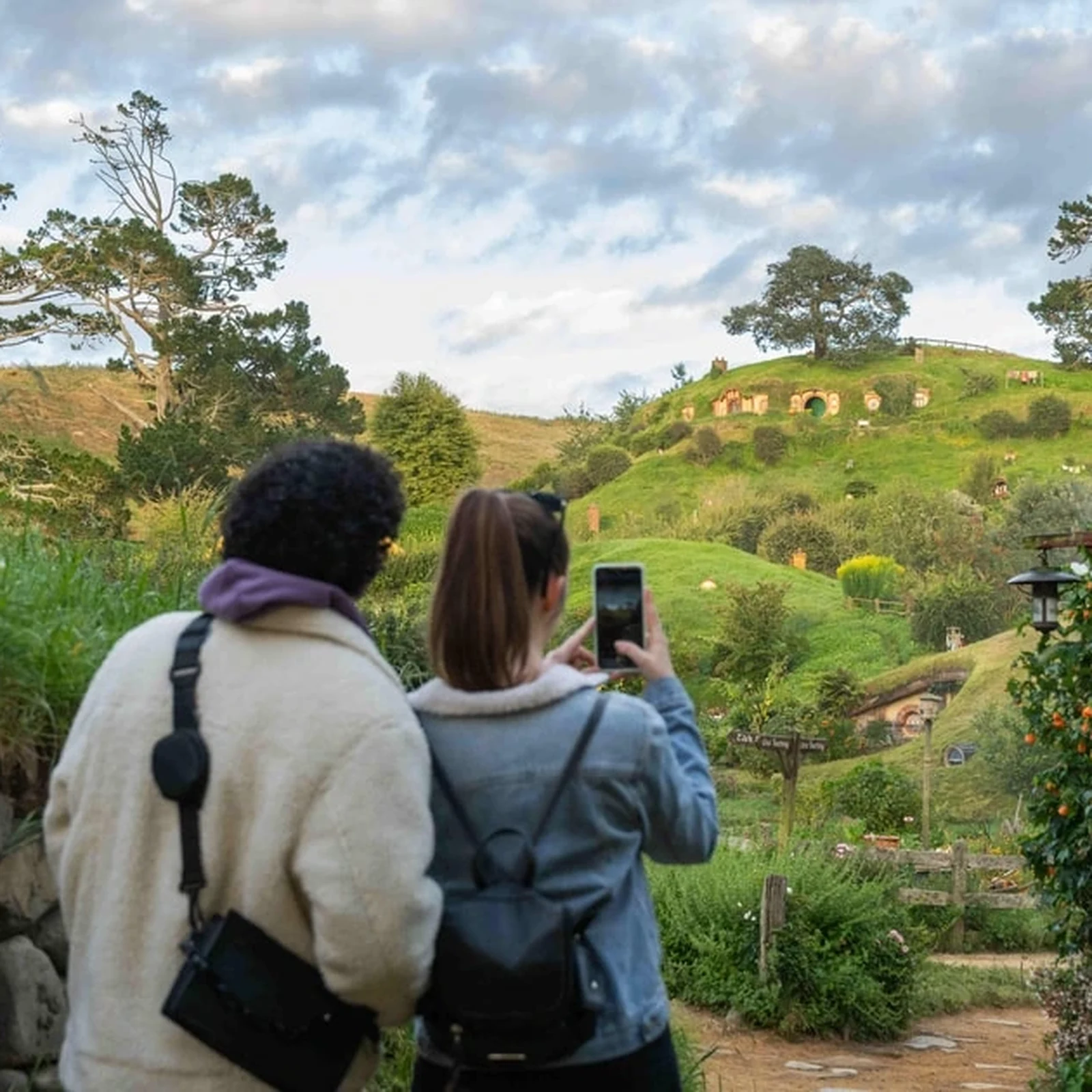
Visit Hobbiton from Auckland on an 8-hour day trip with transport, Movie Set admission, a 2.5-hour official guided tour and a drink at The Green Dragon Inn.