 Activity on TourBookGo
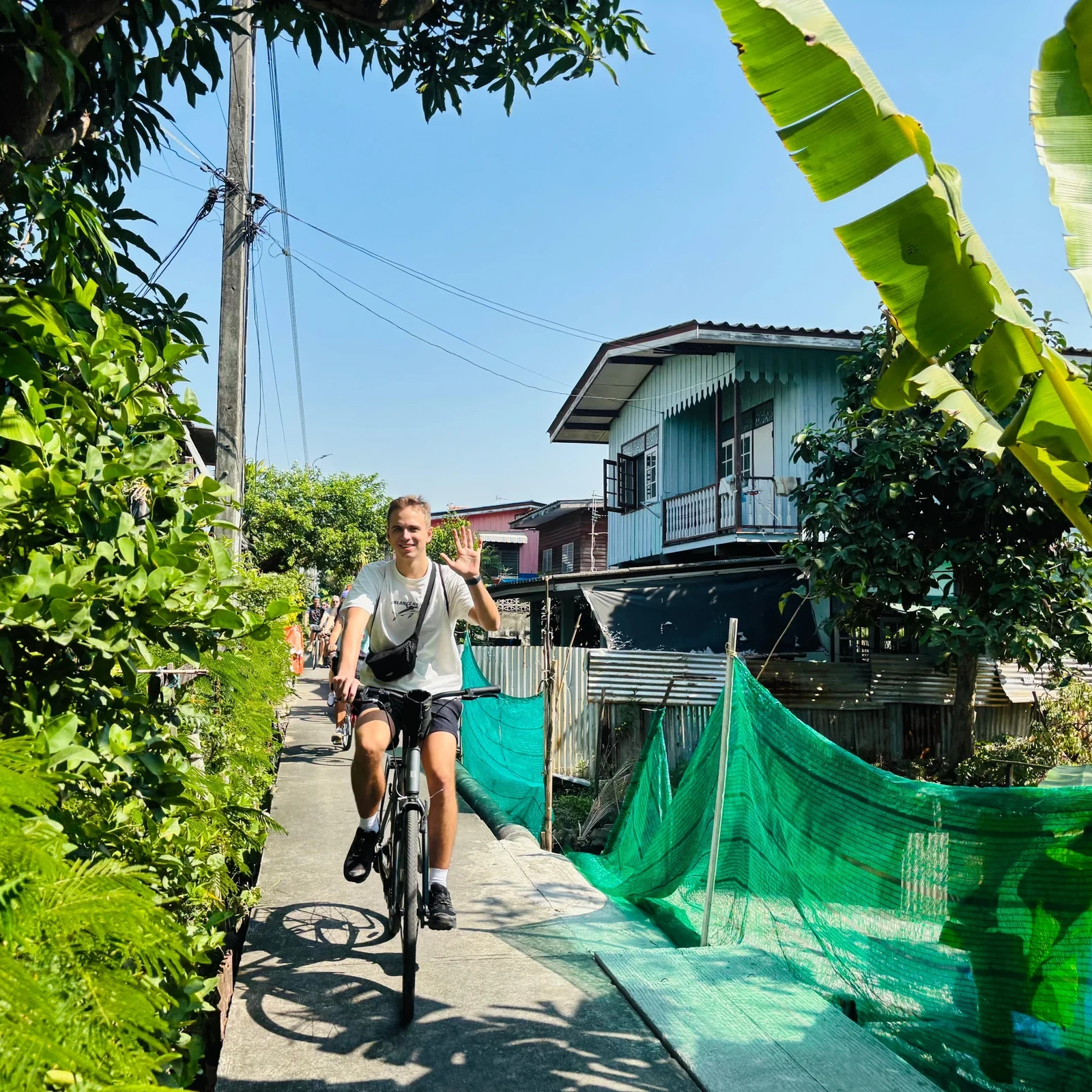
Bangkok bike tour through temples, canals and local life
Book a 3-hour Bangkok bike tour through local temples, quiet canals and Thonburi neighborhoods with an English-speaking guide.
A good Bangkok itinerary cannot be understood in a straight line. The city reveals itself in layers: first the gold of the temples, then the noise of the tuk-tuks, then the steam rising from street-food stalls, the modern silhouette of the shopping malls, the boats crossing the Chao Phraya and, finally, that mix of chaos and tenderness that makes the city exhausting and fascinating almost at the same time.
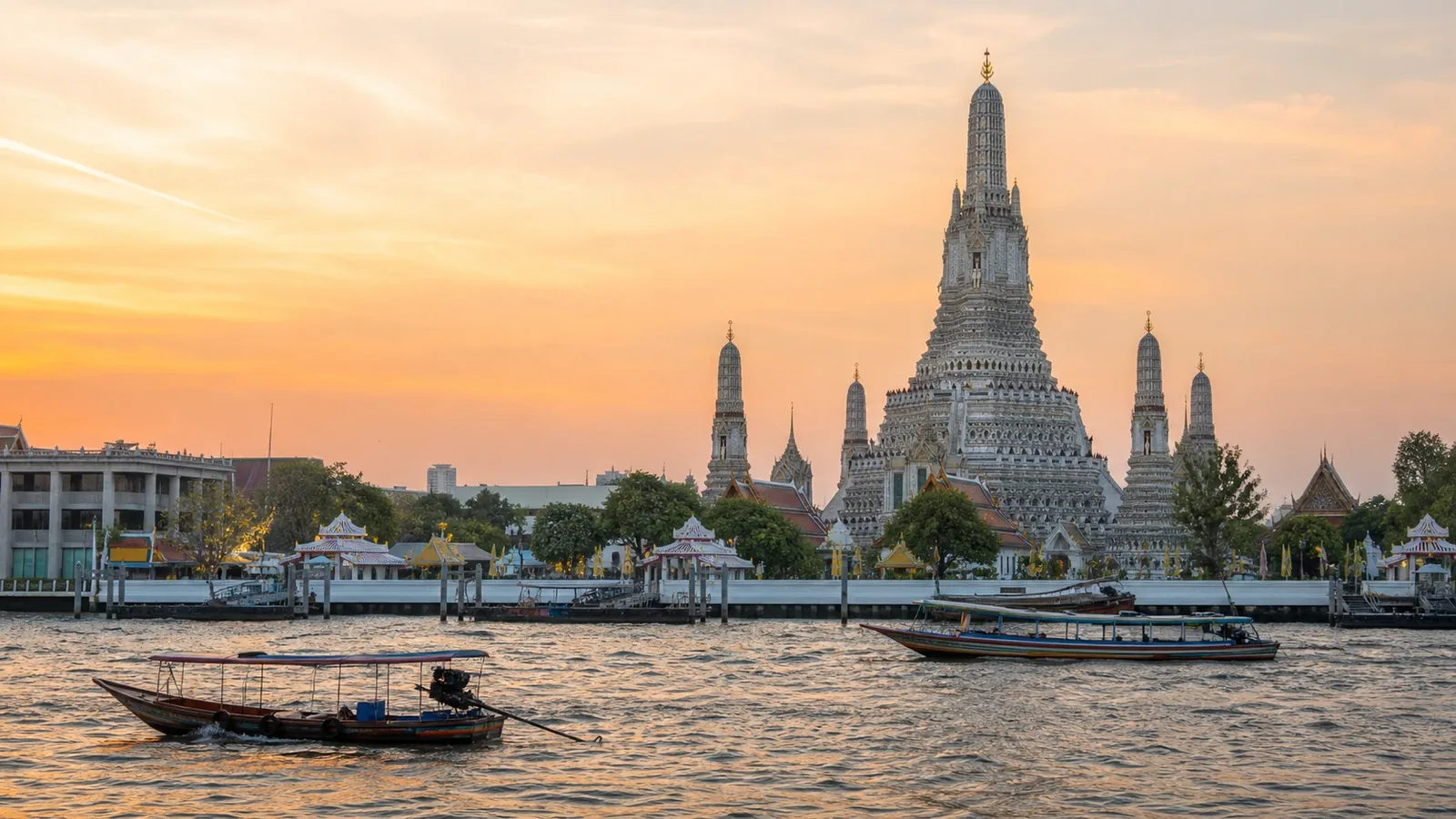
The key to enjoying Bangkok is not seeing everything, but organizing your days well. The city can be intense, humid, hot and slow to move around, so a good Bangkok route should alternate temples, lively neighborhoods, food, the river and breaks. The historic area brings together some of Bangkok’s most important cultural sites, while the Chao Phraya remains one of the best ways to read the city from the water.
Compare locations and options to find a base that suits your trip. Booking.com confirms current availability and pricing.
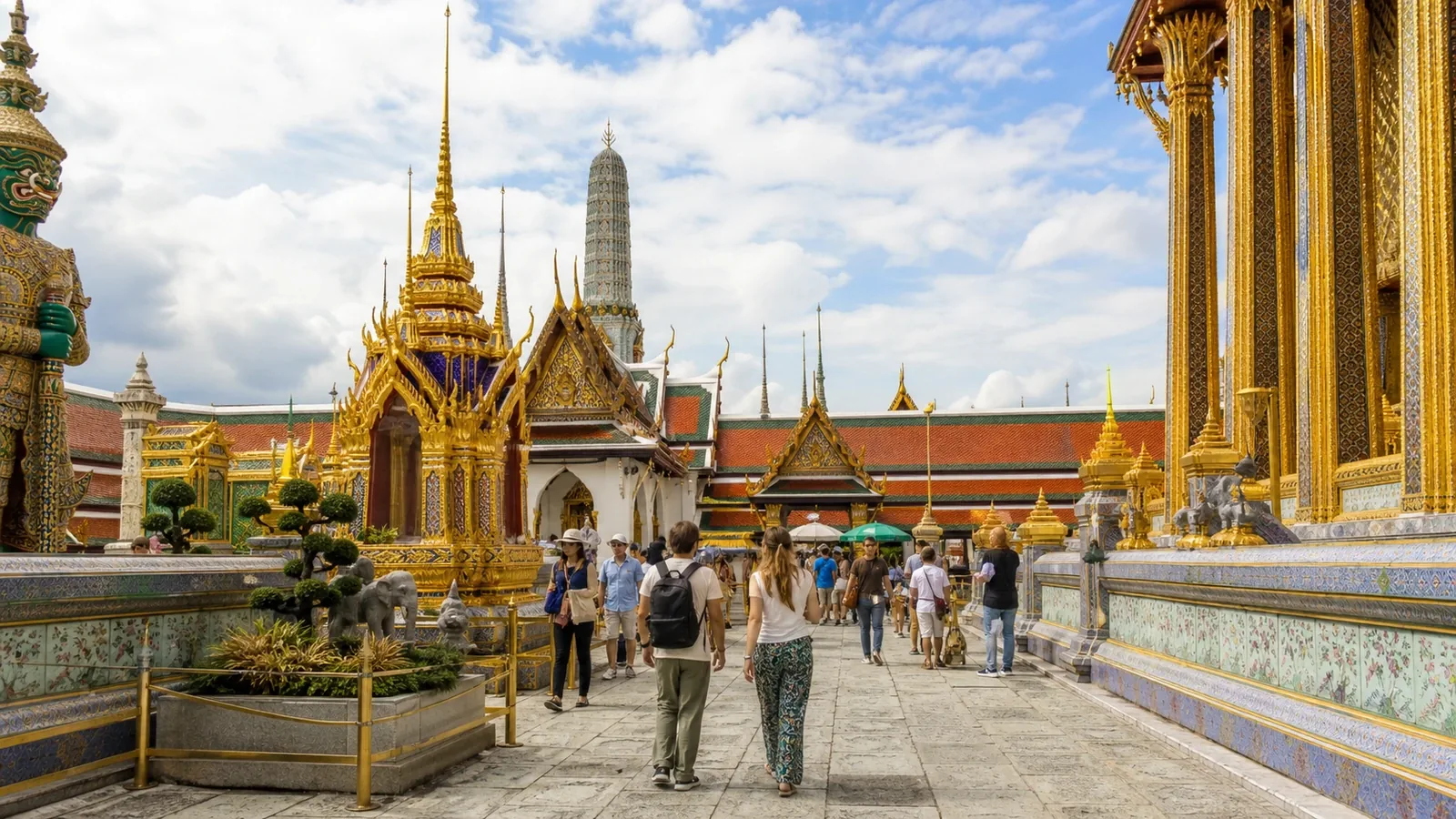
Find accommodation on BookingWith only one day, it is best to accept one truth: you do not visit Bangkok, you brush against it. The best route starts early at the Grand Palace and Wat Phra Kaew, when the heat has not yet hardened the air. It is one of the city’s most delicate and solemn places, but also one of its busiest. Before going, check the official notices, as access and opening hours may change because of royal ceremonies.
Afterwards, walk to Wat Pho, with its reclining Buddha and quieter courtyards. Cross the river to Wat Arun, especially beautiful when the light begins to soften over the pale ceramic of its towers.
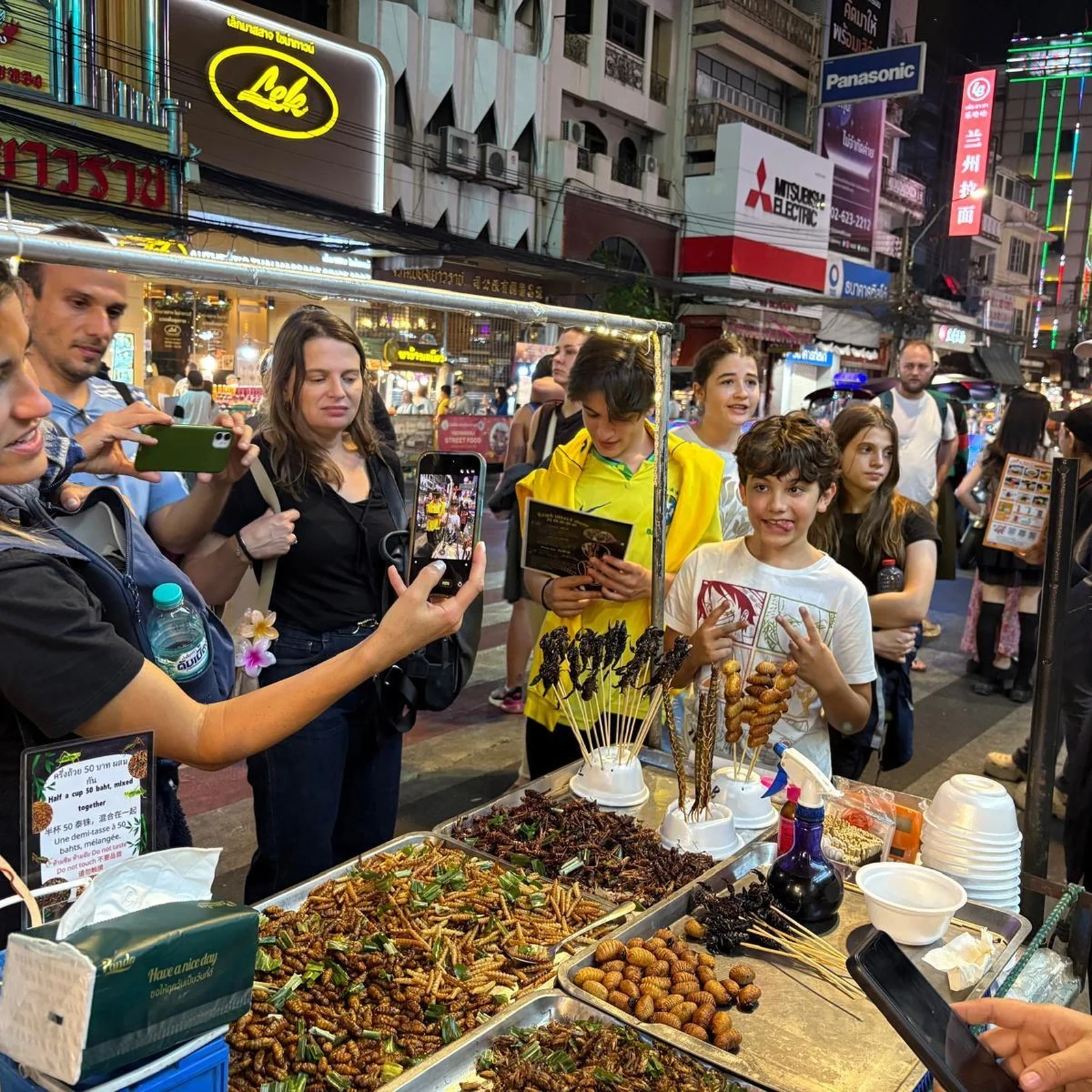
In the afternoon, take a boat along the Chao Phraya or head down to Chinatown. Yaowarat at night is Bangkok in its purest form: neon lights, smoke, broths, woks, small tables, queues and an almost electric energy. It can feel overwhelming, but it is one of the best gateways into the city.
Day 1: historic Bangkok. Repeat the classic route: Grand Palace, Wat Pho, Wat Arun and a ride along the river. Do not add too many more temples. The usual mistake is to turn the day into a race through chedis, Buddhas and entrance tickets, until everything starts to look the same.
At sunset, choose between Chinatown, if you want a more local and flavorful night, or a rooftop bar, if you prefer to see Bangkok from above. Rooftops are expensive and sometimes more photogenic than authentic, but they have something powerful about them: they help you understand the real size of the city.
Day 2: markets, canals and modern life. Spend the morning at a market or on a canal tour in Thonburi. Not all klong tours are equally interesting; some feel too staged for tourists. Even so, when the route is good, another Bangkok appears: houses over the water, small neighborhood temples, laundry hanging out to dry, open kitchens and everyday life that needs no set dressing.
In the afternoon, step into modern Bangkok: Siam, Silom, Sukhumvit or the ICONSIAM area. It is not the city’s most romantic side, but it is a real one: huge shopping malls, the elevated train, polished cafés, endless traffic and air-conditioning as an urban refuge. To get around, combine BTS, MRT, boats and short taxi rides; the official BTS offers options such as a one-day pass and Rabbit Card, useful depending on how many journeys you make.
Three days is a good amount of time for Bangkok. It is not enough to know it in depth, but it is enough to avoid feeling that you have only rushed through.
Day 1: essential temples and the Chao Phraya. Start with the Grand Palace, Wat Pho and Wat Arun. Eat near the river or in the old town, without obsessing over the famous restaurant of the moment. Bangkok is much more enjoyable when you leave room to improvise.
In the afternoon, sail along the Chao Phraya. The river is not just transport: it is a liquid avenue where elegant hotels, ferries, temples, warehouses, bridges and everyday boats coexist.
Day 2: Chinatown, markets and neighborhoods. Set aside the second day for walking more. Chinatown deserves time, not just a quick dinner. By day it has shops, Chinese temples, traditional pharmacies, gold shops, alleyways and dense commercial life. At night it turns into an intense food stage.
You can combine it with Talat Noi, an area of workshops, old façades, murals and hidden cafés. It is photogenic, yes, but it should not be visited as if it were a backdrop: people still live and work there.
Day 3: Ayutthaya or slow Bangkok. The big decision on the third day is choosing between a day trip or going deeper into the city.
If history appeals to you, Ayutthaya is one of the best excursions from Bangkok. It lies north of the capital, and its historical park is a UNESCO World Heritage Site, with ruins that speak of the former power of the Siamese kingdom.
If you prefer not to add more travel time, stay in Bangkok: visit the Jim Thompson House, stroll through Lumphini or Benjakitti, explore cafés and end with a relaxed dinner. This option is often better for those arriving tired or traveling in very hot weather.
One week allows you to do something many travelers do not manage: slow down.
Dedicate the first three days to the itinerary above. The fourth day can be for Ayutthaya. The fifth, for Thonburi, canals, markets and less obvious neighborhoods. The sixth, for contemporary Bangkok: galleries, shopping malls, restaurants, parks and nightlife. The seventh should be left freer: shopping, massages, returning to an area you liked or simply sitting and watching.
Bangkok rewards those who do not fill every hour. Some of its best scenes appear between plans: a monk crossing an avenue, a woman preparing soup on a corner, the sky turning violet over the river, the smell of Thai basil hitting you from a wok.
For a first visit, it is best to stay near a BTS or MRT line, or by the river if your budget allows. Sukhumvit is practical, with good connections and plenty of options, although it can feel more international than local. Silom combines business, food, transport and nightlife. Riverside is more atmospheric and elegant, but not always the most convenient for getting around cheaply. The Khao San area can work for tight budgets and a backpacker atmosphere, but it is not Bangkok at its calmest or most refined.
The first mistake is underestimating the heat. In Bangkok, two kilometers can feel like six when the sun is directly overhead and the traffic traps the air. The second is relying too much on taxis: they may be cheap, but they are not always fast. The third is trying to see all the important temples in a single day.
It is also worth being wary of anyone in the street who tells you that a temple is closed and suggests a “special” alternative. It may sometimes be true, but it is also a classic tactic for taking travelers to shops or uninteresting tours. For sensitive places such as the Grand Palace, always check the official information.
The cool season usually makes Bangkok more pleasant for walking. In the hottest months, your itinerary should start earlier, include long breaks and avoid too many transfers at midday. During the rainy season, the city does not become impossible, but it does become more unpredictable: a storm can empty a terrace, jam an avenue or turn a perfect plan into a wait under an awning.
For a first time, the most sensible route would be this:
Day 1: Grand Palace, Wat Pho, Wat Arun and the Chao Phraya.
Day 2: Chinatown, Talat Noi, markets and a food-focused night.
Day 3: Ayutthaya or slow Bangkok, depending on your energy and the weather.
Day 4 onwards: canals, parks, modern neighborhoods, shopping, cafés, rooftops and free time.
Bangkok is worth it if you accept its intensity. It is not always a comfortable city, nor an easy one for those seeking silence, order and flawless walks. But if you travel with curiosity, patience and appetite, it can give you something more valuable than a list of monuments: the feeling of having entered a city that never fully explains itself.
Find Bangkok activities to complete your itinerary according to your days, your energy and the area you want to explore.
Activity on TourBookGoBook a 3-hour Bangkok bike tour through local temples, quiet canals and Thonburi neighborhoods with an English-speaking guide.
 Activity on TourBookGo
Book a Bangkok night tuk tuk tour with a guide, Chinatown, Wat Arun, Khao San Road and Thai food tastings from Michelin-recommended vendors.
 Activity on TourBookGo
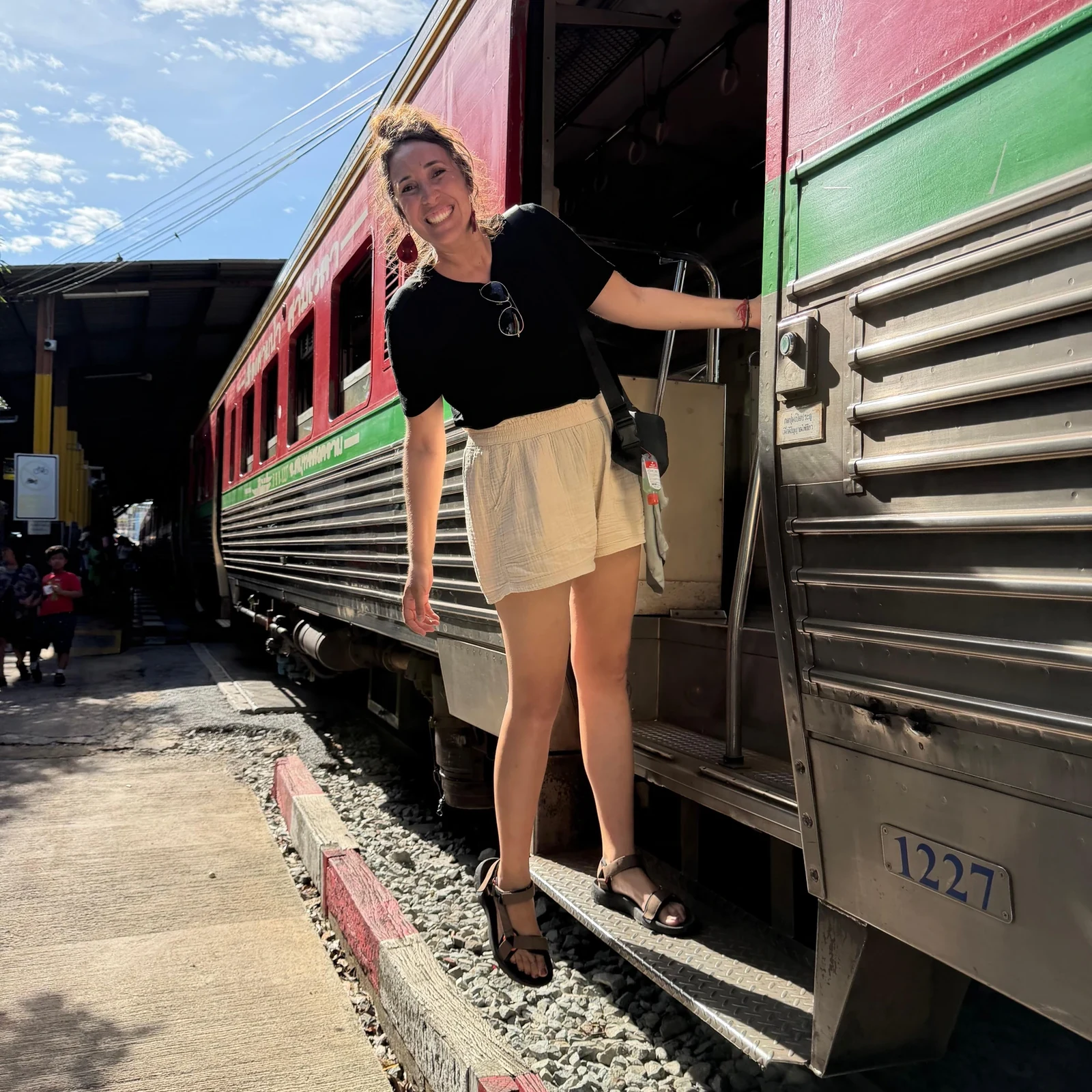
Book a Damnoen Saduak and Maeklong tour from Bangkok with guide, transport, the train market and a rowing boat ride through the floating market.