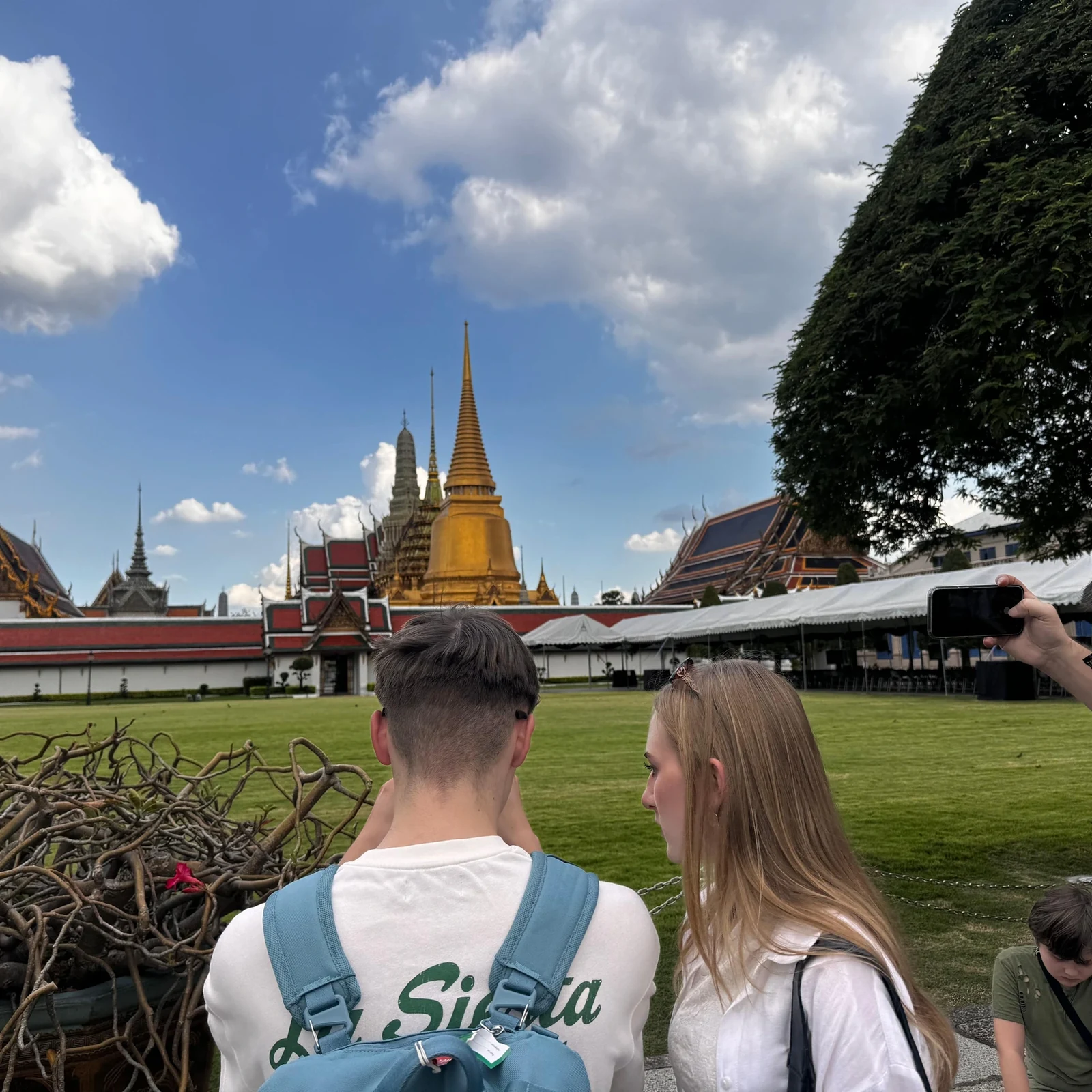
 Activity on TourBookGo
Grand Palace Wat Pho Wat Arun Bangkok tour in half a day
Book the Grand Palace Wat Pho Wat Arun Bangkok tour with an English-speaking guide, included ferry and a half-day route through must-see temples.
Bangkok cannot be conquered in two days, nor understood from the back seat of a taxi. This guide gathers the mistakes to avoid in Bangkok so you can move through the city with more rhythm, patience, and clarity.
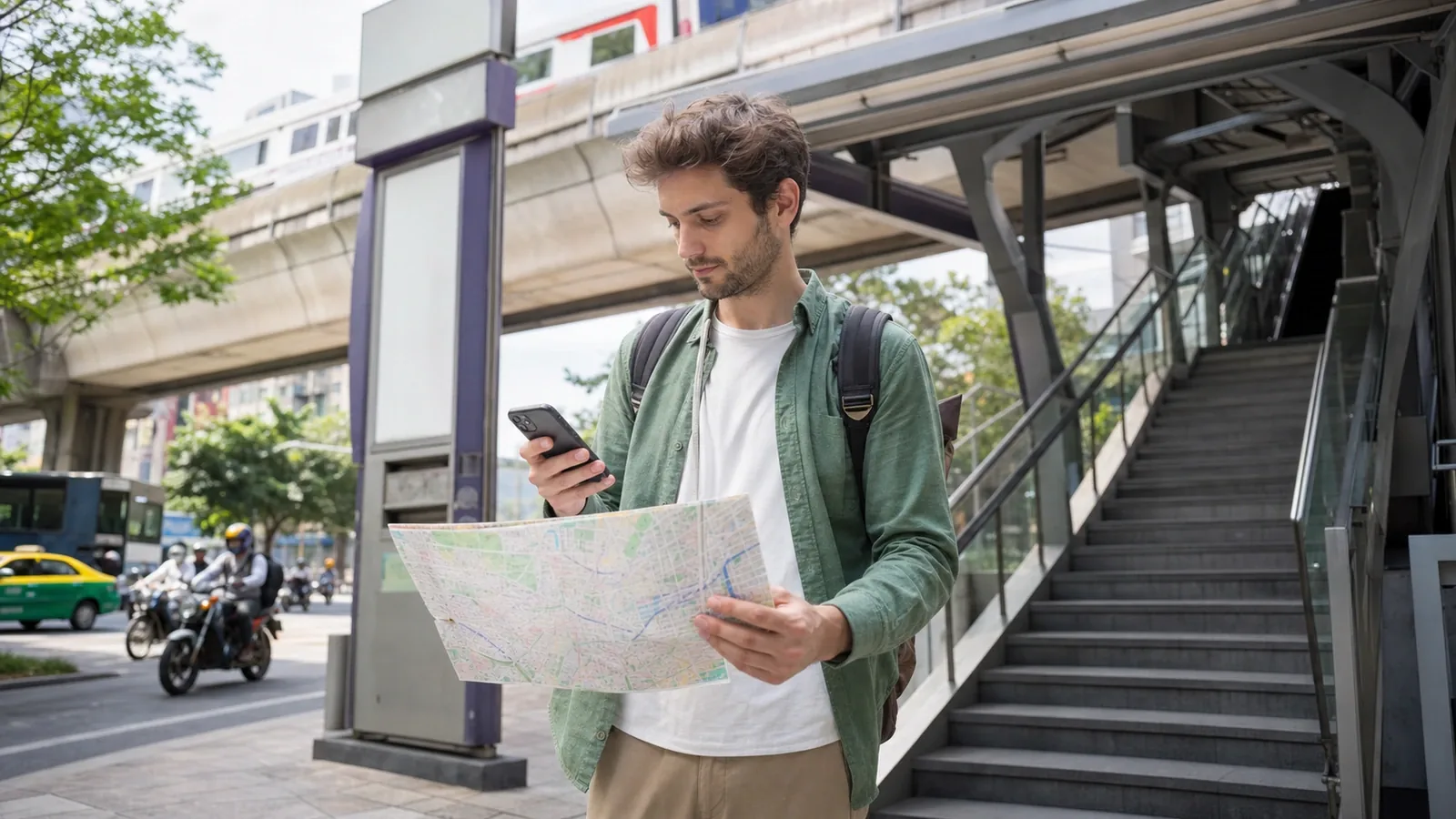
The mistakes to avoid in Bangkok usually begin with rushing. The Thai capital cannot be conquered in two days or understood from the back seat of a taxi: it is intense, humid, dazzling, sometimes chaotic, where incense mingles with motorbike fumes, golden temples sit beside ice-cold shopping malls, and a bowl of street-side soup can leave a stronger memory than a monument. Bangkok also punishes the naïve traveler. Not because it is excessively dangerous, but because it demands rhythm, patience, and a certain clarity of mind. Those expecting an easy exotic postcard may end up exhausted, scammed, or simply frustrated. These Bangkok travel tips are meant to help you look first, then decide.
Compare locations and options to find a base that suits your trip. Booking.com confirms current availability and pricing.
Find accommodation on BookingThe first mistake is trying to devour the city as if it were a checklist. The Grand Palace in the morning, Wat Pho afterward, Chinatown at midday, markets in the afternoon, a rooftop at sunset, and a massage before bed. On paper, it looks possible. In Bangkok, the heat, distances, traffic, and humidity turn it into an endurance test.
The city is best enjoyed by area. One day for the old town and the Bangkok temples. Another for Chinatown and the river. Another for Sukhumvit, Siam, or the markets. Bangkok does not need more haste; it needs pauses.
Bangkok can turn a short journey into a lost hour. Relying on taxis all the time is a fast way to wear yourself out. The BTS Skytrain and MRT are, for many visitors, the most sensible way to move around much of the city; Thai authorities note that the urban rail network has expanded across many areas and recommend planning journeys around rush hour. SAWASDEE THAILAND - THAILAND.GO.TH
Taxis can be useful at night, with luggage, or in poorly connected areas, but they should not be the center of your strategy. In Bangkok, sometimes the smartest choice is not the most comfortable form of transport, but the one that actually moves.
The Bangkok tuk-tuk has something cinematic about it: the noise, the hot air, the feeling of gliding through a city lit up from within. But around temples, hotels, and tourist areas, it can also be the start of a waste of time: suspiciously cheap rides, stops at shops, tailors, or jewelry stores, and vague promises of “special temples.”
The Tourism Authority of Thailand recommends using metered taxis from official points and avoiding guide or agency services offered by strangers in the street, in hotels, or near attractions. TAT Newsroom
A tuk-tuk can be fun for a short distance if the price is agreed before getting in. As everyday transport, it is usually less practical and more expensive than it seems.
Near the Grand Palace, Wat Pho, or famous temples, some travelers hear a classic line: “It’s closed today.” Sometimes it may be true because of a ceremony or official event; very often, it is the beginning of an alternative route toward shops where someone earns a commission.
The antidote is simple: check opening hours through official channels, ask at the actual entrance to the monument, and be wary of anyone who stops you in the street with too much confidence. Bangkok is not a city where everyone is trying to deceive you, but it is a city where a distracted tourist is easy to redirect.
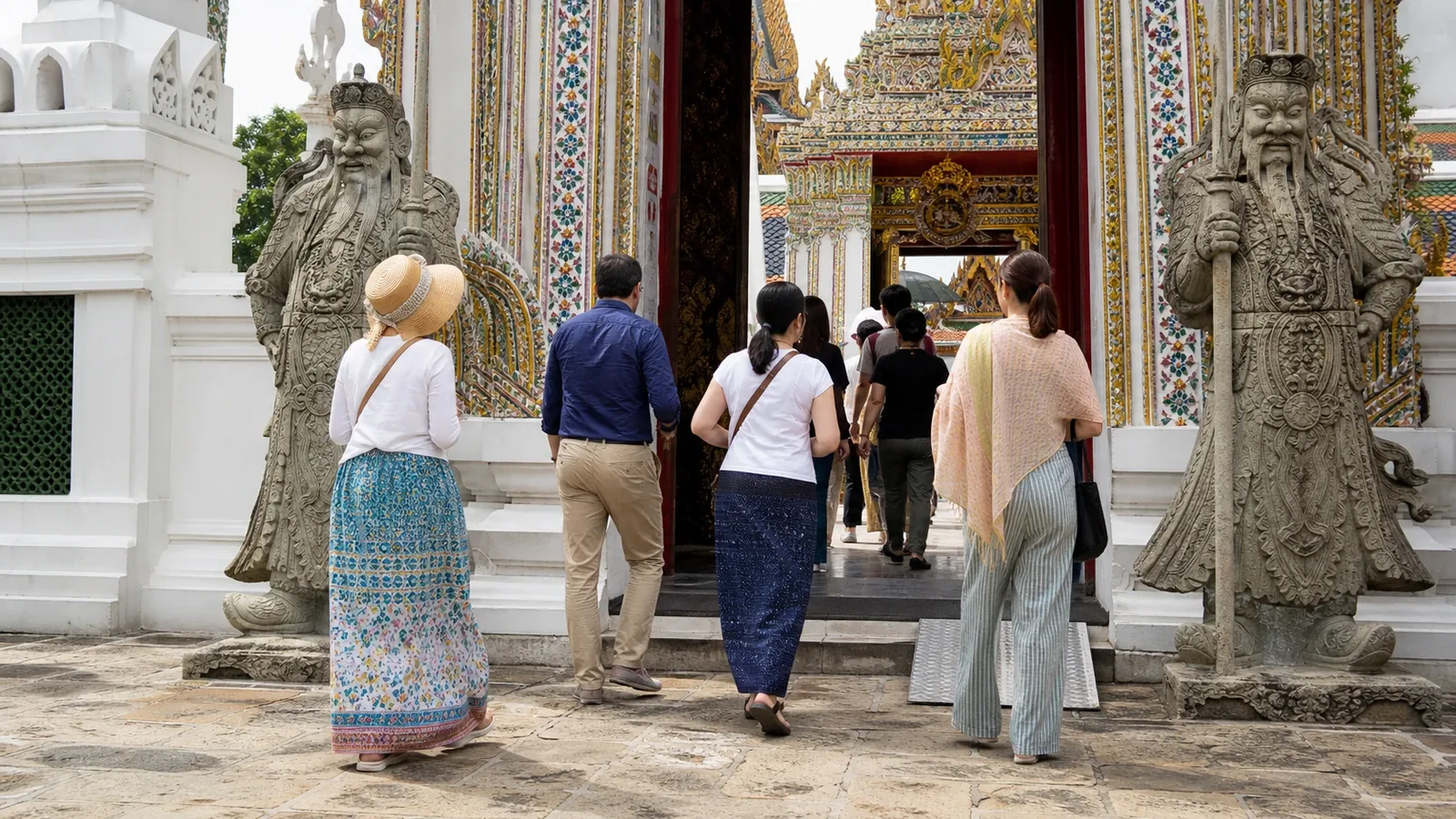
Bangkok is casual on the street, but not inside its sacred places. Entering temples with bare shoulders, clothing that is too short, or a noisy attitude may not only prevent you from getting in; it also shows a lack of sensitivity.
Temples are not backdrops for photographs. They are living spaces, with worshippers, monks, offerings, silence, and rules. Wear light but respectful clothing, cover shoulders and knees where required, remove your shoes where indicated, and avoid theatrical poses in front of religious images.
Thai friendliness does not mean endless availability. A smile helps, but it does not replace respect. In Bangkok, it is best to speak calmly, avoid raising your voice in public, and steer clear of abrupt gestures when there is a misunderstanding.
A common mistake is bargaining as if everything were a battle. In tourist markets, negotiating may be normal, but doing it aggressively feels awkward and inelegant. Ask, smile, make a polite counteroffer, and be ready to walk away if the price does not convince you.
It is also worth remembering certain cultural norms: do not touch anyone’s head, do not point with your feet, dress respectfully in temples, and give up your seat to monks, older people, pregnant women, or people with reduced mobility on public transport, a recommendation included in official guidance on transport in Bangkok. SAWASDEE THAILAND - THAILAND.GO.TH
Bangkok can be beautiful in the sun, but it can also be merciless. At midday, the heat falls over the city like a heavy sheet. Walking without shade along long avenues or stringing together temples without rest can ruin the day.
The best approach is to start early, pause during the harshest hours, and save the afternoon for neighborhoods, markets, massages, or the river. Shopping malls are not just temples of consumption: in Bangkok, they also serve as climate shelters.
Rain does not necessarily ruin a trip to Bangkok, but it does change the rhythm. Thailand has a long wet season and a cooler, drier season, according to climate information from the Tourism Authority of Thailand. Turismo Tailandés
Traveling during the rainy season can have advantages: softer light, dramatic skies, sometimes kinder prices, and a greener city. But it also demands flexibility. It is not wise to schedule every hour of the day or leave outdoor visits for the only available slot. In Bangkok, rain can be brief and violent, or it can stretch across an entire afternoon.
Bangkok has elegant restaurants, design-led bars, and rooftops with flawless views. But an essential part of the city lives in its street stalls, markets, small family-run places, and simple eateries where the aroma of the wok fills everything.
The mistake is not seeking comfort, but confusing décor with authenticity. Eat where there is turnover, where the ingredients look fresh, where you see locals, and where the dish is prepared on the spot. If you have a sensitive stomach, take it slowly. Bangkok does not demand culinary recklessness; it demands curiosity.
Staying far away may seem like a good idea if the hotel is cheap or beautiful, but Bangkok is measured in time, not only in kilometers. A poor location can turn every outing into a negotiation with traffic.
Sukhumvit works well for those who want restaurants, nightlife, and BTS connections. Siam is practical for shopping and transport. Riverside offers a more scenic, slower, more elegant Bangkok, although it is not always as well connected. The old town has charm, temples, and local life, but it can be less convenient for moving around the modern city.
There is no ideal area for everyone. There is only the area that suits the way you travel.
Bangkok has a magnetic nightlife: neon lights, music, high terraces, hidden bars, night markets, and streets that seem to wake up after dark. But not every place with lights deserves your trust.
It is wise to observe entrances, exits, crowds, ventilation, atmosphere, and prices before staying. After the deadly fire that occurred in a Bangkok pub in July 2026, local authorities promised to reinforce safety inspections, a serious reminder that fun also requires caution. Reuters
It is not about traveling in fear, but about not leaving your judgment at the door of a bar.
The Thai capital has great temples, famous markets such as Chatuchak, shopping districts, Chinatown, Indian neighborhoods, food streets, and luxury corners, as official tourism information about the city notes. Turismo Tailandés
But reducing Bangkok to that list means missing its texture. The city is also found in a quiet café beside a canal, in a boat on the Chao Phraya at sunset, in the corridors of a flower market, in a brief conversation with the person cooking your dinner, in the steam rising from a pot at seven in the morning.
Bangkok is very much worth it for curious, patient travelers; lovers of food, photography, urban contrasts, temples, and cities that do not reveal themselves immediately. It is also for those who enjoy observing everyday life more than collecting monuments.
It may disappoint anyone looking for calm, spotless cleanliness, beaches near the hotel, or an orderly and easy experience. Bangkok is fascinating, but not gentle. It is generous, but it also demands energy. It is beautiful, although sometimes in a messy, sweaty, difficult way.
The biggest mistake in Bangkok is wanting to master it. The city will not be mastered. You negotiate with it: a morning of temples, an afternoon of rain, a spicy soup, an unavoidable traffic jam, an elevated train, a kind conversation, an overcrowded market, a night view that suddenly makes everything worthwhile.
Bangkok rewards the traveler who slows down, looks before deciding, and understands that not everything valuable will be comfortable. There, between noise and gold, between fatigue and wonder, the real city appears.
Plan your visit to Bangkok more effectively with selected experiences that simplify the logistics and help you make the most of your time.
Activity on TourBookGoBook the Grand Palace Wat Pho Wat Arun Bangkok tour with an English-speaking guide, included ferry and a half-day route through must-see temples.
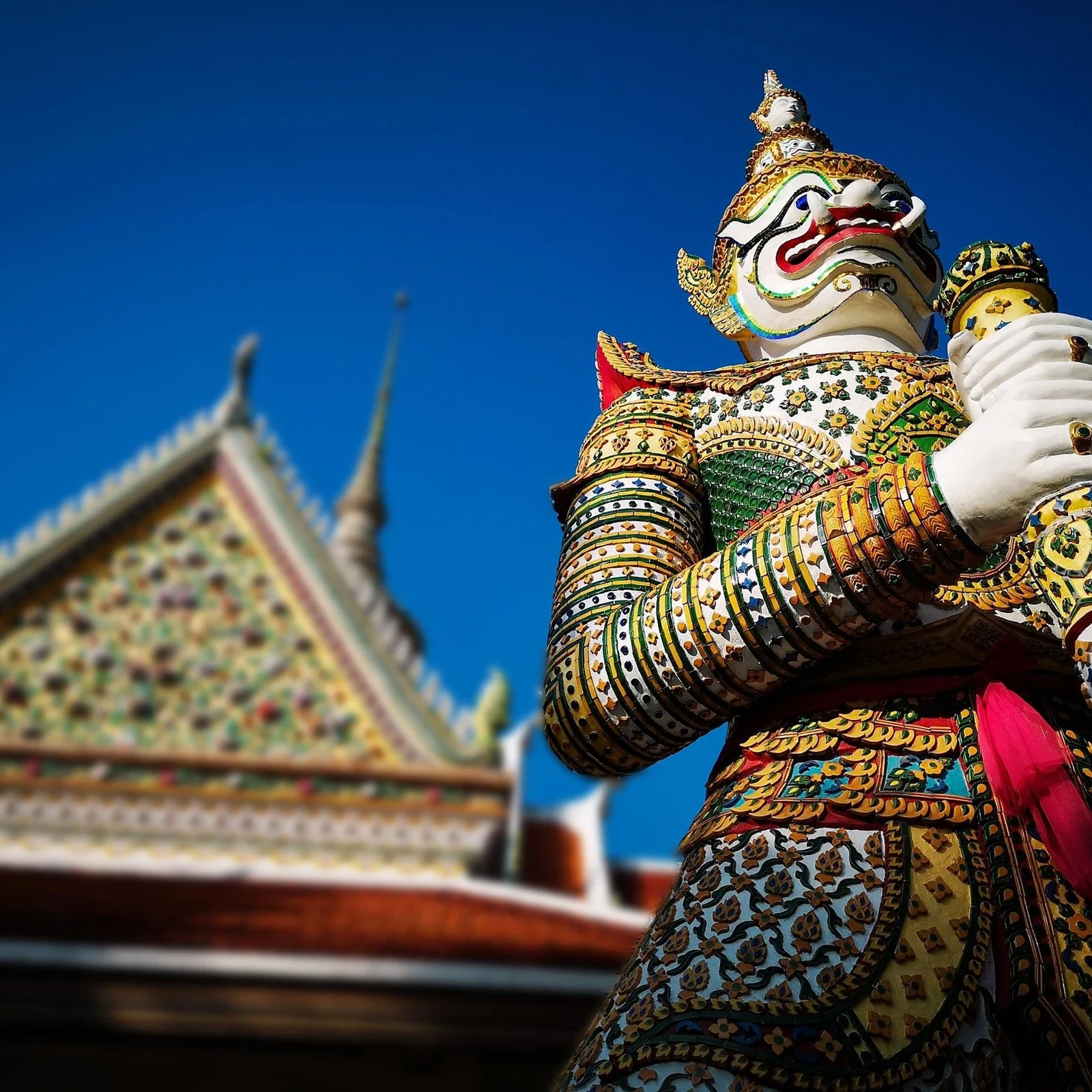 Activity on TourBookGo
Book a Grand Palace Wat Pho Wat Arun Bangkok tour with an English-speaking guide, boat transfer, Wat Arun ferry and a stop at the Flower Market.
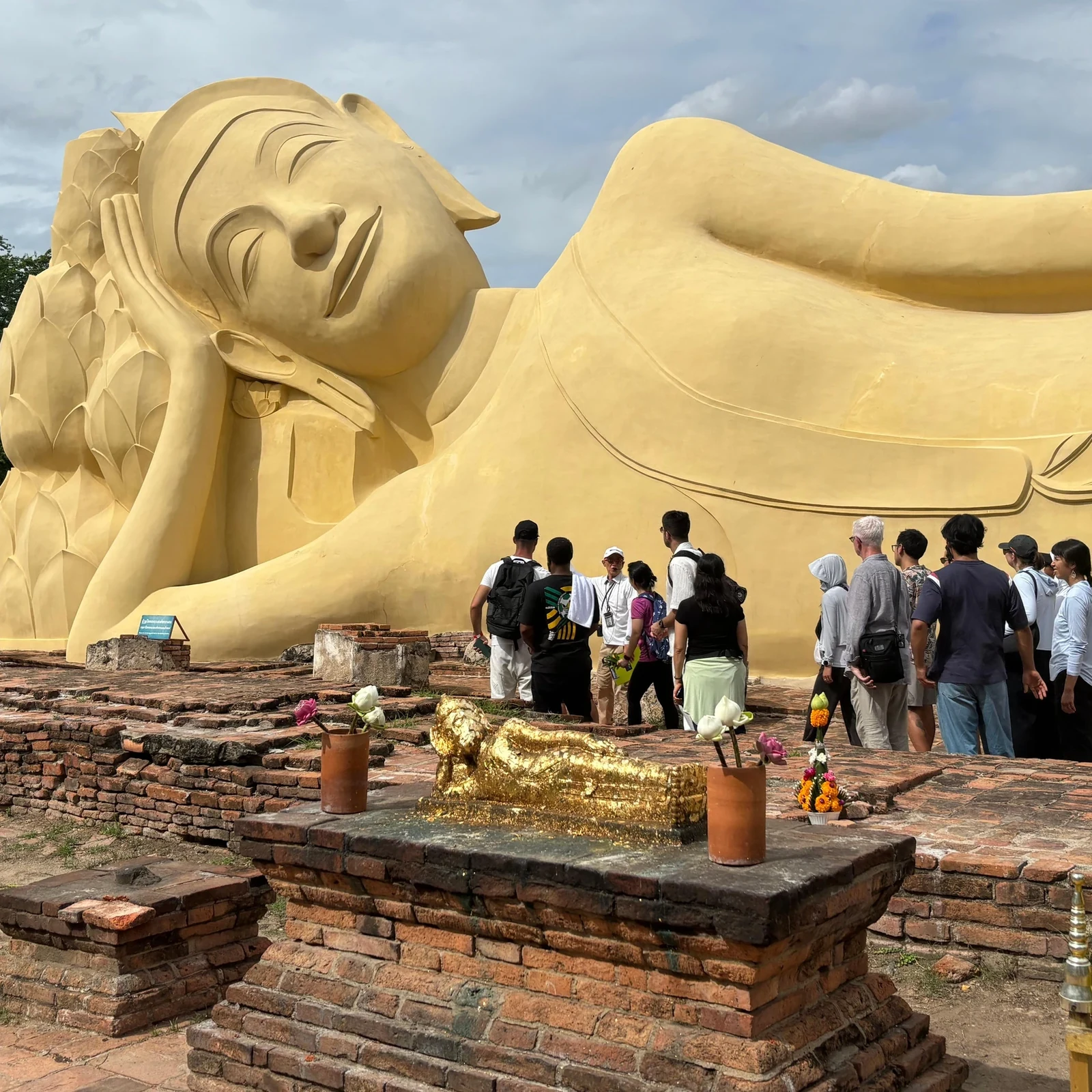 Activity on TourBookGo
Book an Ayutthaya tour from Bangkok with a guide, transport, four historic temples and an optional buffet lunch on this organised 7-hour trip.