 Activity on TourBookGo
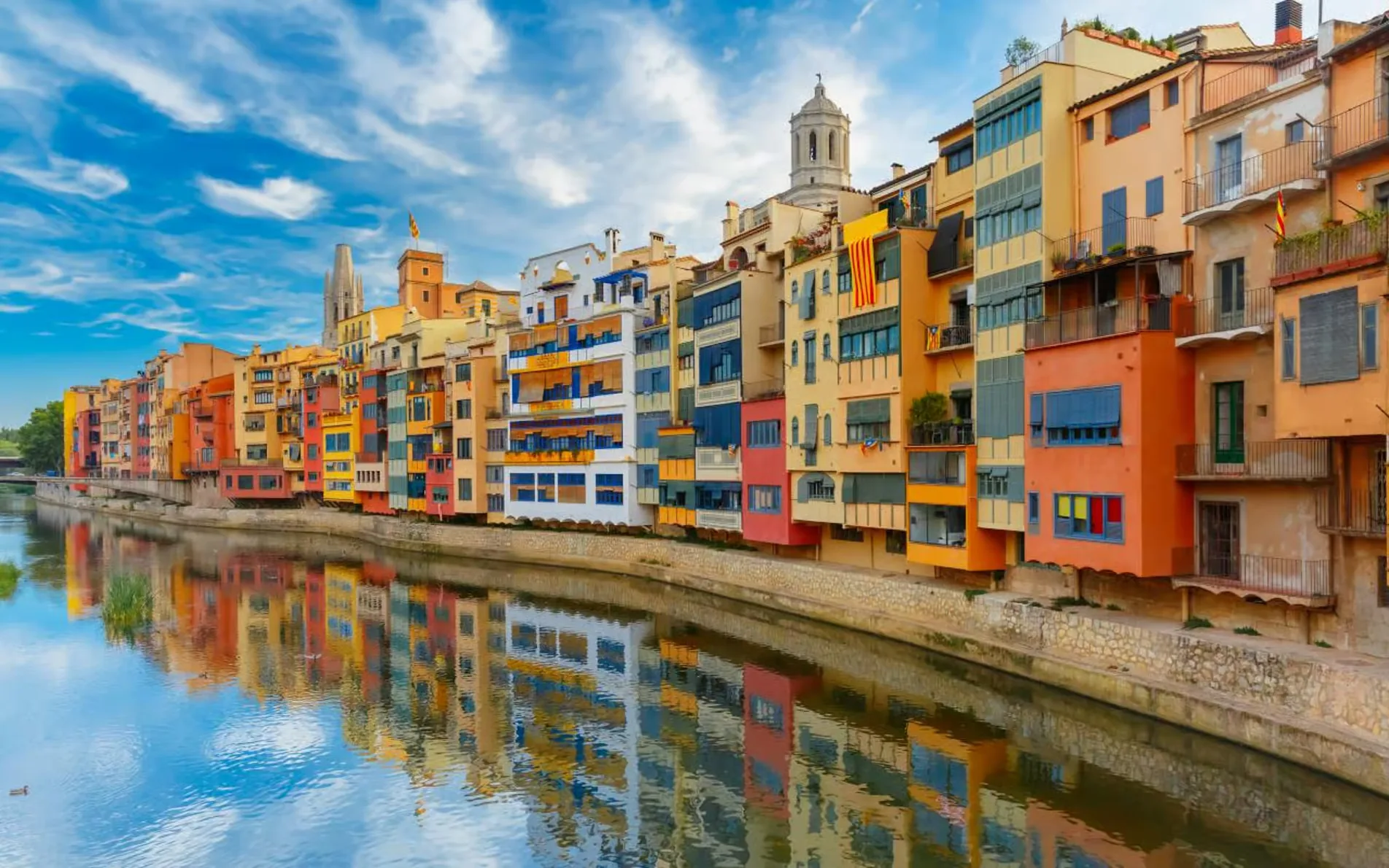
From Barcelona: Girona, Figueres, Dalí Museum and Cadaqués
11-hour day trip from Barcelona to Girona, Figueres, the Dalí Theatre-Museum and Cadaqués with English and Spanish guide, coach transport and free time.
Barcelona is best understood on foot, but best enjoyed by combining walking, the metro and a little patience. Knowing the smartest way of getting around Barcelona helps you avoid awkward routes, unnecessary transfers and the temptation to rent a car when you do not need one. The city centre is compact, bright and dense, with neighbourhoods that seem to blend into one another and, at the same time, distances that can be deceptive: from El Born to Barceloneta, you can almost wander without looking at a map; from the Sagrada Família to Park Güell, however, the uphill streets and long avenues can turn a romantic stroll into a small test of endurance.
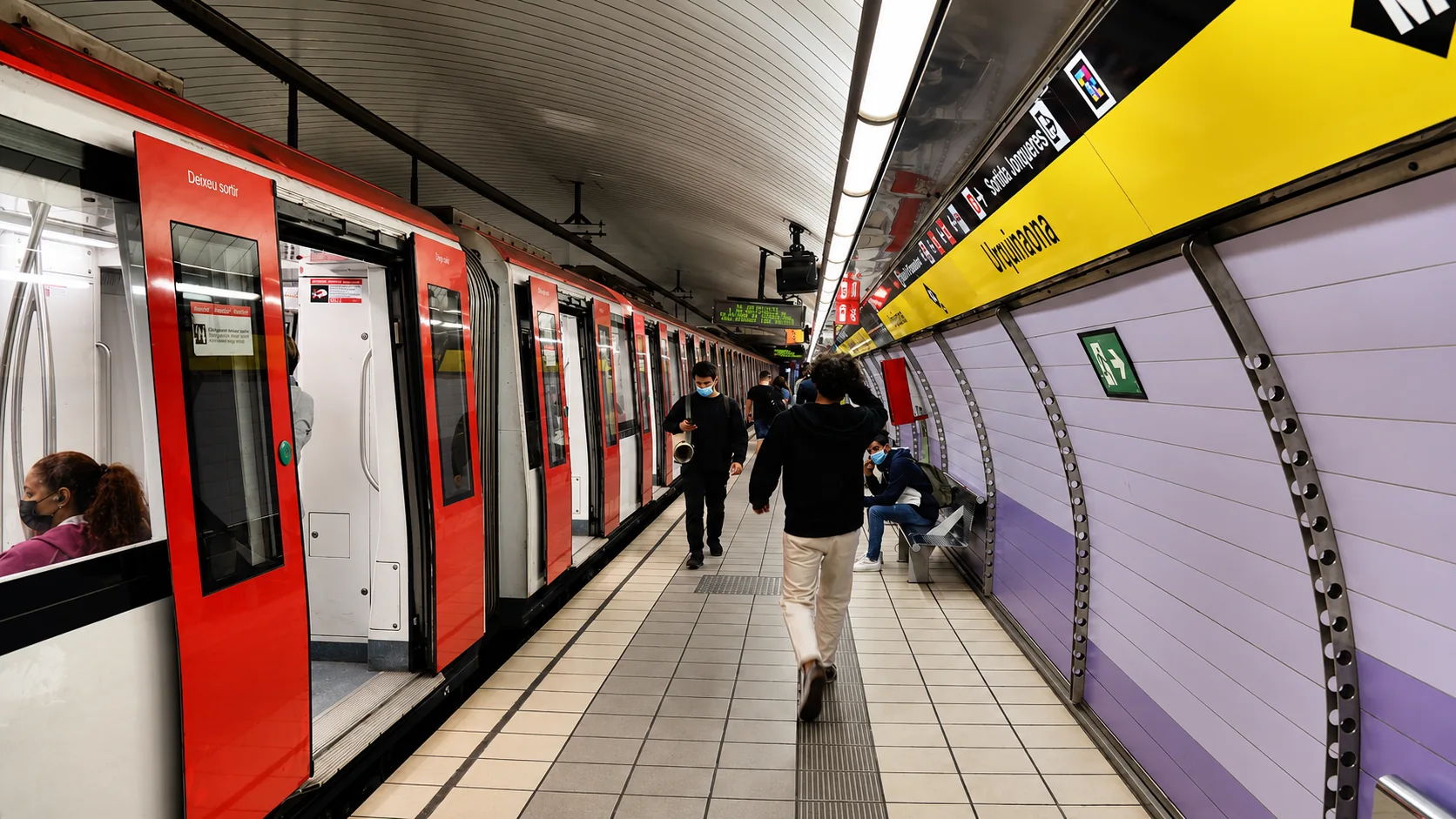
The best way of getting around Barcelona is usually a smart mix of walking, the metro, public transport and the occasional taxi. A car rarely pays off inside the city, while the Aerobús, train, L9 Sud metro line and passes such as the Hola Barcelona Travel Card can make airport transfers and daily journeys much easier.
Compare locations and options to find a base that suits your trip. Booking.com confirms current availability and pricing.
Find accommodation on BookingFor visiting the city of Barcelona itself, renting a car is not worth it in most cases. Traffic can be slow, parking is often expensive and many central areas are awkward to drive around. On top of that, the city is within a low-emissions zone: foreign vehicles must be registered before entering the metropolitan LEZ, and approval can take up to 15 working days.
A car only makes sense if you are planning to travel outside the city: the Costa Brava, Montserrat, Priorat, inland villages or several coves in just a few days. Even then, the easiest option is usually to rent one only for the days you are taking excursions, rather than keeping it overnight in Barcelona.
The Barcelona metro is your best ally. It is fast, relatively easy to understand and connects most tourist areas well: Eixample, Gràcia, Sagrada Família, Passeig de Gràcia, Sants, Poblenou, Paral·lel and the university district. Standard operating hours are generous: from Monday to Thursday and on weekday public holidays, it runs from 5:00 a.m. to midnight; on Fridays until 2:00 a.m.; on Saturdays it runs continuously through the night; and on Sundays it finishes at midnight.
For a tourist trip, it is worth considering transport cards depending on how many journeys you plan to make. The Hola Barcelona Travel Card allows unlimited travel for 24, 48, 72, 96 or 120 hours and includes the metro, TMB buses, NitBus, the Montjuïc funicular, FGC zone 1, TRAM and Rodalies zone 1; the Montjuïc cable car is not included.
The Barcelona Aerobús is the simplest option if you are staying near Plaça Catalunya, Universitat, Sepúlveda or Plaça Espanya. It runs 24 hours a day, every day of the year, with the A1 line serving Terminal 1 and the A2 line serving Terminal 2. The journey usually takes between 30 and 35 minutes, depending on traffic.
Metro line L9 Sud connects Barcelona airport with the metro network, but it does not go directly to Plaça Catalunya or the Gothic Quarter. It is useful if you are staying in areas such as Fira, Collblanc or Zona Universitària, or if you do not mind changing lines. A single metro ticket to the airport has a special fare: in 2026 it costs €5.90.
The R2 Nord train is practical if you arrive at Terminal 2 or can get there, and you need to travel to Sants, Passeig de Gràcia or Estació de França. On the airport section, its weekday frequency is one train every 30 minutes.
Yes, and that is one of Barcelona’s great pleasures. The Gothic Quarter, El Born, La Rambla, El Raval, Barceloneta, Sant Antoni and part of Eixample are wonderful to explore on foot. Walking lets you discover Modernista façades, courtyards, bakeries, markets, bookshops and that mix of shade and sunlight that changes from one street to the next.
But it is best not to romanticise it too much. In summer, with the heat and humidity, too much walking can be tiring. Park Güell, Montjuïc, Tibidabo and some upper parts of Gràcia have steep slopes. For those journeys, it is better to combine the metro, bus or taxi.
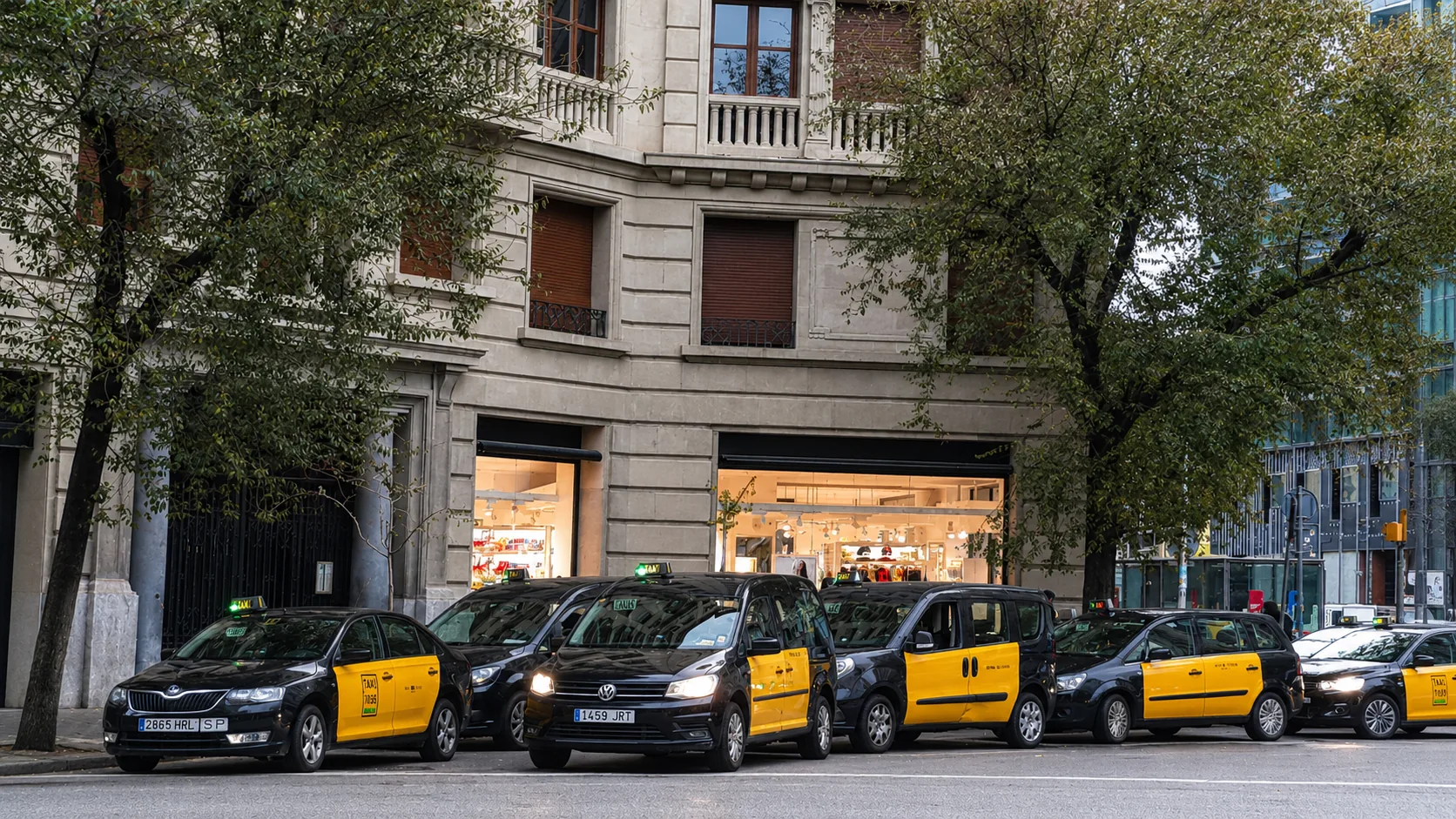
Taxis in Barcelona are a good solution for late-night arrivals, families with luggage, people with reduced mobility or journeys involving awkward transfers. From the airport, there is a minimum charge of €21 for trips starting there, including supplements.
To get around the centre, the metro will often be faster than a taxi, especially during rush hour or near the Sagrada Família, Passeig de Gràcia, the beach and major events. At night, taxis are more comfortable, although on weekends there may be waits in nightlife areas.
Parking on the street in Barcelona can be difficult and is rarely advisable for tourists. There are regulated zones, restrictions, underground car parks and streets where one bad decision can end in a fine or a tow. If you arrive by car, the most sensible option is to book a hotel with parking or leave it in a secure car park and forget about it during your stay.
In neighbourhoods such as the Gothic Quarter, El Born, Gràcia and Barceloneta, having a car is especially inconvenient. In Eixample there are more car parks, but also more traffic. The city is increasingly designed for walking, cycling and using public transport.
Barcelona is not huge, but some places are farther apart than they seem. As a cautious reference, from Plaça Catalunya you can reach the Sagrada Família by metro in around 10–15 minutes if the connection works well; for Park Güell, it is usually wise to allow 25–40 minutes including transport and the final walk; for Montjuïc, depending on the exact area, between 20 and 40 minutes; and for Barceloneta beach, around 20–30 minutes on foot from the Gothic Quarter, or less if you combine the metro with a short walk.
For Camp Nou, when the area is operating according to the sports and construction schedule, the usual approach is to head towards Collblanc or Les Corts. For Tibidabo, you need to allow more time: it is in the upper part of the city and is not visited as spontaneously as El Born or Casa Batlló.
Do not organise Barcelona as a checklist of isolated monuments. Group your visits by area: one day for the Gothic Quarter, El Born and Barceloneta; another for Passeig de Gràcia, Eixample and the Sagrada Família; another for Montjuïc or Gràcia with Park Güell. That way, you will spend less time underground and feel more of the city.
Avoid holding your phone distractedly on the metro or in very crowded areas. There is no need to travel in fear, but you do need to pay attention. In stations, on beaches, at terraces and in busy streets, the city demands the same caution as any major tourist capital.
Barcelona moves with a Mediterranean rhythm, but also with urban intensity. The best plan is to walk when the city invites you to, take the metro when distances stretch out and leave the car out of the equation unless your trip looks beyond the city. Then Barcelona stops being a maze and becomes something much more welcoming: a city that opens up by neighbourhood, by metro line, by shady corner and by walks that never unfold the same way twice.
Compare rental prices for day trips outside the city.
Compare rental carsComplete this transport guide with experiences in Barcelona that fit easily into your journeys and routes around the city.
Activity on TourBookGo11-hour day trip from Barcelona to Girona, Figueres, the Dalí Theatre-Museum and Cadaqués with English and Spanish guide, coach transport and free time.
 Activity on TourBookGo
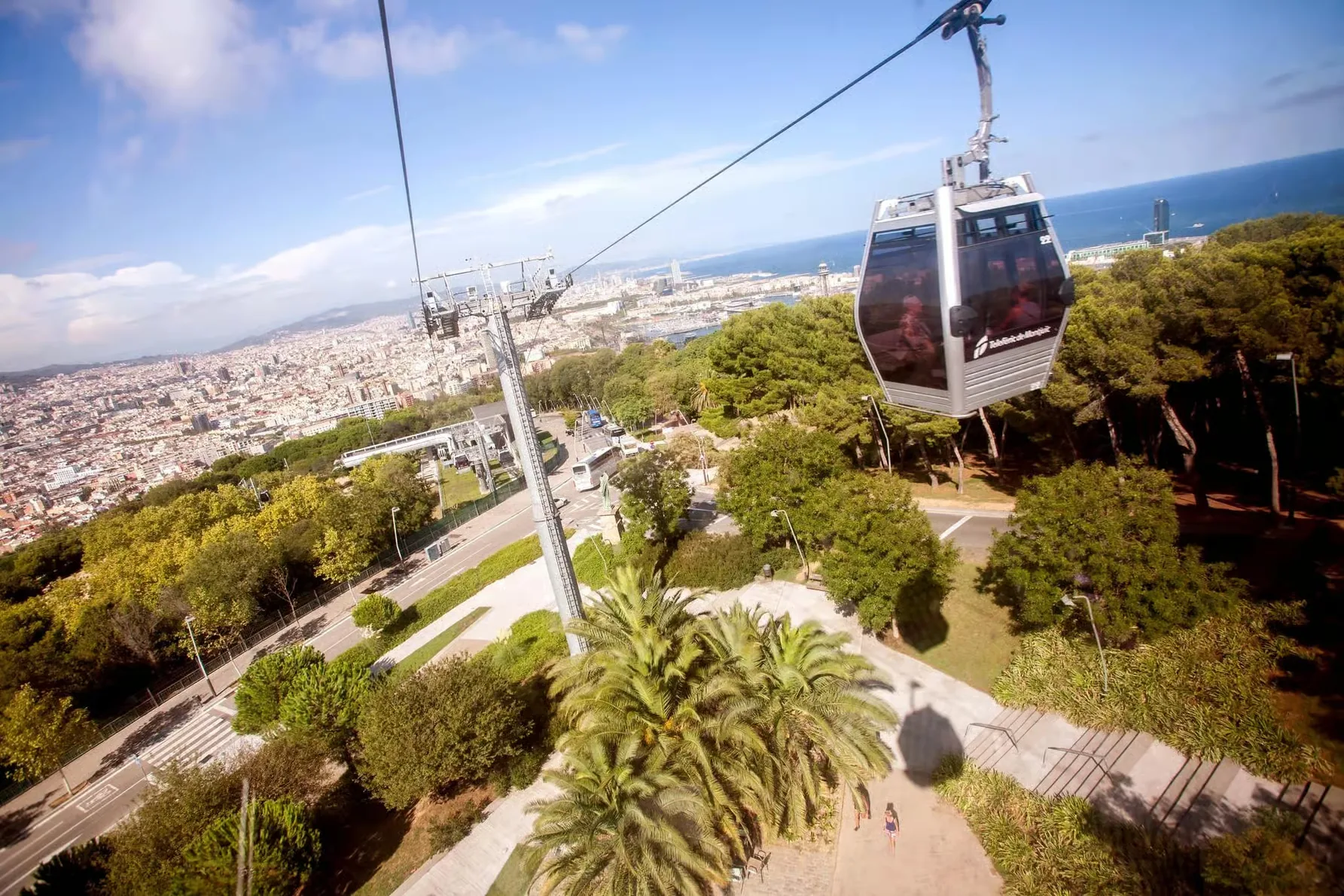
Book a round-trip ticket for the Montjuïc Cable Car in Barcelona and enjoy panoramic views of the city, coastline and Mediterranean Sea.
 Activity on TourBookGo
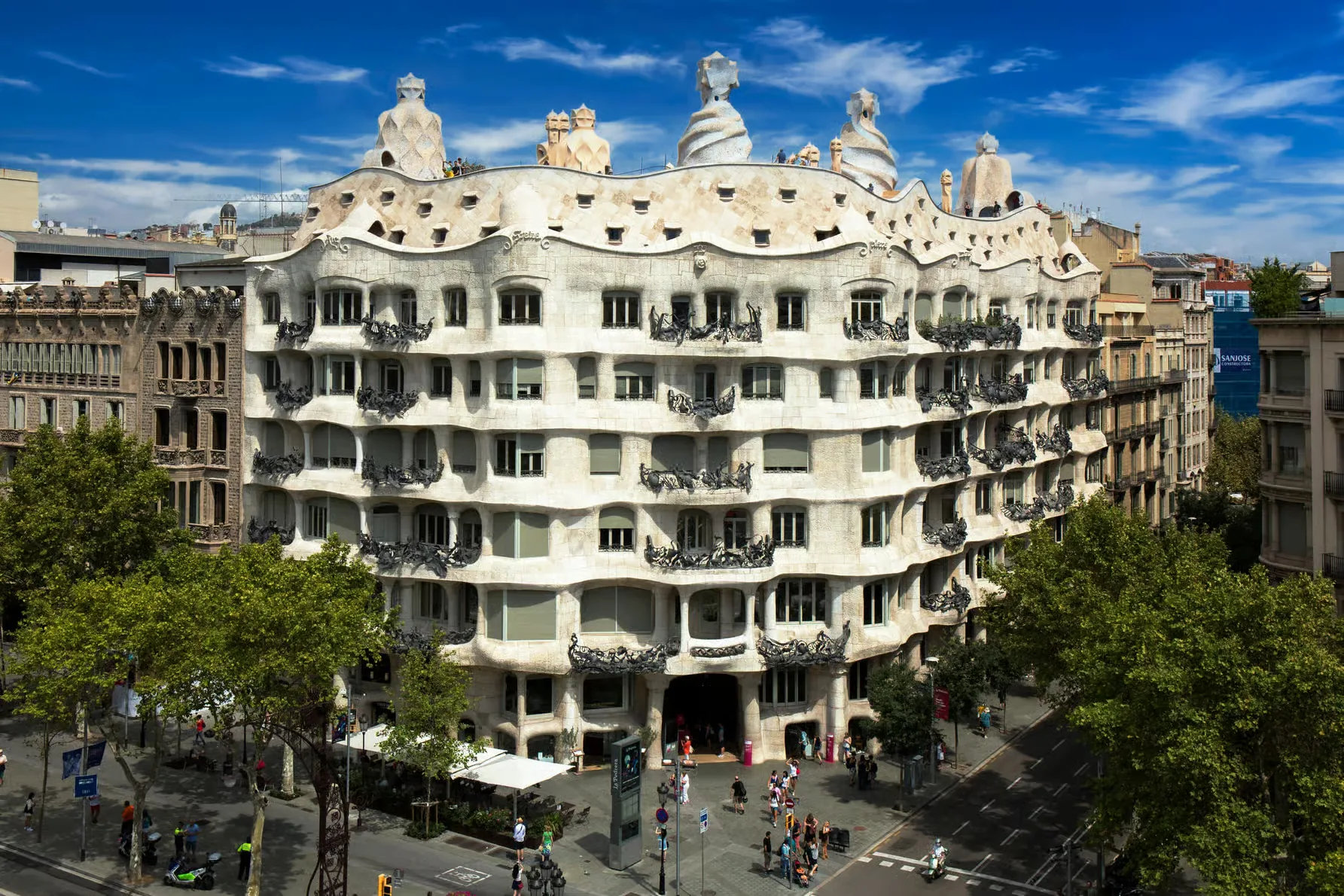
Book your La Pedrera Barcelona ticket with skip-the-line entry, Casa Milà audio guide, rooftop, attic, Espai Gaudí exhibition and free cancellation up to 24 h before.