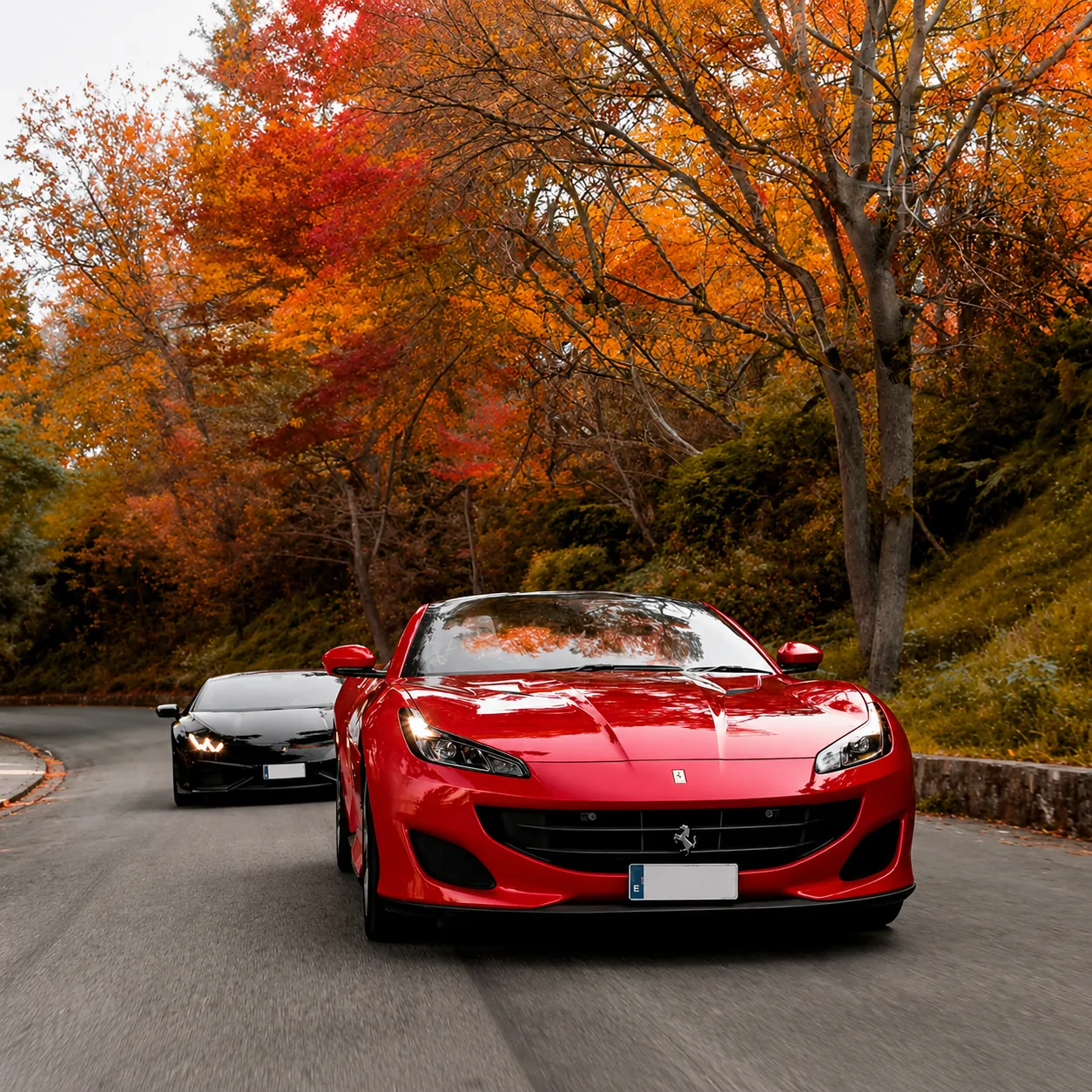
 Activity on TourBookGo
Supercar driving tour Barcelona on the Montjuïc F1 circuit
Book a 40-minute supercar driving tour Barcelona through Montjuïc, the former F1 street circuit, with a professional instructor and car choice.
Barcelona conceals pitfalls that can ruin your trip. Learn the mistakes to avoid in Barcelona and enjoy an authentic, safe and memorable experience.
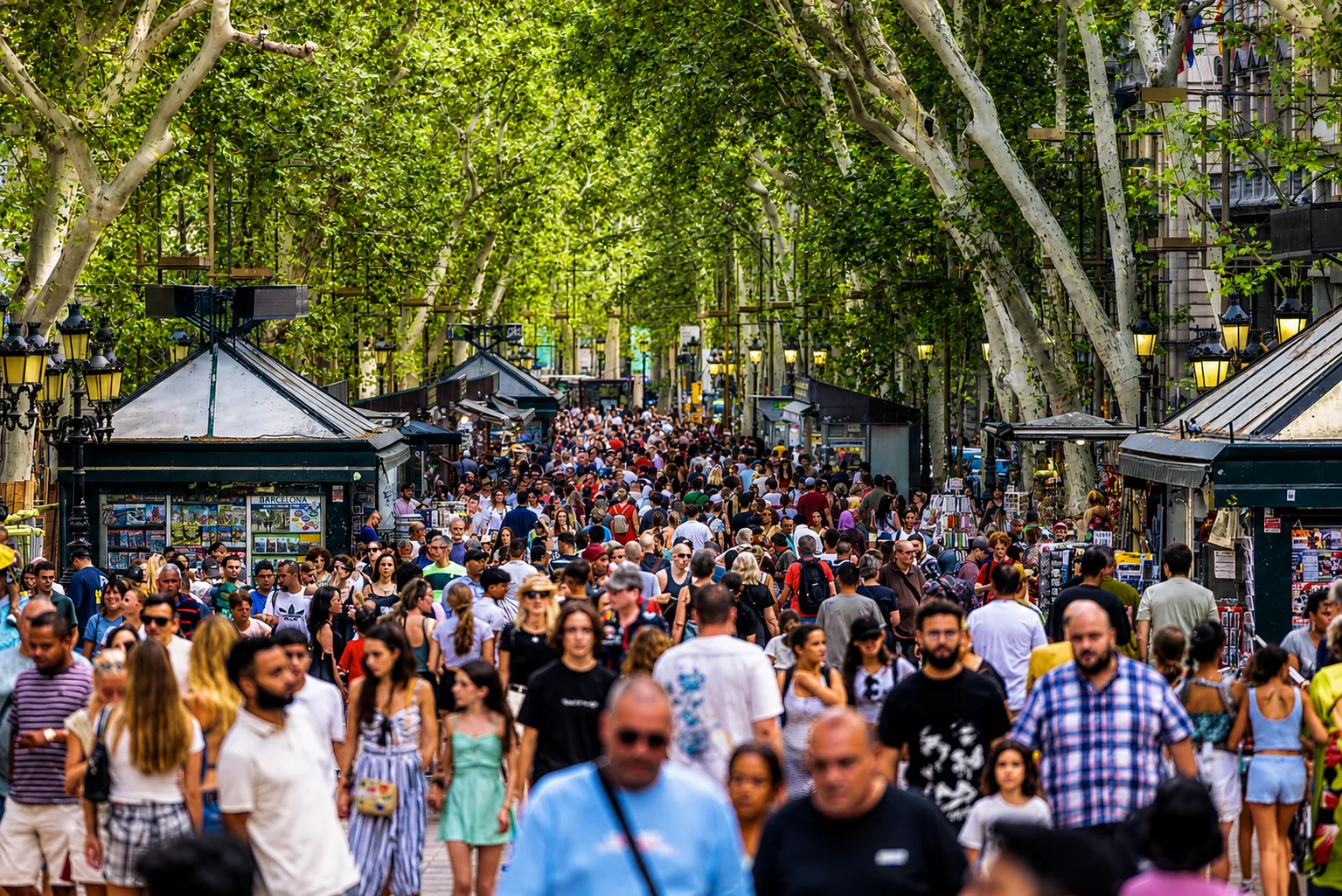
The mistakes to avoid in Barcelona start before you even arrive. Gaudí's Modernisme, the Mediterranean light, the murmur of the Ramblas and the scent of the sea at Barceloneta forge a first impression that lingers long after you leave. Yet behind that glittering façade, the city conceals pitfalls that can turn a promising stay into a frustrating ordeal. This is not about fear: it is about knowing what you are walking into so you can make better choices. These are the mistakes that separate a memorable journey from one you would rather forget.
Compare locations and options to find a base that suits your trip. Booking.com confirms current availability and pricing.
Find accommodation on BookingThe most frequent error is trying to see everything without a plan. Barcelona is vast, far more so than any map suggests. Crossing the city from end to end can swallow an entire hour you might have spent actually enjoying yourself. The solution is simple but demands discipline: group your visits by neighbourhood. Devote one morning to the Modernisme corridor — Sagrada Família, Casa Batlló, La Pedrera — an afternoon to Ciutat Vella, and another day to Montjuïc or the Gràcia district. You will save hours of transport and a considerable amount of energy.
Another common slip is failing to book tickets in advance. The Sagrada Família, Park Güell and the principal museums routinely reach capacity days — sometimes weeks — ahead. Arriving without a reservation is a guaranteed disappointment. Purchase your tickets through official platforms or directly from each monument's website. Steer clear of unauthorised touts: you not only pay over the odds, but expose your data to unnecessary risk.
One of the costliest misjudgements — in every sense — is remaining exclusively in the tourist-heavy zones. The Ramblas, the Gothic Quarter and Barceloneta have their charm, but they represent only one facet of Barcelona. If you never step beyond that circuit, you will miss the authentic neighbourhood life: the squares of Gràcia where elderly residents play cards beneath the plane trees, Poblenou with its street-art galleries and industrial spirit reborn as creativity, or Sants, where old-fashioned shops and trades endure with quiet dignity.
Eating beside the major attractions is another mistake that punishes both wallet and palate. Restaurants with menus translated into six languages and oversized photographs of the dishes typically serve frozen paella at prices that defy justification. Walk three or four blocks away from the monuments and look for places where the clientele is predominantly local. The neighbourhood markets — not just the Boqueria — are excellent guides: the Mercat de la Concepció in Eixample or the Mercat de la Llibertat in Gràcia offer fresh produce and genuine atmosphere.
Barcelona's public transport is efficient, but choosing the wrong fare can inflate your journeys considerably. The multi-day travel card usually pays for itself if you are moving around frequently, and includes the airport transfer. Taking a taxi from the airport is one of the most unnecessary expenses with which you can begin your trip.
In recent years, digital accommodation scams have proliferated. Documented cases show dozens of tourists arriving at central hotels — particularly around the Ramblas area — only to discover that their bookings do not exist, despite having been charged. Cyberattacks on reservation platforms and hotel profile impersonation are real phenomena. To protect yourself, confirm directly with the establishment before travelling, keep all payment receipts, and be wary of offers that seem excessively advantageous.
Avoid booking accommodation in exclusively tourist zones if you seek a more authentic experience. The neighbourhoods of Gràcia, Eixample Esquerra or even parts of Poblenou offer better value for money, greater tranquillity and a more genuine connection with the city's everyday life.
Barcelona is not Spain in the homogeneous sense that many tourists assume. It is the capital of Catalonia, a nation with its own identity, its own language and a history that explains much of what you see — and what you feel — as you walk its streets. Ignoring this reality is not merely a cultural faux pas: it can create unnecessary friction.
Addressing a local in Spanish is not a problem: the overwhelming majority understand and speak it. But showing an interest in Catalan culture makes an enormous difference. A warm, sincere "bon dia" or "gràcies" opens doors that a mechanical "hola" never will. Avoid simplistic comparisons between Catalonia and the rest of Spain, and do not treat Catalan as a mere variant or something secondary: for many Barcelonans, it is the language of their daily lives.
Social life in Barcelona follows its own rhythms. Dinner is typically late, especially in summer when the heat pushes mealtimes back. On Sundays many shops close or operate reduced hours. And the siesta as a public institution does not exist in the city: everything carries on at full tilt after midday.
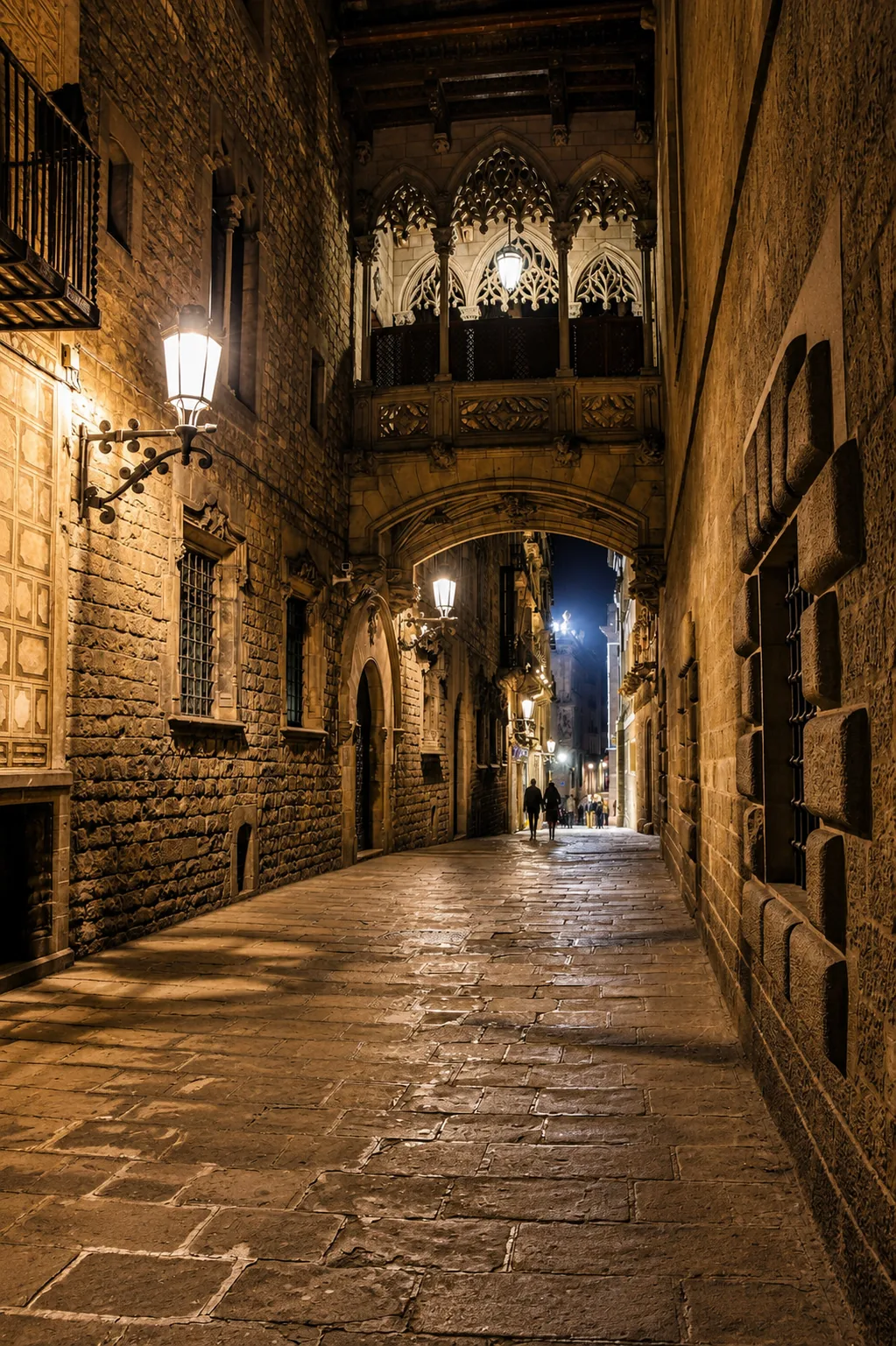
Summer in Barcelona is a double-edged sword. The Mediterranean climate can be relentless in July and August: the central hours of the day — between eleven and five — turn the streets into an oven that exhausts you before you have begun to enjoy yourself. If you travel at this time of year, schedule outdoor visits for early morning or sunset, when the golden light bathing the Modernista buildings is nothing short of spectacular. Reserve midday for museums, air-conditioned interiors, or a long, leisurely lunch in the shade.
The high season — Easter, the May bank holiday, July, August and the Festes de la Mercè in late September — means queues, higher prices and a density of visitors that makes it difficult to enjoy spaces with any sense of calm. Barcelona receives millions of visitors annually, and overtourism is a reality that the city suffers acutely in the historic centre. The most saturated neighbourhoods reach a point of saturation that affects the visitor's own experience.
The months from October to November and February to March offer mild weather, fewer crowds, more reasonable prices and a city that breathes naturally. December has its festive charm, although it coincides with bank holidays that bring a fresh wave of visitors. Easter is another date to approach with caution: many locals leave the city, but tourists arrive in droves.
The Ramblas are, by their very nature, Barcelona's most famous tourist trap. Prices at the terrace bars along this avenue can double or triple what you would pay two streets away. Coca-Colas costing the equivalent of a full menú del día in any working-class neighbourhood, plates of frozen paella presented as traditional cuisine, waiters who charge before serving to ensure you do not flee when the bill arrives: all of this is real and happens every day. The advice is not to avoid the Ramblas — they are part of the city's history — but not to spend money on them.
The shell game still operates along the Rambla despite municipal efforts. Posters and patrols try to deter players, but the organised groups relocate swiftly. Do not approach, do not watch out of curiosity, do not be fooled by accomplices who pretend to win in order to lure you in. It is not a game: it is an organised and highly lucrative scam.
Pickpockets —thieves who exploit crowds to lift items from bags and rucksacks— are particularly active on the metro, in the busiest parts of the historic centre and on the beaches. According to municipal data, approximately 2.5% of tourists report being the victim of some crime during their stay, with the Ramblas as the principal setting for these incidents. Keep your bag in front of you in crowded spaces, never leave a rucksack on your back when entering the metro, and on the beach keep an eye on your belongings when you swim.
Understanding Barcelonans requires leaving certain stereotypes behind. They are not hostile, but neither are they extroverted in the Mediterranean manner that many visitors expect. Their manner is direct, pragmatic and can seem brusque if you come from cultures where friendliness is expressed with greater warmth. Do not take it as rudeness: it is simply their way of being.
**Basic social norms**
In small shops, greeting the owner on entry is all but obligatory. A "hola" or "bon dia" as you cross the threshold marks the difference between being seen as a customer and being seen as an intruder. In residential lift lobbies, greeting neighbours is the norm. In bars, if you order a coffee with a bite to eat, the natural place to do so is at the counter; tables are generally reserved for more substantial meals. And in restaurants, do not expect rapid service: a meal is a social ritual and the waiter will not pressure you to vacate your table.
**Situations to avoid**
Barcelonans are pragmatic people and, broadly speaking, tolerant of tourism. But the saturation of the centre has generated genuine tensions. Shouting in groups through the streets of the Gothic Quarter at three in the morning, wearing only swimwear once you have left the beach, or treating the city as a theme park where anything goes because "you are a tourist" provokes legitimate resentment. The streets where families live are not extensions of your hotel.
**Scams and common situations**
Beyond the shell game, other forms of deception exist. People who approach you warmly to sell bracelets or ask you to sign petitions for fictitious NGOs — a distraction tactic while an accomplice rifles through your bag — are frequent around the Sagrada Família and the Ramblas. Be suspicious of anyone who approaches too quickly with an excessive smile. It is not cynicism: it is acquired caution.
In some bars in tourist areas, practices such as charging extortionate cover fees, including service charges automatically without informing you, or presenting menus with different prices depending on the language are known to occur. Always check your bill before paying and do not hesitate to ask if something does not add up.
**Tips for respectful interaction**
Learning five phrases in Catalan — good morning, thank you, please, goodbye, sorry — opens more doors than you might imagine. Not because Barcelonans do not understand Spanish, but because it demonstrates that you recognise you are in their home, not on a generic stage. Respect the silence on public transport: the Barcelona metro is not the place for loud conversation. And if a local gently corrects you on some norm — where to dispose of rubbish, how the recycling bins work, why you cannot sit where you have sat — accept it naturally. It is not an attack: it is information.
Barcelona is not a destination for the passive tourist who expects everything to be served up on a plate. It is a complex, dense, sometimes contradictory city, with an undeniable beauty and real problems that you cannot ignore if you walk with your eyes open. The traveller who plans ahead, who respects local rhythms, who ventures beyond the obvious circuits and who understands that behind every monument there is a community trying to live its daily life, will find a generous and memorable city.
The visitor who arrives with a theme-park mentality — anything goes, everything is for me, everything is cheap — will leave with a bitter and very expensive lesson. The choice is yours. Barcelona made its own long ago.
Compare prices and book your rental car at the best price.
Compare rental carsPlan your visit to Barcelona more effectively with selected experiences that simplify the logistics and help you make the most of your time.
Activity on TourBookGoBook a 40-minute supercar driving tour Barcelona through Montjuïc, the former F1 street circuit, with a professional instructor and car choice.
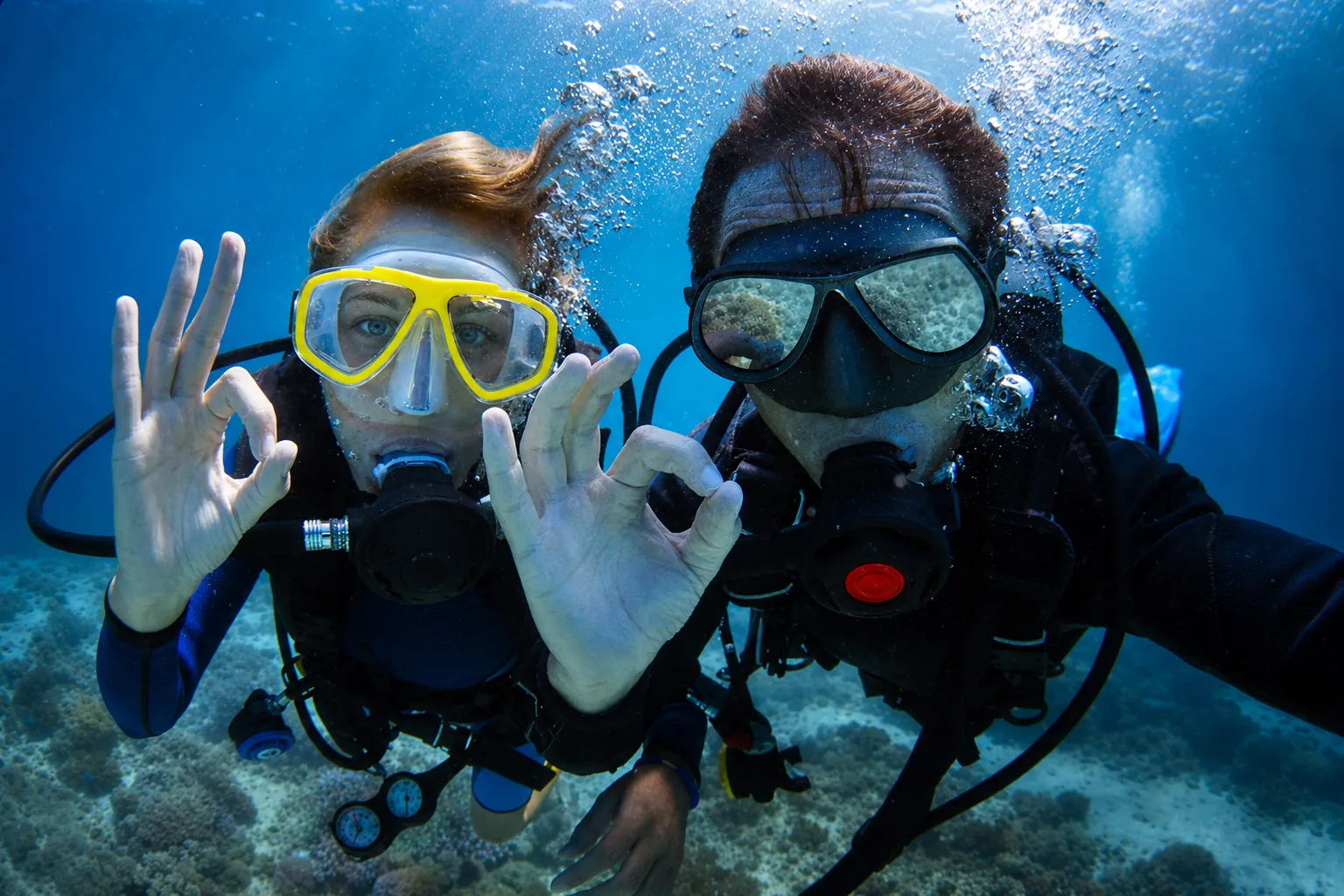 Activity on TourBookGo
Book Discover Scuba Diving in Barcelona with a PADI instructor, small group, included gear, photos or videos and flexible cancellation.
 Activity on TourBookGo
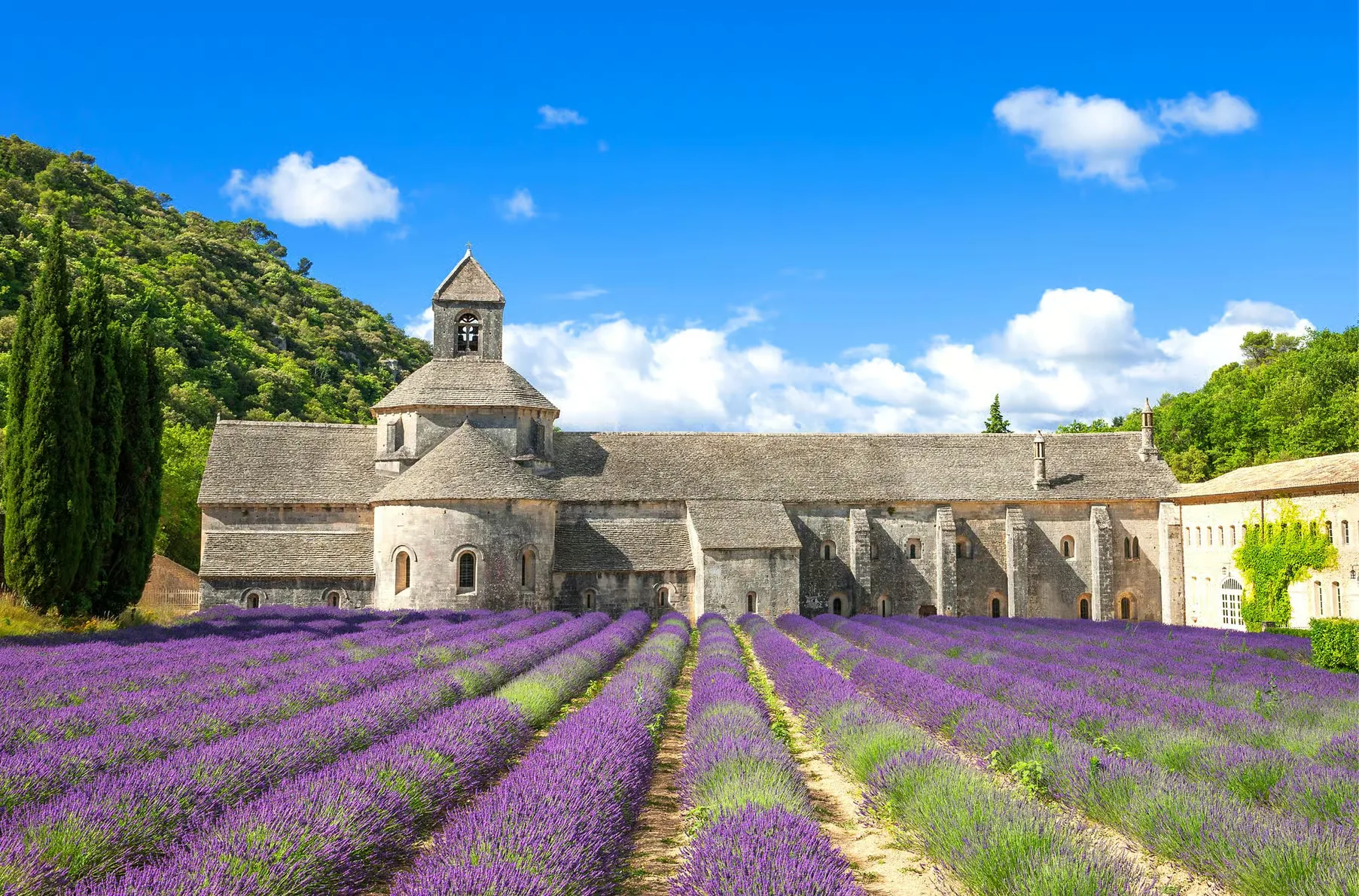
Book a 7-day bus tour from Paris to Barcelona. Explore Avignon, Provence lavender fields, Montserrat, Sagrada Familia, Andorra & Bordeaux on GetYourGuide.