 Activity on TourBookGo
Casa Vicens Barcelona Ticket | Skip-the-line Gaudi visit
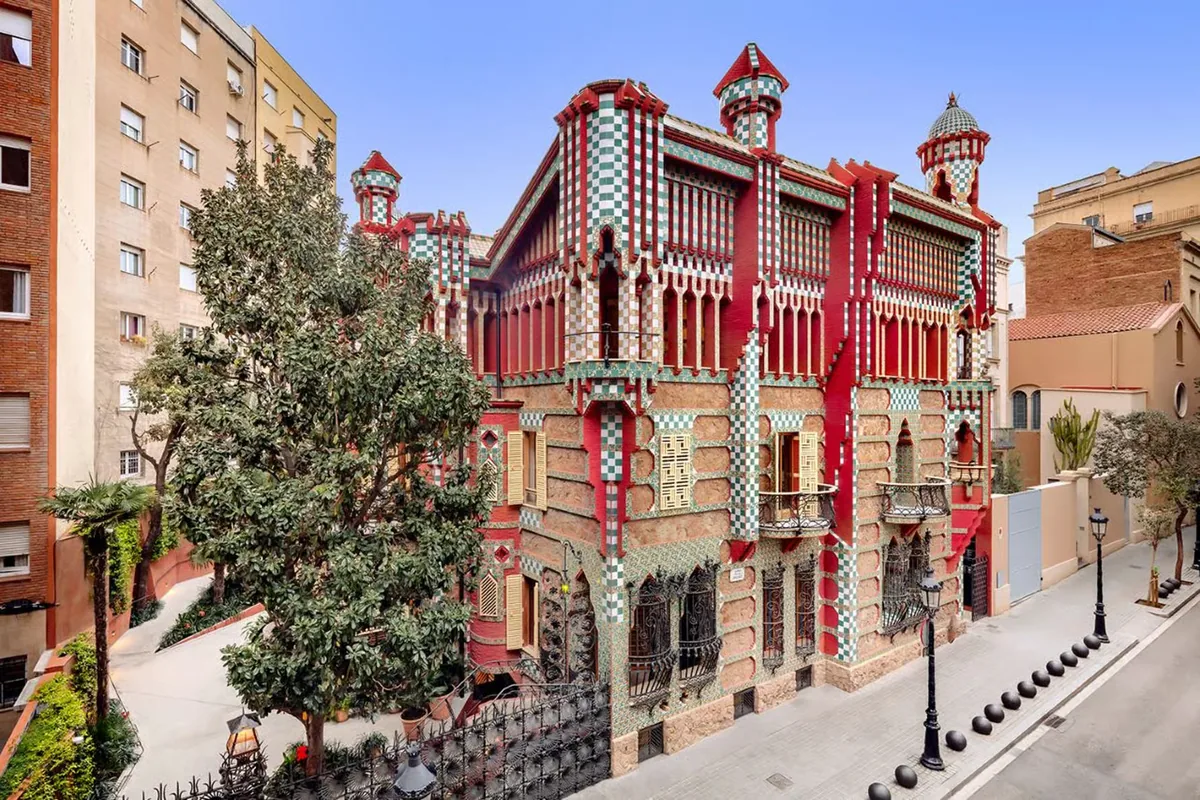
Book your Casa Vicens Barcelona ticket and skip the ticket-office line to explore Gaudi's first major house at your own pace with an audio guide.
Barcelona reveals itself through your stomach. If you're wondering where to eat in Barcelona, this guide takes you to the best restaurants, tapas bars and local markets in the city.
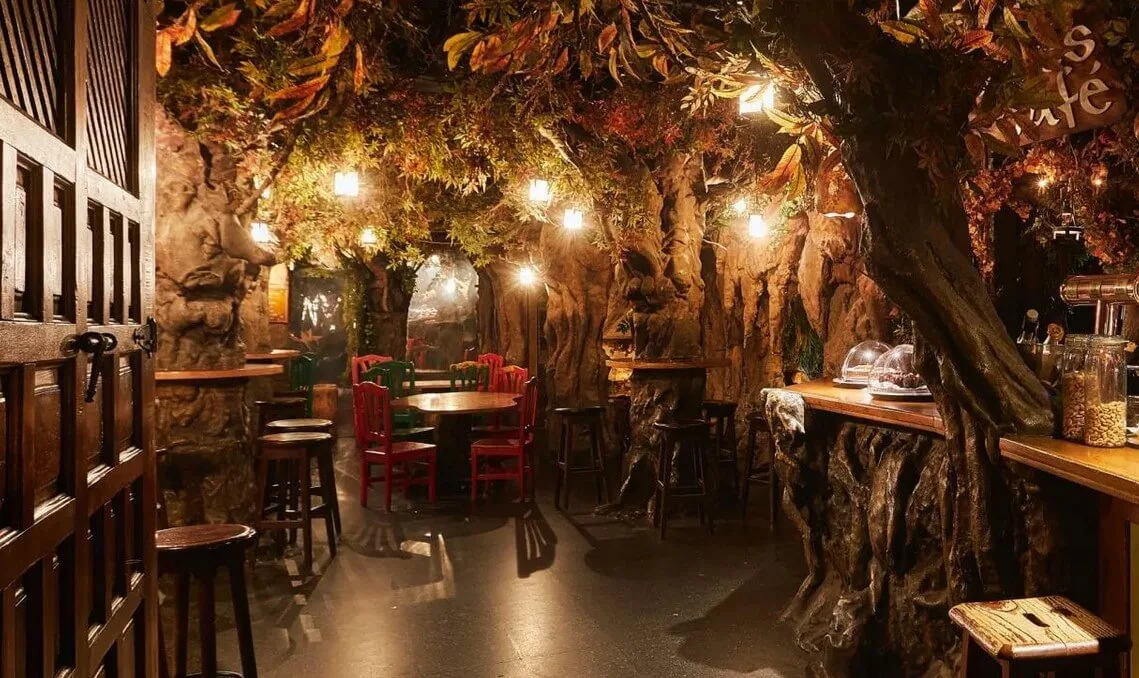
Some cities reveal themselves through sightseeing. Barcelona, for the most part, reveals itself through your stomach. The Catalan capital is one of those destinations where the ritual of the table is not merely a pause between monuments, but a travel experience in its own right. Eating well in Barcelona is not difficult. Eating properly — with intention, with meaning, with memory — requires knowing where to look.
Compare locations and options to find a base that suits your trip. Booking.com confirms current availability and pricing.
Find accommodation on BookingTo understand what people eat in Barcelona is to understand a landscape and a history. Catalan cooking is Mediterranean in the truest sense, not the postcard version: olives, summer tomatoes that actually taste of tomato, salt cod, pork, freshly caught seafood, roasted vegetables, olive oil in generous quantities. It is neither a spicy cuisine nor an overly sophisticated one in its home-grown form. Its elegance lies in simplicity, in the quality of the produce, and in techniques that have been refined over centuries in household kitchens.
There are gestures that seem small and yet mean everything. Pa amb tomàquet — bread rubbed with ripe tomato, drizzled with oil and salt — is the most Catalan of them all. At the table of any self-respecting restaurant, it arrives before any other dish. It is not a side; it is the foundational act of the Catalan meal. If somewhere serves it with tinned tomato or does not offer it at all, start to have your doubts.
Beyond the bread with tomato, there is a roster of classics that define the Barcelona dining experience. Escalivada — vegetables roasted over embers, typically peppers, aubergines and onions, peeled and dressed — is a humble dish of deep, almost sweet flavour from the char. Esqueixada is the Catalan take on salt cod salad: hand-shredded desalted cod with tomato, onion, black olives and olive oil. Summer on a plate.
Fideuà, alongside paella, is the star of the coast. It looks like paella, but instead of rice it uses short noodles, toasted before being cooked in a fish and shellfish broth. It hails from the Tarragona coast, yet in Barcelona it is eaten with devotion, particularly at the seafood restaurants of Barceloneta and Port Olímpic. Always ask for all i oli on the side.
To finish, crema catalana. Not the version you find on tourist menus: the real one, scented with cinnamon and topped with caramelised sugar, a glassy crust you crack through with your spoon. In season, a proper crema catalana is the perfect close to any meal.
And do not overlook caracoles a la llauna (snails cooked in a tin), butifarra amb mongetes (Catalan sausage with white beans), calçots in season — January to March — or shellfish at any marisquería that smells of the actual ocean.
Barcelona's tapas culture is less intense than Madrid's or the south's, but it is no less present. The difference is that here you drink and you eat; you do not eat while you drink. Pinchos and tapas are the prelude, never the main event.
El Born is probably the most complete neighbourhood for an informal food crawl. Medieval lanes, design-led bars beside century-old bodegas, a cosmopolitan atmosphere that has not lost its local soul. It is easy to move from a vermut on a terrace to a slice of tortilla at a joint that has been there for generations.
El Raval offers a fascinating and, at times, uncomfortable mix. It is the most authentically Barcelonan neighbourhood in its chaos: working-class bars with lifelong regulars coexist with tourist spots of questionable quality. The historic bodegas of El Raval — some open since the early 1900s — are temples of vermut and traditional tapas. Crossing the Rambla del Raval takes you from one world to another in fifty metres. It is unpredictable, and that is precisely what makes it interesting.
Gràcia carries the spirit of an independent village. Here the bars are quieter, more local, less preyed upon by mass tourism. The squares — Plaça de la Virreina, Plaça del Sol — are perfect for settling in with a vermut and letting the afternoon drift by. In Gràcia, you eat as the locals do when they are not expecting visitors.
La Barceloneta, the old fishermen's quarter, is where you head for rice dishes and fideuà. The seafood restaurants here range from the honest and traditional to the purely tourist-driven. Proximity to the sea is no guarantee of quality: you need to know how to choose.
If there is one space that defines Barcelona's relationship with food, it is the market. Not the supermarket, not the gourmet deli: the municipal market, with its overflowing fruit stalls, its glistening fish counters, its tapas bars where labourers and tourists breakfast side by side.
Mercado de la Boquería, on La Rambla, is the most famous and the most contentious. Visually it is spectacular: the entrance from La Rambla, with its stalls of impossibly coloured fruit juices, is one of the city's most photographed scenes. But La Boquería is also Barcelona's most tourist-saturated market, and that comes at a cost. The fruit and juice stalls near the entrance are typically far pricier than those further inside. The market tapas bars — some of them legendary — can carry inflated prices and endless queues.
Nevertheless, it remains a genuine working market. Barcelona's chefs shop here. The trick is to venture deep inside, ignore the entrance stalls, and watch where the grandmothers are buying.
Beyond La Boquería, Barcelona has extraordinary local markets that reward a visit without the tourist pressure. Mercado de Sant Antoni, recently refurbished, combines modern architecture with deep-rooted tradition. Mercat de la Concepció in the Eixample is smaller but thoroughly authentic. Mercado del Ninot, near Hospital Clínic, and Mercat de la Llibertat in Gràcia offer market experiences without the suffocation of La Rambla. At any of them you will find bars for breakfast, a vermut or a tapa between stalls of fresh fish and locally sourced vegetables.
Barcelona lives in a creative tension between food of memory and food of the avant-garde. Traditional bodegas — century-old establishments with marble-topped tables, wine barrels, jamón legs hanging from the ceiling, and menus that have barely changed in decades — are the city's soul. Here you drink vermut from the tap, eat proper Spanish tortilla, order calamares a la romana, and talk at full volume. They are democratic, unpretentious, and often surprisingly affordable.
A few streets away, modern Barcelona cuisine — heir to the revolution started by El Bulli — plays with techniques, presentations and concepts. There are exceptional chef-driven restaurants in the city, several with international recognition, where creativity and local produce meet in dishes that challenge expectations. These places are for special occasions, for those who want a gastronomic experience as the main event of the evening. They are not for everyday dining, nor do they pretend to be.
The honest recommendation is to combine both worlds. A meal at a historic bodega and another at a contemporary kitchen will give you the full picture of what Barcelona can do.
Eating at a decent price in Barcelona is not a pipe dream, but it requires stepping off the tourist circuit. The menú del mediodía — set lunch menu — is the smartest option. Most traditional restaurants offer, on weekdays, a full menu of two courses, dessert and a drink at a surprisingly reasonable price. This is how Barcelonans eat out during the week.
Market bars are another excellent choice: a dish of the day, generous tapas, genuine atmosphere and restrained prices. The old-school bars in El Raval, Poble-sec or outlying neighbourhoods like Sants or Sant Andreu keep prices honest and food free of gimmicks.
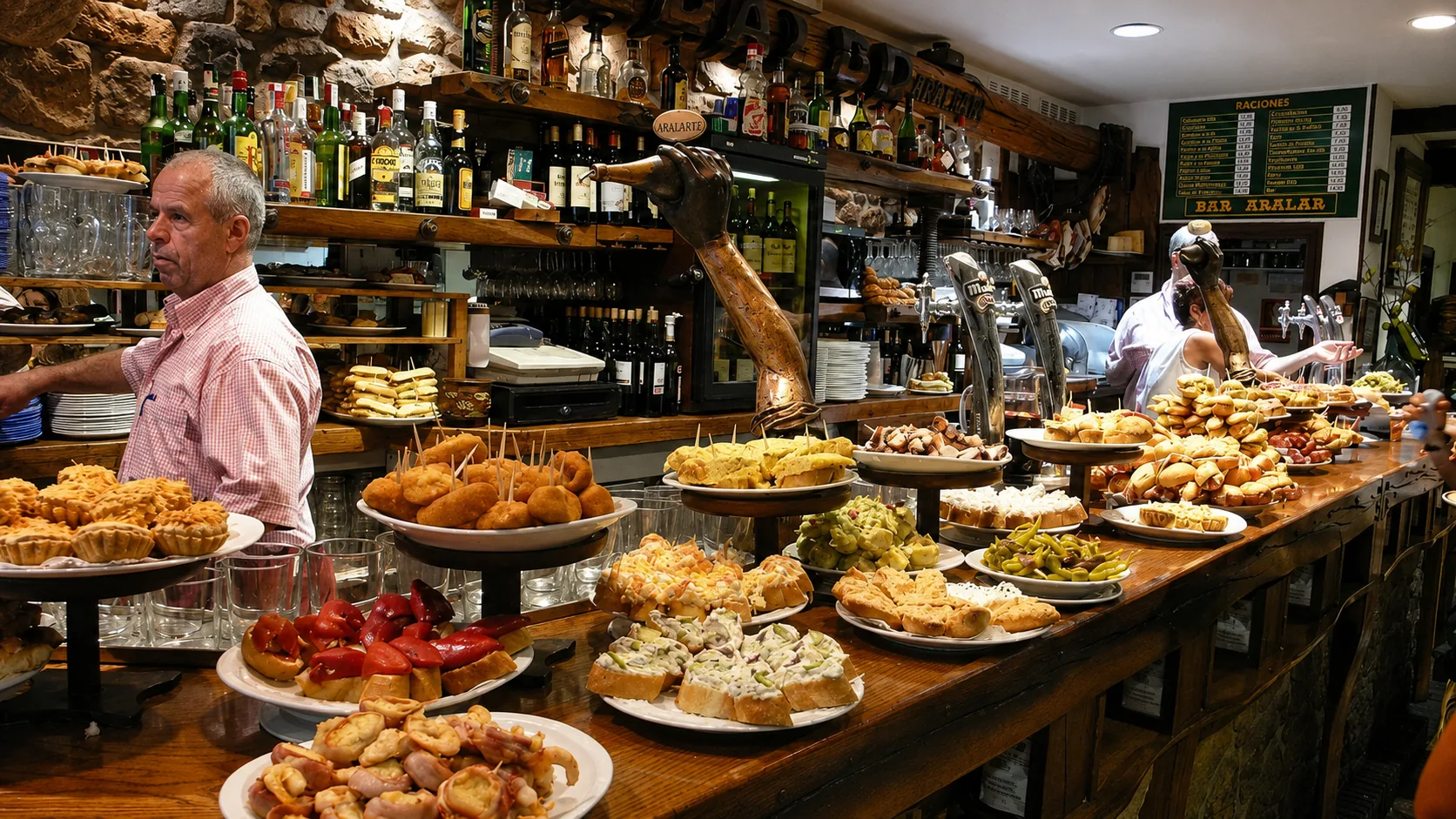
Basque pinchos, a product of Basque immigration to Barcelona, have a strong presence in the city. Pincho bars offer small delights on bread, varied and often cheaper than a full meal at a restaurant. It is an excellent way to eat informally while sampling many different flavours.
There is an unwritten rule in Barcelona that works with near-mathematical precision: the closer you are to La Rambla, the worse and more expensive the restaurant will be. The food outlets located directly on La Rambla or on its immediate parallel streets are designed for a single purpose: to extract maximum profit from passing tourist traffic. Photographic menus in seven languages, waiters at the door urging you inside, generic combination plates, sangría as the default drink.
Sangría, by the way, is a useful barometer. At a serious Catalan restaurant, the drinks of choice are wine, beer or vermut. Sangría has its place — a summer afternoon, a terrace, a relaxed atmosphere — but if it is the star of the drinks list, you are in the wrong place.
Another red flag: restaurants that display photographs of their dishes in the window. A place that needs to show you what the food looks like before you walk in does not trust its own product. The absence of local customers is not a good sign either. If a terrace at midday has only tourists, there is a reason.
Time works differently in Barcelona, and that includes meals. Breakfast is light and early, but lunch — the main meal of the day — happens late, typically between two and three o'clock. Many restaurants open for lunch at one, but the moment of truth comes later. Dinner is later still: nine o'clock is considered early, and many places do not open for dinner until half past eight or nine.
Between four and eight in the evening, many restaurants close. This is vermut time — a social and gastronomic pause you should not miss — but it is not the time for a full meal. Planning your schedule around these rhythms is essential if you want to avoid going hungry or finding everything shut.
Barcelona is an exceptional gastronomic destination for those who appreciate honest Mediterranean cooking, who value fresh produce and recipes with memory, who understand that a good vermut in a square can be as memorable as a tasting-menu dinner. It is ideal for curious travellers willing to explore neighbourhoods, markets and century-old bodegas.
It can disappoint those seeking rock-bottom prices — Barcelona is not a cheap destination — those expecting a homogeneous dining scene, or those unwilling to venture beyond the tourist centre. The city rewards the walker, the wanderer, the curious. The Barcelona table is set. You simply need to know where to sit.
Compara precios y encuentra las mejores ofertas en alquiler de coches para tu viaje.
Ver ofertasDiscover the culinary side of Barcelona through selected experiences featuring markets, tastings, workshops and special dinners.
Activity on TourBookGoBook your Casa Vicens Barcelona ticket and skip the ticket-office line to explore Gaudi's first major house at your own pace with an audio guide.
 Activity on TourBookGo
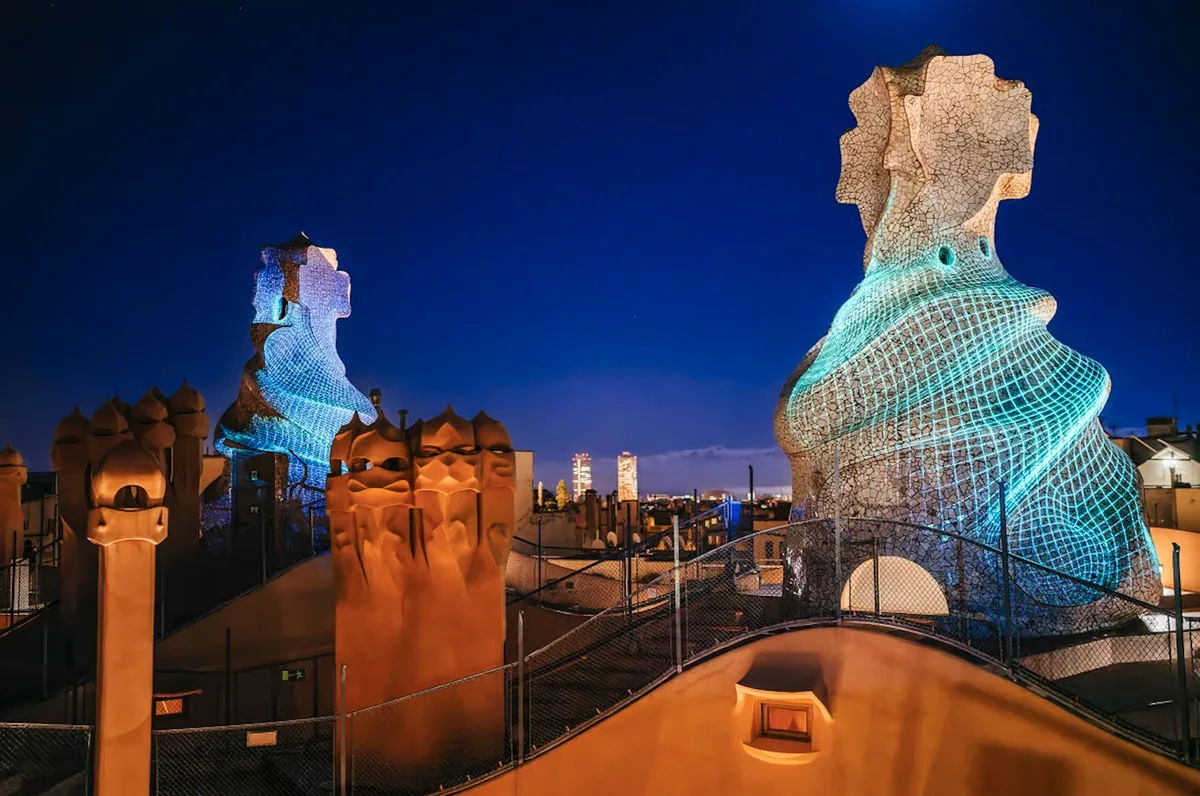
Book the La Pedrera night experience in Barcelona with skip-the-line entry, semi-guided visit, audiovisual projections, rooftop show and a glass of cava.
 Activity on TourBookGo
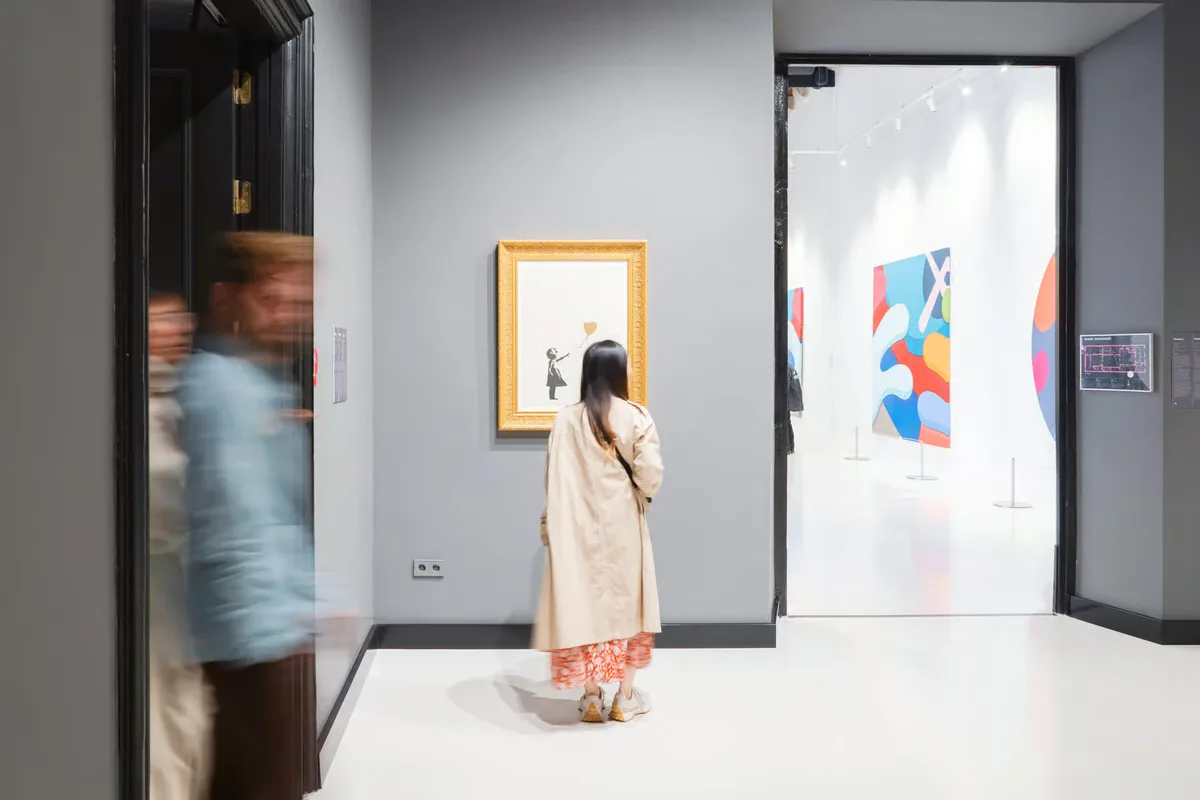
Book Moco Museum Barcelona tickets and see modern, contemporary and digital art in El Born, with Banksy, Warhol, Basquiat, audioguide and skip-the-line access.