 Activity on TourBookGo
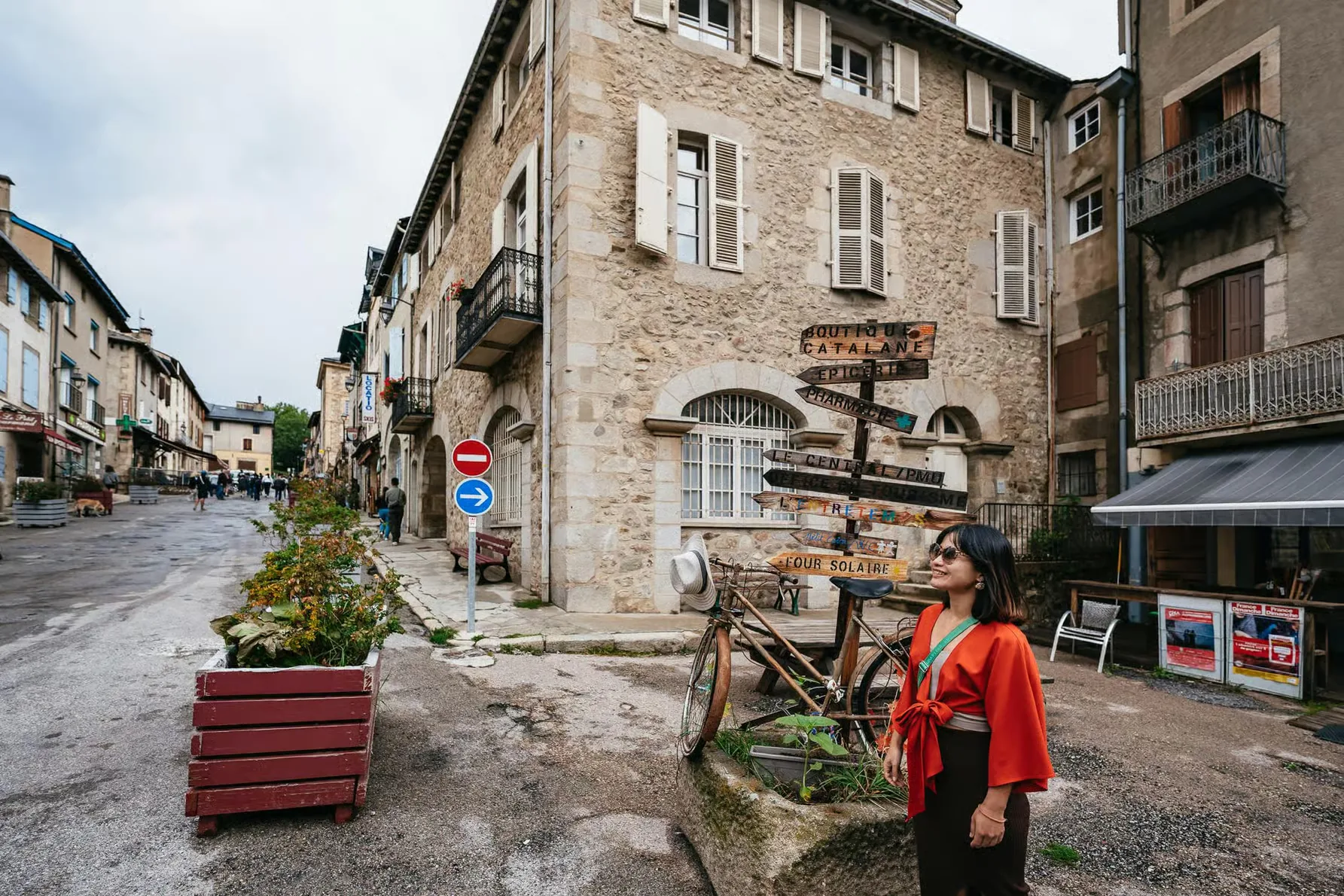
From Barcelona: Andorra, France and Spain 1-Day Trip
Book a 12-hour day trip from Barcelona to Andorra, France and the Pyrenees with bilingual guide, transport, Mont-Louis, Grau Roig and Andorra la Vella.
Choosing where to stay in Barcelona is not just about neighbourhoods: it is about rhythm, rest and the way you want to experience the city. Sleeping in Eixample is nothing like waking up in the Gòtic, and a night in Poblenou has a very different pulse from a square in Gràcia. The city has 10 districts and 73 neighbourhoods, and that diversity has a real impact on the travel experience.
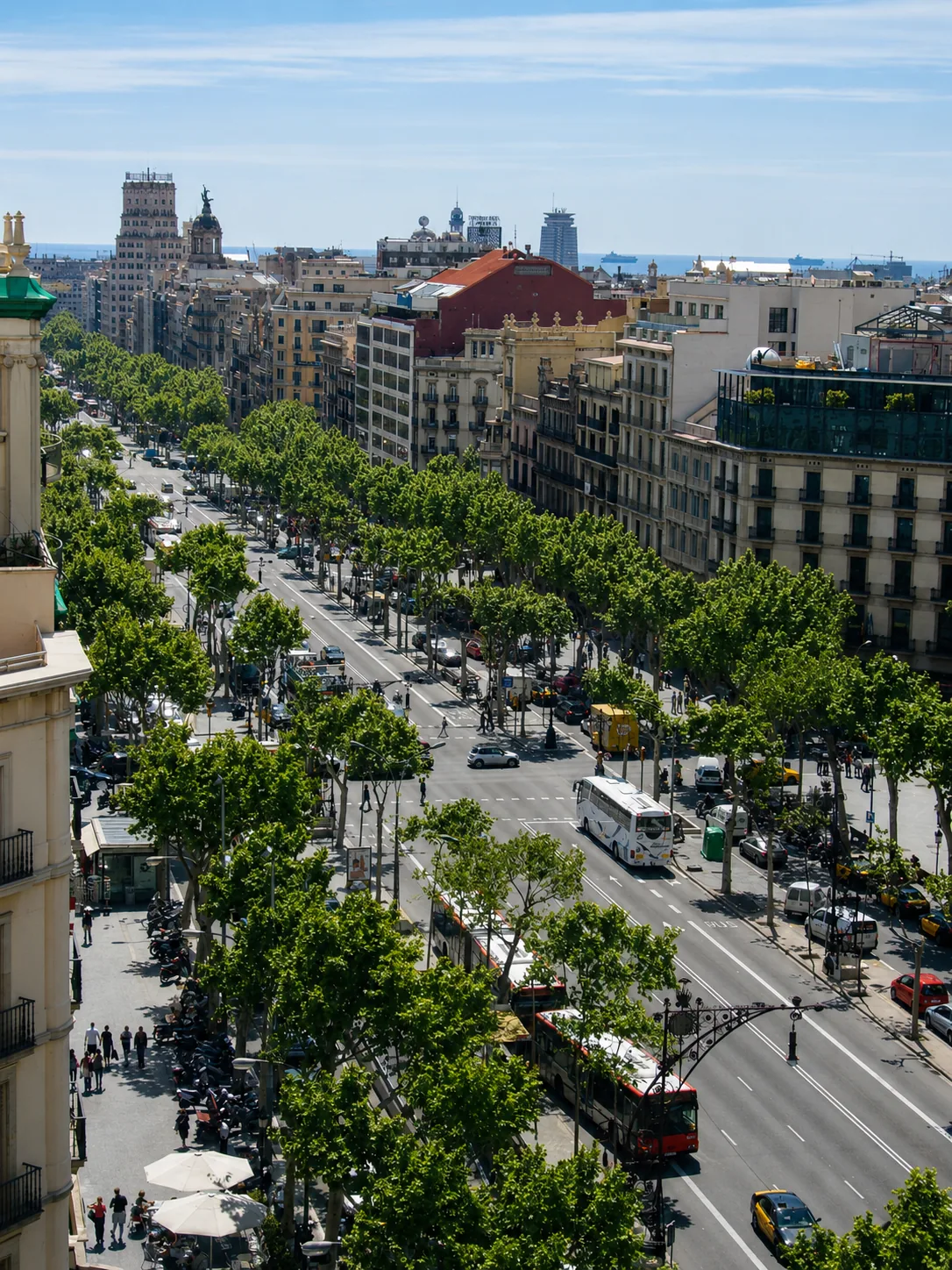
Choosing where to stay in Barcelona is not just about neighbourhoods: it is about rhythm, rest and the way you want to experience the city. Sleeping in Eixample is nothing like waking up in the Gòtic, and a night in Poblenou has a very different pulse from a square in Gràcia. The city has 10 districts and 73 neighbourhoods, and that diversity has a real impact on the travel experience.
Compare hotels and stays to choose the best area to sleep.
Compare locations and options to find a base that suits your trip. Booking.com confirms current availability and pricing.
Find accommodation on BookingFor a first trip, Eixample is usually the most balanced choice. It has wide avenues, good metro connections, Modernista architecture, hotels across many categories and a more comfortable urban feel than the old town. It is ideal if you want to be close to the Sagrada Familia, Passeig de Gràcia, Casa Batlló, La Pedrera and restaurants, without sleeping on a street that feels too narrow or noisy.
The most elegant and practical area is around Passeig de Gràcia, Rambla de Catalunya, Girona, Provença and Diagonal. It is not the cheapest, but it is one of the most pleasant choices for anyone who wants an easy, uncomplicated Barcelona stay.
The Gòtic and El Born offer Barcelona at its most theatrical: old stone, iron balconies, shaded alleyways, unexpected squares and long nights. Staying here can be beautiful if you are looking for atmosphere, bars, late dinners and the feeling of stepping out of your hotel straight into the medieval city.
The downside is real: there are more tourists, more noise, darker streets at night and sometimes small accommodation in old buildings. For a romantic escape or a weekend break, it can work very well; for families with a stroller, people sensitive to noise or travellers who want deep rest, it is worth thinking twice.
For the beach, the choice depends on what you mean by “beach”. Barceloneta is close to the sea and has plenty of old fishing-quarter character, but in high season it can be crowded, noisy and very touristy. It is good for those who want to walk down to the sand, eat near the harbour and do not mind constant movement.
A more comfortable alternative is Poblenou, especially around Bogatell, Llacuna or Poblenou itself. It has beach access, a neighbourhood feel, restaurants, modern hotels and less of a tourist showcase atmosphere than Barceloneta. It is not as central, but it is well connected and usually feels more pleasant for stays of several days.
If you are looking for bars, dinners, drinks and nights out on foot, El Born, the Gòtic, Sant Antoni and some parts of Gràcia work very well. El Born has charm and energy; the Gòtic is more intense and touristy; Sant Antoni is more food-focused and local; Gràcia has squares, vermouth bars and a more neighbourhood-style atmosphere.
For clubs and a more international night scene, some areas near the seafront may appeal, but they are not the quietest places to sleep. In Barcelona, it is worth separating “going out at night” from “sleeping well”: being 10 or 15 minutes by taxi or metro from the party can be a smarter decision than having it right under your window.
With children, Eixample is once again a safe bet thanks to its wide pavements, transport links, comfortable hotels and good location. Poblenou also works well, thanks to its proximity to the beach and more spacious feel, as do Les Corts or Sarrià-Sant Gervasi if you are looking for a quieter, more residential stay.
I would avoid staying on very central streets in the Gòtic, right on La Rambla or in party areas if the goal is to rest. Barcelona is very enjoyable with children, but the heat, queues, petty theft and distances can become tiring if the accommodation is not well chosen.
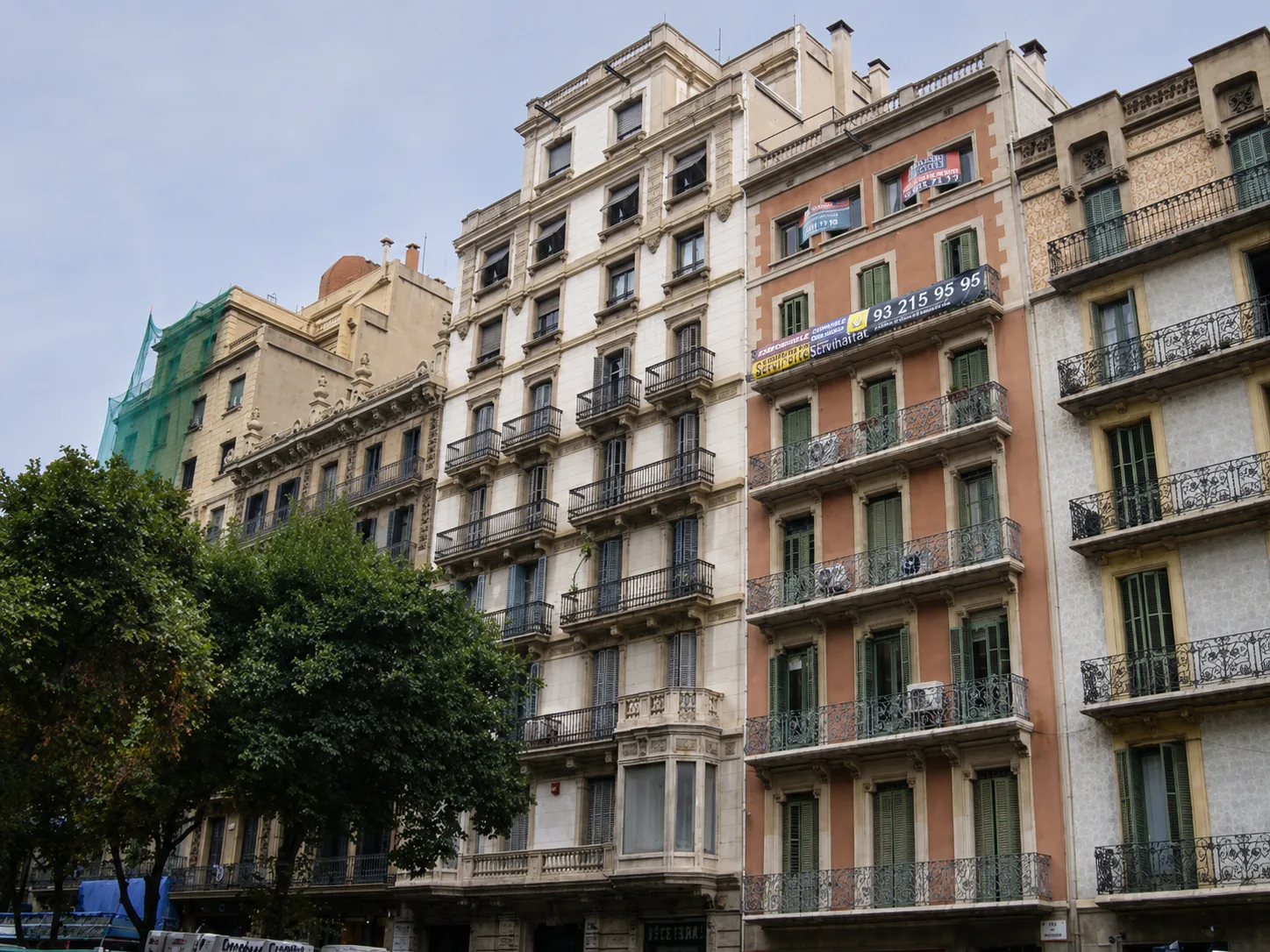
For a calmer Barcelona, look towards Gràcia, Sarrià-Sant Gervasi, Les Corts or the more residential side of Poblenou. Gràcia still has squares full of local life, although some nights can be lively. Sarrià-Sant Gervasi is more elegant, quiet and residential, but less central. Les Corts is practical, calm and well connected, though less picture-postcard. Poblenou offers a bright kind of calm near the sea, with the advantage of not feeling so hemmed in by traffic and monuments.
There is no need to be dramatic: Barcelona is not generally a dangerous city, but it does require attention in tourist areas. In places such as La Rambla, the Gòtic, the Raval, stations, the metro and very crowded spots, opportunistic pickpocketing is the most common issue. The Catalan police recommend reporting offences as soon as possible and allow certain cases involving minor offences, lost belongings or non-violent theft to be handled through an online report, although it may later need to be completed in person.
For accommodation, I would choose La Rambla carefully, as well as the more nightlife-heavy parts of lower Raval, some very busy streets in the Gòtic and areas next to clubs or late-night bars. Not because you “cannot go there”, but because they can be noisy, dense and less comfortable for resting. In addition, La Rambla is undergoing urban renovation and transformation, so it is worth checking the status of the works before booking right there.
No. In fact, for most travellers, having a car in Barcelona is more of a burden than an advantage. Parking can be expensive, traffic is slow and many central areas are best explored on foot, by metro or by taxi. The L9 Sud metro line connects the airport with the city network from terminals T1 and T2, although getting to the centre usually requires a transfer; TMB states that the journey into the city takes around 32 minutes and that Aerobús, the R2 train, bus 46 and NitBus are also available.
Hiring a car only makes sense if you are combining Barcelona with the Costa Brava, the Pyrenees, inland villages or several day trips outside the city. For staying in Barcelona, it is better to choose the right neighbourhood than to pay for parking.
If you book an apartment, check that it is legal. Barcelona City Council has an official tourist-apartment checker and warns that if the address does not appear, the accommodation is illegal. It also reminds travellers that legal apartments must have a Catalonia Tourism Register number and a 24-hour assistance phone number.
This is not just an administrative detail: illegal accommodation may leave you with fewer guarantees if problems arise and contributes to real tensions with local residents.
For almost all travellers, Eixample is the best area to stay in Barcelona: central, elegant, practical and quiet enough if you choose the street well. For the beach, I would choose Poblenou over Barceloneta if you want to rest. For historic atmosphere, Born is better than the Gòtic if you want charm with a little more balance. For local life, Gràcia. For families, Eixample or Poblenou. For serene luxury, Sarrià-Sant Gervasi.
Barcelona can be bright, intense and beautiful, but also expensive, touristy and noisy. Choosing where to sleep is no minor detail: it is the difference between experiencing the city as a string of stressful moments or as an imperfect —and fascinating— blend of sea, stone, Modernisme, lively squares and Mediterranean nights.
Compare rental car prices if you plan to leave Barcelona for the Costa Brava, Montserrat or nearby towns.
Compare rental carsMake the most of your stay in Barcelona with selected experiences that are easy to combine with the area where you are staying.
Activity on TourBookGoBook a 12-hour day trip from Barcelona to Andorra, France and the Pyrenees with bilingual guide, transport, Mont-Louis, Grau Roig and Andorra la Vella.
 Activity on TourBookGo
Book a shared cruise along Barcelona’s coast with a welcome drink, music on board, crew and skyline views during the day or at sunset.
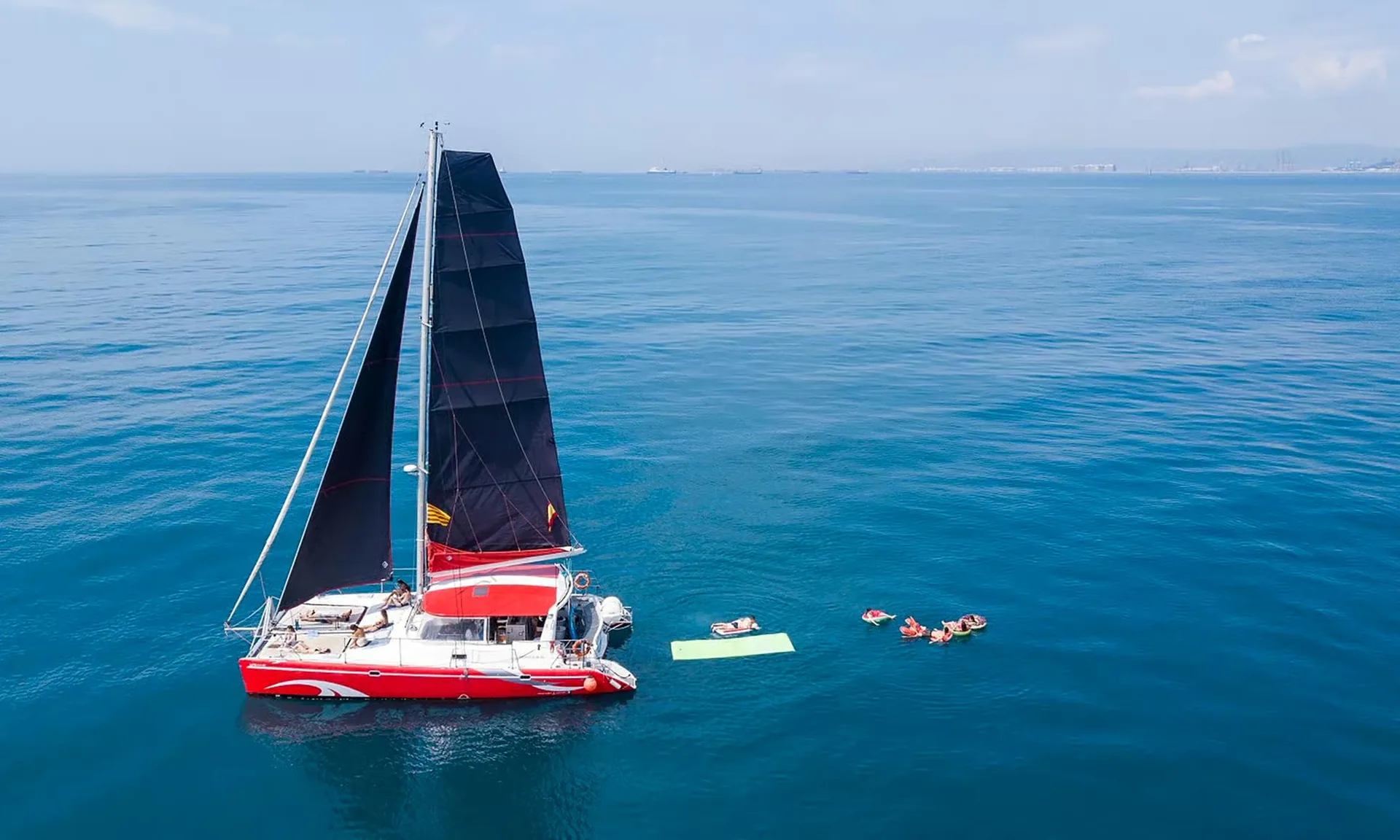 Activity on TourBookGo
Book a 2-hour catamaran cruise along Barcelona’s coast with music, a local tapa and a drink. Choose a daytime swim stop or a sunset sailing.