 Activity on TourBookGo
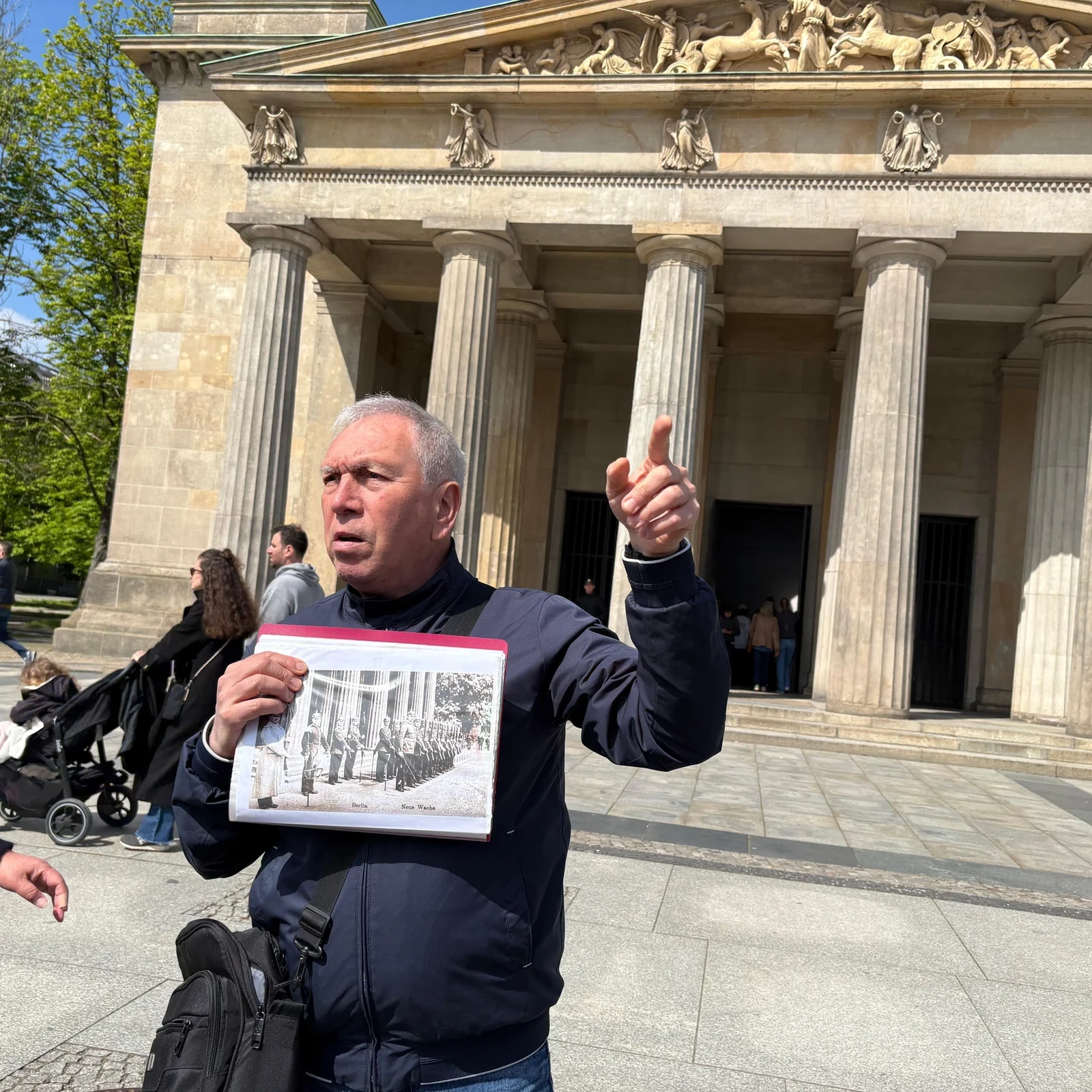
Berlin guided walking tour through historic landmarks and hidden gems
Find out if this Berlin guided walking tour is worth it: Brandenburg Gate, Berlin Wall, Checkpoint Charlie, duration, languages, price and booking tips.
A Berlin itinerary works best when it balances memory, living neighborhoods and real pauses. This guide organizes routes for 1, 2, 3 days and one week, with monuments, museums, parks, cafés and room to get a little lost.
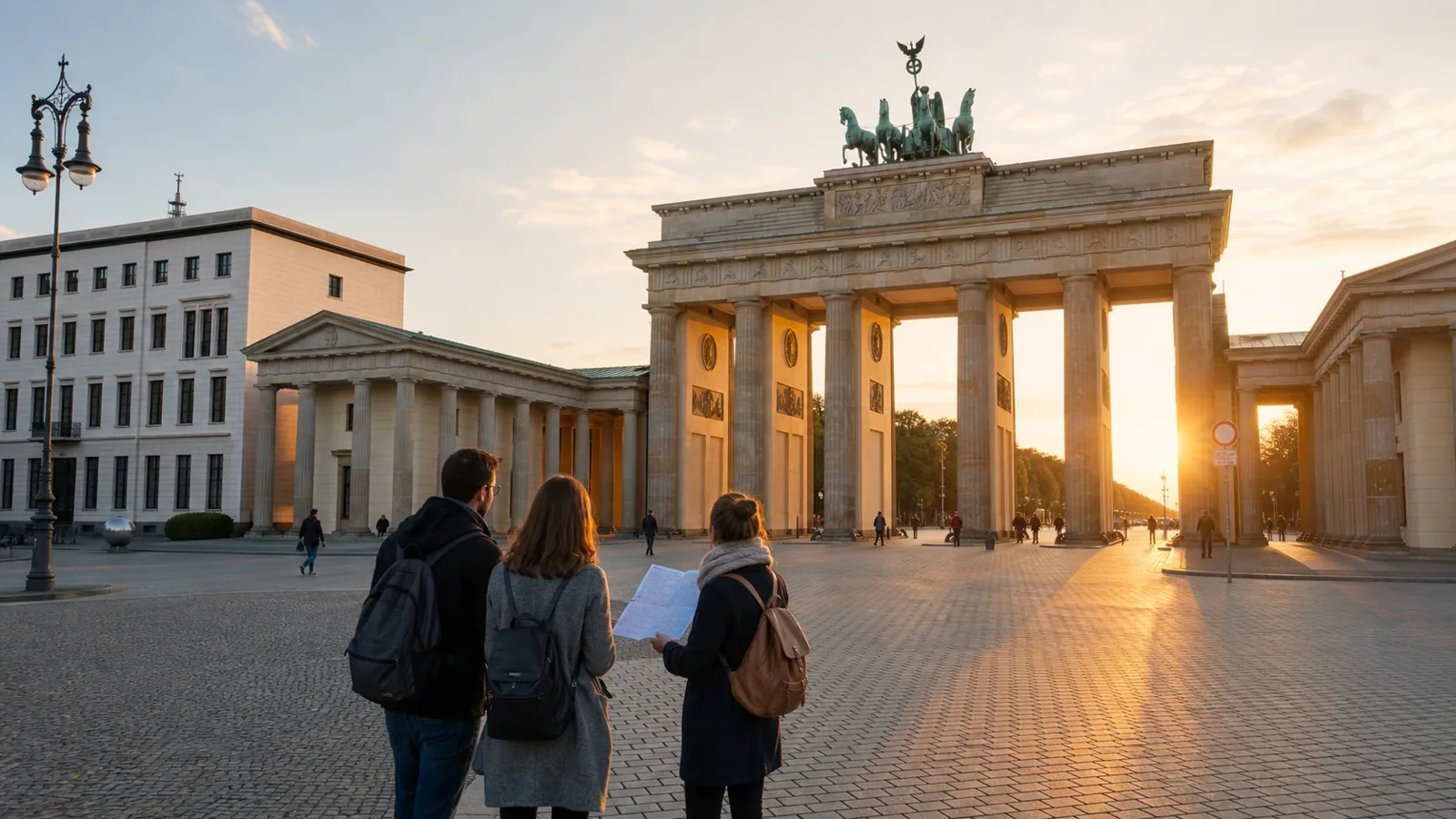
A good Berlin itinerary is not about rushing through a checklist of sights. The city makes more sense when you walk through Mitte, cross the Spree, read its scars, step into unexpected courtyards and leave time for its cafés, parks, museums and characterful neighborhoods. Berlin is not a postcard-perfect city. It blends memory, nightlife, street art, severe architecture and an energy that is hard to label. That is why the best Berlin walking route avoids two mistakes: trying to see everything too quickly, or staying only with the most photographed monuments. Here you will find realistic plans for Berlin in 1 day, 2 days, 3 days or one week, with a steady balance of history, neighborhoods and space to breathe.
Compare locations and options to find a base that suits your trip. Booking.com confirms current availability and pricing.
Find accommodation on BookingWith only one day, it is best to focus on Mitte, the city’s historic and political heart. Start at the Brandenburg Gate, while the light is still falling softly on the pale stone. From there, you can walk to the Reichstag, the Holocaust Memorial, Unter den Linden and Museum Island, one of Berlin’s great cultural axes. The Brandenburg Gate, Museum Island and Checkpoint Charlie are classic stops on a first Berlin route.
If you want to go up to the Reichstag dome, do not leave it to chance: the visit is free, but advance registration is required and access may be affected by closures, maintenance or parliamentary activity.
In the afternoon, continue towards Bebelplatz, Berlin Cathedral, the exterior of the Humboldt Forum and Alexanderplatz. It is an intense route, but a logical one for a first day in Mitte.
What may disappoint you: Alexanderplatz is not especially beautiful. It is more useful than moving. It works as a point of reference, not as a grand poetic finale. For a better end to the day, look for a quiet dinner in Hackescher Markt, Scheunenviertel or Prenzlauer Berg.
Day 1: Historic Mitte. Keep the first day focused on monumental Berlin: Brandenburg Gate, Reichstag, Holocaust Memorial, Unter den Linden, Museum Island, Berlin Cathedral and Alexanderplatz. If you like museums, do not try to visit several on the same day. Berlin punishes excessive ambition: its museums ask for time, silence and energy.
Day 2: The Wall, Kreuzberg and the East Side Gallery. The second day should change texture. Start at the Berlin Wall Memorial on Bernauer Straße, more restrained and moving than many tourist stops. Then head down towards Kreuzberg, a neighborhood of canals, cafés, street life, markets, murals and a less obvious kind of beauty.
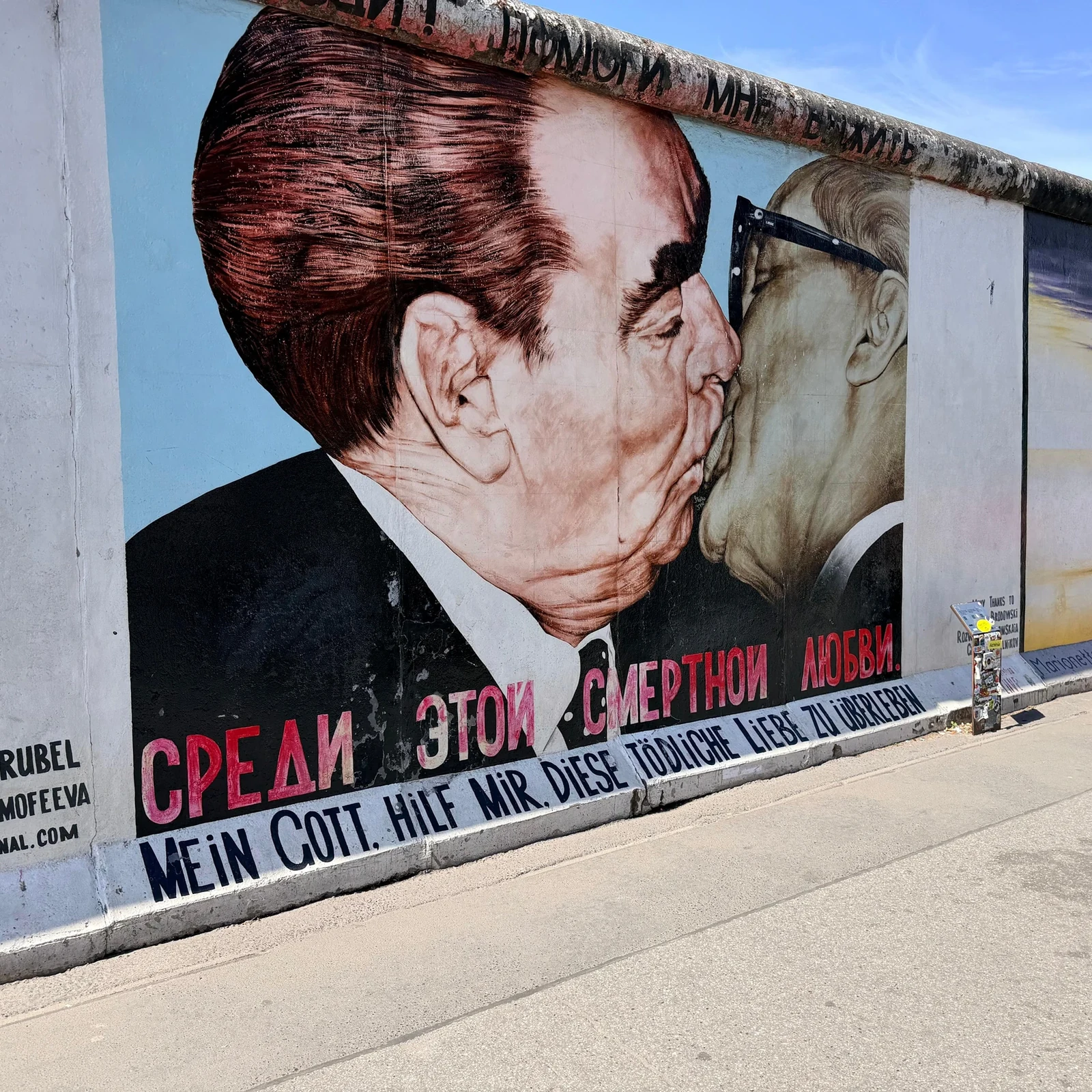
In the afternoon, walk along the East Side Gallery, a 1.3-kilometer stretch of the Wall turned into an open-air gallery beside the Spree. Then cross over to Friedrichshain or return to Kreuzberg for an unhurried dinner.
This Berlin in 2 days route helps you understand that the city does not live only from its past: it is also explained by its alternative culture, its social mix and its ability to transform wounds into public spaces.
Three days is probably the minimum ideal length for a first visit. It does not allow you to see everything, but it does let you feel several cities within the same city.
Day 1: Classic Berlin. Brandenburg Gate, Reichstag, Holocaust Memorial, Unter den Linden, Bebelplatz, Museum Island, Berlin Cathedral and Alexanderplatz.
Day 2: The Wall, the Cold War and neighborhoods. Berlin Wall Memorial, Nordbahnhof, Checkpoint Charlie if you are interested in seeing it even though it is very touristy, Topography of Terror and Kreuzberg. Checkpoint Charlie can be disappointing if you expect historical emotion: today its surroundings are commercial and crowded. The Topography of Terror, by contrast, usually offers a more serious and contextual experience.
Day 3: Prenzlauer Berg, Tempelhofer Feld and an open sunset. Spend the morning in Prenzlauer Berg, with its gentle façades, bakeries, small shops and tree-lined streets. Afterwards, you can go to Tempelhofer Feld, the former airport turned into one of Berlin’s most distinctive open spaces. Entry is free and opening hours change depending on the month, which is important if you go in winter or towards the end of the day.
Tempelhofer Feld does not seduce everyone instantly. It is huge, flat and sometimes windy. But at sunset, with bicycles, skaters, kites and people sitting on the grass, it reveals one of Berlin’s freest faces.
With seven days, Berlin stops being a list of monuments and becomes an experience. You can organize the week like this:
Day 1: Monumental Mitte. Brandenburg Gate, Reichstag, Holocaust Memorial, Unter den Linden, Museum Island and Alexanderplatz.
Day 2: Museums and the Spree. Choose one or two museums at most. Afterwards, walk along the River Spree or take a relaxed stroll through Nikolaiviertel and Hackescher Markt.
Day 3: The Berlin Wall and memory. Bernauer Straße, the Berlin Wall Memorial, Topography of Terror and, if you are interested in the Cold War, a themed tour. The Berlin Wall Memorial has free admission, although guided tours and workshops may involve a fee.
Day 4: Kreuzberg and Friedrichshain. Cafés, markets, street art, the East Side Gallery and an informal dinner. This is a good day not to watch the clock too closely.
Day 5: Charlottenburg and West Berlin. Charlottenburg Palace, Kurfürstendamm, Kaiser Wilhelm Memorial Church and Savignyplatz. This area shows a more bourgeois, elegant and less chaotic Berlin.
Day 6: Potsdam or Wannsee. If the weather is on your side, take a day trip to Potsdam or the Wannsee area. Potsdam is better for palaces and gardens; Wannsee, for a more relaxed day by the water.
Day 7: Prenzlauer Berg, markets and a slow farewell. Save the last day for walking without major goals: Kollwitzkiez, Mauerpark if there is market atmosphere, a long coffee, a bookshop, a park. Berlin says goodbye best without haste.
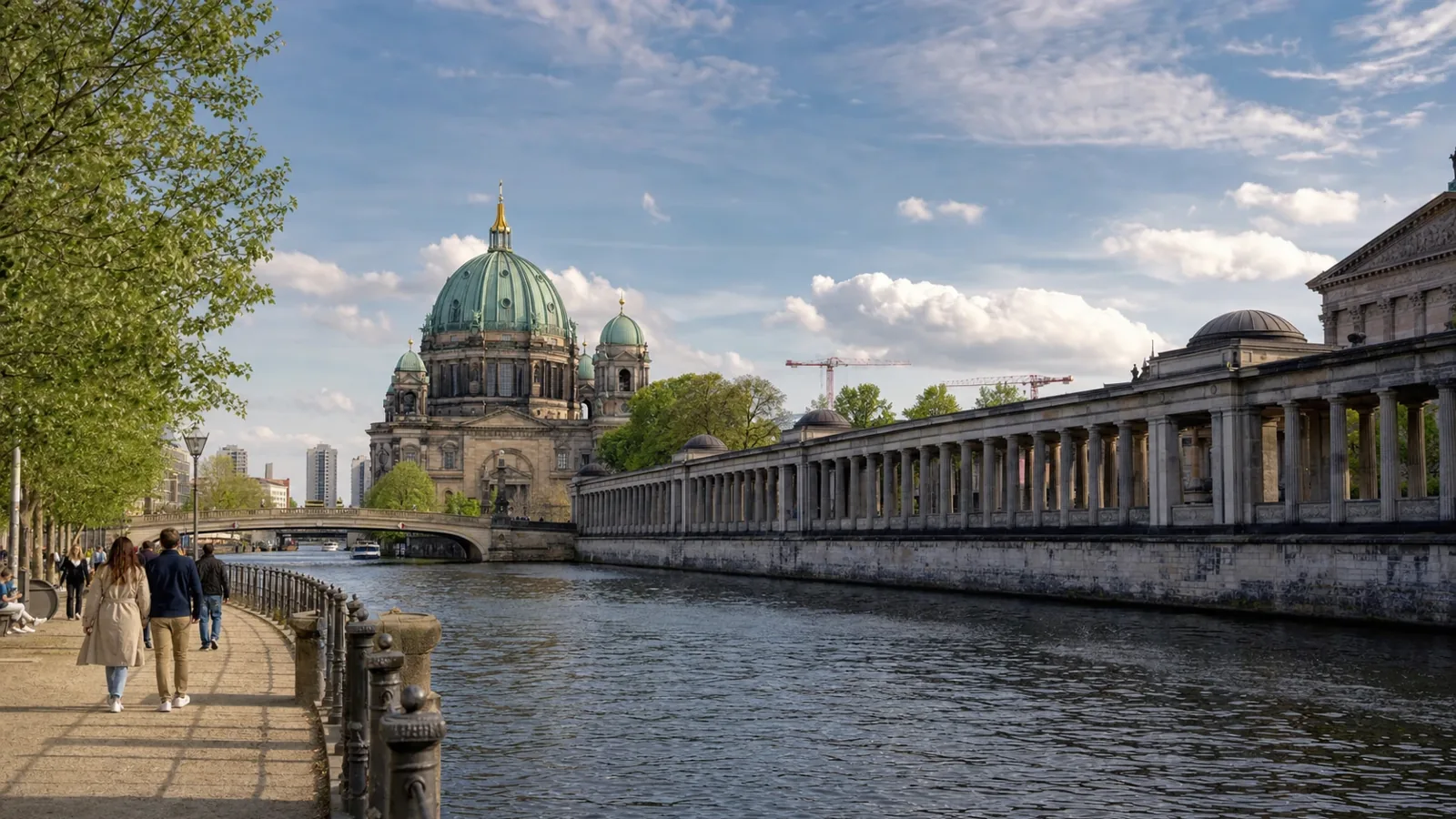
Berlin is very easy to explore by public transport. With a valid ticket, you can use S-Bahn, U-Bahn, buses, trams and ferries within the relevant network.
For several days, it is worth comparing day tickets or tourist cards such as the Berlin WelcomeCard, available for different durations.
I do not recommend renting a car to visit Berlin. Parking can be inconvenient, traffic takes away from the charm and public transport reaches almost everything a traveler needs.
If it is your first time, prioritize Mitte, the Wall, Kreuzberg and Prenzlauer Berg. If you are traveling with children, reduce the number of museums and add parks, boat rides or Tempelhofer Feld. If you are interested in history, devote more time to Bernauer Straße, the Topography of Terror, the Reichstag and museums. If you are looking for local life, move away from Alexanderplatz sooner and spend more time between Kreuzberg, Neukölln, Friedrichshain and Prenzlauer Berg.
The first mistake is underestimating distances. On the map everything seems manageable, but Berlin is vast. The second is filling each day with museums and memorials: the emotional weight can be high. The third is expecting a “pretty” city in the classical sense. Berlin has beauty, yes, but it often appears on a marked wall, an elevated station, an inner courtyard, a grayish lake or an avenue that seems too large until it begins to make sense.
It is also worth remembering that the season greatly changes the experience. In summer, Berlin opens up: parks, terraces, lakes, bicycles, long nights. In winter it can be cold, dark and harsh, but also more intimate, with museums, cafés and a more introspective atmosphere.
One day is enough for a first glance. Two days allow you to understand the contrast between monumental Berlin and the alternative city. Three days offer the most recommendable balance for a first visit. A week allows for something better: to stop chasing Berlin and start inhabiting it, even if only for a short time.
Berlin is worth it for those who enjoy history, urban culture, museums, characterful neighborhoods and imperfect cities. It may not be the best choice for someone looking for easy beauty, gentle weather or a frictionless romantic getaway. But if you accept its rough edges, Berlin can stay with you in a strange way: not like a postcard, but like a conversation that continues long after the trip.
Complete your Berlin itinerary with selected experiences that fit naturally into one-day or multi-day routes.
Activity on TourBookGoFind out if this Berlin guided walking tour is worth it: Brandenburg Gate, Berlin Wall, Checkpoint Charlie, duration, languages, price and booking tips.
 Activity on TourBookGo
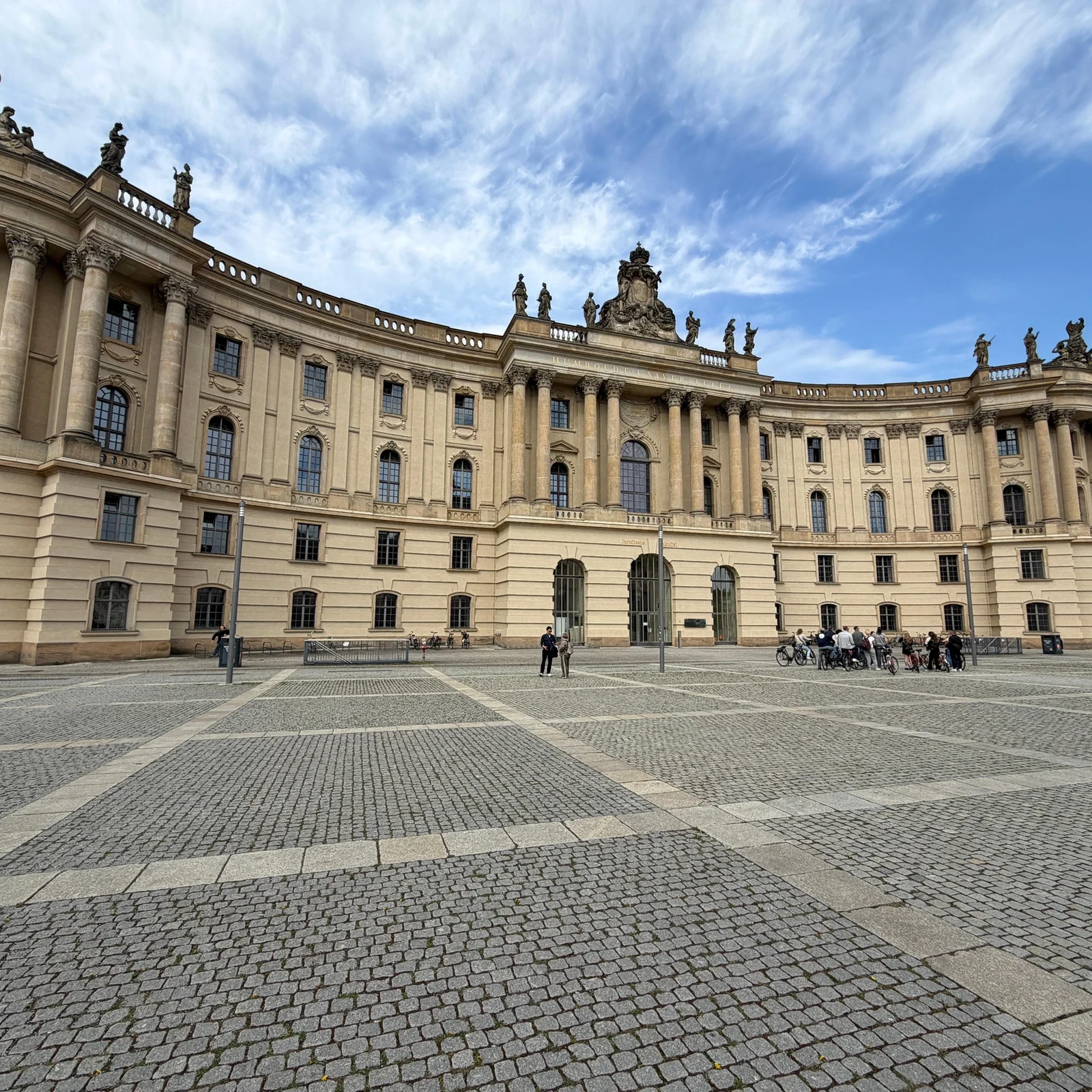
Book a Berlin bike tour and cycle past the Reichstag, Checkpoint Charlie, Brandenburg Gate, Museum Island and the Berlin Wall in around 3 hours.
 Activity on TourBookGo
Book the Berlin Big Bus Hop-On Hop-Off with optional cruise, multilingual audio guide, flexible routes and stops by Berlin’s top landmarks.