

Book a classical concert at Berlin’s Kaiser Wilhelm Memorial Church: 70 minutes of live music with Vivaldi, Bach, Mozart, Beethoven and more.
View experienceThe best time to visit Berlin for a first trip
For a first visit, I would choose May, June or September. These are months when Berlin keeps its urban energy without feeling as intense as it does in the height of summer. You can walk along Unter den Linden, cross Museum Island, sit by the Spree, wander through Kreuzberg or Prenzlauer Berg and end the day on a terrace without always having to rely on indoor plans.
July and August are also good months if you are looking for atmosphere, lakes, open-air cinema, terraces and nightlife. But it is worth being honest: there are more visitors, accommodation prices can rise, and some popular areas lose part of their calm.
For a first visit, May, June or September offer the best balance between weather, atmosphere and comfort.
Berlin in spring: April, May and June
Berlin in spring is one of the best choices if you want to walk, visit museums and feel the city slowly coming back outside. April can be unsettled, with cool days and unexpected rain, but May usually brings a brighter city. The parks fill up, Tempelhofer Feld comes back to life with local activity, and the neighbourhoods are best enjoyed slowly on foot.
May and June are especially recommended for those who want to combine museums, history, cafés, parks and urban walks. The city has not yet reached its busiest point, and the days are beginning to get longer.
The least comfortable thing about spring is its unpredictability. You should not travel expecting guaranteed warmth: Berlin may give you a mild afternoon and, the next day, force you to pull out a jacket.
Do not travel in spring expecting guaranteed warmth: it is worth keeping a jacket with you.
Berlin in summer: July and August
Berlin in summer reveals a more open, social and nocturnal city. Life moves onto terraces, by canals, into parks, onto rooftops, through markets and out to nearby lakes. VisitBerlin specifically highlights swimming in lakes, open-air cinemas, terraces and bike rides as an essential part of the Berlin summer.
It is an ideal time for travellers looking for atmosphere, festivals, music, outdoor plans and long nights. It is also a good choice if you already know Berlin and want to experience it less as a checklist of monuments and more as a lived-in city.
But not everything is easy. In July and August there may be more queues, more reservations required and less of a local feel in the most visited areas. Also, although Berlin does not have the constant heat of southern Europe, some days can feel heavy, especially on public transport, in old apartments or in accommodation without air conditioning. Berlin.de gives average highs in July of around 23.3°C and roughly eight days of rain; August shows very similar figures, with average highs of around 23.4°C.
Summer is perfect for atmosphere and outdoor life, but it can bring more queues, higher prices and busier areas.
Berlin in autumn: September and October
For many travellers, September is Berlin’s most elegant month. It keeps some of the summer light, but with less tourist intensity. The parks begin to change colour, cafés recover their indoor atmosphere, and the city feels calmer.
October can also be beautiful, especially for a cultural trip: museums, galleries, bookshops, architecture, history and cafés. But the days get shorter and rain can become more frequent. It is a more introspective season, perfect for anyone who does not need constant sunshine to enjoy a city.
September keeps some of the summer light with less tourist intensity.
Berlin in winter: December, January and February
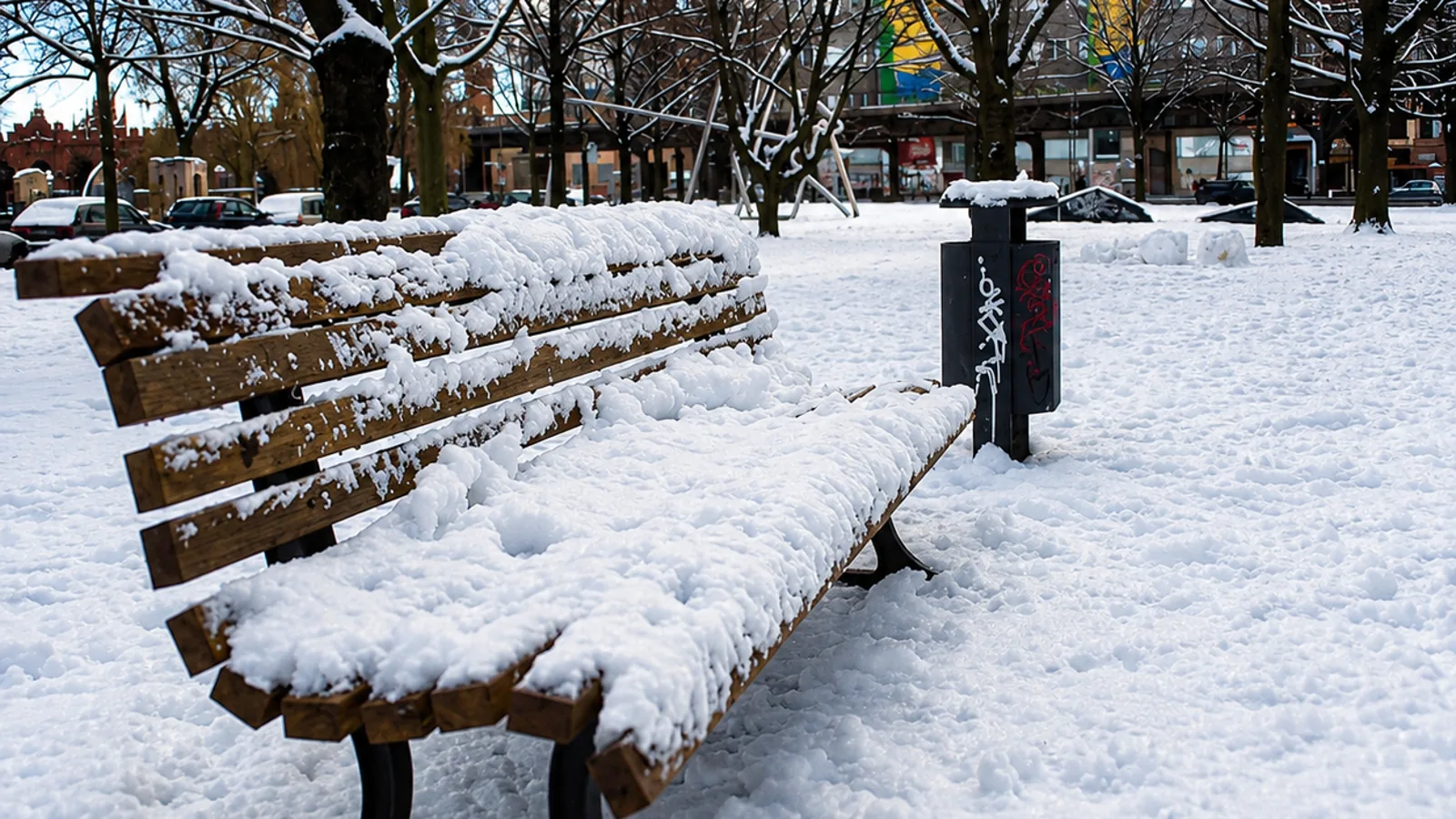
Berlin’s winter should not be romanticised too much. It can be cold, grey and dark. For a first visit focused on walking a lot, January and February are not the most rewarding months.
December, however, has a particular charm thanks to the Berlin Christmas markets, the lights and the warm interiors. VisitBerlin presents winter as a quieter period, well suited to art, culture, cold walks and cosy cafés.
Travelling in winter can be worthwhile if you prioritise museums, history, opera, cafés and more moderate prices. It may disappoint you if you are looking for green parks, terraces, bright photographs or long days spent walking outdoors.
December can be charming because of the Christmas markets, but January and February are tough months for a walking-heavy visit.
Events, prices and atmosphere in Berlin
Berlin has events all year round: music, theatre, exhibitions, sport, family activities and a constant cultural life. VisitBerlin’s official calendar lets you filter events by date and category, which is useful if you are travelling for a specific festival or exhibition.
In general, summer and certain periods in December tend to see higher demand. Spring and autumn offer a better balance between weather, atmosphere and comfort. January, February and part of March can be quieter, although the savings do not always make up for it if the cold limits your plans too much.
So, when should you travel to Berlin?
Travel in May, June or September if you want the most balanced option.
Choose July or August if you are looking for outdoor life, lakes, terraces and nighttime energy.
Choose October if you prefer a cultural, autumnal and less obvious Berlin.
Choose December if you are drawn to Christmas markets and do not mind the cold.
Avoid January and February if your idea of a trip depends on walking a lot, taking photos in good light or spending hours in parks and streets.
Berlin does not need to be gentle to be fascinating, but choosing the right time helps a lot. In the sun, it becomes expansive; in the cold, more severe; in autumn, more literary; in summer, freer. The best season is not simply the warmest one, but the one that matches the way you travel.
The best season is not simply the warmest one, but the one that matches the way you travel.