

Book your Jewish Museum Berlin ticket, avoid the ticket office line and explore Jewish history in Germany inside Daniel Libeskind’s striking building.
View experienceWhere to stay in Berlin for the first time: Mitte
Mitte is the most logical choice if you are visiting Berlin for the first time. The Brandenburg Gate, Museum Island, Unter den Linden, Alexanderplatz, and many of the historic sights that usually shape a first trip are all close by. It is a practical, well-connected, and convenient area for anyone who wants to walk a lot during the day and return to the hotel without any hassle.
The best thing about Mitte is its efficiency: it lets you see a lot in a short time. Its less appealing side is that, in some streets, it can feel more administrative or tourist-oriented than lived-in. There are elegant hotels, good restaurants, and excellent connections, but you will not always find the rough, creative, nocturnal Berlin that many people imagine.
Worth it for: first-time visits, 2- or 3-day breaks, culture-focused travelers, couples who want convenience, and people who prefer having the major landmarks nearby.
May disappoint: those looking for intense local life, alternative bars, or a more bohemian feel.
Prenzlauer Berg: quiet accommodation and a good fit for families
Prenzlauer Berg is a Berlin of restored façades, softly lit cafés, markets, parks, and streets where the pace slows down several notches. It has charm without being chaotic, local life without feeling uncomfortable, and a residential atmosphere that works very well for families, couples, and travelers who would rather sleep in a pleasant neighborhood than right in the middle of the sightseeing circuit.
It is not the cheapest or most rebellious part of the city. Some of its alternative character has softened over the years, and some travelers find it too polished. But for staying somewhere calm, having a good breakfast, strolling at sunset, and getting around by public transport into the center, it is one of the most balanced choices.
Worth it for: families, couples, relaxed travelers, and stays of several days.
May disappoint: those looking for nightlife, low prices, or a rawer version of Berlin.
Kreuzberg: bars, character, and a more intense Berlin
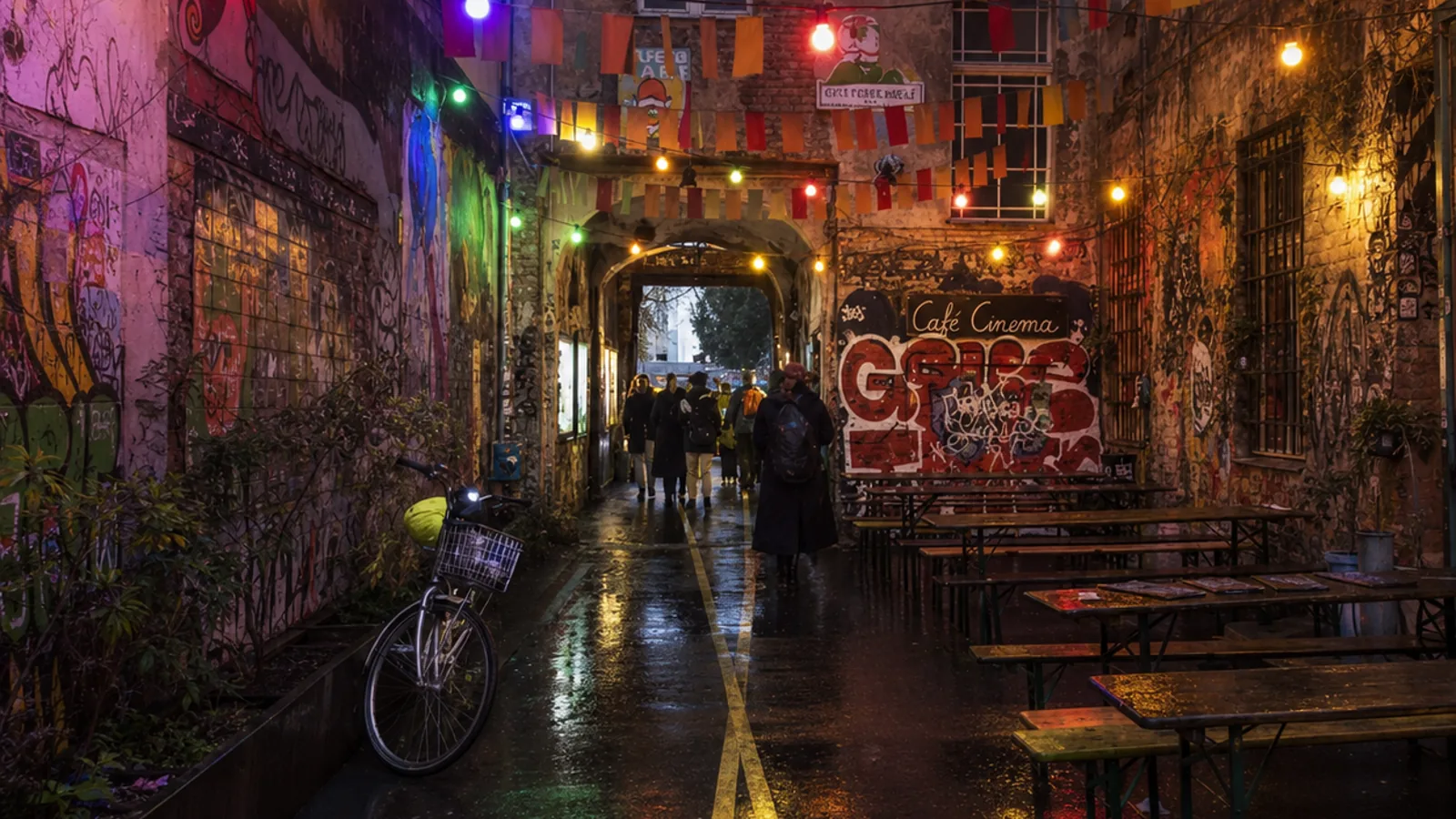
Kreuzberg has a different temperature. There is street art, bars, informal restaurants, canals, markets, independent shops, and a cultural mix that can be felt in the food, the music, and the street life. It is a magnetic area for anyone who wants their accommodation to be part of the experience.
But Kreuzberg is not for everyone. Some streets can be noisy, especially at night, and the atmosphere may feel too intense if you are traveling with young children or looking for absolute quiet. It is not a dangerous area in any dramatic sense of the word, but it is worth choosing the street carefully and reading recent accommodation reviews.
Worth it for: young travelers, fans of casual dining, nightlife, street art, and alternative atmospheres.
May disappoint: families looking for calm, people sensitive to noise, or travelers who prefer very orderly surroundings.
Friedrichshain: nightlife, youthful energy, and good connections
Friedrichshain shares some of Kreuzberg’s alternative energy, but with a personality of its own: broader, more nocturnal, and more associated with clubs, bars, and converted industrial spaces. Staying here can be a great idea if you want to go out at night and experience a more electric side of Berlin.
During the day, it has cafés, parks, and pleasant areas, but it is not the most elegant neighborhood or the most convenient choice for someone looking for a classic city break. It is also worth keeping in mind that some areas can be noisy at weekends.
Worth it for: nightlife, groups of friends, travelers who already know Berlin, and stays with an urban vibe.
May disappoint: those looking for rest, classic luxury, or a first visit focused on museums and monuments.
Charlottenburg: elegant, quiet, and comfortable
Charlottenburg is another Berlin: wide avenues, shops, classic hotels, grand buildings, and a more bourgeois feel. It is a good area if you are looking for comfort, calm, and a less alternative image of the city. The Kurfürstendamm area and its surroundings can work very well for couples, older travelers, or anyone who values higher-end hotels.
The downside is that it is somewhat removed from some of Berlin’s more contemporary and nocturnal spots. It is not poorly connected, but it does not convey the creative energy that many people look for in the German capital.
Worth it for: comfort, shopping, elegant hotels, and relaxed travelers.
May disappoint: those who want to be close to Kreuzberg, Friedrichshain, or the more alternative scene.
Schöneberg, Moabit, and Wedding: good alternatives with nuances
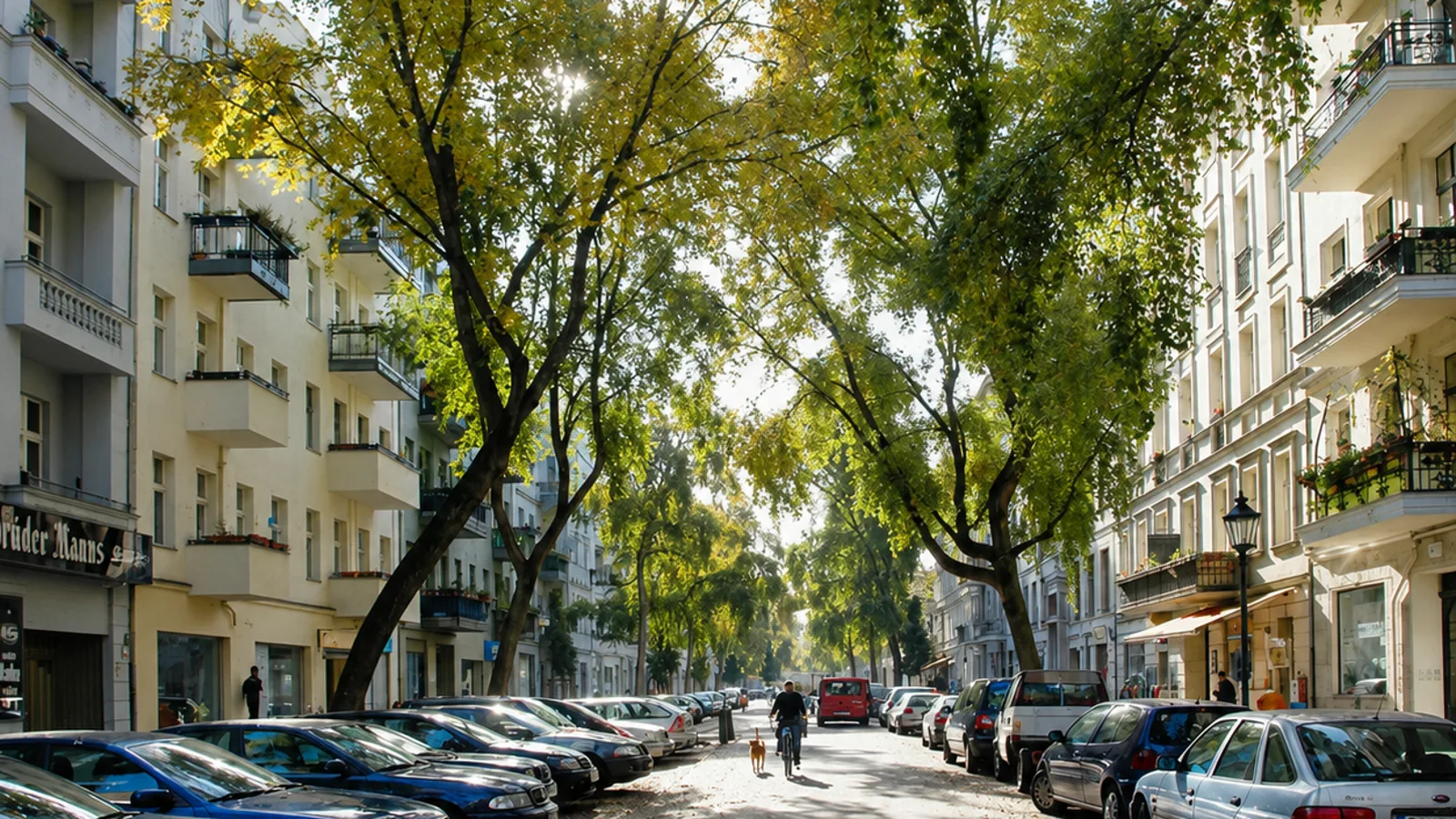
Schöneberg can be a smart choice: residential, well connected, with bars, restaurants, and a pleasant local life. It does not always appear as a top recommendation, but for a slower-paced stay it can work very well.
Moabit is practical thanks to its proximity to the central station and sometimes more reasonable prices, although some streets are less appealing for strolling. Wedding often offers cheaper accommodation and a more everyday, multicultural, less polished Berlin; it can be interesting for repeat visitors, but it is not always the most welcoming option for a first trip.
Are there any areas to avoid when staying in Berlin?
Rather than “dangerous areas,” what you should avoid in Berlin are impractical areas. On a short trip, staying too far outside the central ring can turn every outing into a long journey. It is also worth looking carefully at accommodation near major roads, unpleasant stations, or very nightlife-heavy streets if you need to sleep well.
Neukölln, for example, can be fascinating for some travelers and too chaotic for others. It has life, food, bars, and plenty of personality, but not all of its areas offer the same feeling of comfort. The key is to choose the micro-area, not just the district.
Do you need a car to stay in Berlin?
No. For most travelers, renting a car in Berlin is more of a problem than an advantage. Public transport makes it fairly easy to get around the city, and one valid ticket gives access to the S-Bahn, U-Bahn, buses, trams, and ferries, depending on the relevant fare zone.
A car only makes sense if you are combining Berlin with routes outside the city, villages, lakes, or nearby regions. Within Berlin, parking, driving, and understanding urban restrictions usually take away more than they add.
The best area in Berlin for your travel style
If it is your first time, choose Mitte. If you are traveling with children or looking for calm, consider Prenzlauer Berg or Charlottenburg. If you want bars, energy, and nightlife, go for Kreuzberg or Friedrichshain. If you are looking to save money and do not mind staying in a less touristy area, consider Moabit, Wedding, or well-connected parts of Schöneberg.
The ideal choice does not depend only on the map, but on the rhythm you want for your trip. Berlin can be monumental, intimate, nocturnal, elegant, rough, or domestic. Sleeping in the right neighborhood will not make the city more beautiful, but it will help you understand it better.