 Activity on TourBookGo
Hungarian Dinner with Live Music and a Folk Show in Budapest
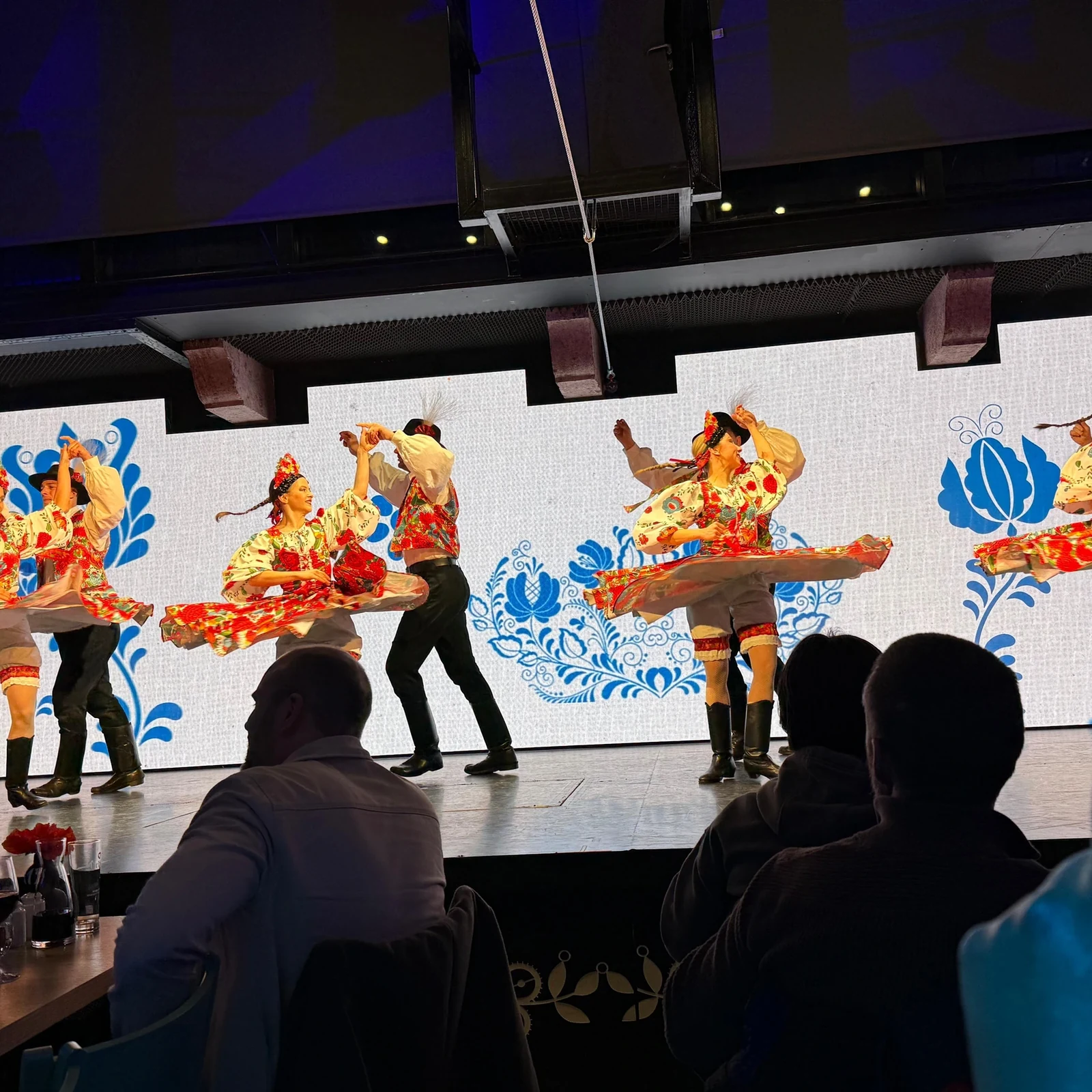
Enjoy a three-course Hungarian dinner, live music and two folk dance performances in the cellar of Puli & Juhász Restaurant.
Budapest is best experienced with time, flexibility and an appreciation of the contrasts between Buda, Pest and the city’s everyday life.
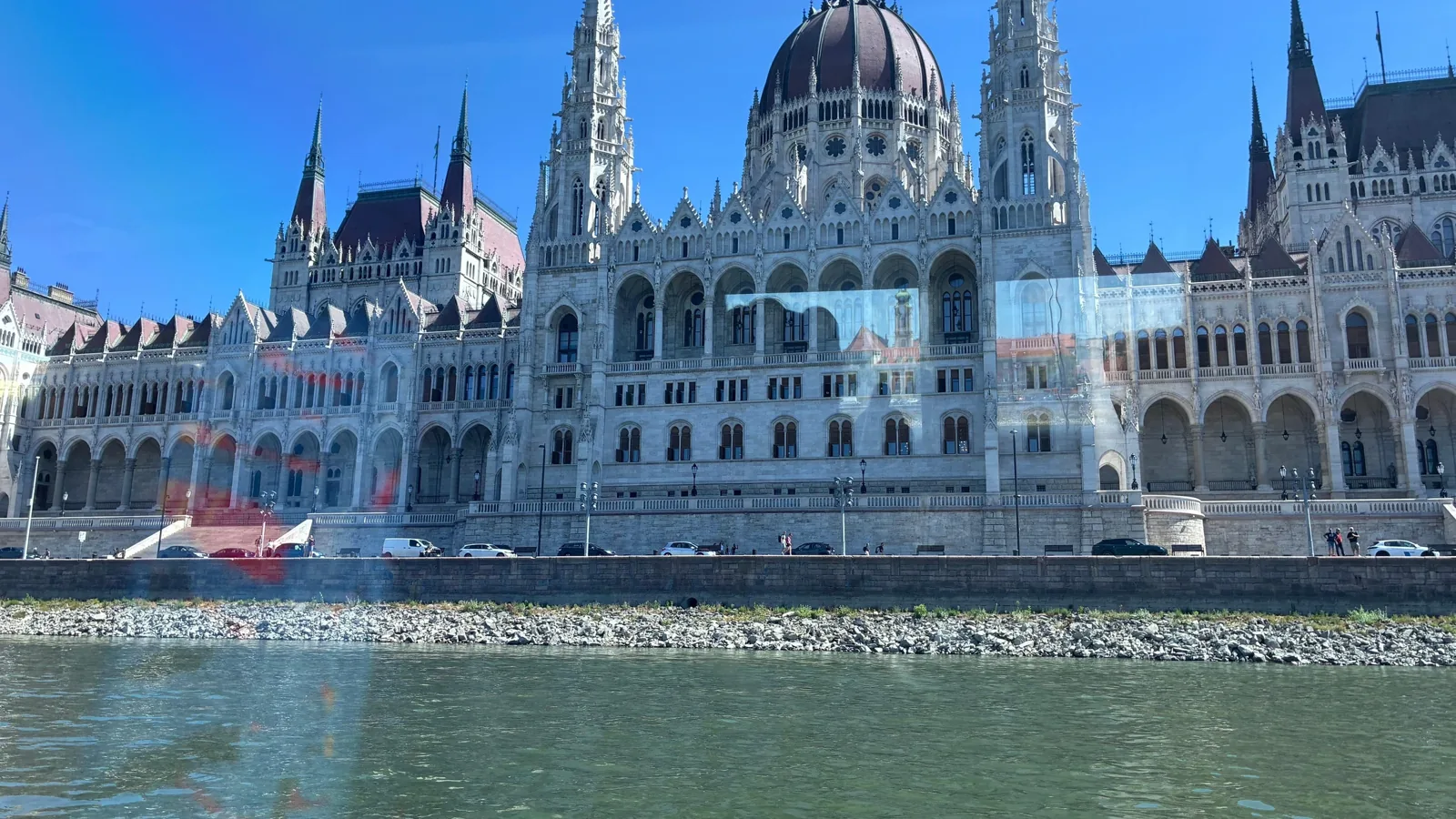
Budapest rewards those who embrace its contrasts. On one side of the Danube, the slopes of Buda invite you to view the city from a distance; on the other, Pest brings together broad avenues, cafés, markets and a livelier urban atmosphere. Much of its character emerges between visits: on a riverside tram, in a quiet courtyard, during a thermal break or along a street shaped more by daily life than tourist shopfronts.
Compare locations and options to find a base that suits your trip. Booking.com confirms current availability and pricing.
Find accommodation on BookingA packed itinerary might include Parliament, the Castle District, several bridges, a basilica, a market and thermal baths in one day. It can also turn Budapest into an exhausting race.
It is better to divide the city into areas and reserve separate blocks of time for Buda and Pest. Hills, access routes, queues and the scale of some places take longer than the map suggests. Crossing the Danube should be part of the experience rather than merely a transfer.
If your stay is short, choose fewer sights and leave room for aimless walks. Budapest loses depth when it is seen only from its best-known viewpoints and façades.
The centre invites exploration on foot, but long avenues, riverbanks, stairways and hills eventually take their toll. Buda requires more physical effort; Pest appears flatter, although its major thoroughfares can make routes longer than expected.
There is no need to use public transport for every journey, but avoiding it out of pride makes little sense. Combining walking with the metro, tram or bus helps conserve energy for the visits that matter most.
Before setting out, group nearby places and check current service conditions, especially on public holidays, at night or during construction work.
Staying near the nightlife can be convenient when going out but less pleasant when it is time to rest. Depending on the area, Buda offers a quieter, more residential atmosphere, although you may need to cross the river more often if most of your plans are in Pest.
The mistake is not choosing one bank or the other; it is choosing without considering the pace of the trip. Travellers who want to walk, dine late and return easily should assess transport links and the atmosphere at night. Families, light sleepers and those who prefer peaceful mornings may appreciate a side street or a less lively neighbourhood.
A central address does not guarantee quiet, just as a slightly more distant location does not necessarily mean poor connections.
Thermal baths are part of Budapest’s identity, but they do not all offer the same atmosphere or suit every traveller. Some appeal to visitors seeking impressive architecture and spacious facilities; others are better for a more understated or leisurely experience.
Arriving without checking current rules, available services or which personal items you need can cause discomfort. It is also worth allowing enough time: rushing through an activity designed for slowing down defeats its purpose.
Not everyone enjoys heat, shared spaces or spending several hours in the water. Skipping the baths does not make a visit incomplete, and choosing them solely out of obligation will not improve the trip.
Budapest changes with the light, cold, heat and number of visitors. In winter, shorter days affect the order of outdoor visits. In warmer periods, walking for hours or spending time in crowded places can be more demanding. Rain, wind along the Danube and possible flooding may also alter plans.
Prepare indoor alternatives without turning the trip into a rigid schedule. Museums, cafés, covered markets or a thermal break can improve an unpleasant day, but admission conditions should be checked before you go.
Weather does not necessarily ruin Budapest. Frustration usually comes from travelling with only one plan and no flexibility.
Accepting any proposed conversion, failing to check the billing currency or choosing an exchange service merely because it is nearby can make everyday expenses more costly. Before confirming a payment, read the screen, check the amount and understand the conversion being applied.
Do not assume every establishment operates in the same way. Carrying a sensible combination of payment methods provides flexibility without requiring large amounts of cash.
For taxis and other services, prefer clearly identified options and understand the terms before starting the journey. Financial caution does not require constant suspicion; it simply means avoiding hasty decisions.
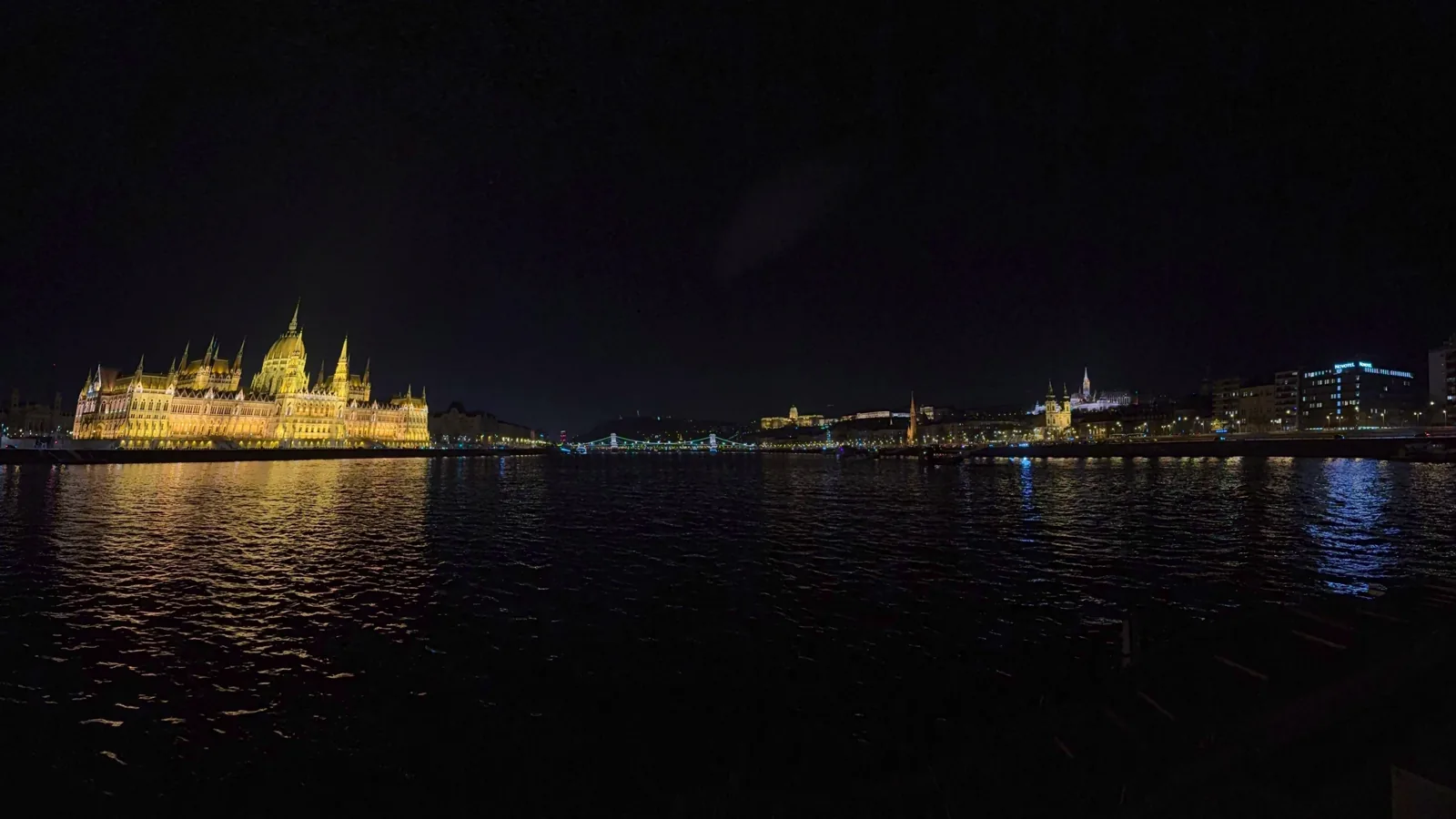
The most visited streets make it easy to find food quickly, but that convenience can lead to more generic choices and a less appealing balance between quality and cost. Hungarian cuisine should not be judged by one famous dish or by venues designed exclusively for a transient audience.
Walking a few streets away, observing where residents eat and reading the menu carefully usually creates a more balanced experience. Markets can also be interesting, although not everything sold there is necessarily the best choice or an everyday custom.
Trying local cuisine does not mean eating heavy food at every meal. Alternating dishes, sharing and adjusting your pace makes the experience more enjoyable and keeps food from becoming a test of endurance.
The party reputation of certain areas can make visitors forget that people live there. Shouting in the early hours, blocking entrances, leaving rubbish or using a residential street as a photographic backdrop damages community life.
The so-called ruin bars are part of Budapest’s contemporary tourist image, but visiting them does not mean working through an endless list. Choosing one or two places, keeping the noise down when leaving and returning safely usually provides a better experience than moving from venue to venue without regard for the surroundings.
Budapest nightlife takes many forms: concerts, quiet bars, illuminated walks or long conversations. Reducing it to fast-paced consumption diminishes both the city and the trip.
Budapest is not a stage set frozen between Parliament and the castle. Its trams carry people to work; its courtyards belong to communities; its markets and baths serve purposes that were not created to entertain visitors.
Respect queues, quiet hours, residential areas and the rules of each place. Do not intrude into entrances, private courtyards or sensitive areas for a photograph. On public transport, avoid blocking access and follow current requirements for validating or correctly using your ticket.
Learning a few basic Hungarian courtesies is thoughtful even if your pronunciation is imperfect. Saying hello, giving thanks and asking before photographing someone matter more than pretending to understand customs you do not know.
Being a respectful customer also means not haggling where it is inappropriate, not disparaging a business because of a personal expectation and leaving places as you found them. Everyday courtesy opens more doors than noisy enthusiasm.
The major viewpoints and Danube banks lend themselves to memorable images, but some popular spots become overcrowded because too many people seek the same shot. Expecting an empty city leads to frustration and can encourage intrusive behaviour.
Getting up early or choosing quieter times helps, although it does not guarantee solitude. Sometimes the best decision is to put away your phone and watch the light, river and façades change.
Budapest has monumental beauty and a more understated kind: peeling walls, courtyards, bookshops, conversations and trams crossing the scene without posing for anyone.
The city can be solemn and festive, elegant and rough-edged, melancholic and vibrant. Some avenues impress immediately; other areas need time. Certain famous places may move you, while others may feel too crowded or less intimate than expected.
Enjoying Budapest does not require idealising it. It means adjusting your pace, understanding the relationship between its two banks and leaving room for everyday life.
Those who avoid rushing, follow the rules and treat neighbourhoods with consideration usually discover a city more complex than the one shown on postcards. Much of its appeal lies precisely there.
Discover selected experiences in Budapest and compare different ways to explore the city before booking.
Activity on TourBookGoEnjoy a three-course Hungarian dinner, live music and two folk dance performances in the cellar of Puli & Juhász Restaurant.
 Activity on TourBookGo
See the Rajkó Folk Ensemble in Budapest: 80 minutes of Hungarian music and dance, with options including a drink, soup or dinner.
 Activity on TourBookGo
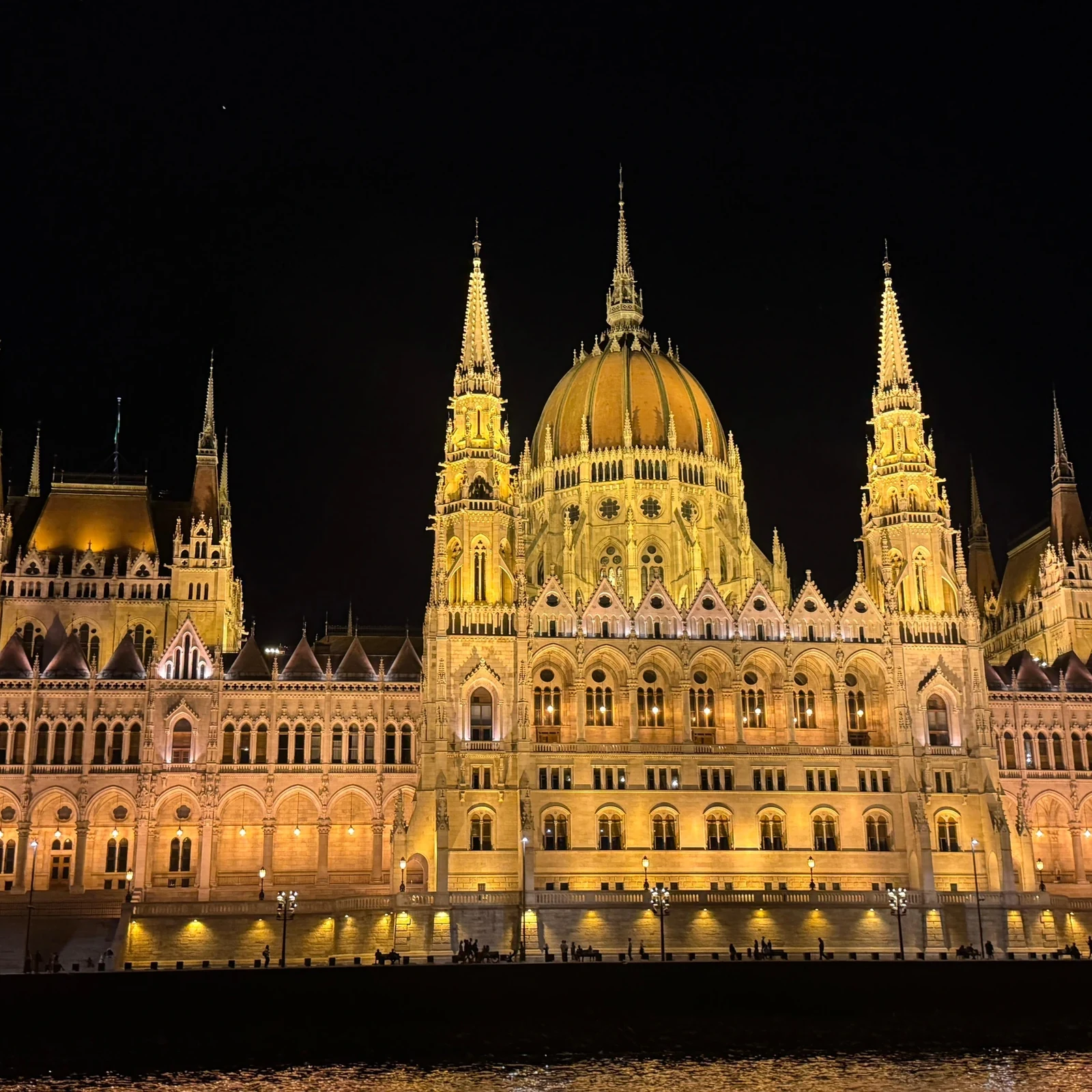
Take in some of Budapest's best-known landmarks from the Danube while enjoying chilled prosecco, Hungarian house wines, draught beer, soft drinks and mineral water.