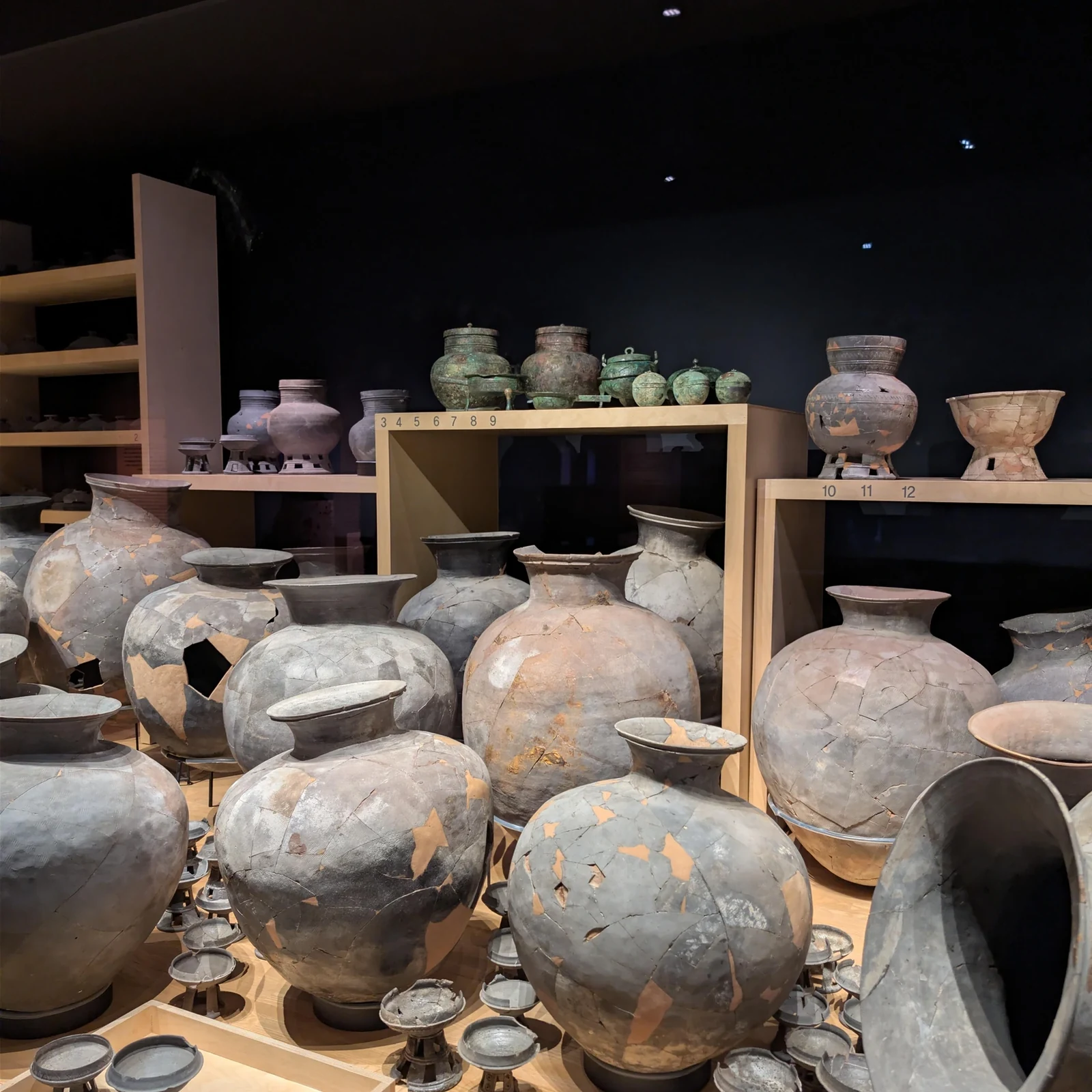
 Activity on TourBookGo
Busan to Gyeongju Day Trip Through UNESCO Heritage Sites
Discover whether this 12-hour Busan to Gyeongju day trip is worth it, with transport, an English guide, Bulguksa Temple, royal tombs and UNESCO sites.
A realistic Busan travel budget ranges from ₩65,000 to ₩580,000 per day, depending on your accommodation, meals, transport, and chosen experiences.
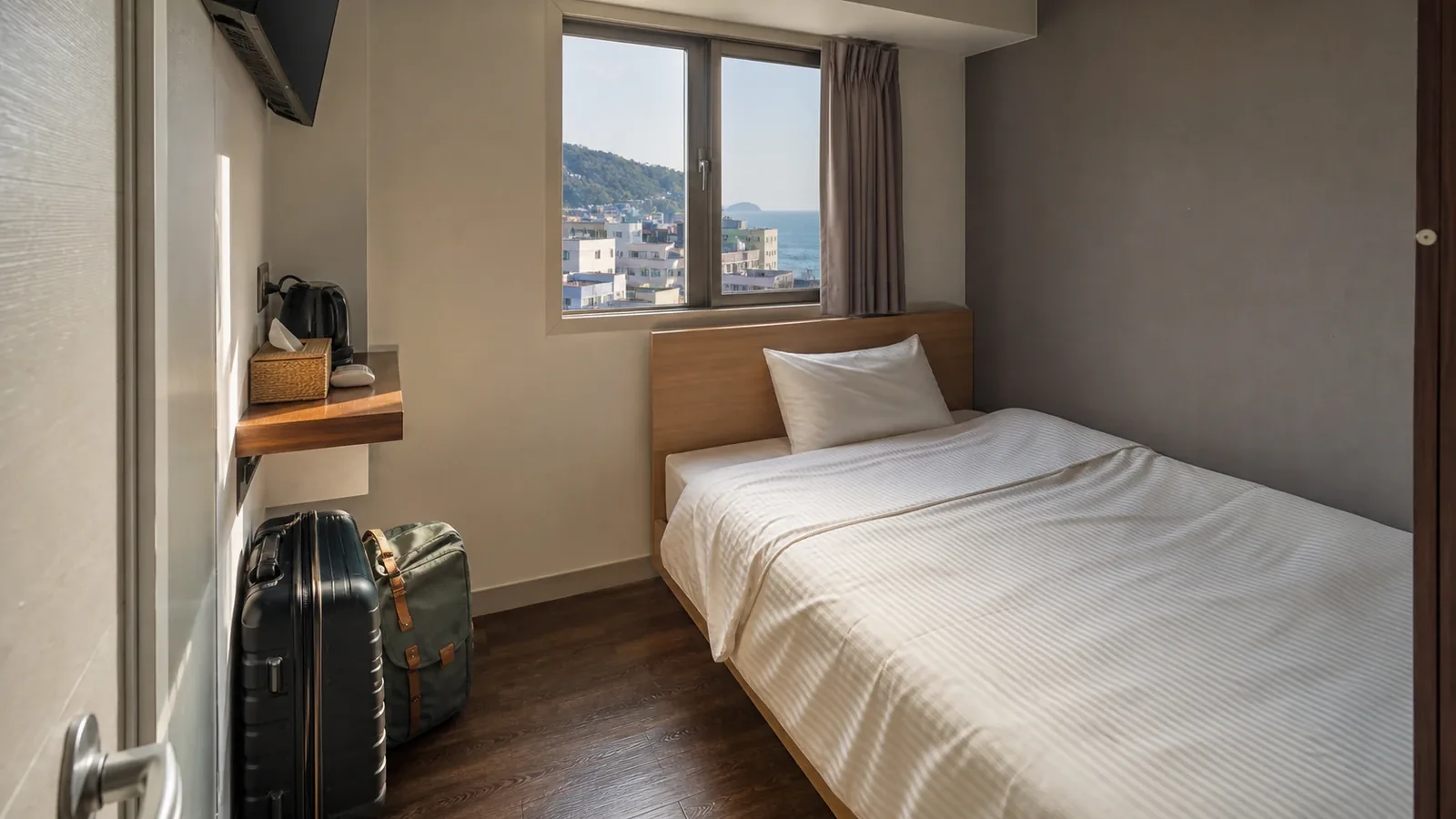
Planning a Busan travel budget becomes easier when you separate accommodation, food, transport, and activity costs. The city can feel surprisingly affordable when you start the day with a steaming bowl of soup at a neighborhood eatery, cross Busan by subway, and finish by admiring Gwangan Bridge without paying an entrance fee. That impression can change quickly once you add a sea-view room, a generous seafood dinner, several taxi rides, or Haeundae’s attractions. As a practical guide, a daily budget for Busan can range from ₩65,000 to ₩580,000 per person. The main variables are accommodation and the type of experiences you choose. At exchange rates from late July 2026, ₩1,000 was worth approximately €0.60, although it is sensible to allow some room for currency fluctuations and bank fees. European Central Bank
Compare locations and options to find a base that suits your trip. Booking.com confirms current availability and pricing.
Find accommodation on BookingThe following Busan travel budget estimates are per person and do not include international flights, trains from other Korean cities, or shopping. The calculations assume single occupancy; two people sharing a room can significantly reduce the accommodation cost per traveler.
Budget: ₩65,000–105,000 per day, approximately €39–63.
Mid-range: ₩135,000–230,000 per day, approximately €81–139.
Comfortable or special: ₩300,000–580,000 per day, approximately €181–350.
This budget means staying in a hostel, guesthouse, capsule hotel, or basic room; eating mainly at local restaurants; using public transport in Busan; and combining free sights with the occasional paid attraction.
Traveling cheaply does not mean missing the character of the city. Busan has urban beaches, markets, temples, coastal trails, and lively neighborhoods that can be enjoyed for very little money. Accommodation will be the main constraint: on busy weekends, finding a cheap room near Haeundae or Gwangalli can be difficult.
This is the most balanced budget for travelers who want a private mid-range hotel, the freedom to enjoy local food without counting every coin, and enough room for experiences such as the coastal train, a spa, or an observation deck.
It allows you to travel without extravagance, but also without turning every meal or journey into a financial decision. Seomyeon generally offers a good balance of accommodation prices and transport connections; Haeundae adds the appeal of the sea, although you will usually pay a premium for the location. A recent analysis of hundreds of properties found lower average prices in Seomyeon than in the most sought-after coastal areas, although actual rates vary widely depending on the date and availability.
호텔핑
This category includes upscale hotels or oceanfront rooms, frequent taxi rides, seafood dinners, cocktails, spas, and several paid attractions.
Busan can absorb this budget with ease. Coastal luxury is concentrated mainly around Haeundae, Gwangalli, and some resorts in Gijang. In return, you get comfort and scenery, but not necessarily a more authentic experience: many of the city’s most memorable meals are still served under bright white lights, at simple tables, and for a fraction of the price of a restaurant with panoramic views.
The calculations assume one night of accommodation for each day shown. If the final day ends with an early departure, one night can be deducted.
Three days: budget, ₩195,000–315,000; mid-range, ₩405,000–690,000; comfortable, ₩900,000–1,740,000.
Five days: budget, ₩325,000–525,000; mid-range, ₩675,000–1,150,000; comfortable, ₩1,500,000–2,900,000.
Seven days: budget, ₩455,000–735,000; mid-range, ₩945,000–1,610,000; comfortable, ₩2,100,000–4,060,000.
In euros, the budget for a five-day mid-range trip to Busan would be approximately €407–694 per person, excluding flights. A couple sharing a room should calculate accommodation jointly while keeping food, transport, and activity expenses separate.
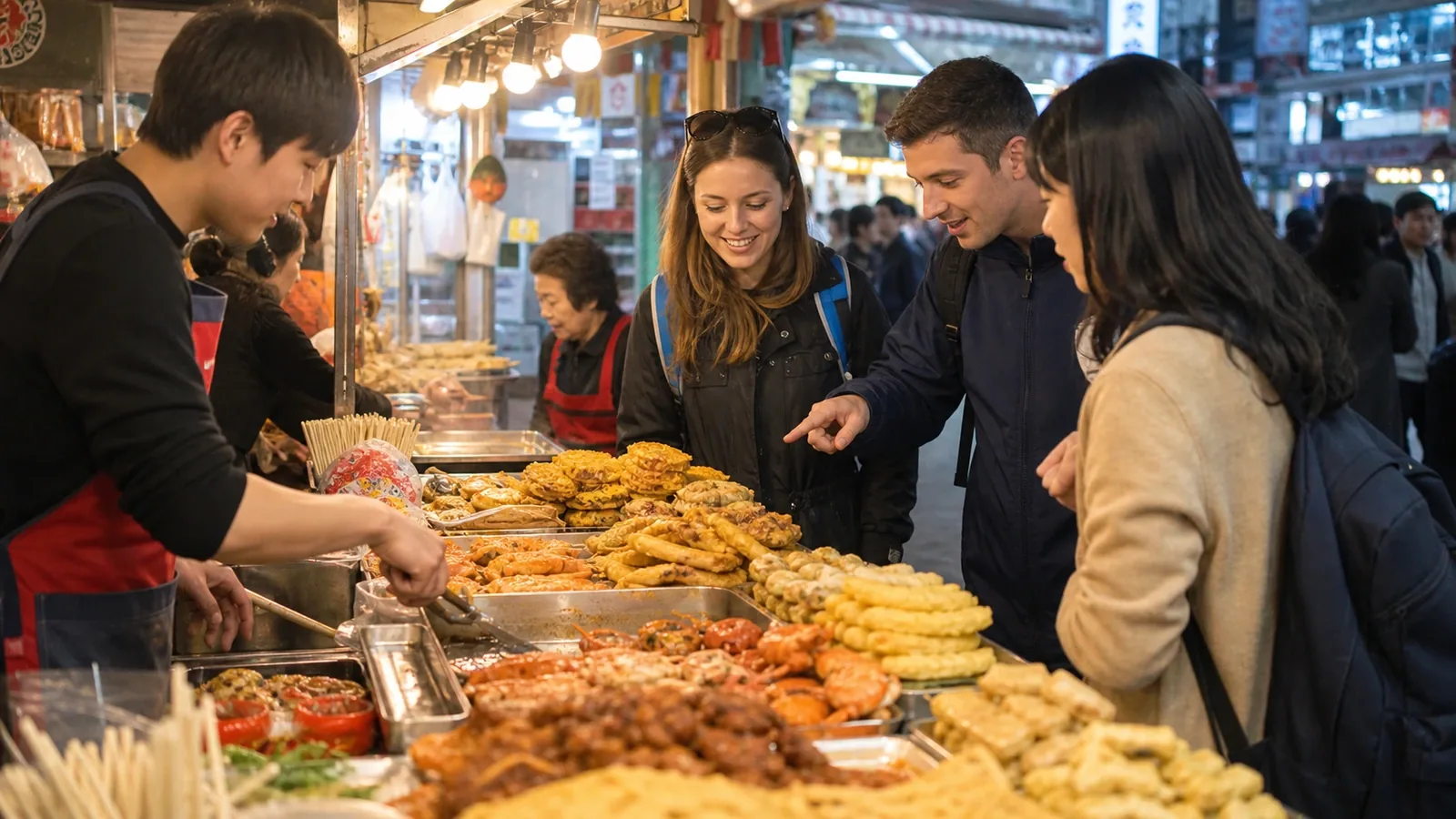
Eating cheaply in Busan is still possible, especially away from the most touristy waterfront areas. A daily food budget of ₩25,000–40,000 covers simple breakfasts, local dishes, and street food. To alternate between traditional restaurants, cafés, and the occasional more substantial dinner, it is more realistic to set aside ₩45,000–75,000 per day.
Affordable options include dwaeji gukbap, milmyeon, mandu, kimbap, and the food stalls at BIFF Square. As a specific 2026 reference, ssiat hotteok was sold at several stalls for around ₩1,500–2,500, while some casual dinners for two cost approximately ₩50,000–60,000.
vibekorea 님의 블로그
Seafood comes with a warning. At markets such as Jagalchi, the displayed fish price does not always represent the final cost: preparation, place settings, table charges, drinks, or soup may be added. Asking for the total before sitting down helps prevent a bill saltier than the sea itself.
Busan is vast. Haeundae, Gamcheon, Nampo, Songdo, and Haedong Yonggungsa may look like parts of the same compact city on a map, but traveling between them takes time and money.
The subway currently costs ₩1,600 or ₩1,800 per journey with a transport card, depending on the distance. A one-day subway pass is also available for ₩6,000, along with a three-day pass for ₩13,000. These passes do not cover buses, the Donghae Line, or other rail systems.
Humetro Busan
For most travelers, ₩5,000–10,000 per day is enough when using the subway and buses. Taxis are reasonably priced for short journeys, but repeatedly using them to cross the city can quickly derail a moderate budget.
Much of Busan’s appeal is free: Haeundae, Gwangalli, Gamcheon, Huinnyeoul, many temples, markets, and coastal walks do not charge admission.
More commercial experiences increase the cost. The Haeundae Beach Train currently starts at ₩7,000 for a one-way ride, with more expensive options for two rides or multiple stops.
Blueline Park
For international visitors, the Visit Busan Pass costs ₩55,000 for 24 hours, ₩85,000 for 48 hours, ₩45,000 for the Big 3 option, and ₩65,000 for the Big 5 option. It generally pays off only when several expensive attractions are packed into the validity period; buying it for just one or two places may cost more than purchasing separate admission tickets.
Visit Busan Pass
Staying in Seomyeon or Nampo can reduce accommodation costs in Busan and make some journeys easier, although it means giving up the experience of waking up by the beach. Grouping sights by area prevents you from crossing the city several times in a single day. It is also advisable to book accommodation in Haeundae, Gwangalli, and Gijang in advance when traveling during summer, on weekends, or around major events.
The most common mistake is saving on small expenses while losing money on the big ones: choosing a cheap but remote hotel, using taxis to compensate for the poor location, or buying a tourist pass without calculating the actual admission costs.
Busan rewards travelers who mix different experiences. One day might include a simple lunch, a free coastal trail, and a special dinner; another might feature a popular attraction followed by several hours walking through neighborhoods where the city still feels lived in rather than staged. That balance usually creates a richer trip than focusing solely on the lowest price or the most expensive comforts.
Discover selected experiences in Busan to complete this guide with Korean culture, food, coastline, markets, temples and well-organised day trips.
Activity on TourBookGoDiscover whether this 12-hour Busan to Gyeongju day trip is worth it, with transport, an English guide, Bulguksa Temple, royal tombs and UNESCO sites.
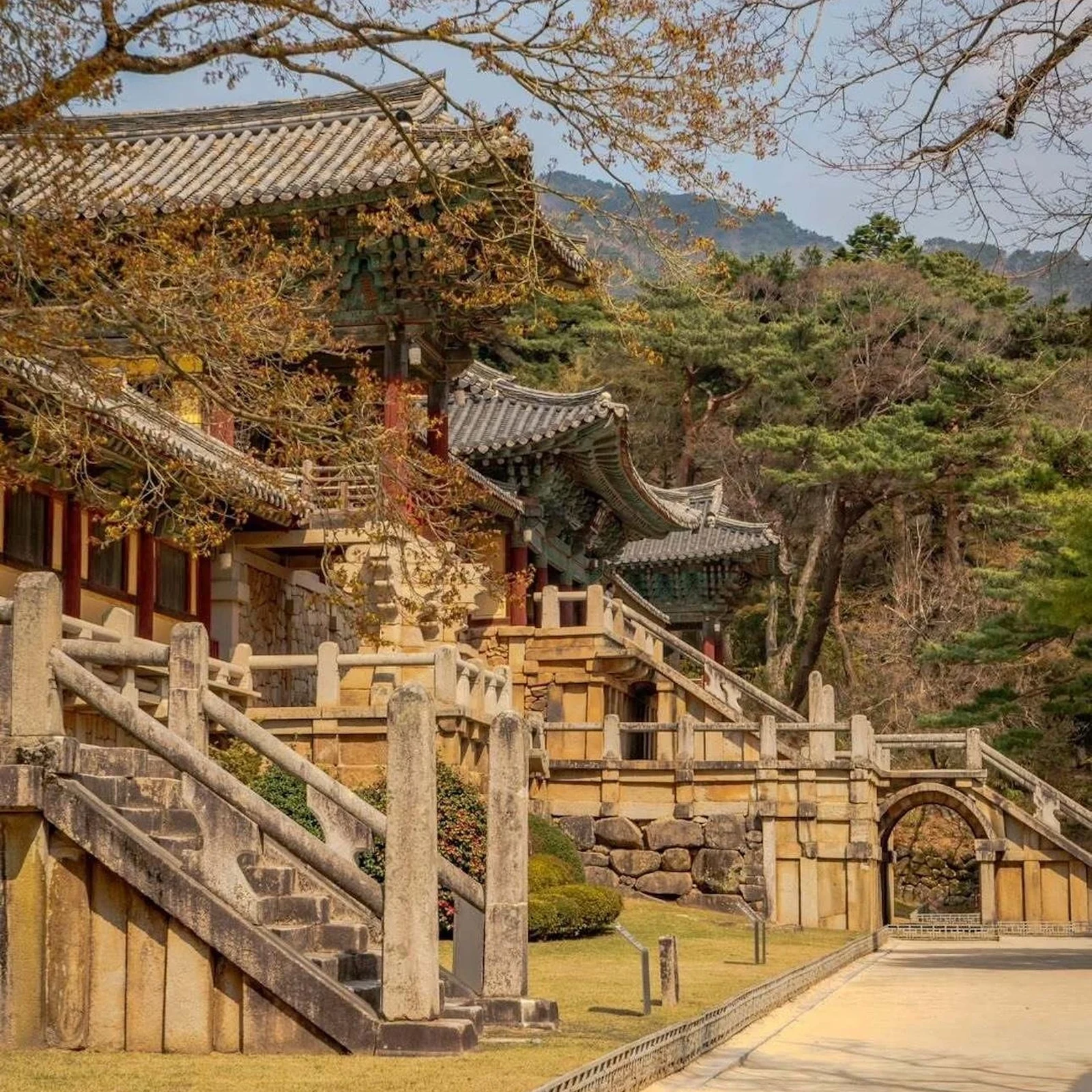 Activity on TourBookGo
Book a private Busan to Gyeongju tour with hotel pickup, exclusive transport, an English-speaking guide and a flexible nine-hour itinerary.
 Activity on TourBookGo
Book a 2-day Busan and Gyeongju tour with pickup, transport and an English-speaking guide. Visit Yonggungsa, Bulguksa, markets and Silla sites.