 Activity on TourBookGo
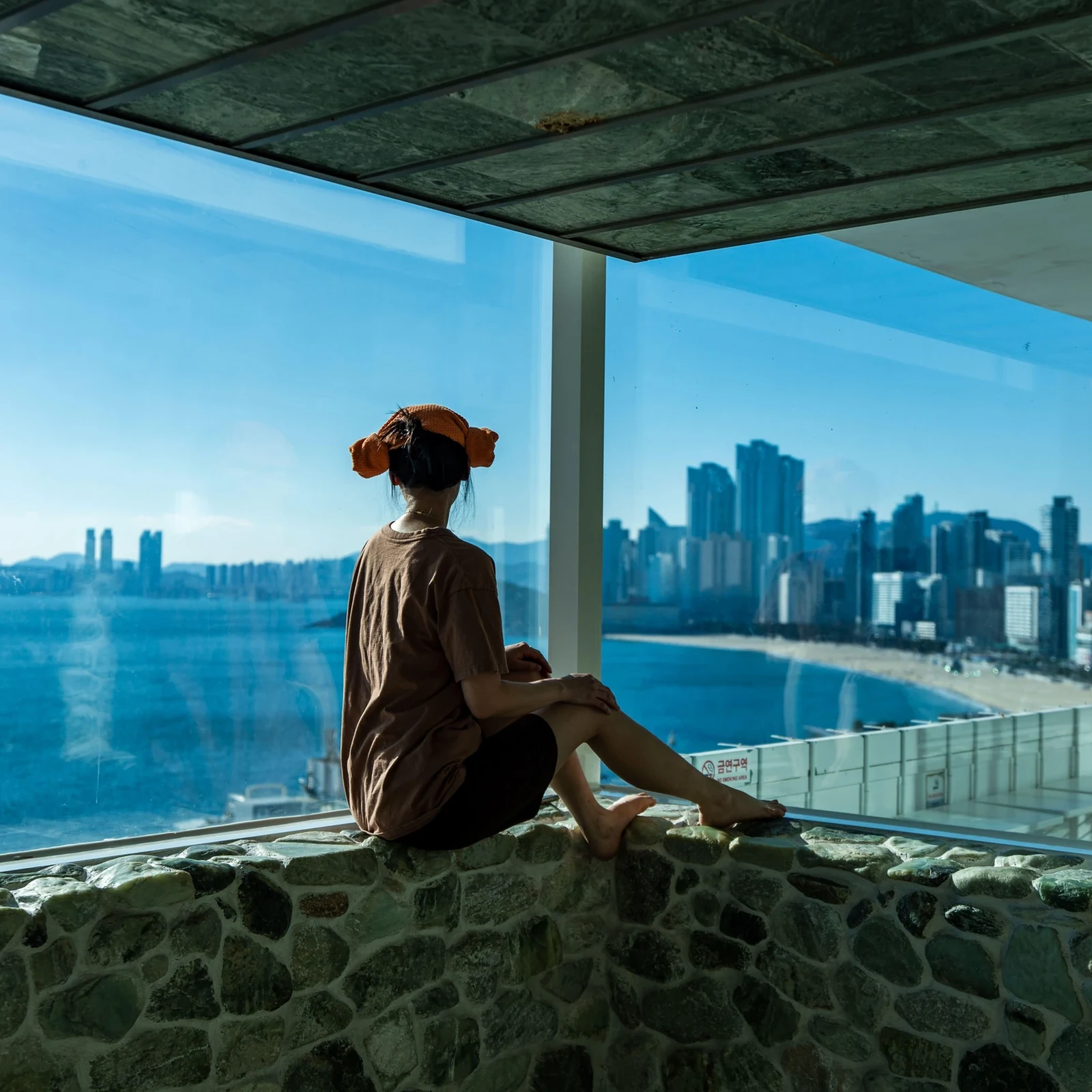
HILLSPA Haeundae Ticket for Baths, Saunas and Sea Views
Book a HILLSPA Haeundae ticket for a Busan jjimjilbang with hot and cold baths, saunas, relaxation areas and a sea-view rooftop foot bath.
How to get around Busan depends on the distances, hills, and neighborhoods you plan to visit. The most practical approach is to combine the subway, buses, taxis, and walking.
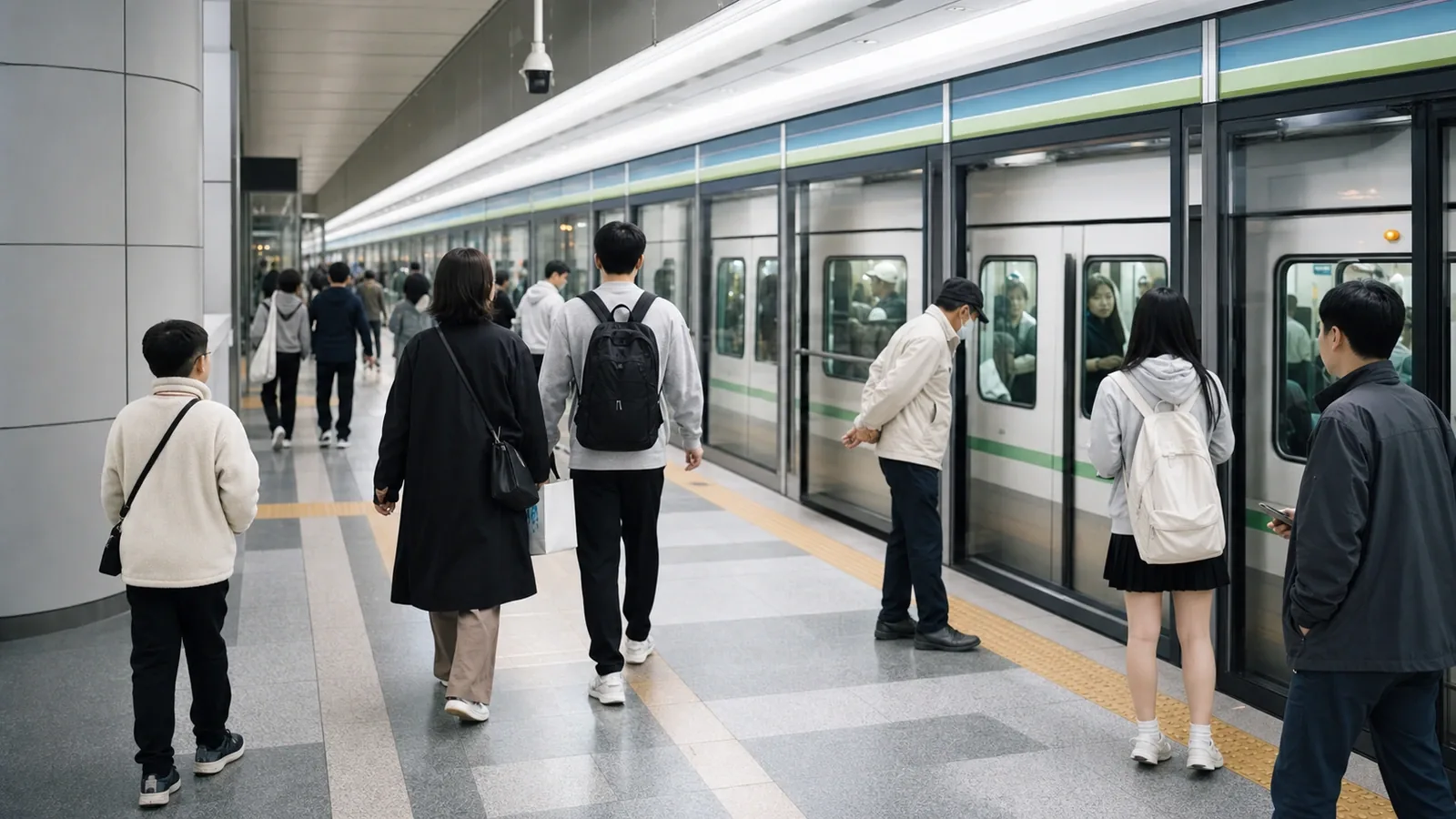
Understanding how to get around Busan is essential if you want to make the most of your trip. The city stretches across mountains, harbors, and long sections of coastline, so Haeundae, Gamcheon, Nampo, Gwangalli, and Haedong Yonggungsa are much farther apart than they appear on a map. Crossing Busan can take up much of a morning and often requires a combination of subway rides, buses, and walking. The good news is that you do not need to rent a car to visit the city’s main attractions. However, it pays to plan your journeys and group sights by area: a poorly arranged route can turn an exciting day into a long sequence of transfers.
Compare locations and options to find a base that suits your trip. Booking.com confirms current availability and pricing.
Find accommodation on BookingBusan public transportation is extensive, reasonably easy to understand, and sufficient for most travelers. The network includes four main subway lines, the Busan–Gimhae Light Rail Transit, and the Donghae railway line, which is particularly useful for traveling along the eastern coast.
The subway does not take you directly to every attraction. Gamcheon Culture Village, Taejongdae, Huinnyeoul, Songdo, and Haedong Yonggungsa Temple usually require an additional bus ride, taxi journey, or walk. The best way to travel around Busan is therefore to combine several forms of transportation rather than relying on just one.
For longer journeys, the Busan subway is usually the simplest and most predictable option. It connects major areas such as Busan Station, Nampo, Seomyeon, Gwangalli, Haeundae, Centum City, and Sasang. Services generally run from early morning until around midnight, although first and last train times vary by station.
Stations are well organized, and their names are also displayed in the Latin alphabet. Even so, there are two things worth remembering.
First, Busan is a very large city. Traveling between distant neighborhoods can take several dozen minutes even when there are no delays. Second, some stations are quite far from the attraction associated with their name. Arriving by subway does not always mean emerging beside the beach, market, or viewpoint.
Single-use tickets and mobile passes valid for one or three days are available for the subway network. These passes provide unlimited travel during their validity period, but they do not cover buses, the Donghae Line, or the Busan–Gimhae Light Rail Transit. Before buying one, calculate how many subway-only journeys you are likely to make.
A rechargeable transportation card such as Tmoney or EZL saves you from buying a separate ticket for every journey. It can be used on the Busan subway and buses and gives you access to transfer discounts when you change services within the designated time limit. Cards can usually be purchased and topped up at convenience stores.
When boarding a bus, tap your card on the reader and tap it again when getting off, especially if you plan to continue by another form of transportation. Paying in cash is generally less economical and does not provide the same transfer discounts.
Avoid loading too much money onto the card on your first day. It is more practical to top it up gradually than to finish your trip with a balance that may be difficult to recover.
Busan buses go where the subway cannot: neighborhoods built on steep slopes, coastal roads, outlying temples, and remote parks. They are essential for reaching many of the places that give the city its distinctive character, although they require a little more patience.
Stops may be located on opposite sides of large intersections, routes can differ depending on the direction of travel, and coastal traffic can become slow on weekends and during holiday periods. City buses also restrict bulky luggage; with a large suitcase, the subway, an airport service, or a taxi is usually more convenient.
For navigation, Naver Map is generally more useful than relying solely on international mapping services. It provides real-time route and transportation information and offers features designed for overseas visitors.
Save the Korean name of your destination in the app before leaving. This can prevent confusion when several stops have similar names or when English translations vary slightly.
Taxis in Busan do not need to be your main form of transportation, but they can save time and effort within a well-planned itinerary.
They are particularly useful for covering the final stretch to a temple, viewpoint, or hillside neighborhood; returning after dinner when public transportation runs less frequently; traveling with children, passengers with reduced mobility, or luggage; and connecting two places with poor public transportation links.
Busan has regular, deluxe, and larger-capacity taxis. Higher-tier options cost more than standard taxis.
During rush hour, a taxi can become stuck in the same traffic as a bus. Taking one across the entire city does not always save time and can be unnecessarily expensive. The most efficient strategy is usually to use the subway for the main part of the journey and reserve a taxi for the final stretch.
Carry your destination written in Korean or show it directly on a map, as communication in English is not guaranteed.
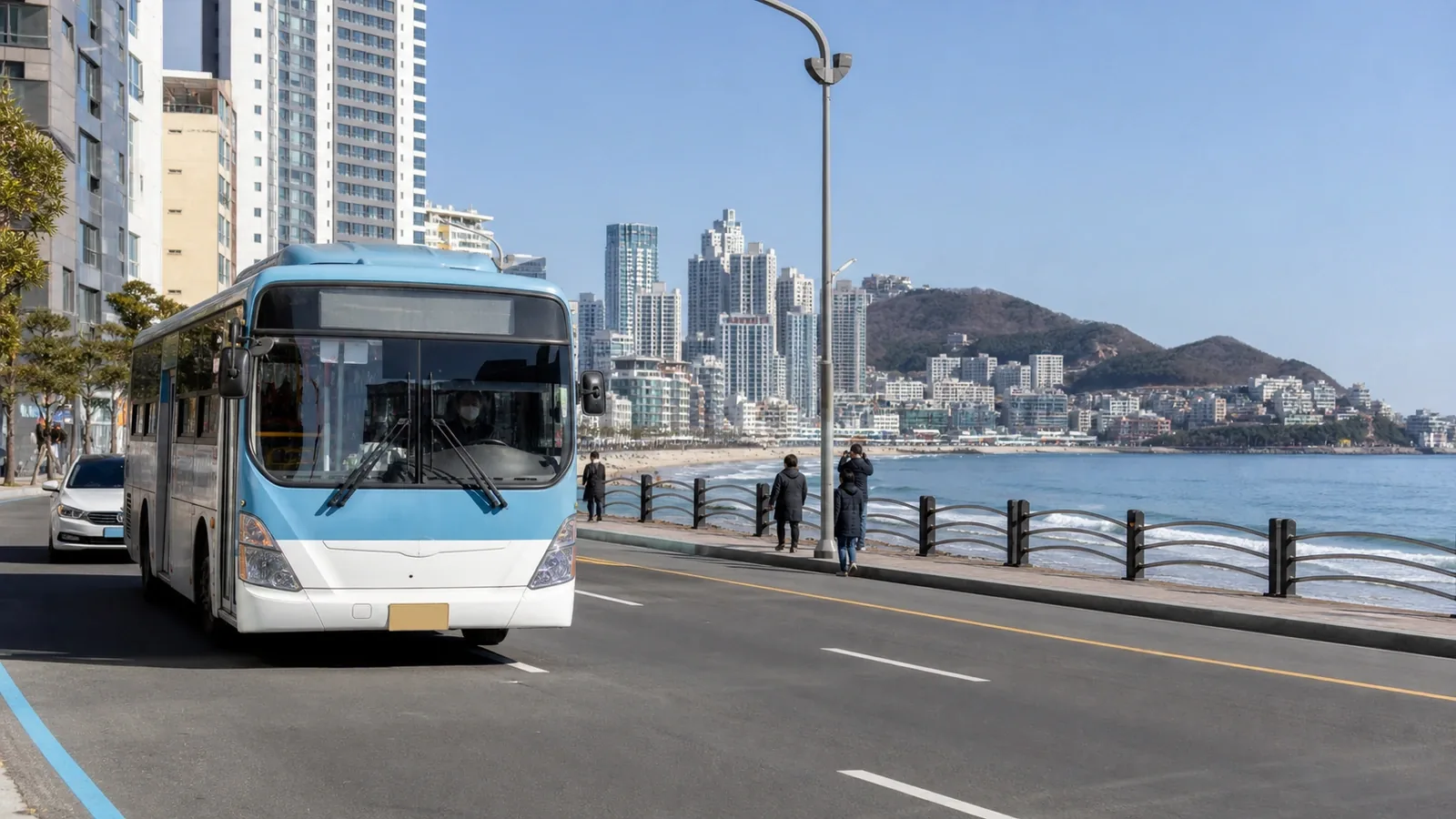
Busan rewards travelers who set aside time to explore on foot. Seaside trails, small harbors, and streets descending toward the water reveal a side of the city that the subway only hints at. Particularly scenic coastal routes can be found around Igidae, Haeundae, and Yeongdo.
However, Busan is not a flat city. Gamcheon, Huinnyeoul, and many traditional neighborhoods are filled with stairways, slopes, and narrow alleys. A distance that looks short on a map can become a demanding uphill walk in the summer humidity.
Walking works best within individual areas, not as a way to connect distant neighborhoods. Shoes with good grip, plenty of water, and a route that avoids climbing the same hill twice can make the experience far more enjoyable.
For a first visit focused on the main neighborhoods, renting a car in Busan is usually unnecessary. Public transportation reaches almost every major attraction and saves you from dealing with traffic, parking, and urban signage that can feel overwhelming.
A car starts to make sense when you want to explore the region’s outskirts, combine Busan with rural destinations, or travel with people who cannot manage several transfers. Even then, renting one for only one or two days is often more practical than keeping it for your entire stay.
In areas such as Seomyeon, Nampo, or Haeundae, a car can quickly become more of a burden than an advantage.
The airport is connected to Busan by the Busan–Gimhae Light Rail Transit. To continue toward the city center, transfer at Sasang to Line 2 or at Daejeo to Line 3. This is usually the most affordable and predictable option.
Travelers staying in Haeundae with luggage may prefer the airport limousine bus when its schedule is convenient, or a direct taxi. The Haeundae route avoids some transfers, although the total journey time may be similar to traveling by subway.
Group your visits by area. Spend one day in the west—Nampo, Jagalchi, Gamcheon, or Songdo—and another in the east—Gwangalli, Haeundae, Cheongsapo, or Gijang. Seomyeon is a useful central base, but it does not eliminate the city’s considerable distances.
A common mistake is to schedule Gamcheon in the morning, Haedong Yonggungsa after lunch, and Taejongdae at sunset. It may look ambitious on a map; in practice, it means crossing the city several times and seeing much of Busan through a window.
The most balanced approach is simple: use the subway to cross the city, buses to reach hillside neighborhoods and outlying attractions, taxis when the final stretch is inconvenient, and slow walks wherever the sea and hills deserve more of your time. Busan is best enjoyed when each day follows a coherent geographical route.
Discover selected experiences in Busan to complete this guide with Korean culture, food, coastline, markets, temples and well-organised day trips.
Activity on TourBookGoBook a HILLSPA Haeundae ticket for a Busan jjimjilbang with hot and cold baths, saunas, relaxation areas and a sea-view rooftop foot bath.
 Activity on TourBookGo
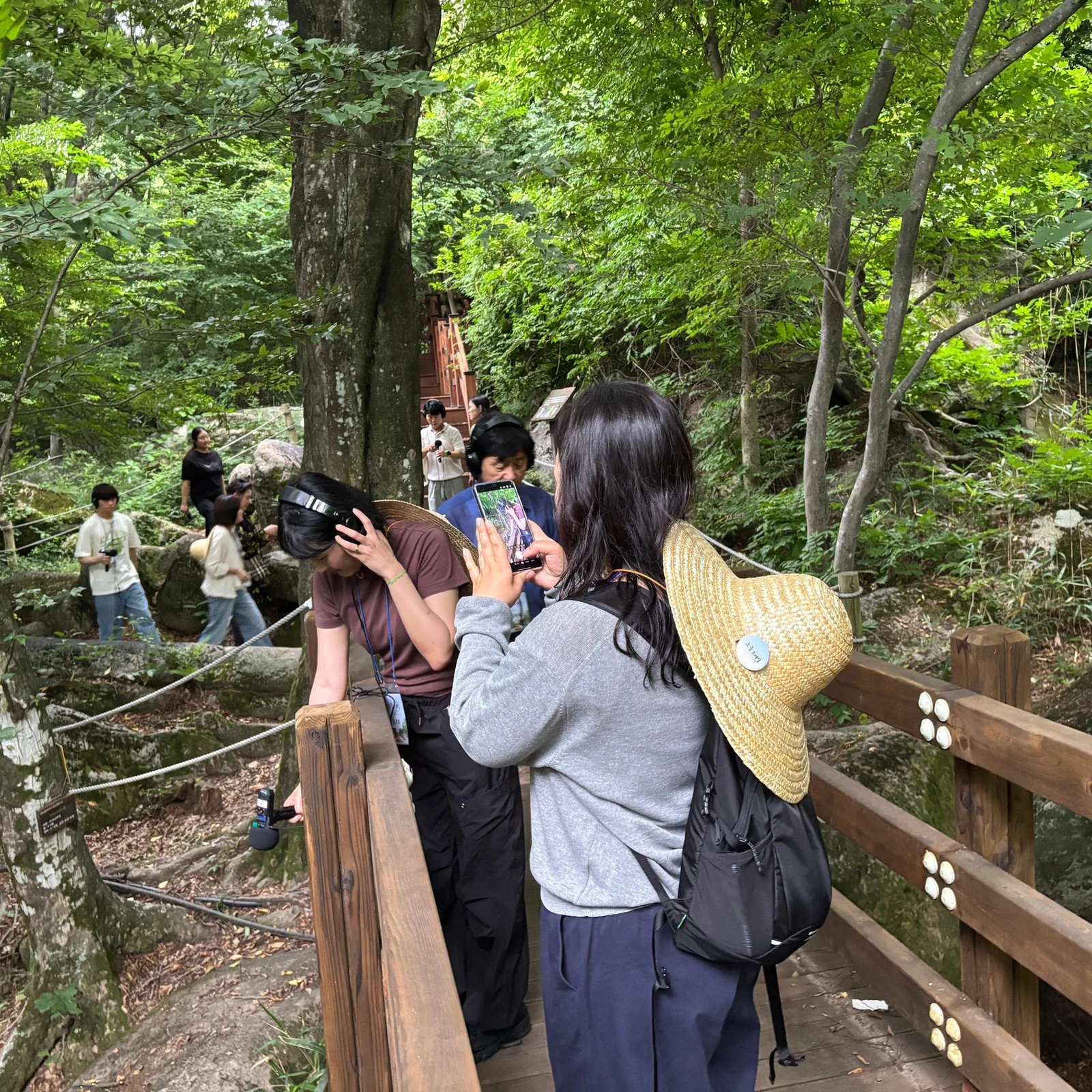
Book a Beomeosa Temple meditation and tea ceremony tour in Busan with Buddhist temple food, sound bowls and mindful hiking on Geumjeongsan.
 Activity on TourBookGo
Explore this 9-hour Busan wellness and culture tour with Korean archery, Gamcheon, Songdo, Nordic walking, meditation and transport.