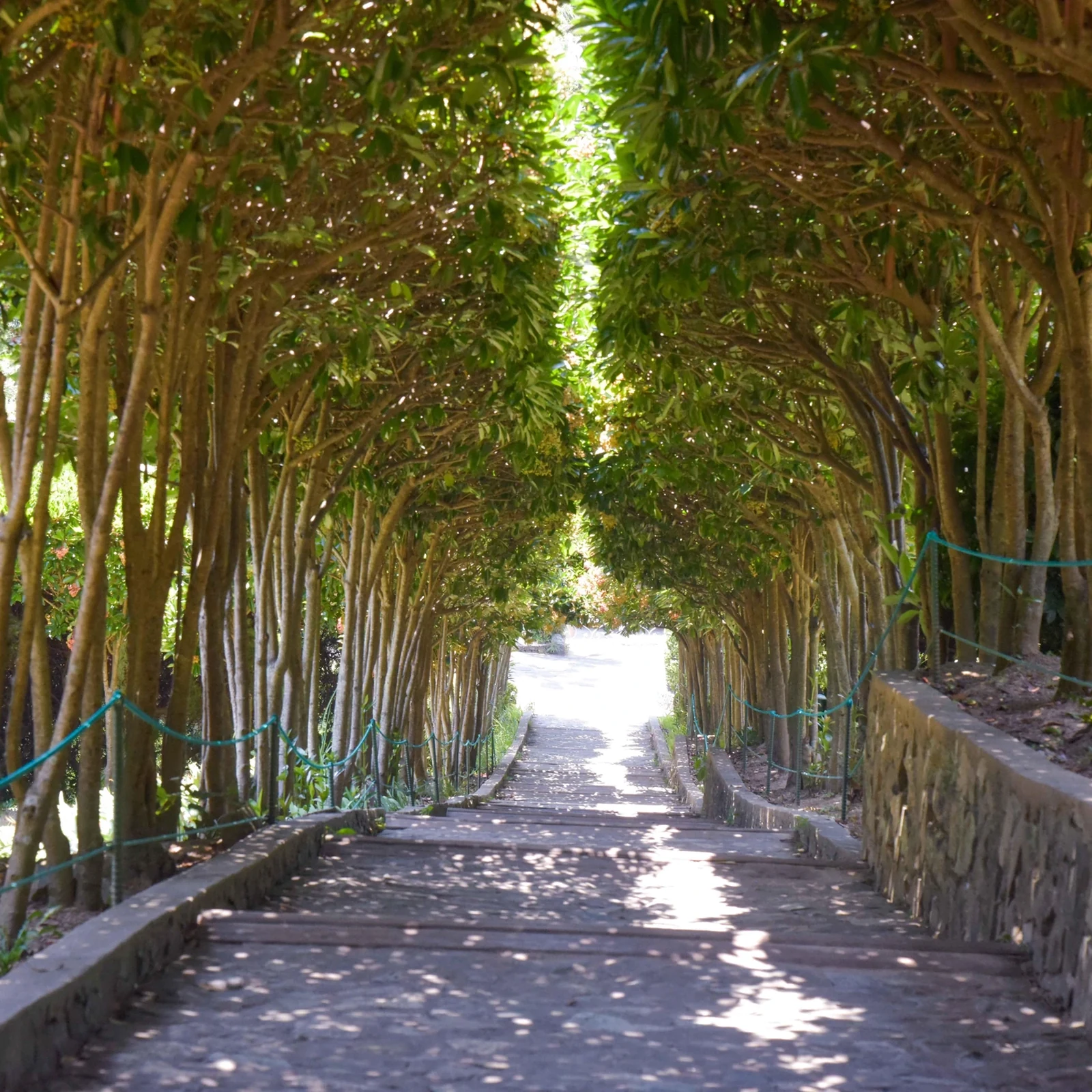
 Activity on TourBookGo
Busan to Geoje and Oedo Botania Day Trip
Book a Busan to Geoje and Oedo Botania day trip with transport, ferry, admission, an English-speaking guide and scenic coastal stops.
Busan stretches between mountains, harbor districts, and beaches facing the open sea. Early in the morning, the air smells of seaweed, coffee, and freshly unloaded fish; after dark, illuminated bridges shimmer on the water as restaurant steam drifts into the streets. Understanding the main mistakes to avoid in Busan will help you enjoy this intense, beautiful city without losing hours to unnecessary journeys or unrealistic expectations.
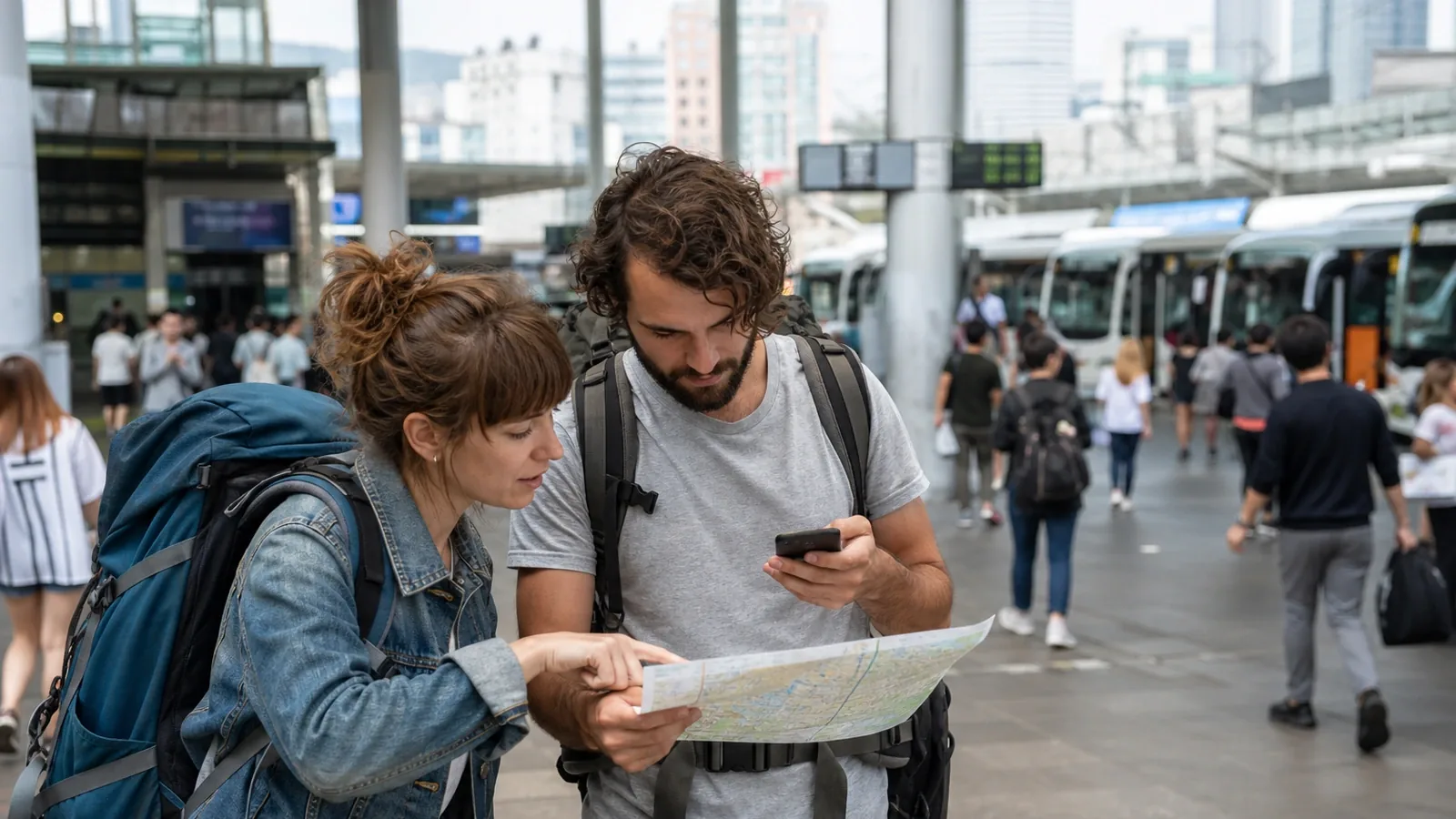
Most mistakes to avoid in Busan are not caused by the city itself, but by arriving with a poorly structured itinerary, expectations borrowed from Seoul, or the assumption that everything revolves around Haeundae. Planning by area, choosing the right accommodation, and understanding public transport can completely change your experience.
Compare locations and options to find a base that suits your trip. Booking.com confirms current availability and pricing.
Find accommodation on BookingOne of the most common mistakes when visiting Busan is trying to fit Gamcheon, Haedong Yonggungsa, Haeundae, Jagalchi, and Dadaepo into a single day. On a map, they may look like points within one city; in reality, they are scattered across a vast landscape of hills, harbors, and bays.
Several subway lines connect much of Busan, but some destinations require a combination of train, bus, taxi, and uphill walking.
To plan a Busan itinerary without wasting time, divide your days by area:
West: Gamcheon, Jagalchi, Nampo, and Songdo.
East: Haeundae, Cheongsapo, Songjeong, and Haedong Yonggungsa Temple.
Central: Seomyeon, markets, restaurants, and nightlife.
South: Gwangalli, Igidae, and coastal viewpoints.
Crossing the city several times in one day will leave you spending too much time in stations and arriving at each stop already tired.
A cheap hotel can cost you dearly in time. Staying far from the places you want to visit means extra transfers, longer walks, and inconvenient journeys back at night.
Haeundae is a strong base for beaches, cafés, and a seaside atmosphere, but it is far from Gamcheon and Nampo. Seomyeon is practical for traveling in different directions, although it lacks the coastal mood many visitors want. Nampo reveals Busan’s harbor character, but it is less convenient for exploring the eastern side of the city.
The best area to stay in Busan is not necessarily the most famous one, but the one that reduces the travel time built into your itinerary.
During concerts, festivals, or major events, book accommodation with flexible cancellation and review the terms carefully. Busan authorities have strengthened reporting systems and inspections following cases of excessive price increases or providers failing to honor bookings during high-demand periods.
In South Korea, even a correctly written address may not appear clearly in every international app. Arriving without a local alternative can turn a simple search into a confusing sequence of streets, subway exits, and improvised translations.
Naver Map provides walking, public transport, and driving routes, along with estimated journey times and business information. The Korea Tourism Organization includes it among its recommended apps for getting around the country.
Save destinations in advance, including their Korean names. It is also useful to keep a screenshot of your accommodation address to show a driver.
Busan has an efficient public transport network, but it helps to understand how it works before your first trip. A transport card can be used on the subway and buses and offers transfer discounts. On buses, tap the card both when boarding and getting off so the system records the journey correctly.
Do not plan your day assuming the subway will always run late into the night. Operating hours vary by station, and Busan does not have a night-bus network comparable to those in some other major cities.
After dinner or a night out in Gwangalli or Seomyeon, check the last departure in advance or set aside money for a taxi.
Haeundae and Gwangalli are enjoyable even in winter: the air feels cleaner, the shorelines are quiet, and cafés still offer wide windows overlooking the sea. However, enjoying the beach does not necessarily mean a supervised swimming area is open.
The official swimming season is concentrated in summer, and dates vary by beach and year. Outside that period, there may be no lifeguards, full facilities, or designated swimming zones. In summer, visitors must also follow warnings about currents, jellyfish, waves, and areas reserved for water sports.
Do not expect a peaceful, secluded cove at Haeundae during the busiest weeks. It is an urban beach surrounded by high-rises, hotels, and commercial activity. Anyone looking for more solitude should explore other stretches of coastline or travel outside peak season.
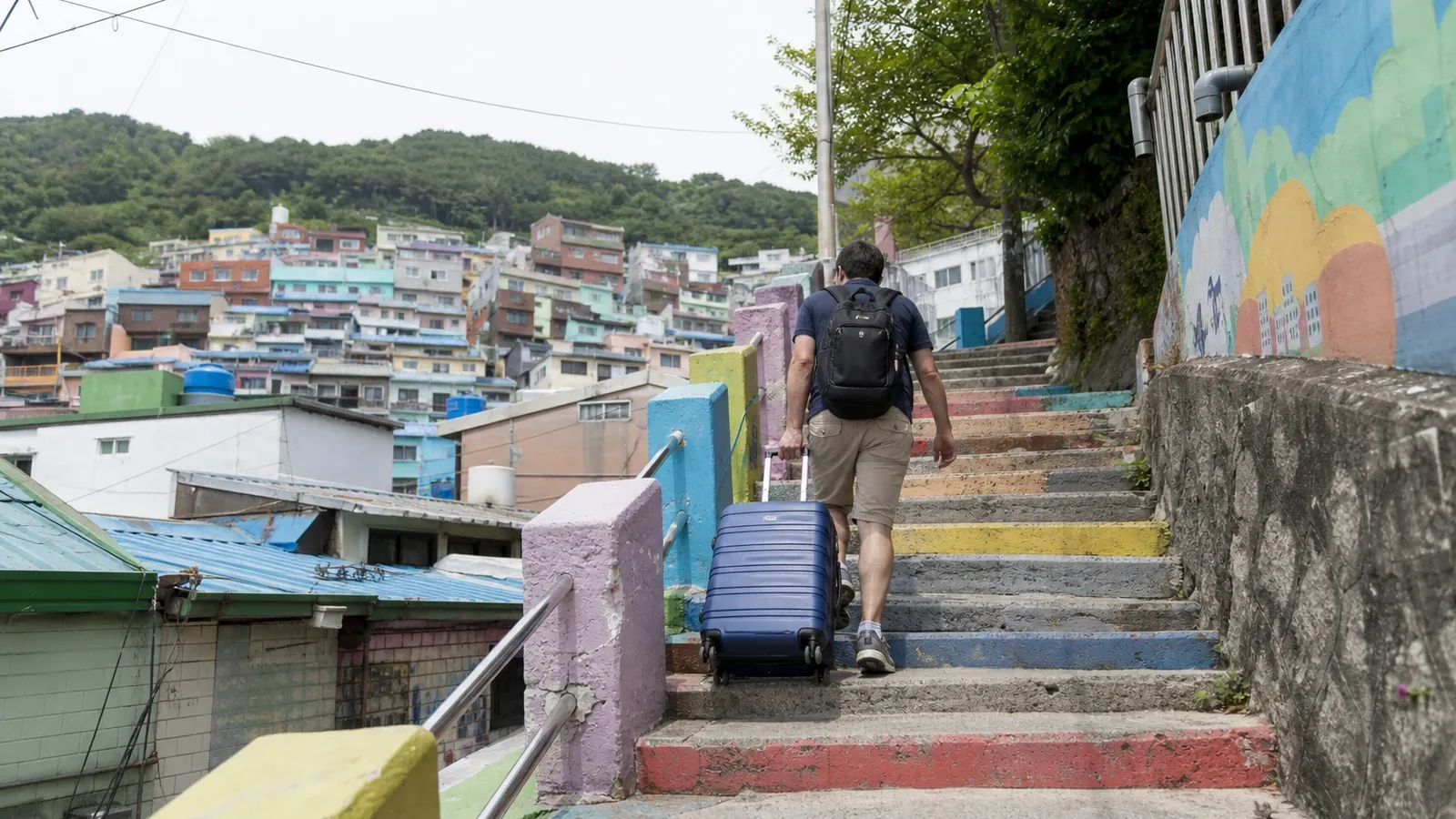
Gamcheon Culture Village is dazzling from its viewpoints: blue, green, and pink rooftops cascade toward the harbor through a maze of stairways. But it is not a theme park. It began as a settlement for refugees during the Korean War and remains a residential neighborhood.
Shouting, blocking doorways for photographs, entering private alleys, or peering into homes turns a visit into an intrusion. The official guide asks visitors to keep noise down, avoid littering, and refrain from using drones.
Walk slowly, support small local businesses when appropriate, and remember that residents’ daily lives matter more than any photograph.
Busan’s markets can become one of the highlights of the trip: silver fish laid out on ice, octopuses moving inside containers, steaming pots, and vendors who have worked beside the harbor for decades. They can also be confusing if you do not understand how prices are calculated.
Before ordering fish or seafood, confirm:
The total price or the price by weight.
Whether preparation is charged separately.
Which side dishes are included.
Whether the quantity is suitable for the number of diners.
This is not about distrusting everyone, but about preventing misunderstandings. Bargaining may be possible in some traditional markets, but aggressively haggling over a very small amount is awkward and discourteous.
Busan has no shortage of photogenic places, but chasing every one of them can create a strangely empty trip. Queuing at every Gamcheon viewpoint, every seat facing the sea, and every café in Cheongsapo takes up hours that could be spent wandering through Yeongdo, trying a bowl of hot soup, or watching Gwangandaegyo Bridge light up.
Viral images rarely show the hills, queues, wind, or noise. Some places are worth visiting; others are far more enjoyable when you arrive early or avoid the weekend.
Leave space in your schedule. Busan is easier to understand when your itinerary allows you to stop without constantly checking the time.
Stations and many attractions have clear signage, but communication may be limited in markets, family-run restaurants, and residential neighborhoods. This is rarely a serious problem if you remain calm.
Learning a few expressions, politely pointing to a dish, or using a translation app can completely change the interaction. Do not raise your voice when someone does not understand you: speaking louder does not translate your words.
Courtesy in Busan can feel less formal than in other parts of Korea, but respect remains essential.
Greet people when entering a small business, hand over money or a card calmly, and avoid demanding immediate adjustments. On public transport, do not block the doors, keep your phone volume low, and leave priority seats free.
When photographing markets, vendors, or fishermen, ask permission if a person is clearly the main subject. Local life is not part of the tourist scenery.
In summer, humidity can make the slopes of Gamcheon, the stairways of Huinnyeoul, and the coastal trails exhausting. Heavy rain can also disrupt excursions and seaside walks. In winter, the ocean wind feels colder than the temperature might suggest.
Wear shoes with a good grip: Busan has steep streets, stairways, and surfaces that can become slippery. During warmer months, avoid long walks in the middle of the day and save museums, covered markets, or cafés for the hottest hours.
Busan will not appeal to everyone in the same way. It may feel too spread out for travelers who prefer walkable cities, too developed for those imagining wild beaches, and overwhelming for anyone trying to see everything in two days.
For travelers who enjoy contrasts—seaside temples, hillside neighborhoods, noisy markets, modern avenues, and evenings by the beach—it offers a personality unlike that of any other Korean city.
One of the biggest mistakes to avoid in Busan is expecting it to be Seoul by the sea. Busan has its own rhythm: more salt, more wind, greater distances, and a beauty that reveals itself when you stop rushing.
Discover selected experiences in Busan to complete this guide with Korean culture, food, coastline, markets, temples and well-organised day trips.
Activity on TourBookGoBook a Busan to Geoje and Oedo Botania day trip with transport, ferry, admission, an English-speaking guide and scenic coastal stops.
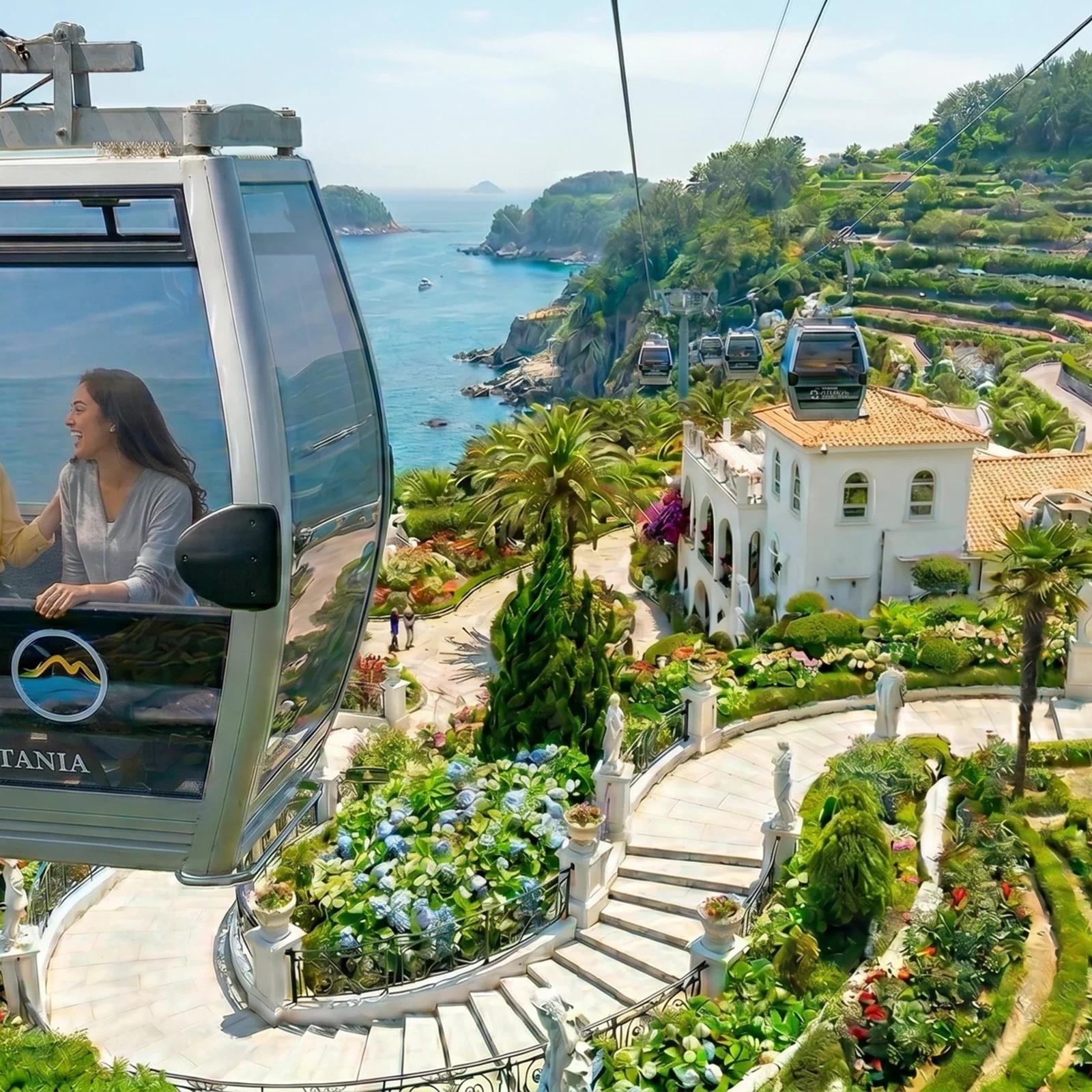 Activity on TourBookGo
Book a Geoje and Oedo day trip from Busan with the panoramic cable car, Haegeumgang cruise, Windy Hill, Tongyeong and a licensed guide.
 Activity on TourBookGo
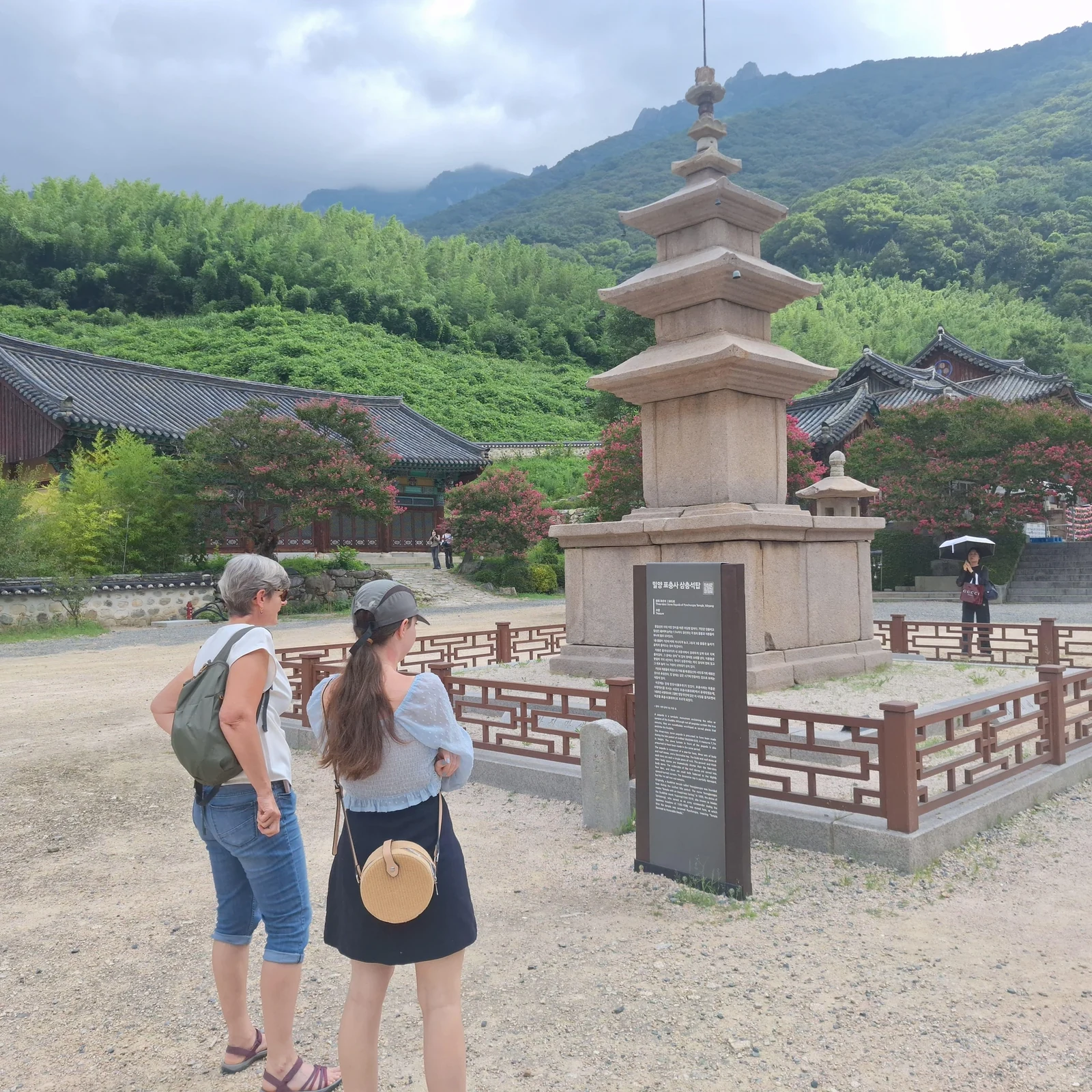
Book a Busan to Miryang day trip with transport, a live guide, Miryang Hyanggyo, Pyochungsa Temple and an apple makgeolli workshop.