 Activity on TourBookGo
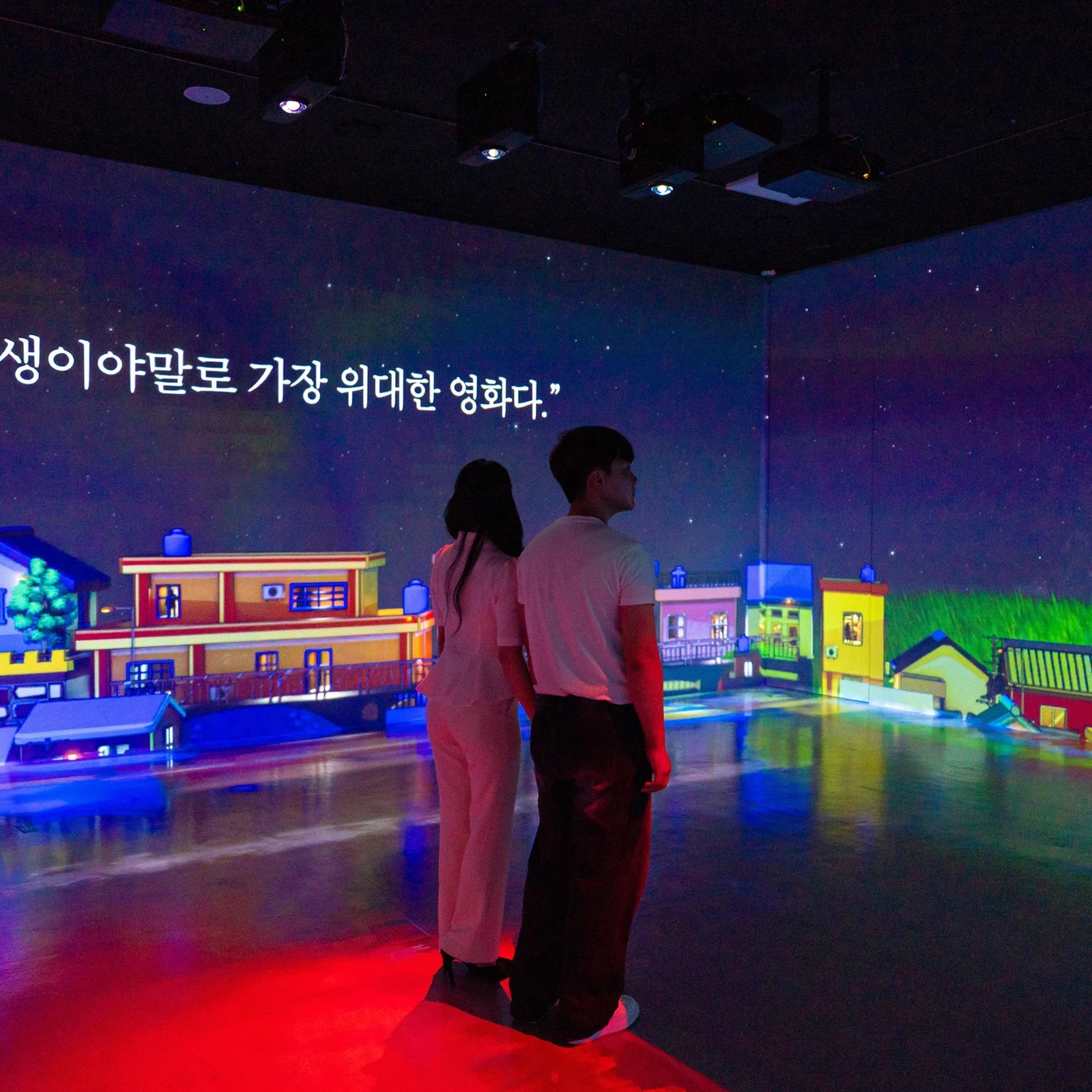
Busan Museum of Movies Ticket: Explore Korean Cinema
Book a Busan Museum of Movies ticket from €7. Try dubbing, editing, green screen and special effects. Free cancellation up to 24 hours in advance.
Seomyeon is the most convenient base for a first visit, Haeundae and Gwangalli let you wake beside the sea, and Nampo-dong brings you closer to Busan’s markets and port history.
Choosing where to stay in Busan can shape your entire trip. The city stretches across mountains, bays, and coastal neighborhoods, so two places that look close on a map may still require a long subway or bus journey. Public transportation is reliable, but traveling between opposite sides of Busan takes time, especially when transfers are involved. For a first visit, the best areas to stay in Busan are Seomyeon, Haeundae, Gwangalli, and Nampo-dong. No single neighborhood suits every traveler: each offers a different atmosphere, transport network, and way to experience the city.
Compare locations and options to find a base that suits your trip. Booking.com confirms current availability and pricing.
Find accommodation on BookingSeomyeon sits at the heart of Busan’s transportation network. It is a convenient base for travelers who want to divide their time between the eastern beaches, southern markets, and historic districts near the port without changing hotels.
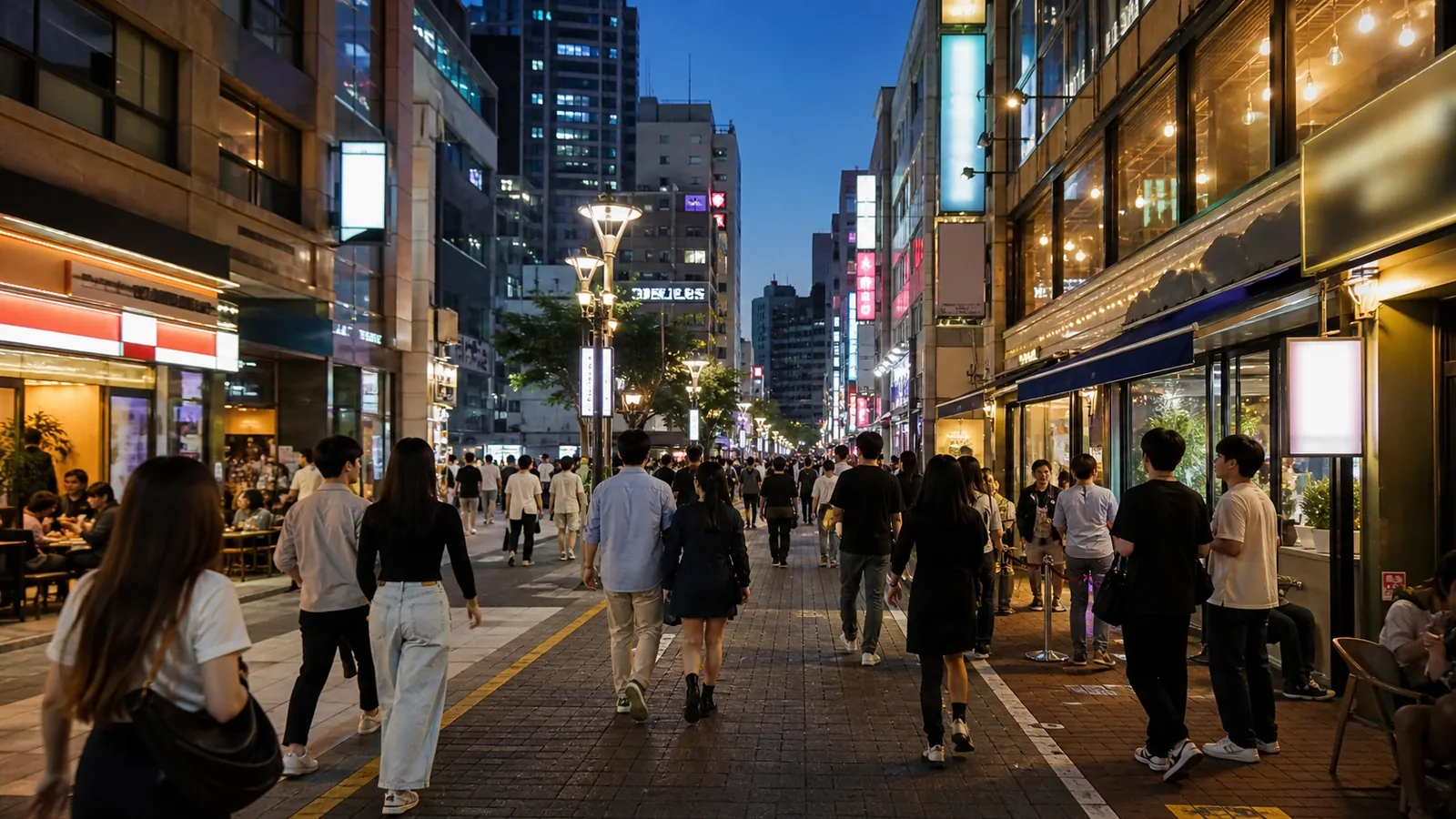
The neighborhood is lively and intense, with bright screens, restaurants, shopping malls, and streets that remain active late into the night. Nearby, Jeonpo replaces some of the commercial bustle with independent cafés, small workshops, design shops, and alleyways where old buildings and contemporary businesses coexist. Visit Busan describes Seomyeon as one of the city’s busiest areas and places Jeonpo Café Street just a few minutes from Line 2.
Seomyeon accommodation is particularly well suited to first-time visitors, short stays, food lovers, and travelers who value convenient subway connections more than sea views.
The neighborhood does not offer the coastal scenery many travelers associate with Busan. Some streets are noisy, the surroundings can feel overwhelming, and hotels close to the main nightlife areas do not always guarantee a peaceful night’s sleep.
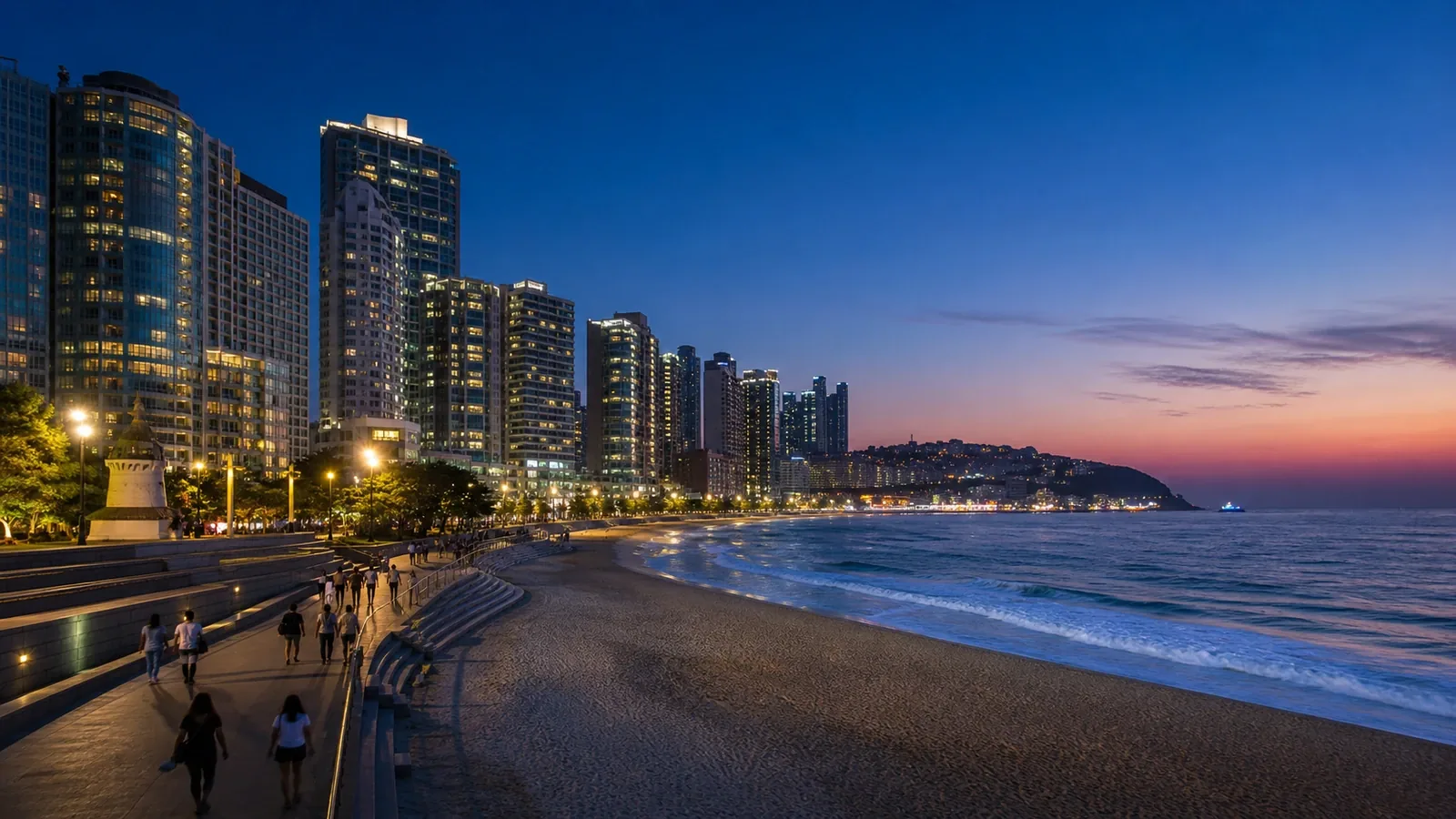
Haeundae is Busan’s most recognizable postcard: a wide urban beach, glass towers, waterfront promenades, and a larger selection of hotels than most other neighborhoods. Nearby are Dongbaek, Mipo, and transport links to Cheongsapo and the eastern coastline. The city’s official tourism website recommends staying here to explore the beach, coastal trail, market, and The Bay 101 area without long journeys.
In the morning, Haeundae can feel bright and peaceful. As evening falls, terraces, restaurants, and illuminated façades transform the waterfront. It is a comfortable area for couples, families, and travelers who like being able to return to their hotel between outings.
Hotels in Haeundae are a strong choice for travelers who want to wake near the sea, prefer upscale accommodation, or plan to spend much of their trip exploring Busan’s east coast.
It is a tourist-oriented area, and beachfront accommodation often becomes more expensive during summer and on weekends. It is also far from Nampo-dong, Jagalchi, Gamcheon, and other places in the southwest. During the swimming season and warmer months, the beach loses some of its usual calm.
Gwangalli has a beauty of its own. The beach faces Gwangan Bridge, which appears to float above the water at night amid lights and reflections. Cafés, restaurants, and small bars line the promenade, creating a more sociable atmosphere than Haeundae. Busan’s tourism office specifically highlights its nighttime views and lively mood from morning until late.
It is particularly appealing to couples, groups of friends, and travelers who enjoy ending the day beside the sea without heading into a major nightlife district.
Places to stay in Gwangalli are ideal for romantic trips, urban getaways, café lovers, and travelers who prefer a beach with local energy and a striking nighttime skyline.
Not every hotel is close to a subway station. A room advertised as being in Gwangalli may be an inconvenient distance from Line 2. The waterfront can also become noisy during events, summer evenings, and weekends.
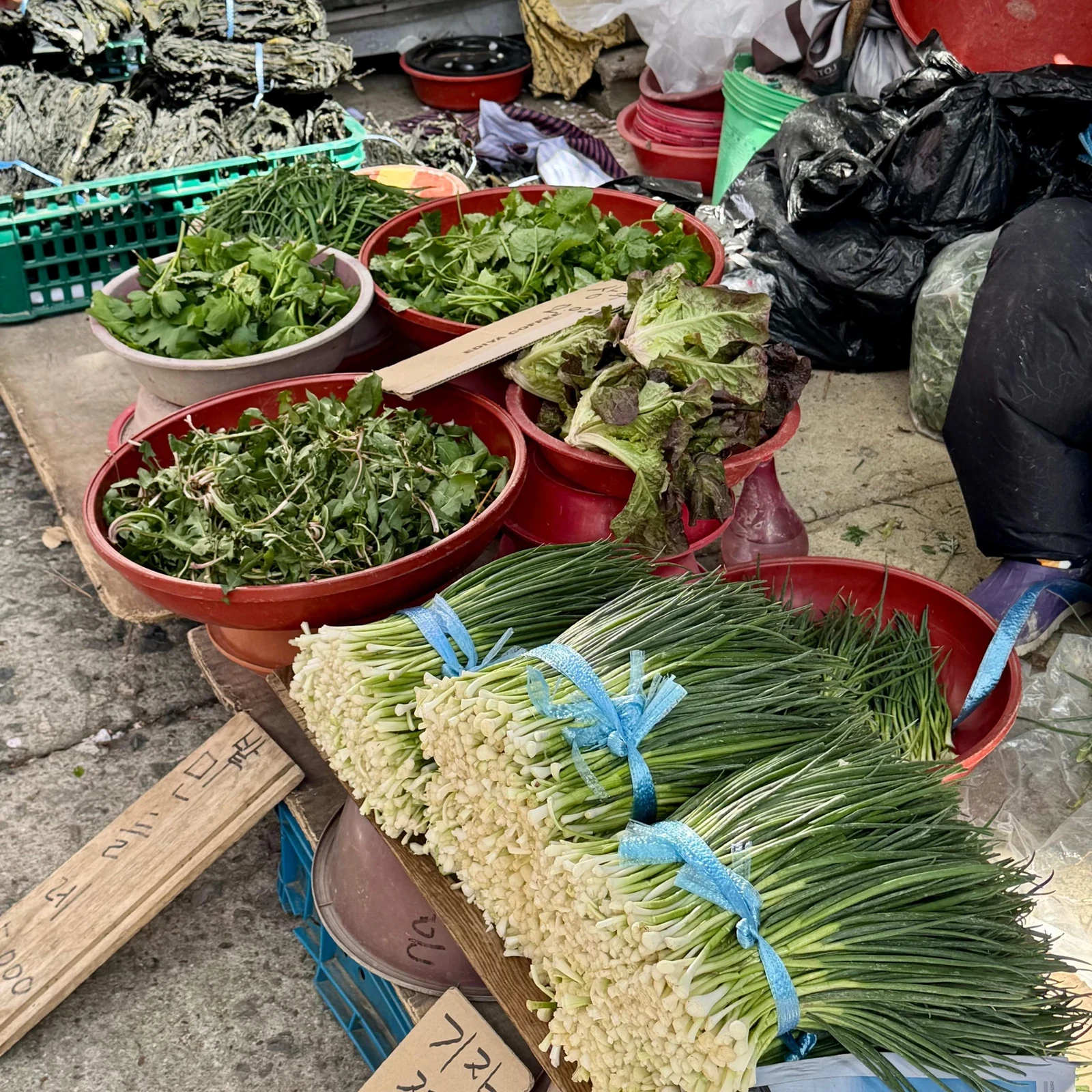
Nampo-dong has an unmistakable character. Here, the sea smells of the harbor and fresh fish; the streets are filled with stalls, tiny kitchens, old signs, and merchants working from early morning. From this area, you can walk to Jagalchi Market, BIFF Square, Gukje Market, Bupyeong Kkangtong Market, and Yongdusan Park. Visit Busan notes that its main markets, museums, shopping streets, and attractions are located relatively close to one another.
It is an excellent base for exploring Gamcheon, Songdo, Yeongdo, and Taejongdae, while offering an experience that feels closer to the city’s port identity.
Nampo-dong hotels are particularly suitable for travelers interested in markets, street food, urban history, and traditional neighborhoods. The area is also convenient for anyone arriving at or departing from Busan Station.
It lacks the polished coastal atmosphere of Haeundae and the nightlife of Gwangalli. Some streets become quiet relatively early, certain buildings are old, and the urban landscape may feel rough to travelers seeking a more refined stay.
Staying near Busan Station is practical when arriving late, leaving early, or planning train excursions. Choryang adds markets, restaurants, and historic streets on the hills behind the station.
However, it is not the most pleasant area for a longer stay. The immediate surroundings of the station are functional, with heavy traffic and broad avenues, while some accommodation in Choryang requires climbing steep slopes.
There are no tourist neighborhoods that generally need to be treated as off-limits, but some locations are simply inconvenient for a first visit.
Gijang and Osiria work best when the trip focuses on the eastern coastline, family resorts, or Haedong Yonggungsa. For first-time visitors, they may be too far from the historic center and southern markets.
Dadaepo offers open spaces, nature, and beautiful sunsets, but it is far from many of Busan’s classic attractions. The tourism office itself presents it as a quieter stretch of coastline, removed from the central urban landscape.
It is also wise to check cheap accommodation located on hillsides or far from the subway. Busan is mountainous, and a short distance on the map can turn into an exhausting uphill walk with luggage.
For a first visit, renting a car is usually not worthwhile. The subway, buses, and urban trains connect the main areas, and transportation cards can be used across different services.
A car can be useful for exploring Gijang, certain outlying coastal areas, or several remote attractions in a single day. In return, however, you will have to deal with traffic, parking, and urban driving that may feel anything but relaxing.
The most sensible choice is usually to book a hotel near a station and use taxis only for specific journeys.
For a first visit of three or four days, Seomyeon offers the best balance of location, transport, restaurants, and city life.
For a beach trip or romantic getaway, Haeundae and Gwangalli are the most appealing options: Haeundae for its convenient hotel selection, and Gwangalli for its atmosphere and nighttime views.
For a food-focused and historical trip, Nampo-dong lets you walk between markets, alleyways, and old commercial streets.
For stays of five nights or more, changing accommodation can make sense. Combining Haeundae or Gwangalli with Nampo-dong reduces long journeys and allows you to discover two sides of Busan: the bright eastern coastline and the old southern port. Visit Busan’s official one-week itinerary also recommends dividing the stay between Haeundae and Nampo-dong.
Busan is best enjoyed when your accommodation matches the way you plan to travel. Choosing solely by price or a photograph of the sea can turn each day into a series of long journeys. Choosing by neighborhood allows the city to begin the moment you step outside your hotel.
Discover selected experiences in Busan to complete this guide with Korean culture, food, coastline, markets, temples and well-organised day trips.
Activity on TourBookGoBook a Busan Museum of Movies ticket from €7. Try dubbing, editing, green screen and special effects. Free cancellation up to 24 hours in advance.
 Activity on TourBookGo
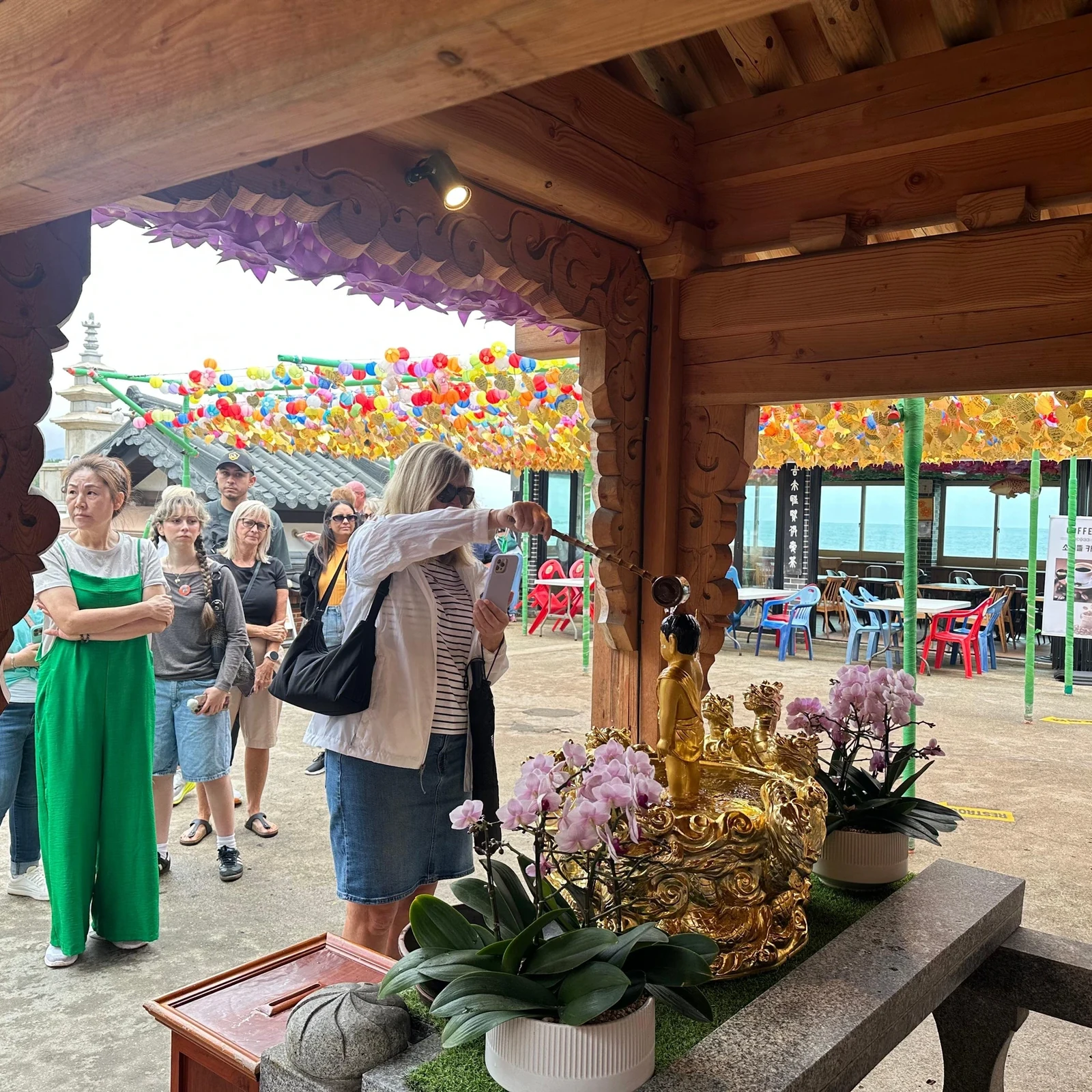
Book a Busan shore excursion for cruise passengers with terminal pickup, an English-speaking guide, an 8-hour route and coordinated return.
 Activity on TourBookGo
Discover this Busan tour from the cruise port: an 8-hour shore excursion with an English guide, private minivan, terminal pickup and only 6 guests.