 Activity on TourBookGo
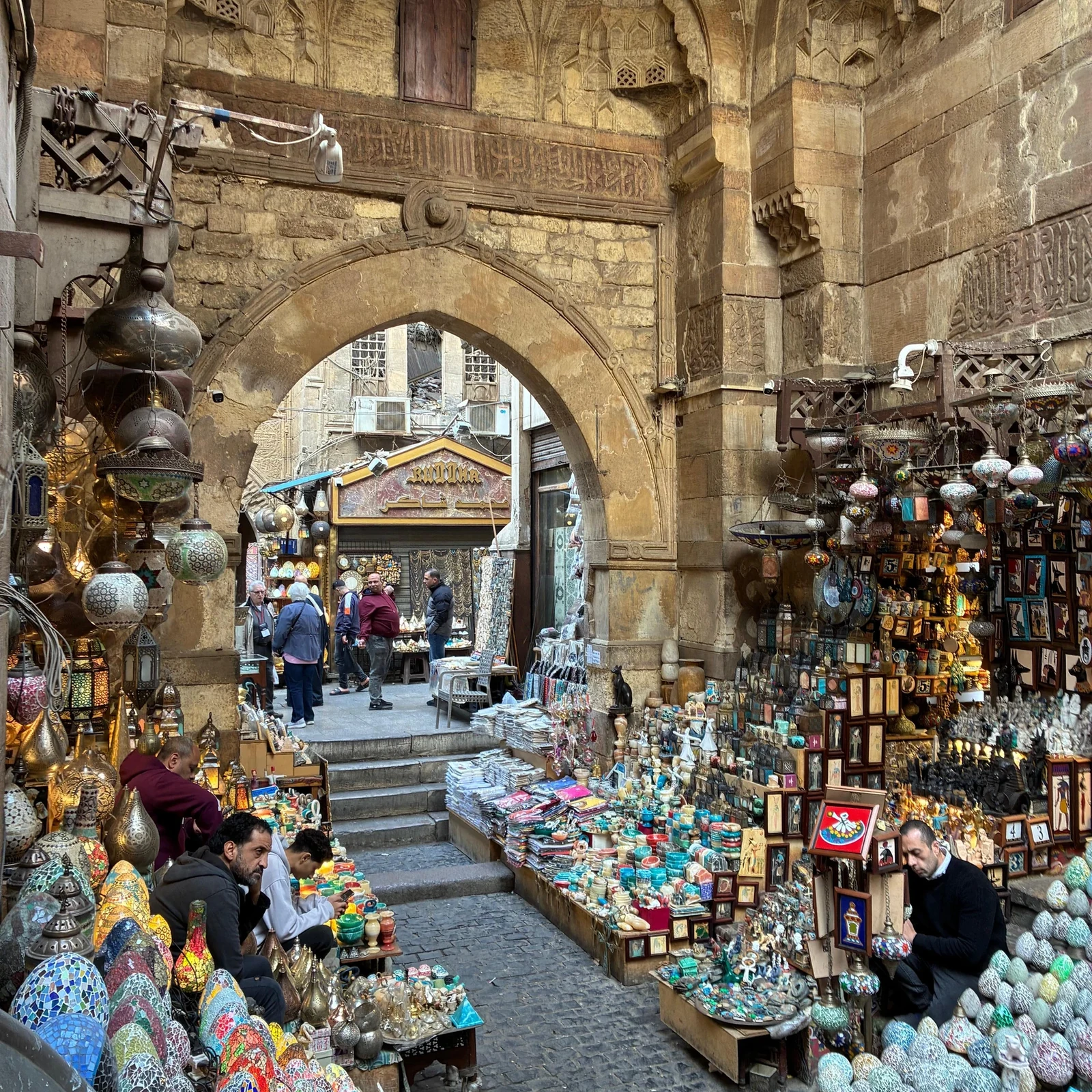
Cairo pyramids, Sphinx, museum and bazaar tour with a female guide
Spend 8 hours exploring Giza and Cairo with a female Egyptologist guide, transport, admission, museum, Khan el-Khalili and lunch. Check options and extras.
Cairo combines Pharaonic history, Islamic architecture and intense urban life, but it rewards patience, time and realistic expectations.

Cairo is worth visiting if you accept that its grandeur does not come with comfort. The Egyptian capital brings together Pharaonic heritage, Islamic architecture, historic neighbourhoods and an intensity of urban life that is hard to find elsewhere. Traffic can dictate the day, the noise barely lets up and distances can be deceptive. For some travellers, that energy makes the visit extraordinary; for others, it can be exhausting.
Compare locations and options to find a base that suits your trip. Booking.com confirms current availability and pricing.
Find accommodation on BookingThe pyramids and the Great Sphinx stand in Giza, within Cairo's vast metropolitan area. Their fame is not exaggerated: neither photographs nor the familiarity of their silhouettes can diminish the impact of seeing structures that have endured for millennia.
Reducing the trip to this monumental complex would mean missing much of what makes the city unique. Cairo also reveals itself among mosques, madrasas, courtyards, churches, shopping lanes and buildings from widely different periods. Its historic districts preserve successive layers of power, faith and everyday life, while the Nile provides visual relief from the dense urban landscape.
The museums help visitors understand objects that might otherwise become a succession of statues, sarcophagi and pharaohs' names. Before visiting, it is worth checking which collections are on display and what the access conditions are, as museum arrangements may change.
Cairo's main drawback is not a lack of interest, but the effort required to enjoy it. Traffic can consume time and energy, so grouping visits by area is usually more sensible than pursuing an ambitious checklist. Heat and pollution can also make the days harder, particularly when they involve many hours of walking.
Commercial pressure in tourist areas can be persistent. Bargaining, declining offers firmly and confirming the terms before accepting a service can reduce misunderstandings. Nor should every corner of the historic centre be romanticised: extraordinary beauty exists beside decay, congestion and places where daily life matters more than their appearance to visitors.
In return, Cairo offers a sense of scale that is difficult to forget. Monumental history coexists with markets, workshops, cafés and overflowing avenues. That contrast is not always pleasant, but it reveals much about the city.
Cairo tends to reward travellers who are curious about archaeology, architecture, religious history and large, complex cities. It can also captivate those who would rather observe urban life than relax in an orderly, predictable setting.
It particularly suits people willing to adjust their pace, leave room between visits and look beyond the famous sights. Someone living in Egypt or returning to Cairo may find as much interest in a walk through a historic neighbourhood or beside the river as in revisiting a major monument.
The city may disappoint anyone seeking silence, clean air, easy transport or a relaxing holiday. It is also a poor match for an itinerary designed as a race between photo opportunities. Cairo demands attention, and that attention wears thin when every day is overloaded.

A very short stay allows you to see the pyramids and choose one or two major cultural sites, but it leaves a fragmented impression. Three days provide a reasonable introduction; four or five make it easier to divide your time between different areas, explore museums without rushing and leave space for everyday city life.
Your budget will depend heavily on accommodation, season, transport, admission fees and whether you use guides. Cairo can suit different travel styles, but spending as little as possible does not always improve the experience. Staying far from the places you plan to visit can mean much more time in transit, while carefully chosen professional help can provide context and reduce friction on certain visits.
It is also wise to allow for expenses that seem small individually: transfers, admission fees, customary tips, drinks and additional services. The point is not to spend heavily, but to decide which comforts will prevent fatigue and which experiences are genuinely worth the cost.
The best strategy is to accept that you cannot cover the entire city. You might devote one day to Giza, another to the museums or city centre and a third to historic districts, adapting the plan to the location of your accommodation. A leisurely walk, a long meal or a moment beside the Nile may offer more than squeezing in another monument out of obligation.
The time of year also shapes the experience. Periods with milder temperatures are better suited to outdoor visits, although they may coincide with greater tourist demand. During intense heat, it is sensible to limit walking, schedule breaks and avoid the hottest hours.
Dressing with consideration for the local context, asking permission before photographing people and remembering that neighbourhoods are not stage sets will help you engage with the city more respectfully.
Yes, Cairo is worth visiting for the density of its history, the power of Giza and the opportunity to experience a metropolis where different eras still share the same space. It is not, however, a universal recommendation.
Travellers who expect a monumental, intense and contradictory city will probably have a memorable trip. Those who need order, rest and ease may prefer a short visit or an Egyptian itinerary that combines Cairo with places offering a calmer pace.
The key is not to demand that Cairo be comfortable or picturesque at every turn. The city offers something more challenging: an imperfect, overwhelming and profoundly human experience.
Discover selected experiences in Cairo and compare different ways to explore the city before booking.
Activity on TourBookGoSpend 8 hours exploring Giza and Cairo with a female Egyptologist guide, transport, admission, museum, Khan el-Khalili and lunch. Check options and extras.
 Activity on TourBookGo
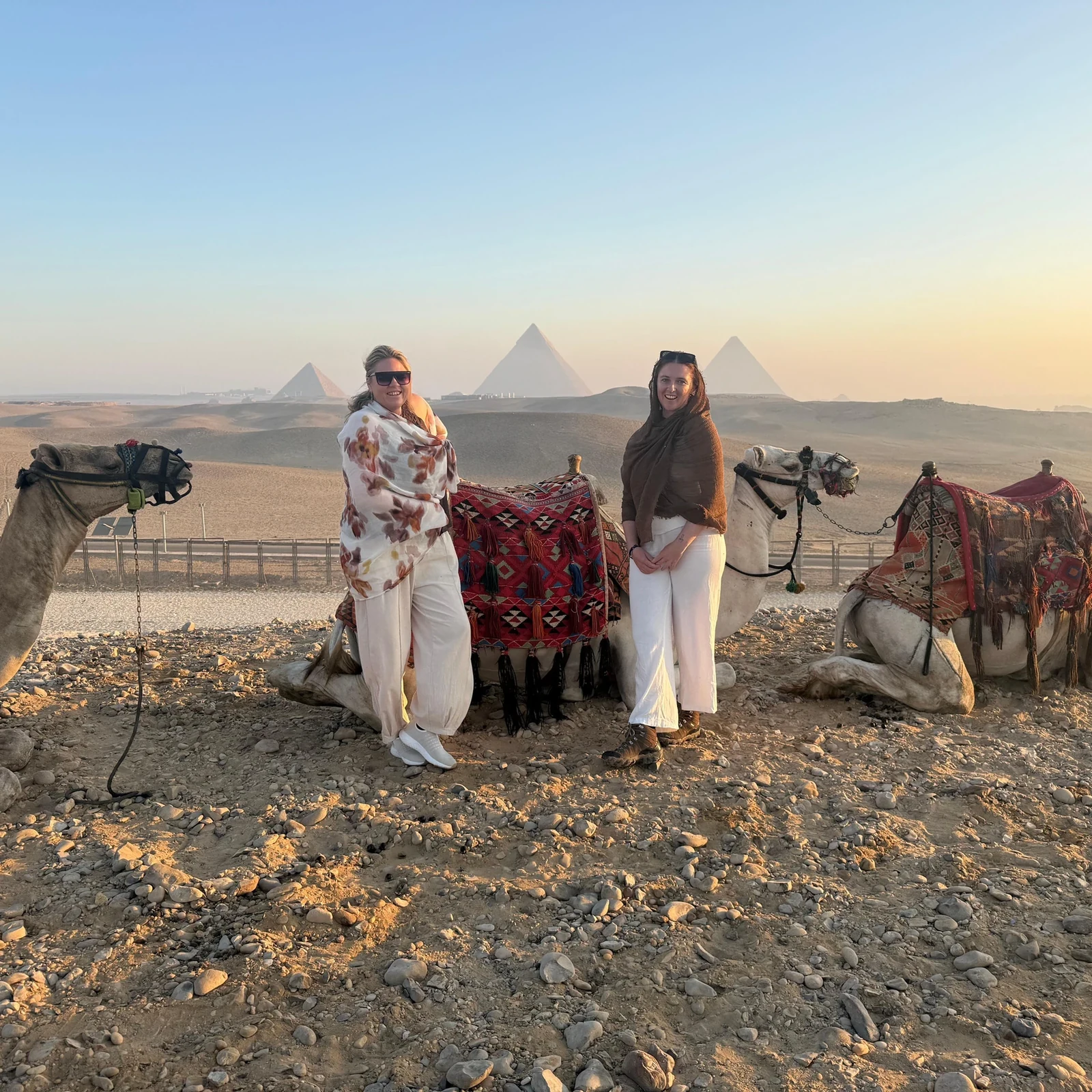
Visit the Giza Pyramids and Sphinx with an English-speaking Egyptologist, transfers, a camel or horse ride, and oriental breakfast.
 Activity on TourBookGo
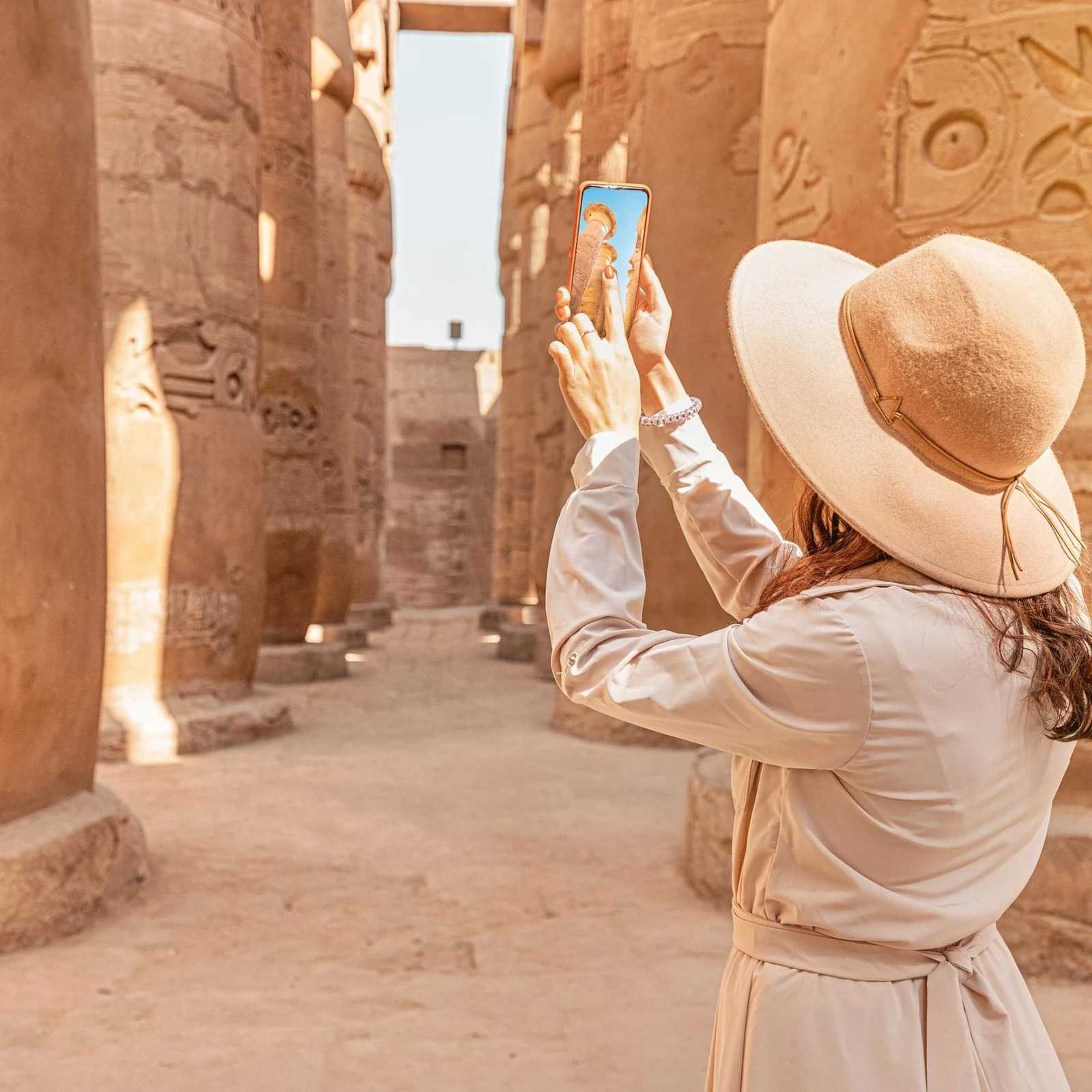
Explore Egypt in 9 days with private transport, domestic flights, a three-night Nile cruise and stays in Cairo and Hurghada.