 Activity on TourBookGo
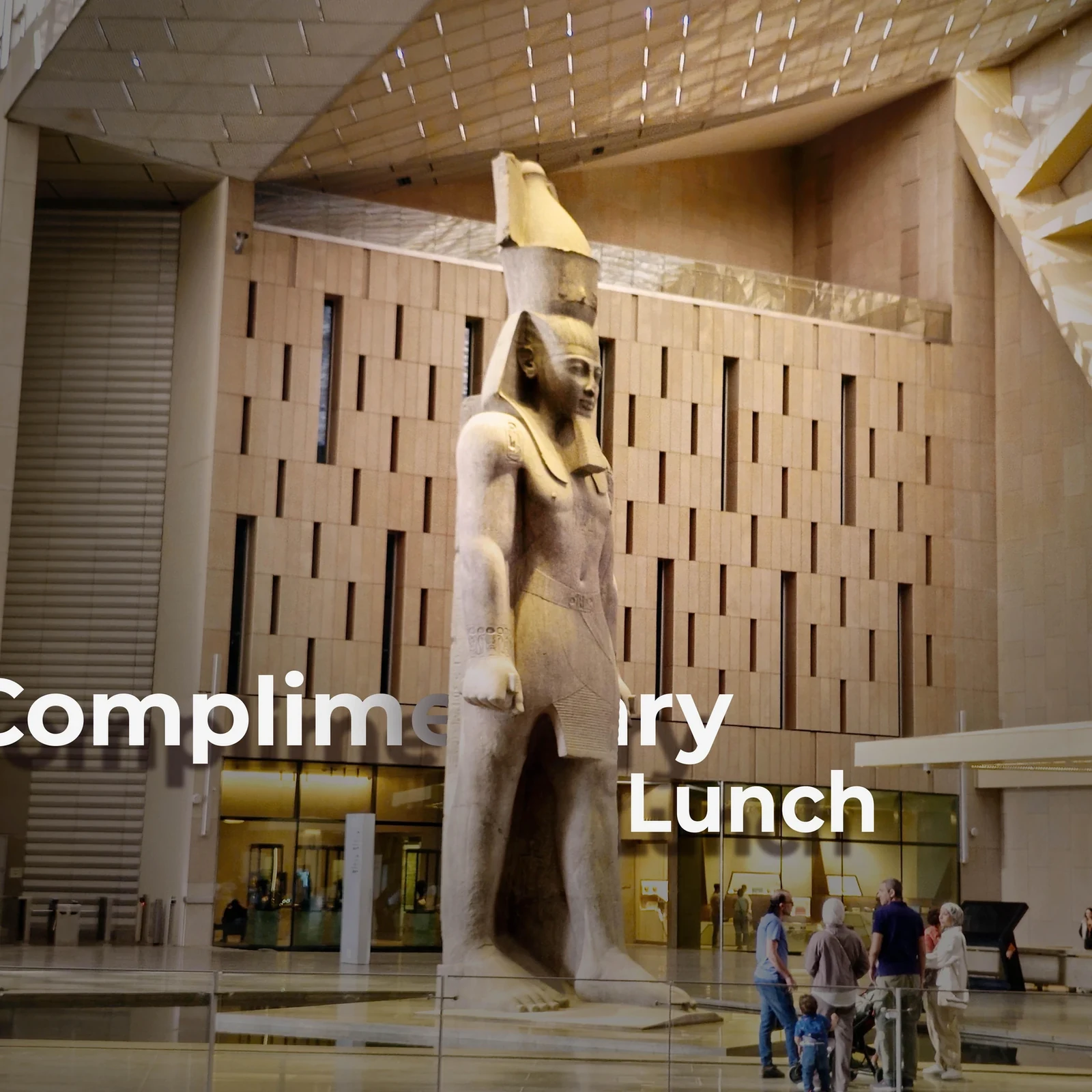
Giza Pyramids, Grand Egyptian Museum, Sphinx and lunch
Visit the Giza Pyramids, Sphinx and Grand Egyptian Museum from Cairo with an Egyptologist guide, transport and lunch. Check tickets and options before booking.
Cairo is easier to appreciate when you accept its intensity, choose your priorities carefully and leave room for journeys, pauses and the unexpected.

Cairo rarely reveals itself gently. It hits you all at once: traffic, voices, dust, horns, minarets, cafés, weathered buildings and a constant bustle that never seems to pause. The most common mistake is to see this intensity as an obstacle to overcome. Visiting requires patience, but not resignation: sensible planning can turn the initial confusion into a rich and understandable experience.
Compare locations and options to find a base that suits your trip. Booking.com confirms current availability and pricing.
Find accommodation on BookingCairo covers an enormous area, and its main attractions are not clustered together. On a map, two visits may seem easy to combine; on the ground, traffic and fatigue can upset even the most optimistic schedule.
It is best to organise each day around a particular area or theme: Pharaonic heritage, Islamic Cairo, the city centre or the neighbourhoods along the Nile. Adding long journeys without allowing extra time turns the day into a succession of vehicles, security checks and rushed visits.
It is better to experience three places properly than to collect ten photographs without context. A cup of tea, a conversation, a rooftop terrace or a few minutes watching the light change can reveal more than another stop squeezed in at the end of the day.
The Pyramids of Giza dominate the imagination, but visiting them involves more than simply arriving, taking a photograph and leaving. The site is extensive, the terrain can be tiring and the sun has a major impact on the experience. Unsuitable footwear, too little water or an overly tight schedule can turn an exceptional visit into an uncomfortable race.
It is also wise to manage expectations. Giza does not stand in isolation amid untouched desert: it forms part of a landscape where urban expansion and the monumental plateau meet abruptly. This proximity may disappoint anyone expecting a view without the city, although it also reveals something essential about contemporary Cairo.
When offered transport, rides or other services, confirm beforehand exactly what is included and the total cost. Clarity helps prevent arguments later.
Estimating journeys by distance alone is a poor strategy. Travel times can vary considerably depending on the hour, the area and traffic conditions. Scheduling an important activity immediately after crossing the city leaves little room for delays.
Walking is enjoyable in certain areas, but it is not always the easiest way to move between neighbourhoods. Uneven pavements, busy crossings, heat and pollution can make a moderate distance feel much longer.
A flexible combination usually works best: explore on foot where the surroundings invite you to stop, and use transport for longer stretches. Trying to drive without knowing the city can add more stress than freedom.
For many visitors, crossing some of Cairo's avenues is one of their first encounters with the realities of everyday life in the city. Waiting for the perfect gap can take a long time; stepping out without watching the traffic, however, is unnecessarily risky.
Look for controlled crossings where they exist and observe residents who cross carefully. This does not mean copying them blindly, but understanding the movement of traffic, maintaining a predictable path and avoiding sudden movements.
Impatience is a poor guide. If a crossing seems too complicated, walking for a few minutes until you find a clearer option is usually the sensible choice.
Bargaining is part of certain purchases and services, but not every situation. Approaching every interaction convinced that someone is trying to deceive you creates tension; accepting every proposal out of discomfort is not a good solution either.
Before committing, ask about the price, currency, scope of the service and any additional charges. When bargaining is appropriate, it works best when done calmly, with a sense of humour and a genuine willingness to walk away if no agreement is reached. Haggling for too long over an insignificant difference can become unpleasant and disproportionate.
Persistence does not always imply fraud, but you are under no obligation to buy. A firm, calm “no, thank you” is usually more effective than an argument.
The climate may make wearing as little as possible seem tempting, but thermal comfort is not the only consideration. Lightweight, breathable and relatively modest clothing makes visits to religious sites and conservative neighbourhoods easier. Mosques and other places of worship may have specific rules regarding dress and behaviour.
Another common mistake is wearing new shoes or flimsy sandals on long days out. Dust, uneven surfaces and many hours on your feet make comfortable footwear more valuable than any aesthetic choice.
During the hottest months, scheduling outdoor sightseeing for the cooler hours and saving indoor visits or breaks for the middle of the day helps maintain a sustainable pace.
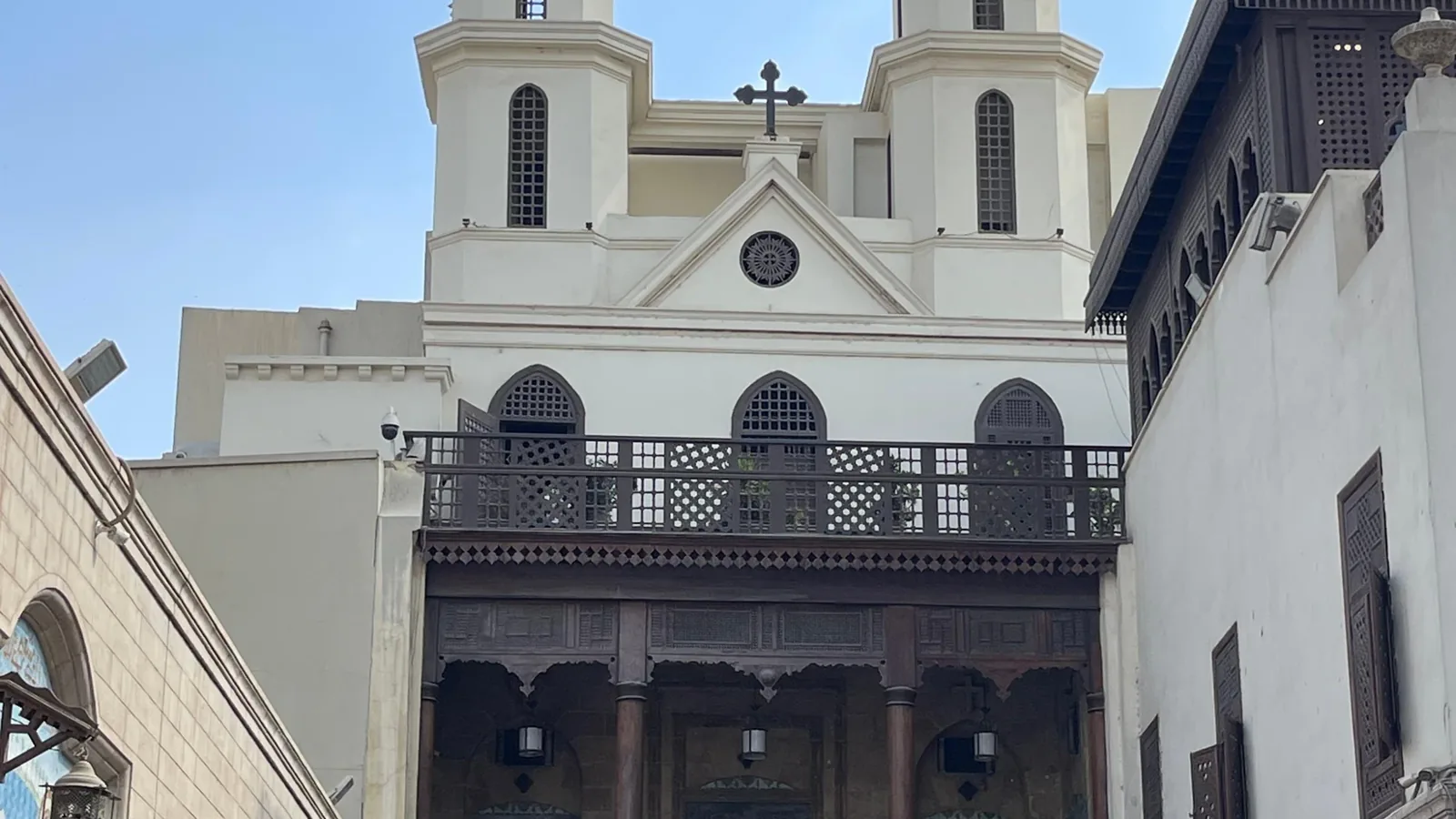
Cairo offers visually powerful scenes, but its streets are not a film set. Photographing someone at close range without asking permission, focusing on vulnerable situations or turning everyday activities into a spectacle can be intrusive.
At religious sites, sensitive buildings and places with security checks, confirm whether photography is allowed. Rules can vary, and assuming that a camera or phone is acceptable everywhere may cause avoidable problems.
Asking permission does more than show respect: it often changes the relationship between visitor and resident, replacing a picture taken from a distance with a human encounter.
Anyone who arrives thinking only about the pharaohs risks failing to understand Cairo. Its identity has also been shaped by centuries of Islamic and Coptic history, modern architecture, cafés, shops, the Nile and the lives of millions of residents.
That does not mean adding more visits to an already overloaded itinerary. It is enough to set aside time to walk without a monumental destination, enjoy a leisurely meal or view the city from a different perspective. Everyday Cairo is not a secondary attraction: it is a central part of the journey.
At the same time, avoid romanticising the chaos. The noise, pollution, congestion and pressure from some vendors can be exhausting. Acknowledging this makes it easier to plan breaks and enjoy the city without expecting it to be pleasant at every moment.
Avoiding all street food out of fear diminishes the experience; eating anything without paying attention is not prudent either. It helps to choose busy establishments, assess visible cleanliness and favour food that has been freshly cooked and is served hot.
Carrying water and drinking regularly is important, especially during outdoor excursions. It is also sensible not to be too gastronomically ambitious on the first day: your body may need time to adjust to the journey, the climate and unfamiliar habits.
Everyday courtesy opens more doors than any tourist strategy. Greeting people, saying thank you, asking permission and accepting a refusal are simple gestures. Learning a few basic phrases in Arabic can show consideration, although nobody expects perfect pronunciation.
Respect rest periods, religious practices, the rules of each place and the privacy of residential areas. Do not block entrances, trespass on property to get a photograph or treat a neighbourhood as an exotic backdrop. Dressing and behaving sensitively is especially important in places of worship.
Spending money in local businesses does not grant the right to demand unlimited attention or dismiss a small difference as though it had no value. Dispose of waste responsibly and do not mistake a custom observed once for a general rule applying to the entire population.
The final mistake is expecting Cairo to function like an orderly, quiet and predictable destination. It can be overwhelming, and it does not suit everyone equally. Those who need constant tranquillity or highly controlled logistics may prefer a shorter stay, with well-structured days and frequent breaks.
For other travellers, it is precisely this density that makes the city so memorable. Cairo does not demand that you see everything. It demands attention, flexibility and a certain humility. Once you stop trying to master it, the noise begins to find its rhythm and the apparent confusion reveals a city that is complex, vibrant and profoundly human.
Discover selected experiences in Cairo and compare different ways to explore the city before booking.
Activity on TourBookGoVisit the Giza Pyramids, Sphinx and Grand Egyptian Museum from Cairo with an Egyptologist guide, transport and lunch. Check tickets and options before booking.
 Activity on TourBookGo
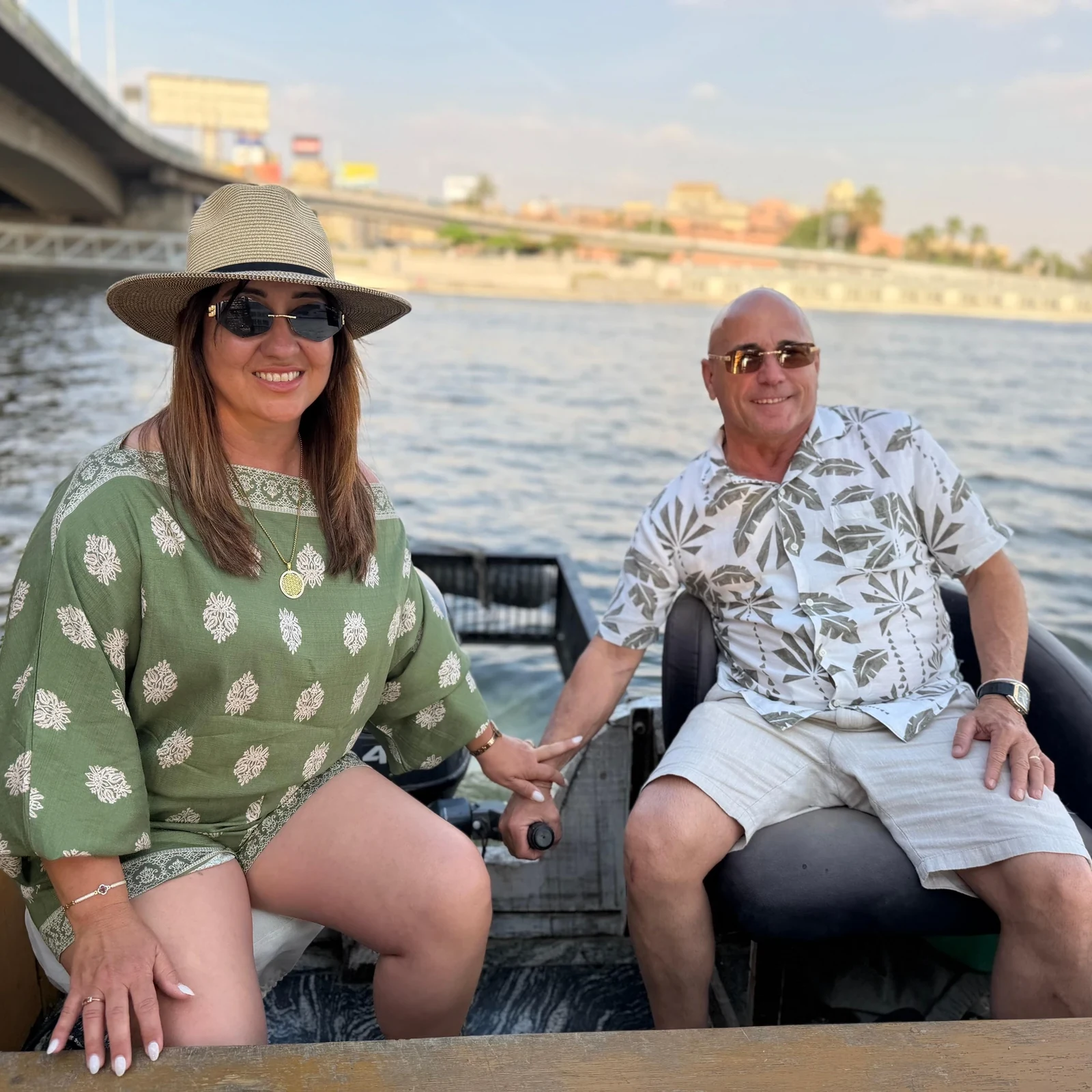
A modernised felucca reserved for your group combines Cairo views, a three-course dinner, unlimited non-alcoholic drinks and onboard entertainment.
 Activity on TourBookGo
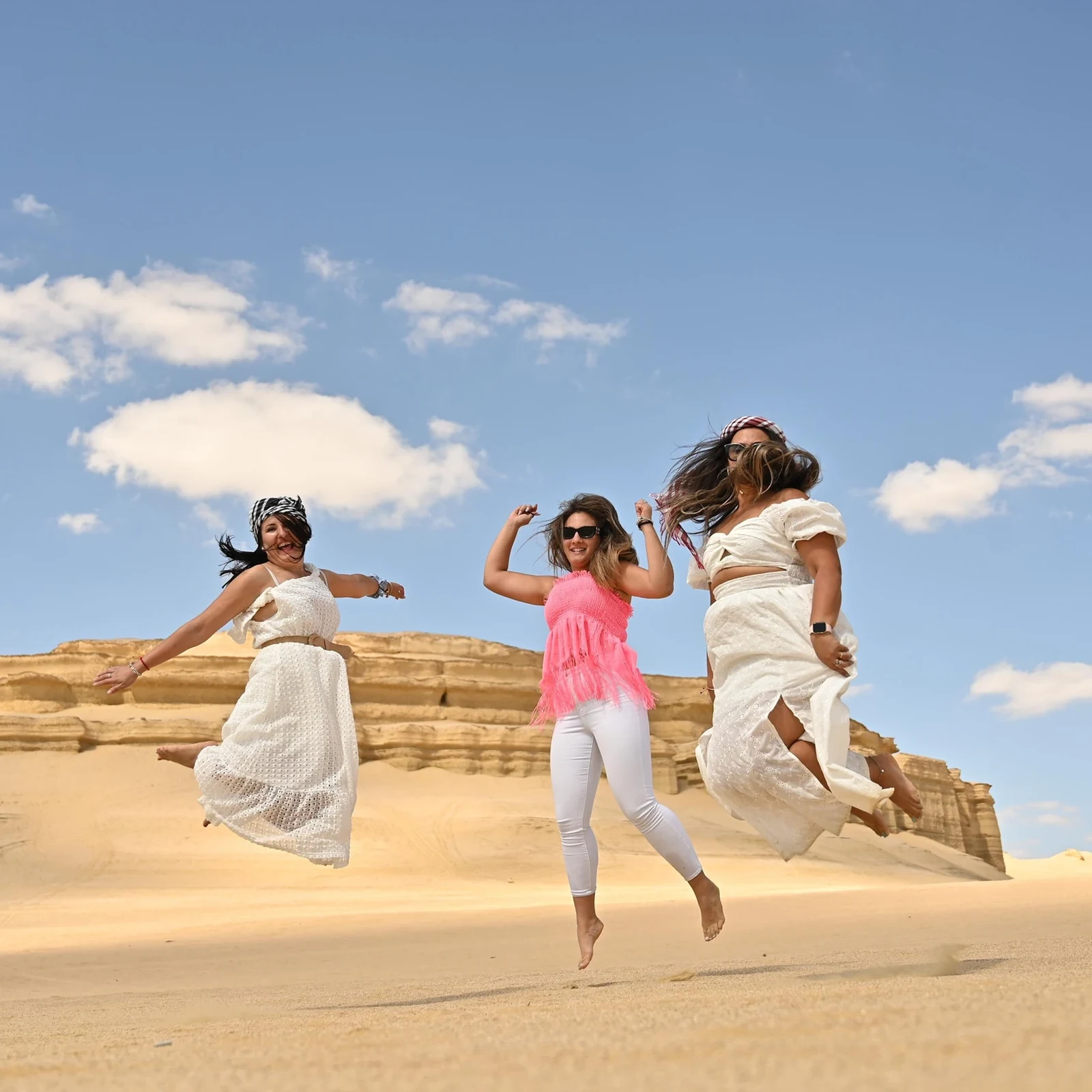
A 10-hour trip from Cairo or Giza with a 4x4 safari, sandboarding, Wadi El Rayan, a camel or horse ride, Magic Lake and BBQ lunch.