Cape Town in one day: a first look without rushing
With only one day, trying to cover the peninsula would be a mistake. It is better to focus on the city centre, the mountain and the waterfront.
Start around Company’s Garden and explore part of the historic centre on foot. From there, continue to Bo-Kaap, known for its colourful façades and a cultural identity that deserves more than a quick photograph. It is a residential neighbourhood, so walk discreetly, respect entrances and private property, and remember that its streets are not a film set.
Reserve the middle of the day for Table Mountain if the sky is clear. Going up provides an immediate sense of the area’s geography: the city, the Atlantic coast and the peninsula no longer seem like separate pieces. Access may be affected by wind, visibility or operational work, so it is unwise to build the entire day around a rigid schedule.
If the mountain is covered in cloud, change the order and visit the V&A Waterfront. It is a pleasant place to stroll, eat and watch the harbour in action, although its polished, commercial atmosphere does not reflect the city’s everyday life on its own.
Finish beside the Atlantic in Sea Point or Camps Bay. Sea Point generally suits those who want to walk by the sea and see a more everyday urban side of Cape Town. Camps Bay offers a more dramatic coastal setting, with the mountain behind it, but can feel busy and geared towards visitors.
Two days: a history-focused second day
The first day can follow the itinerary above. On the second, choose between two distinct experiences, as combining them usually turns the day into a race.
The historical option starts with Robben Island, which provides essential context for understanding apartheid and South Africa’s political history. The visit depends on sea transport and operational conditions, so check availability and possible changes. This is not a light-hearted excursion or simply a scenic outing: its value lies in listening, understanding and acknowledging the weight of the place.
On your return, spend time at the District Six Museum or other cultural venues in the city centre, depending on their current access arrangements. The aim is not to cover the city’s history in a few hours, but to recognise that its beauty exists alongside forced displacement, persistent inequality and memories that remain very much alive.
Two days: an Atlantic coast alternative
If you prefer the coast, travel from Sea Point towards Clifton and Camps Bay before continuing to Hout Bay. The Atlantic beaches are beautiful, but the water can be cold and the wind greatly affects how the day feels.
Hout Bay is worth a stop by the harbour, where you can encounter a town with an identity of its own rather than treating it merely as a waypoint on a scenic drive.
There is no need to cover the entire peninsula. Returning at a relaxed pace leaves time for sunset if the weather cooperates and avoids driving at night on unfamiliar roads.
Three days: add the Cape Peninsula
With three days, devote the third to the peninsula. A hire car or an organised tour offers real value here by reducing transfers and allowing you to adapt your stops. Even so, the route is long and should not be overloaded with detours.
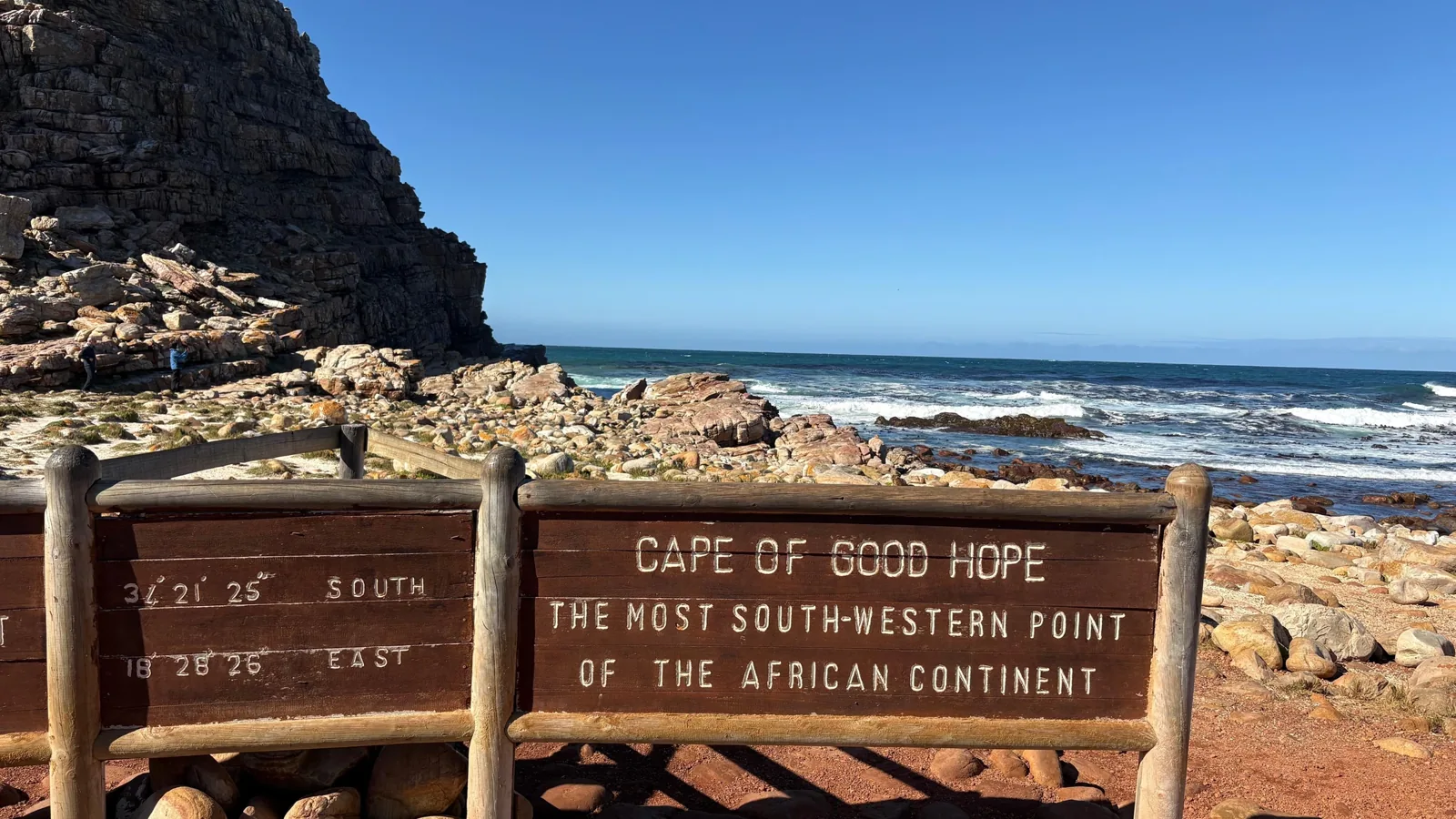
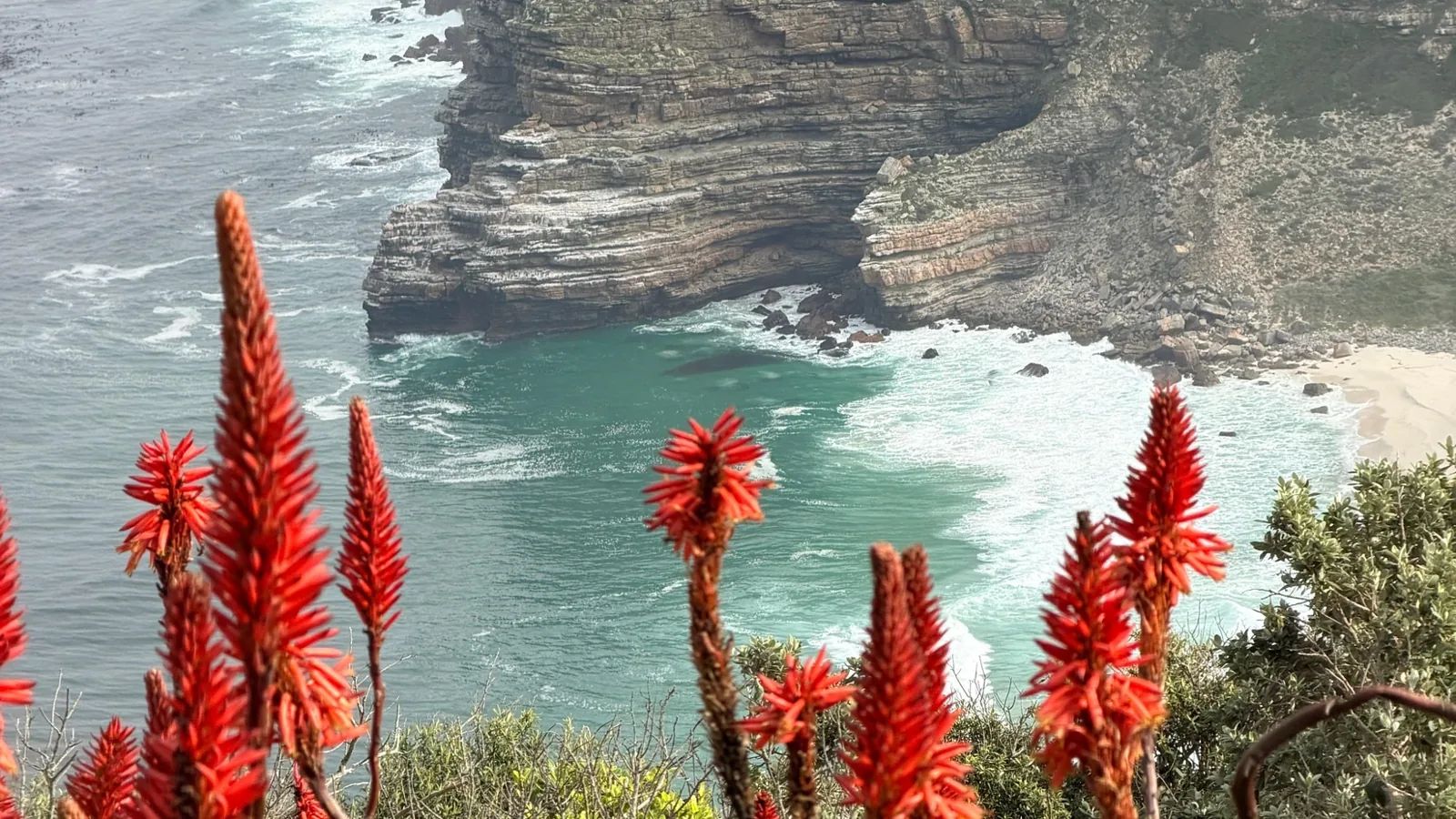
Head south along the Atlantic side and continue towards Cape Point and the Cape of Good Hope. The appeal is not merely taking a photograph beside a sign, but exploring a windswept landscape of cliffs, low vegetation and open ocean.
Return along the False Bay coast. Simon’s Town and Boulders Beach can be included in the route. The latter is known for its colony of African penguins, which should be observed only from designated areas and without approaching, feeding or blocking the animals.
If you still have time and energy, stop in Kalk Bay. Its combination of harbour, shops and cafés makes it inviting to explore, but too many stops can reduce the day to repeatedly getting in and out of the car. Check the condition of the coastal roads as well, since some scenic stretches may be restricted because of weather or maintenance.
One week: enough time to understand the city
On the first day, explore the city centre, Company’s Garden and Bo-Kaap on foot to get a feel for the distances. Alternate historic sites with a leisurely meal and avoid scheduling too many indoor visits.
Devote the second day to Table Mountain and the Atlantic coast, using the best available weather window. After the mountain, head towards Camps Bay or walk through Sea Point. If cloud prevents you from going up, swap this day with another.
Reserve the third day for Robben Island and the V&A Waterfront. Book ahead whenever possible and check for changes. Explore the harbour at a leisurely pace after returning: the day can be emotionally intense and does not need many additional activities.
The fourth day belongs to the peninsula. Devote it to Cape Point, the Cape of Good Hope, Simon’s Town and a stop somewhere along False Bay. Choose two or three main places and accept that you will have to skip the rest.
Combine Kirstenbosch and Constantia on the fifth day. Kirstenbosch provides an introduction to the region’s plant diversity in a spacious setting at the foot of the mountain. Afterwards, explore Constantia and its historic vineyard landscape. If you join a tasting, avoid driving afterwards and check the visiting arrangements in advance.
For the sixth day, choose Woodstock, Observatory or a beach day. Woodstock brings together creative initiatives and a complex urban reality that should not be reduced to murals and markets. Observatory has a different atmosphere from the more visitor-oriented coast. If you prefer to rest beside the sea, remember that the water temperature and wind may limit swimming.
Keep the seventh day free for anything displaced by the weather. You can also return to a neighbourhood that interested you, walk beside the sea or enjoy a long meal. A trip outside the city is worthwhile only if it does not mean sacrificing what you genuinely wanted to experience.
When you need a car
In the city centre, Bo-Kaap, the Waterfront and part of the Atlantic seaboard, a car can become a burden because of traffic, parking and the need to remain aware of your surroundings. Walking in suitable areas and combining this with organised transfers is often more convenient.
A vehicle provides flexibility for exploring the peninsula, Constantia or several outlying places in one day. Plan driving carefully: avoid leaving belongings visible, check road conditions and do not blindly trust shortcuts suggested by your satnav.
The mistake that ruins the itinerary
The most common mistake is treating Cape Town as a succession of icons—the mountain, penguins, cape, beach and vineyards—crammed into overloaded days. Distances, wind and changing weather work against this approach.
In one day, aim for an overview. In two, add history or the coast. In three, include the peninsula. Over a week, allow the city to breathe between its grand landscapes. Cape Town rewards flexibility: the most sensible itinerary is not the one that ticks off the most places, but the one that knows when to change course.