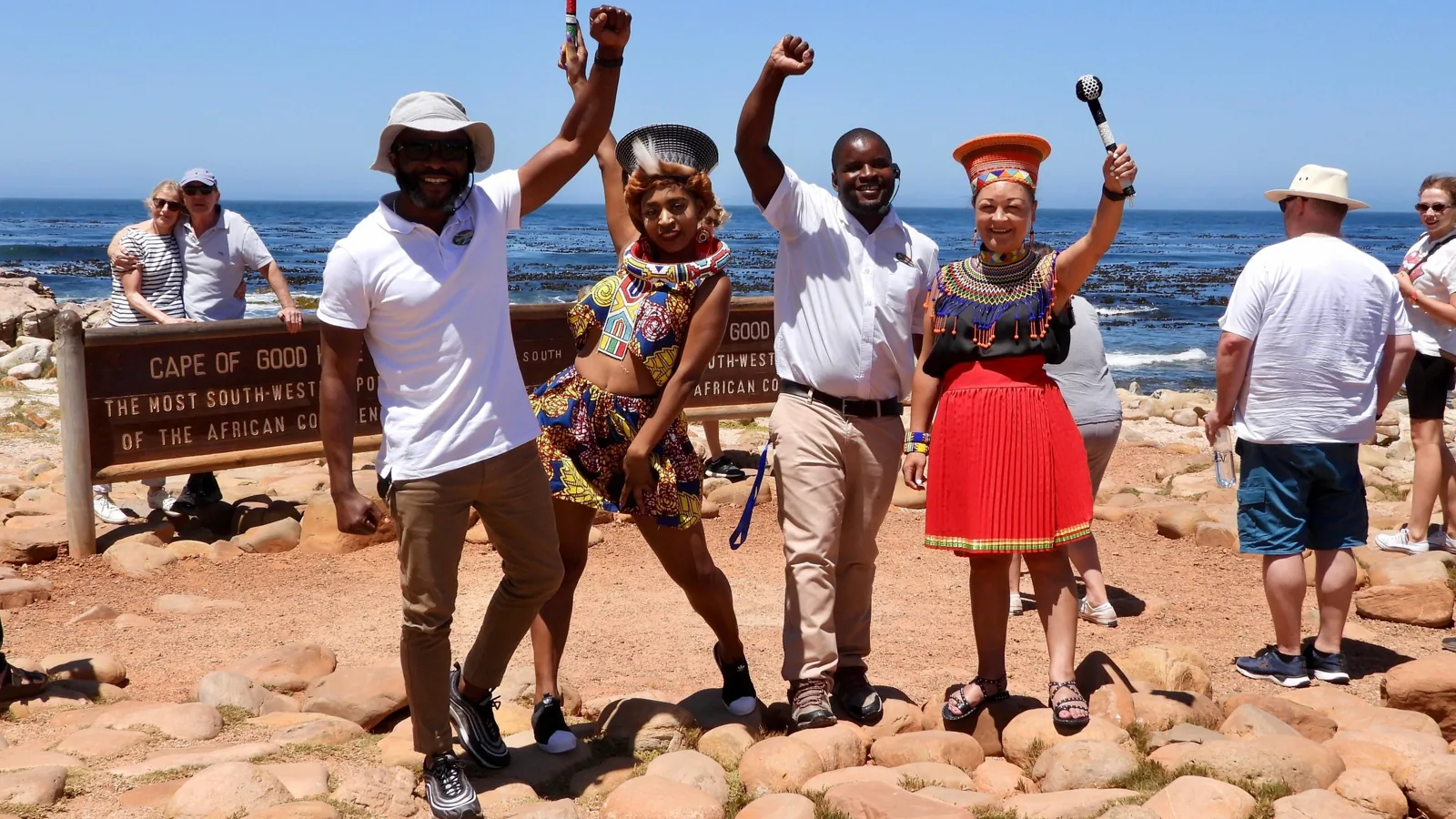
A city shaped by its landscape
Few cities have such a visible relationship with their geography. Table Mountain dominates the skyline and serves as an almost constant point of reference, while the coastline shifts between open beaches, bays and oceanfront roads. The landscape is not merely a backdrop: it shapes plans, weather and the pace of the day.
Much of Cape Town's fame comes from the proximity of very different settings. City walks, viewpoints, coastline, vineyards and routes around the peninsula can all be combined without leaving the region. The variety is genuine, as is the temptation to fit in too much.
Turning a stay into a succession of photo opportunities may produce plenty of images but little understanding. Cape Town is more rewarding when given time to reveal its contrasts rather than just its panoramas.
What truly stands out
The main attraction is the diversity of experiences. Hikes, beaches, gardens, architecture, food and scenic excursions sit alongside places connected to a complex history that deserves more than a rushed visit.
The city centre and nearby neighbourhoods introduce different layers of Cape Town, although no single area explains the whole city. Polished, visitor-oriented spaces coexist with much harsher social realities. Ignoring that divide creates an incomplete picture; turning it into a spectacle is no better.
The light is another highlight. Clear skies can intensify the blue of the ocean and sharpen the contours of the landscape, while mist and cloud can transform the mountain within minutes. Outdoor plans need flexibility, especially when they depend on visibility or wind.
Who Cape Town suits best
Cape Town tends to appeal most to travellers who enjoy combining city life with nature. It also suits those who prefer to build each day around a landscape, a hike, a meal or a neighbourhood rather than follow a fixed checklist of monuments.
Couples can find peaceful settings and leisurely days; families have varied activities if they adapt journeys and walks; and photography enthusiasts will encounter constant shifts in light and perspective. For people living in the region, the coastline, trails, markets and cultural spaces make it possible to rediscover the city one area at a time.
It may be less satisfying for anyone expecting to get everywhere on foot, improvise every journey or find a compact urban experience. Nor is it ideal for a beach-only trip: the ocean can feel cold, wind changes the atmosphere, and conditions vary by stretch of coast and day.
Difficulties worth accepting
Getting around is one of the city's main limitations. Some areas are comfortable to explore on foot during the day, but many places of interest are spread out. Exploring the peninsula, moving between beaches or visiting outlying areas usually requires private transport, an excursion or a vehicle. Driving provides freedom, although traffic and parking reduce spontaneity.
Safety calls for practical awareness and proportionate decisions. Avoid walking distractedly through unfamiliar areas, displaying valuables or assuming every route is suitable at any time. Accommodation providers can advise on specific journeys, but current recommendations should be checked without allowing sensible caution to become constant fear.
Social inequality is highly visible. Cape Town may look bright and sophisticated from certain areas, but that image does not represent every resident's life. Respectful travel means acknowledging this reality, avoiding intrusive visits and choosing experiences that treat communities as active participants rather than scenery.
Budget and location
Costs depend greatly on the season, accommodation, chosen area and how you travel around. Transport, excursions and restaurants in tourist districts may account for a significant share of the budget. Even so, some coastal walks, viewpoints and trails offer access to the scenery at limited cost, provided access and safety conditions are checked.
Staying far from the places you want to visit in order to save money can prove counterproductive if it creates more journeys later. Location has practical value in Cape Town: paying more for a well-connected base may reduce travel time, fatigue and transport costs.
The balance between cost and experience is usually favourable for those who make use of the destination's variety. If a stay is limited to a few heavily photographed places, the distance travelled to reach Cape Town may weigh more heavily.
How many days to spend
Three days provide a first impression but force a choice between the city, mountain, coast and peninsula. That is enough to appreciate Cape Town's visual appeal, though not necessarily its complexity.
Five days offer a more reasonable balance. They leave room for weather-related changes, allow busy and quieter days to alternate, and avoid relying on the mountain being clear on one particular date.
A week suits anyone wishing to explore the region at a relaxed pace, include hikes, spend time in different areas and leave space for spontaneity. A longer stay can make sense if the surrounding region is included or a less touristy rhythm is preferred.
What may disappoint
Promotional images tend to focus on the coastline, mountain and most photogenic neighbourhoods. On arrival, some travellers discover a city that is larger, more fragmented and more dependent on transport than expected. Others imagine endless beach days and instead encounter wind, cold water or rapidly changing weather.
Popular places can lose their intimacy when visitor numbers are high. Starting early or travelling outside the busiest periods helps, but does not remove that pressure completely. Not every urban area has the same charm or offers visitors an easy experience.
These limitations do not diminish the destination. They present it in a fuller and more realistic way.
The verdict on Cape Town
Cape Town is worth visiting, especially if you want a journey rich in contrasts and accept that beauty does not erase difficulty. Its landscapes, complex cultural identity and variety can fill several days without repeating the same experience.
Its value lies not only in looking at Table Mountain or travelling along the coast, but also in understanding how nature, history and everyday life meet and sometimes collide in the same place.
This is not a city to rush through or view only from its lookouts. It is most rewarding when approached with time, flexibility and awareness: enjoying its beauty, acknowledging its fractures and allowing both to become part of the journey.