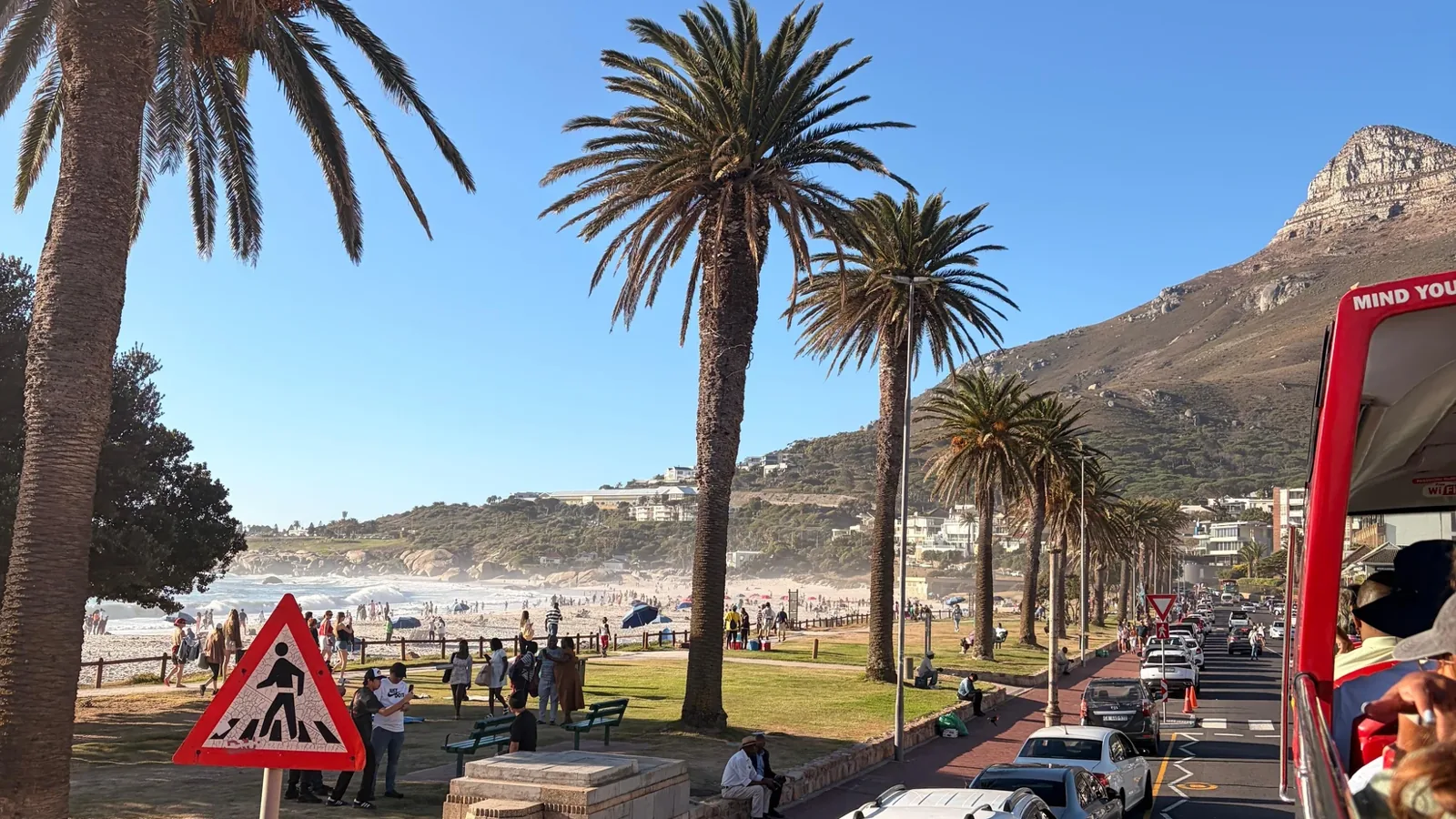
Safety can change from one street to the next
Central and tourist areas may feel relaxed during the day, especially when shops are open and plenty of people are around. That does not make them risk-free: a phone left on an outdoor table, a visible camera or an open backpack can attract unnecessary attention.
After dark, some streets empty very quickly. A route that feels pleasant in the afternoon may no longer be advisable a few hours later. Distance alone is not enough to judge a journey: a ten-minute walk is not always preferable to arranging door-to-door transport.
Before setting out, ask your accommodation or a trusted local about the specific route. Conditions can vary even within the same neighbourhood.
The most common risks
For travellers, the most likely problem is usually opportunistic theft. Carry only the cash and cards needed for the day, put your phone away after checking it and avoid displaying jewellery, cameras or other valuables unnecessarily. Keep documents and payment methods in separate places.
Avoid isolated ATMs and do not use one while somebody tries to distract you or offer help. Leave no belongings visible inside a vehicle, even during a brief stop, and keep doors locked and windows closed when the surroundings warrant it.
Be wary of strangers claiming that an entrance is closed, an ATM requires a special procedure or an improvised fee must be paid. Calmly refuse pressure to change your route, hand over money or accept unsolicited help, and verify the claim with the establishment or identified staff.
Walking, driving or booking a ride
Cape Town invites exploration on foot, but the whole city does not function as a continuous network of walkable streets. In busy areas, during the day and along a familiar route, walking can be a good way to observe urban life. For isolated, poorly lit or nighttime journeys, choose another option.
When booking a vehicle through an app, check the number plate and the driver's identity before getting in. Wait inside your accommodation or the establishment until the vehicle arrives.
Drivers should plan their route and avoid unplanned detours into unfamiliar streets. When parking, leave the car's interior completely clear: even a seemingly empty bag can attract attention. If someone offers to watch the vehicle, respond politely without handing over keys or personal belongings.
Public transport can be useful on certain routes, although the available options do not all provide the same comfort or feel equally intuitive to newcomers. Ask your accommodation for current advice before making a specific decision.
Mountains, coast and nature: different risks
Safety in Cape Town is not only about crime. Mountain conditions can change quickly: fog, wind, heat or reduced visibility can turn an easy route into a serious problem.
Do not attempt unfamiliar trails alone. Go with others, select a route suited to the group's experience, share your plans and carry water, sun protection, a warm layer and a fully charged phone. Improvised shortcuts and hikes started too late increase the risk.
On the coast, pay attention to the swell, currents, wind and local guidance. A beautiful beach is not necessarily suitable for swimming that day. Signs and warnings from staff on site should take precedence over previous plans.
Women travelling alone
A woman can visit Cape Town alone, but slightly more careful planning is helpful. The most practical principle is to avoid becoming isolated without a clear way out: walking back at night, accepting informal transport or exploring secluded trails creates avoidable risks.
Share your itinerary with someone, keep your accommodation informed about certain excursions and arrange nighttime transport in advance. In bars or crowded venues, keep your drink in sight and do not rely on someone you have only just met for the return journey.
These precautions do not mean travelling defensively. The key is to retain control over your movements, phone, money and journey back.

Travelling with children
For families, everyday precautions are similar to those in any major city: keep children in sight in crowded places, agree on a meeting point and avoid letting them carry valuable items visibly.
Nature requires particular attention. Viewpoints, trails, coastal roads, wind and waves may demand closer supervision than a conventional urban visit.
Plan realistic days. Tiredness can lead to lapses in attention, poor transport decisions and returning later than expected.
Visiting communities and residential neighbourhoods
Communities with histories shaped by inequality deserve particular sensitivity. A visit should not be treated as an adventure or an opportunity to photograph poverty. If you want to learn about these places, the most respectful approach is a responsible initiative with local knowledge and a clear relationship with the community.
Entering unfamiliar areas independently using only a digital route is not advisable. Beyond the personal risk, it can intrude on residential spaces and turn other people's daily lives into a spectacle.
Ask permission before taking photographs, listen more than you speak and support local businesses when appropriate to make the visit less superficial.
What to do if something does not feel right
Intuition is no substitute for information, but it remains useful. If a street empties, someone becomes overly insistent, a driver suggests an unusual change or the atmosphere makes you uncomfortable, you do not need to wait for proof. Enter a business, change vehicles, return to a busy place or ask identified staff for help.
In the event of a robbery, do not resist physically. Possessions can be replaced, while a confrontation may make the situation worse. Afterwards, find a safe place, block your cards and phone, contact the authorities and notify your insurer where appropriate.
Before travelling, keep copies of your documents separately and check the current official emergency telephone numbers. This prevents you from being completely dependent on your phone if it disappears.
So, is Cape Town safe?
Cape Town is not a destination where you should move around on autopilot, but neither should it be reduced to its risks. With well-planned journeys, particular care at night, discretion with valuables and respect for local warnings, it is possible to explore the city with confidence.
It suits observant travellers who are willing to adapt their habits to a complex city. Anyone expecting to walk anywhere at any time without planning may feel restricted.
The best approach combines curiosity with sound judgement: enjoy the scenery, culture and urban life without mistaking beauty for an absence of risk.