 Activity on TourBookGo
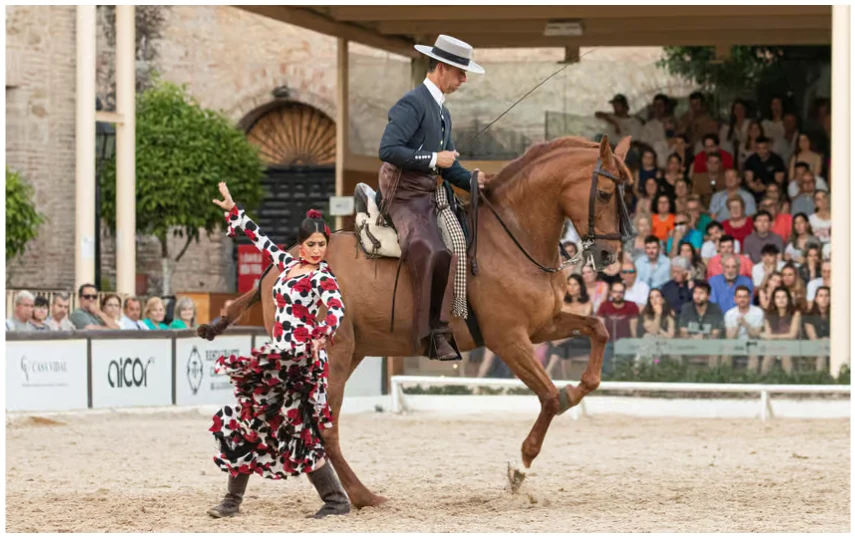
Córdoba equestrian show with Andalusian horses and flamenco
Book your Córdoba equestrian show ticket with Andalusian horses, dressage and flamenco at the Royal Stables. Around 70 minutes of live culture.
The mistakes to avoid in Córdoba usually start with rushing. The city asks for shade, patience, respect for its rhythm, and enough time to look beyond the Mosque-Cathedral, the Roman Bridge, and the Jewish Quarter.
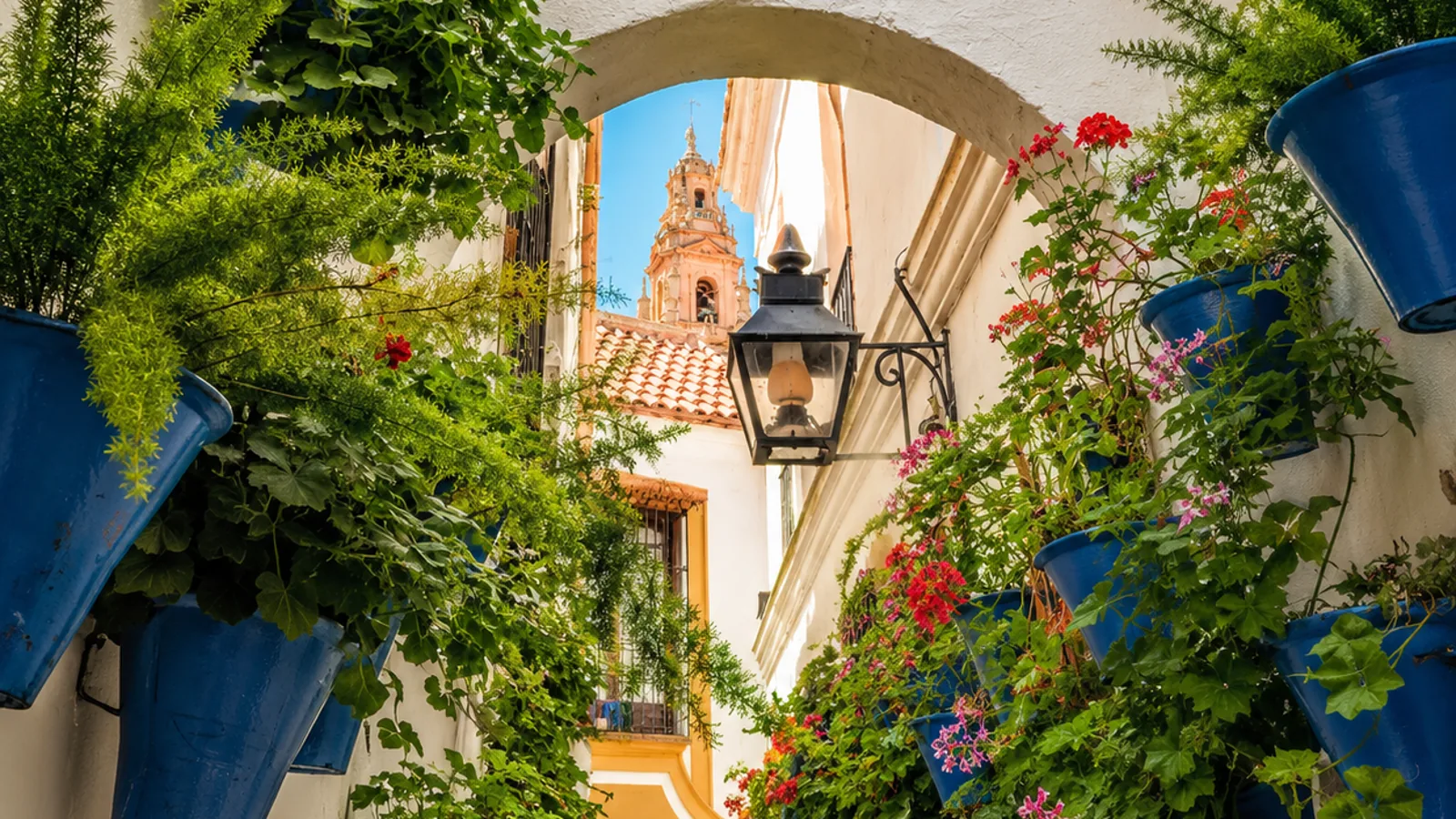
The mistakes to avoid in Córdoba are not only about missing a monument, but about treating the city like just another quick stop. Córdoba is a city of shade, sun-warmed stone, quiet patios, and sunsets that drift slowly down over the Guadalquivir. Those who arrive in a hurry often see the Mosque-Cathedral, cross the Roman Bridge, take a photo in the Jewish Quarter, and leave thinking they have understood it. But Córdoba needs a different pace. These are the most common mistakes when visiting Córdoba worth avoiding so that the city does not become merely a beautiful but superficial visit.
Compare locations and options to find a base that suits your trip. Booking.com confirms current availability and pricing.
Find accommodation on BookingCórdoba can be seen on a day trip, yes. But it is not understood in the same way. The big mistake is arriving in the morning, going into the Mosque-Cathedral, eating quickly, and getting back on the train before the light begins to change.
The city gets better as it empties out. At dusk, the whitewashed streets cool down, the squares regain their calm, and the historic center stops feeling like a tourist set. Staying at least one night lets you discover a more intimate Córdoba, less obvious and far more memorable.
It is especially worth it for those who enjoy walking without a map, dining without watching the clock, and letting the city reveal itself little by little. It may be less worthwhile if all you want is a quick checklist of monuments.
Córdoba in summer can be harsh. It is not just heat: it is intense light, dry air, and a furnace-like feeling in the middle of the day. One of the most common mistakes when visiting Córdoba is planning your route as if it were any other European city with a mild climate.
During the hottest months, it is best to get up early, rest after lunch, and save the late afternoon for going out again. Long visits at midday can become exhausting, especially for children, older travelers, or anyone not used to Andalusian heat.
Spring and autumn usually offer a more forgiving Córdoba. Winter, though less flowery, has the advantage of being quieter and more authentic.
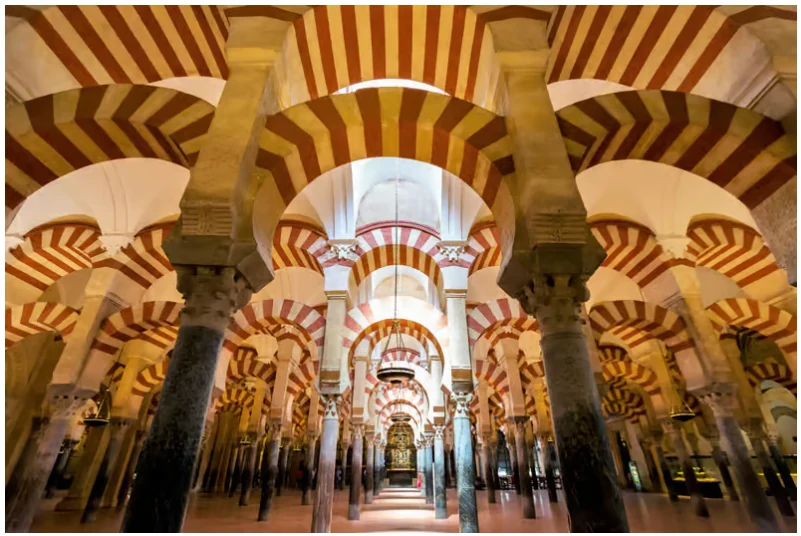
Entering the Mosque-Cathedral of Córdoba without context means missing part of its power. Its beauty impresses immediately, but its real value lies in the layering of centuries, religions, power, art, and memory.
It should not be visited with the mindset of “one more stop.” It deserves time. Walk among its arches, watch how the light changes, observe the contrast between the forest of columns and the Christian cathedral built inside it. You may like the historic intervention more or less, but that very tension is part of what makes the place so singular.
The mistake is seeing it in a hurry. Córdoba does not entirely forgive a rushed visit.
The Jewish Quarter of Córdoba is beautiful, but it is also one of the most visited areas. Its narrow streets, patios, shops, and whitewashed façades are part of the city’s most recognizable image, although in high season they can feel somewhat overcrowded.
Limiting yourself to this area can leave you with an overly touristy view of Córdoba. It is also worth walking toward San Basilio, Plaza del Potro, San Pedro, La Corredera, or less photographed streets where the city breathes more naturally.
The monumental city is essential, but everyday Córdoba — the one with shutters lowered against the sun, neighborhood bars, discreet churches, and unhurried squares — helps balance the experience.
Córdoba is greatly enjoyed through its food, but not every restaurant in the center offers the same experience. The mistake is not eating near the tourist areas; the mistake is going in without looking, driven by hunger or by a menu placed too prominently.
It is worth seeking out taverns with local cooking, reasonable menus, and an authentic atmosphere. Salmorejo, flamenquín, oxtail, or fried eggplant with honey can be delicious, but they can also feel heavy if ordered without restraint, especially on hot days.
Córdoba invites you to eat well, not necessarily to eat a lot.
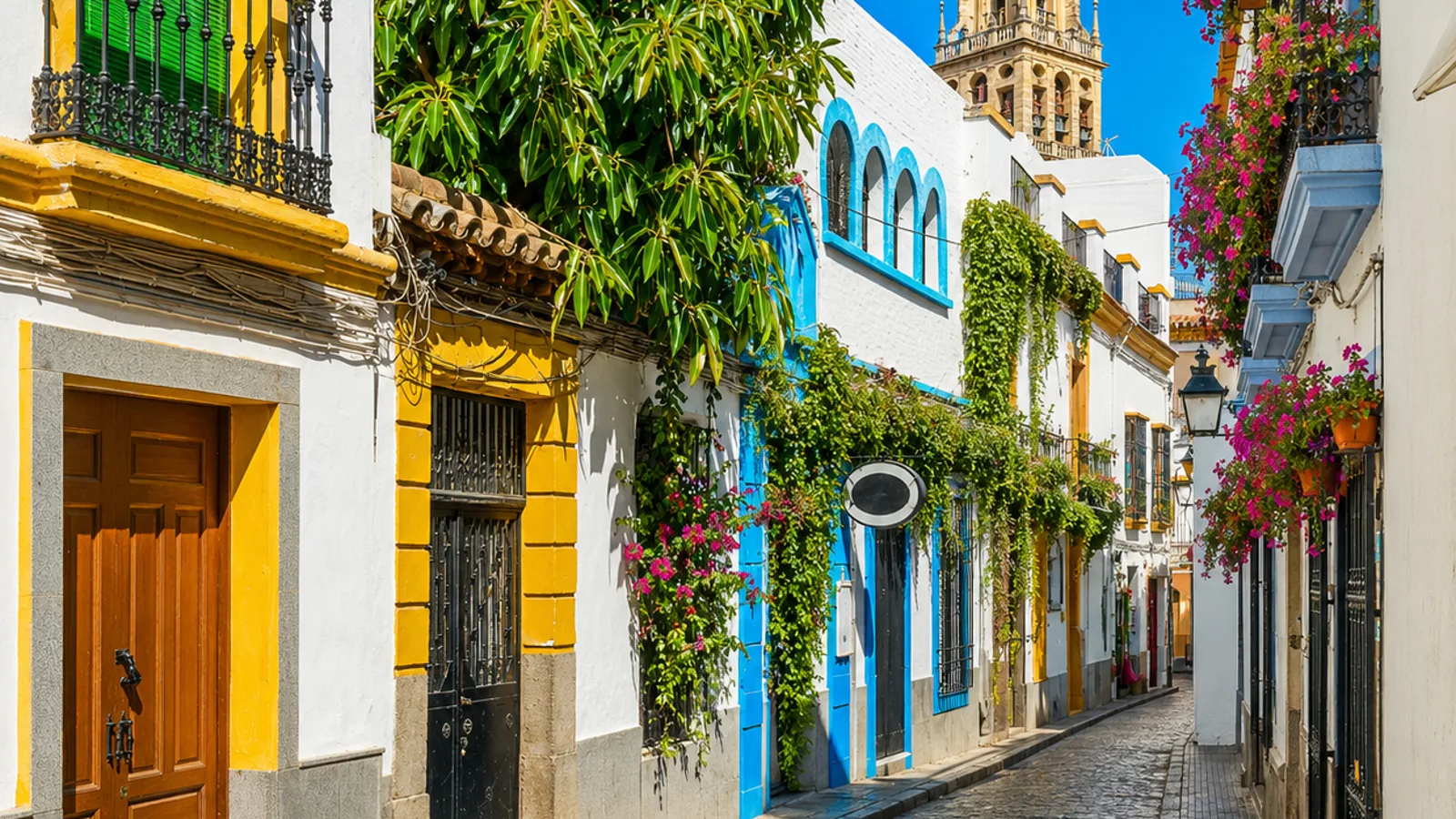
Many travelers associate Córdoba only with its flower-filled patios. It is true that spring transforms the city and gives it an almost theatrical beauty. But it also brings more visitors, longer queues, and a less intimate feeling.
The mistake is thinking that Córdoba is only worth visiting in May. Some patios can be visited at other times of the year, and the city keeps its charm even when it is not at the height of its floral splendor. Out of season, there may be less color, but there is also more silence.
The best time to visit Córdoba depends on the kind of traveler you are: spring for those seeking living beauty and atmosphere; autumn or winter for those who prefer calm and milder temperatures.
Córdoba does not work well with impatience. There are split opening hours, long pauses, streets that empty in the heat, and a way of living the day shaped by temperature and tradition.
A common mistake is getting irritated because everything is not open at all hours or because the city seems to come to a halt after lunch. In reality, that pause is part of its logic. Adapting to Córdoba’s rhythm greatly improves the experience: visit early, eat without rushing, rest, and go out again when the light softens.
Travel also means stopping yourself from imposing your own timetable.
Córdoba is highly photogenic, but it is not an empty backdrop. People live in its narrow streets, patios, and historic neighborhoods. It is best to avoid blocking doorways, photographing private interiors without permission, or speaking loudly in residential areas, especially at night.
Local interaction is usually warm if you behave respectfully. A greeting, a polite question, or a quiet conversation in a tavern can open small doors. But friendliness should not be confused with intrusion. The patios, houses, and neighborhoods do not exist solely for the visitor’s camera.
The traveler who gets along best with Córdoba is the one who looks carefully, but also discreetly.
Córdoba’s historic center is not comfortable to get around by car. Narrow streets, restrictions, limited parking, and pedestrian areas can turn it into an unnecessary nuisance.
The most sensible option is usually to leave the car outside the heart of the historic center and walk. Córdoba is best enjoyed on foot: the main distances are manageable, and the walk itself is part of the experience. A car can be useful for excursions or for arriving from elsewhere, but inside the center it usually takes away more than it adds.
Anyone traveling with a lot of luggage or with reduced mobility should choose their accommodation area carefully to avoid awkward journeys.
Córdoba carries an enormous historical weight, but it is not frozen in time. Behind its monuments there is university life, contemporary bars, less touristy neighborhoods, and a real city that does not always appear on postcards.
The mistake is looking only for the Caliphal, Jewish, or Christian Córdoba, as if the present did not matter. A visit improves when heritage is combined with simple moments: a coffee in a square, a casual conversation, dinner without famous views, a walk beside the river.
Córdoba needs no exaggeration. Its beauty lies in the blend of splendor and calm, of ancient stone and daily life, of carefully tended patios and walls that hold the heat. But it asks something of the traveler: patience, respect, and a certain willingness to slow down. Those who come only to tick off monuments may find it beautiful. Those who stay a little longer may feel that the city, at last, begins to speak.
Plan your visit to Cordoba more effectively with selected experiences that simplify the logistics and help you make the most of your time.
Activity on TourBookGoBook your Córdoba equestrian show ticket with Andalusian horses, dressage and flamenco at the Royal Stables. Around 70 minutes of live culture.
 Activity on TourBookGo
Book a Mosque Cathedral Córdoba guided tour with entry included, an official local guide and a 1 hour to 70 minute historic visit.
 Activity on TourBookGo
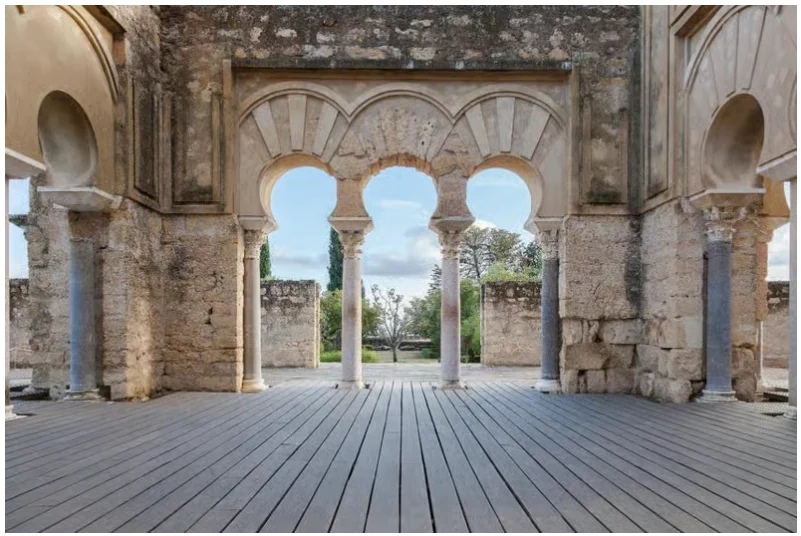
Book a Medina Azahara guided tour from Córdoba with a Spanish-speaking guide, archaeological site visit, museum and optional transport. Approx. 3 hours.