 Activity on TourBookGo
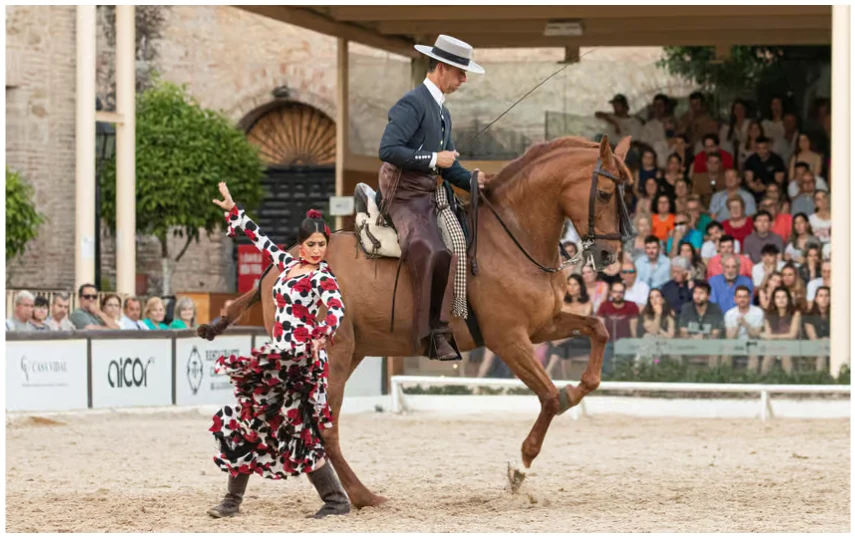
Córdoba equestrian show with Andalusian horses and flamenco
Book your Córdoba equestrian show ticket with Andalusian horses, dressage and flamenco at the Royal Stables. Around 70 minutes of live culture.
Where to eat in Córdoba is not just about famous dishes or terraces beside the Mosque-Cathedral. The city is best understood slowly: with Córdoba salmorejo, Montilla-Moriles, aubergines with honey and a long Andalusian sobremesa.
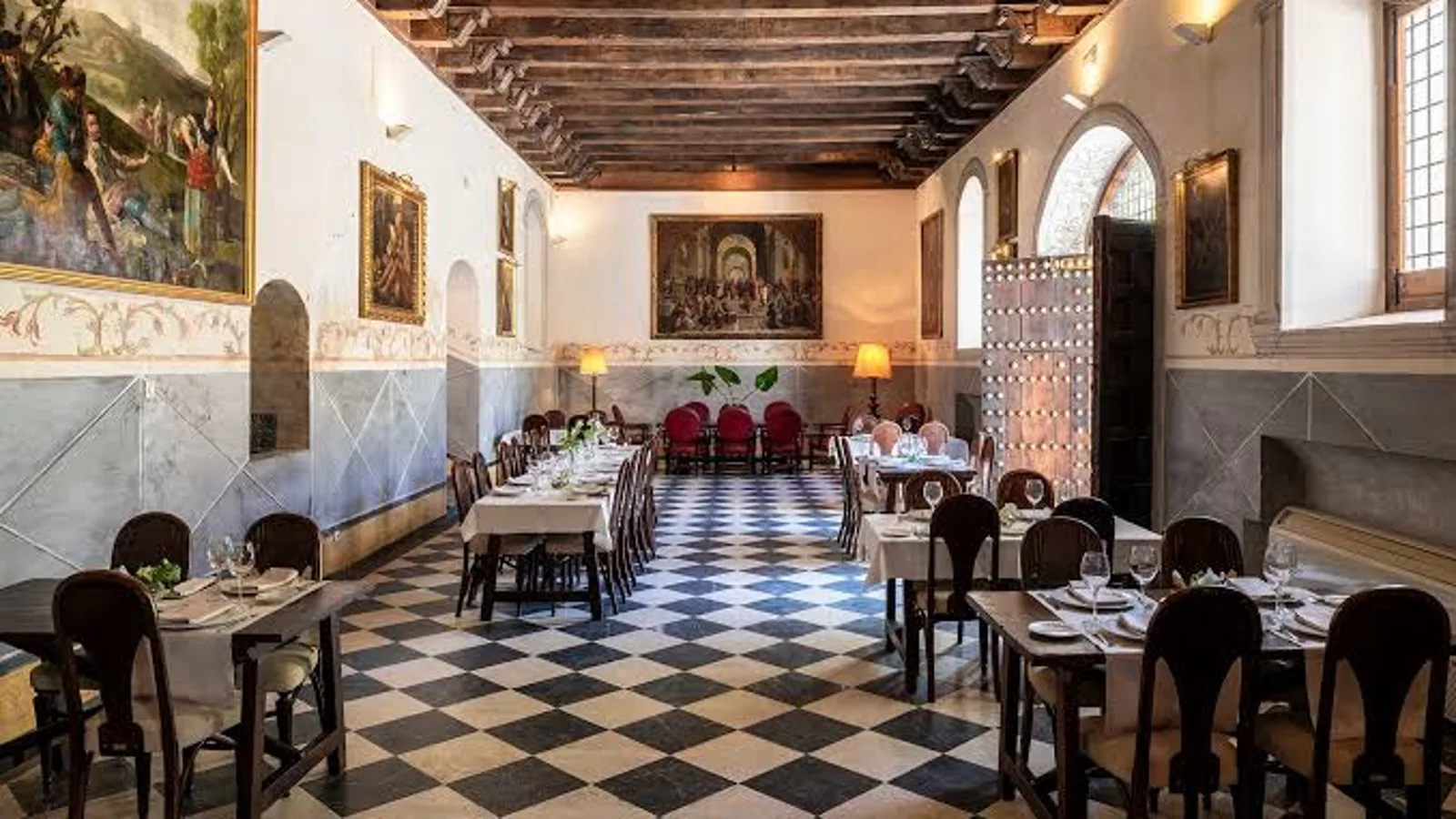
If you are wondering where to eat in Córdoba, start with the flavours that define the city: salmorejo, aubergines with honey, oxtail, flamenquín, pastel cordobés and local wines. Córdoba Tourism highlights olive oil as the foundation of its recipes, salmorejo as one of its emblems, and oxtail and flamenquín as two meat dishes closely associated with the city.
Compare locations and options to find a base that suits your trip. Booking.com confirms current availability and pricing.
Find accommodation on BookingCórdoba-style salmorejo. Salmorejo is the first test of serious Córdoba cooking. It should be thick and silky, with the tomato and olive oil fully integrated, not a watery cream served merely for the sake of it. In summer, it is almost a physical necessity; in winter, a way to begin a meal with a memory of sunlight.
Flamenquín. Córdoba’s flamenquín is substantial: pork, ham, breadcrumbs and frying. When it is well made, it is crisp on the outside and juicy within; when it is badly made, it becomes a dry, heavy tube. It is best ordered in taverns with turnover and tradition, not from overlong tourist menus.
Oxtail. Oxtail needs time. It is a dark, tender stew with a deep sauce, better suited to a slow lunch than to a light dinner before carrying on walking. In Córdoba, it has a historical connection with the city’s bullfighting tradition.
Aubergines with honey. This is one of those dishes that seems simple until you taste a bad version. The key is for the aubergine to arrive thin, crisp and without excess oil. If the honey takes over, the dish quickly becomes tiring; if it is properly measured, it leaves a gentle sweetness, almost Andalusi in spirit.
Pastel cordobés and Pedro Ximénez. To finish, pastel cordobés — puff pastry filled with angel hair squash jam — works best when shared. It may be too sweet for some palates, but with a glass of Pedro Ximénez it makes sense within the local sobremesa.
The Jewish Quarter and the area around the Mosque-Cathedral. This is the most beautiful area, and also the trickiest when it comes to choosing well. There are houses with patios, historic taverns and restaurants with deep-rooted tradition, but also places designed for visitors arriving in a hurry. Here, it is worth reading the menu before sitting down: if it promises everything from paella to pizza and oxtail, it is better to keep walking.
Casa Pepe de la Judería is a Córdoba institution, with a tavern, restaurant, patio and terrace overlooking the Mosque-Cathedral, although its location makes it wise to book and avoid the busiest hours.
Casa Salinas, by Puerta de Almodóvar, preserves the feel of a classic tavern, where wine, flamenco and traditional cooking matter more than contrived decoration.
The centre and San Álvaro area. For a meal that feels less like part of a tourist route, the centre around San Álvaro, Tendillas and nearby streets can work very well. La Montillana keeps the spirit of a traditional tavern alive and serves Córdoba dishes such as croquettes, flamenquín and seasonal recipes.
San Lorenzo, Santa Marina and María Auxiliadora. Here, Córdoba becomes more neighbourhood-like. The streets are quieter, the façades less photographed, and the taverns seem to live more for the city than for the traveller’s map. Sociedad Plateros de María Auxiliadora is a good address for Córdoba cooking, cod and traditional dishes, with gluten-free options for recipes such as salmorejo, flamenquín and oxtail.
Historic taverns are an essential part of local life. They are not just places to eat: they are also spaces for conversation, wine, gatherings and urban memory. Córdoba Tourism recognises 13 taverns with this distinction, including Bodegas Campos, Casa Pepe de la Judería, Taberna Salinas and several Sociedad de Plateros taverns.
Bodegas Campos, opened in 1908, is a classic address for anyone looking for a more formal Córdoba meal, with oxtail, salmorejo and local wines in a historic bodega setting.
Salinas, founded in 1924, still has its own wine cellar, a columned patio and the atmosphere of an old tavern, which may greatly appeal to travellers seeking character rather than design.
Córdoba allows you to eat on a modest budget, but expectations need adjusting. Cheap and good usually means eating at the bar, sharing portions, ordering dishes of the day and choosing taverns away from the front line of the monuments. A breakfast of bread, olive oil and tomato may be more memorable than an expensive brunch without soul.
For something quick by the Mosque-Cathedral, Bar Santos is known for its giant tortilla, although the place is small and the experience is more of a popular ritual than a relaxed meal.
For groups with different tastes, Mercado Victoria is practical: it brings together more than 20 stalls serving Córdoba, Spanish and international food, although it is more an atmospheric food hall than a cheap traditional market.
Mercado Victoria works well if you are travelling with friends, children or people who cannot agree: salmorejos, tortillas, flamenquines, international food, sweets and drinks all in one place. Its weakness is precisely that: it can feel less Cordoban than a tavern with history.
Mercado de la Corredera, by contrast, retains a more everyday feel. The Regional Government of Andalusia describes it as a municipal market with fruit shops, butchers, fishmongers, grocery stalls, pickles and spices, set inside one of the city’s most distinctive squares.
It is not the most elegant place for a grand meal, but it is a good stop for seeing the city while it is still shopping for itself.
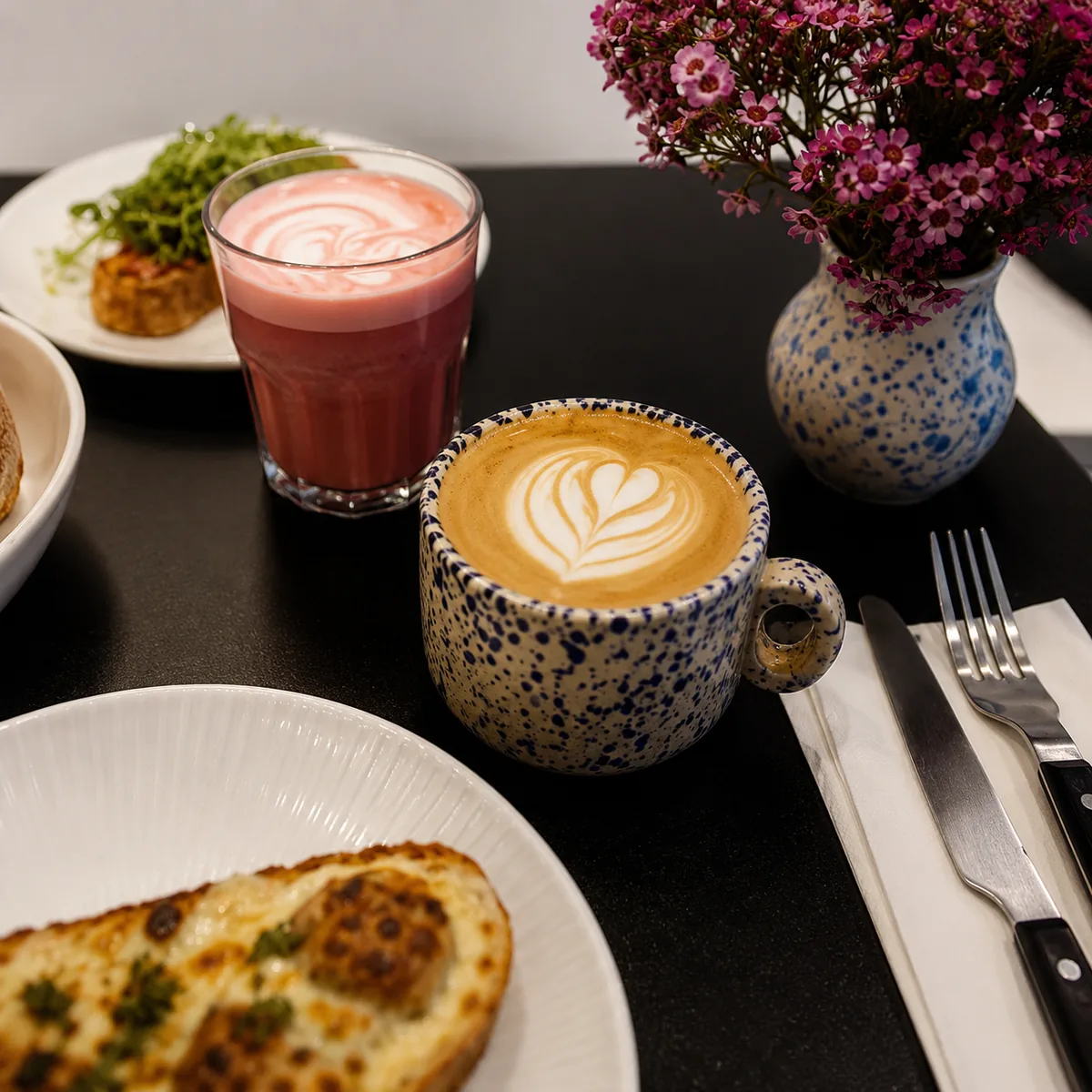
Córdoba also has a contemporary gastronomic side. Noor, by Paco Morales, is the major fine-dining reference linked to Andalusi memory, while Choco is recognised by the Michelin Guide with one star and Regadera appears as a Bib Gourmand for good value for money.
They are worth it if you are looking for a gastronomic experience as a central part of the trip. Less so if you only have one day, are travelling on a tight budget or prefer to understand Córdoba through its taverns, wines and popular dishes.
The first mistake is sitting at the most obvious terrace when hunger strikes. In Córdoba, as in many monumental cities, the few metres you move away from the postcard view can improve the food. The second is ordering too many fried dishes in the middle of summer: flamenquín, aubergines and croquettes on the same table can feel heavy in forty-degree heat. The third is dining late without a reservation in May, during Holy Week or on busy weekends.
It is also worth being wary of endless menus, menus with overly glossy photos and waiters who are too insistent about pulling customers in. Good gastronomic Córdoba does not need to shout so loudly.
The season changes the experience a great deal. In spring, the city is beautiful, but also busier: patios, flowers, terraces and difficult reservations. In summer, salmorejo and outdoor dinners make sense, although the heat can turn a heavy meal into a bad decision. In autumn and winter, Córdoba becomes kinder to stews, wines, taverns and long sobremesas.
Eat in the Jewish Quarter if you want beauty, but choose carefully. Eat in historic taverns if you want local flavour. Head to San Lorenzo or María Auxiliadora if you prefer a less scenic and more real Córdoba. Use Mercado Victoria for convenience, not as a summary of Córdoba cooking. And save fine dining for a trip where gastronomy is the main event, not just another box to tick.
Córdoba is best eaten when you walk without anxiety, share the table and accept that not everything famous is the most exciting. Sometimes the best memory will not be the most talked-about restaurant, but a cool bar, a glass of Montilla-Moriles and a salmorejo arriving at the table in the exact colour of summer.
Discover the culinary side of Cordoba through selected experiences featuring markets, tastings, workshops and special dinners.
Activity on TourBookGoBook your Córdoba equestrian show ticket with Andalusian horses, dressage and flamenco at the Royal Stables. Around 70 minutes of live culture.
 Activity on TourBookGo
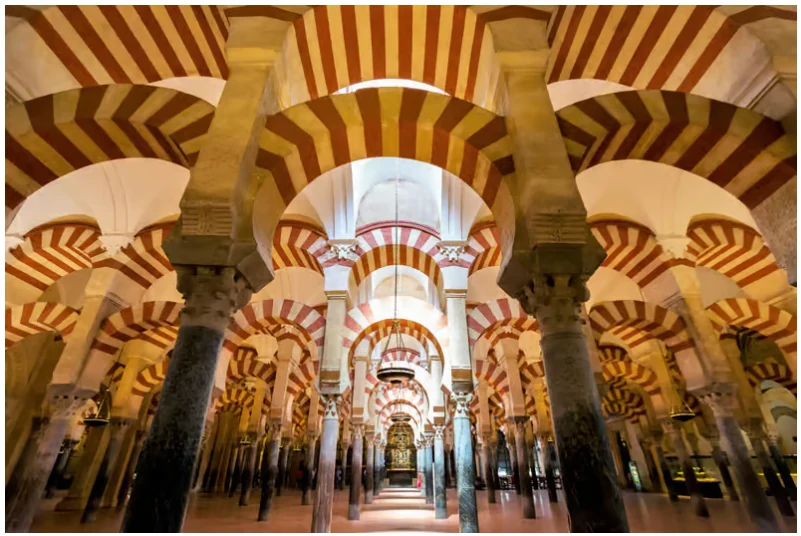
Book a Mosque Cathedral Córdoba guided tour with entry included, an official local guide and a 1 hour to 70 minute historic visit.
 Activity on TourBookGo
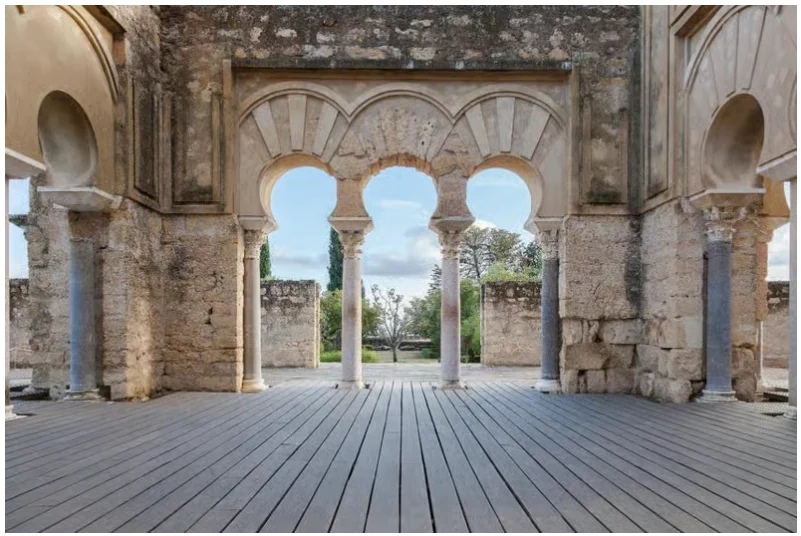
Book a Medina Azahara guided tour from Córdoba with a Spanish-speaking guide, archaeological site visit, museum and optional transport. Approx. 3 hours.