 Activity on TourBookGo
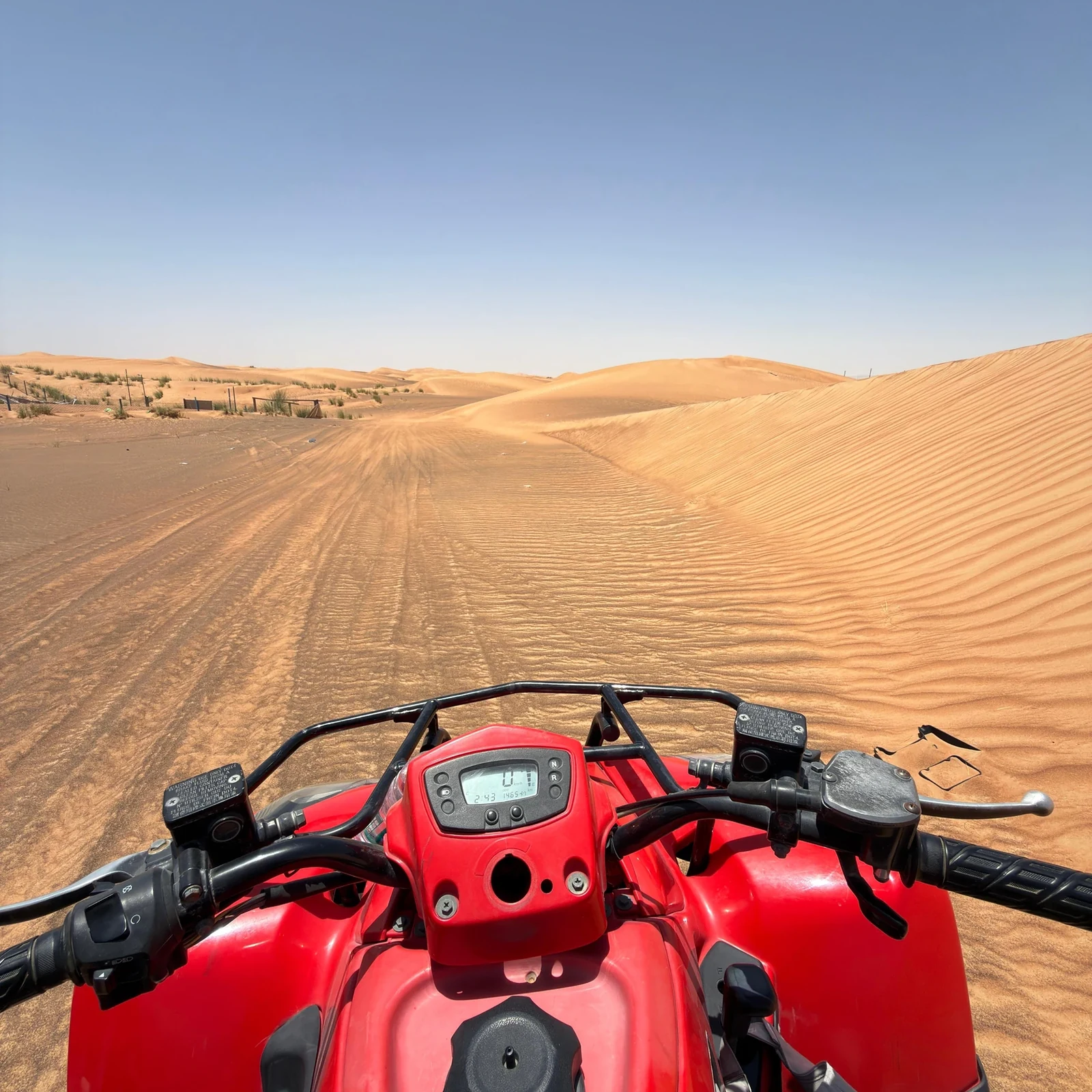
Dubai Red Dunes Desert Safari with Camel Ride and Sandboarding
Explore Lahbab’s red dunes on a roughly 4-hour Dubai desert safari with pickup, dune bashing, sandboarding, a short camel ride and optional quad biking.
Dubai changes far more with the seasons than its image of year-round sunshine might suggest. Blue skies, air-conditioned hotels and well-kept beaches are there for much of the year, but the temperature completely transforms the way you experience the city.
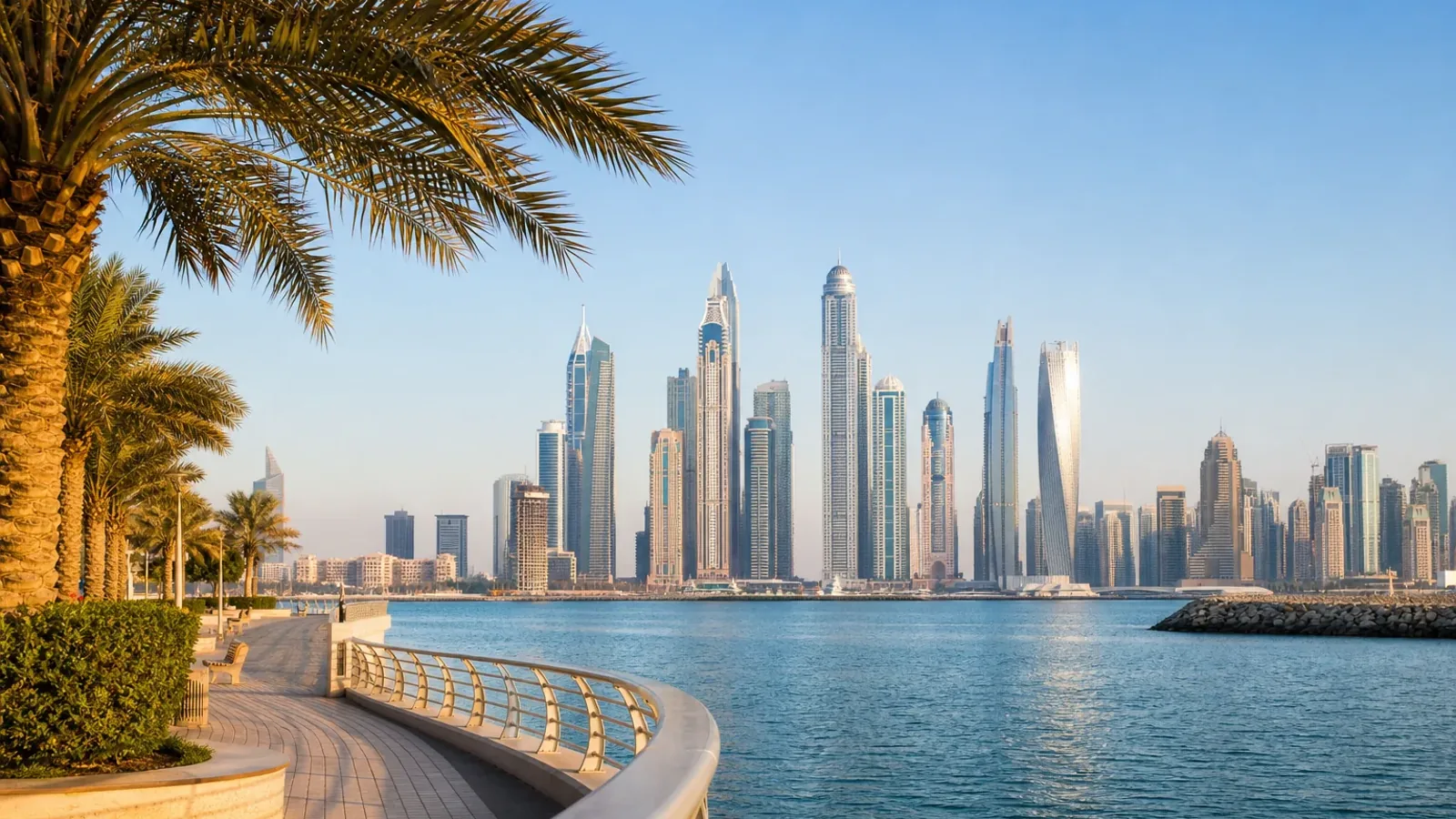
If you want to walk along Dubai Creek, wander through the souks, dine outdoors, spend an afternoon at the beach and venture into the desert without feeling that the heat dictates your every move, the winter months are the most pleasant. The trade-off is simple: when Dubai offers its best weather, it also attracts more visitors, and travelling can be more expensive.
Compare locations and options to find a base that suits your trip. Booking.com confirms current availability and pricing.
Find accommodation on BookingFor most travellers, November to March offers the most comfortable balance.
Winter in Dubai is mild. Official tourism information puts average winter temperatures at around 23°C, while in summer they can reach approximately 41°C.
That completely changes the experience. In winter, walking around, sitting on a terrace, exploring historic neighbourhoods, visiting markets and spending hours outdoors all become much more appealing. Even a desert excursion feels different when the sun is no longer the dominant force throughout the day.
December, January and February are particularly attractive for anyone looking for good weather and outdoor activities. The city’s tourism calendar itself features numerous events and outdoor experiences during the winter months.
But that comfort comes at a price: it is a popular time to visit. Expect greater demand for hotels, beaches, attractions and especially sought-after restaurants.
November has one particular advantage: Dubai starts breathing outdoors again.
The heat begins to ease, making it far more comfortable to combine beach, city and desert. It is an especially appealing month for travellers who want good weather without necessarily planning their entire trip for the height of winter.
The evenings are also part of the appeal. Terraces, waterfront promenades and outdoor dining come back into their own, and the city feels less dependent on air conditioning.
December brings together many of the conditions that make travelling around Dubai easy: pleasant temperatures, beach-friendly days and comfortable evenings for going out.
It is also a particularly lively time of year. At the beginning of December, the United Arab Emirates celebrates its National Day, now known as Eid Al Etihad, with events across the city.
It is an excellent choice if you are looking for atmosphere, but not necessarily if your top priority is saving money or finding peace and quiet.
If you were choosing purely on the basis of weather, January and February would be among the strongest options.
These months make it easy to build a very varied itinerary: mornings exploring the city, afternoons at the beach, desert excursions and evenings outdoors. January maintains the mild conditions of winter, while February remains particularly favourable for discovering Dubai without the extreme heat found at other times of year.
Travellers looking exclusively for intense beach heat may even find some days cooler than expected. Dubai in winter is still sunny, but that does not necessarily mean scorching tropical heat every day.
Yes, especially during the first part of spring.
As the season progresses, temperatures rise and outdoor activities begin to require a little more planning. The potential advantage is finding a middle ground between still-manageable conditions and demand levels that differ from those of winter.
For a trip focused on hotels, dining, shopping, pools and indoor attractions, rising temperatures matter less. For anyone dreaming of walking for hours and exploring the city mainly on foot, they matter considerably more.
It is worth being clear here: summer is not the best time for everyone.
Dubai is exceptionally well adapted to the heat. Shopping malls, hotels, restaurants, taxis, the metro and many attractions are air-conditioned. Travelling there is perfectly possible.
But possible does not mean equivalent.
With average summer temperatures that can reach around 41°C, spending long periods walking outdoors can be exhausting.
The experience becomes more fragmented: hotel, air-conditioned transport, indoor attraction, restaurant, shopping mall. Travellers who enjoy that kind of trip can have a wonderful time. Those who like discovering a city slowly on foot will probably feel that the climate takes away some of their freedom.
Summer can make sense for travellers who prioritise resorts, pools, water parks, shopping and indoor experiences, particularly if they find accommodation deals that make the heat worthwhile.
Generally speaking, the months of intense heat are less attractive for outdoor tourism, while winter draws much of the interest precisely because of its pleasant temperatures.
However, choosing solely on the basis of crowds can be a mistake. Saving some money or encountering fewer visitors is of little benefit if you then discover that the heat prevents you from enjoying the kind of trip you had imagined.
In Dubai, the climate should weigh heavily in the decision.
Ramadan should not automatically be seen as a time to avoid.
The city continues to welcome visitors, and the month can offer an especially interesting cultural dimension: iftars after sunset, family gatherings, cultural activities and a different atmosphere at night. During Ramadan 2026, for example, the official tourism programme included cultural experiences, dining and late-night shopping.
The dates change every year because they follow the Islamic calendar, so it is worth checking them specifically for the year of your trip.
For some travellers, it will be an opportunity to experience a deeper side of local culture. Those looking purely for a leisure holiday without paying much attention to local customs and rhythms should do some research before booking.
For the beach: Late autumn and spring can be particularly pleasant for travellers who want to combine warm temperatures with swimming and outdoor life.
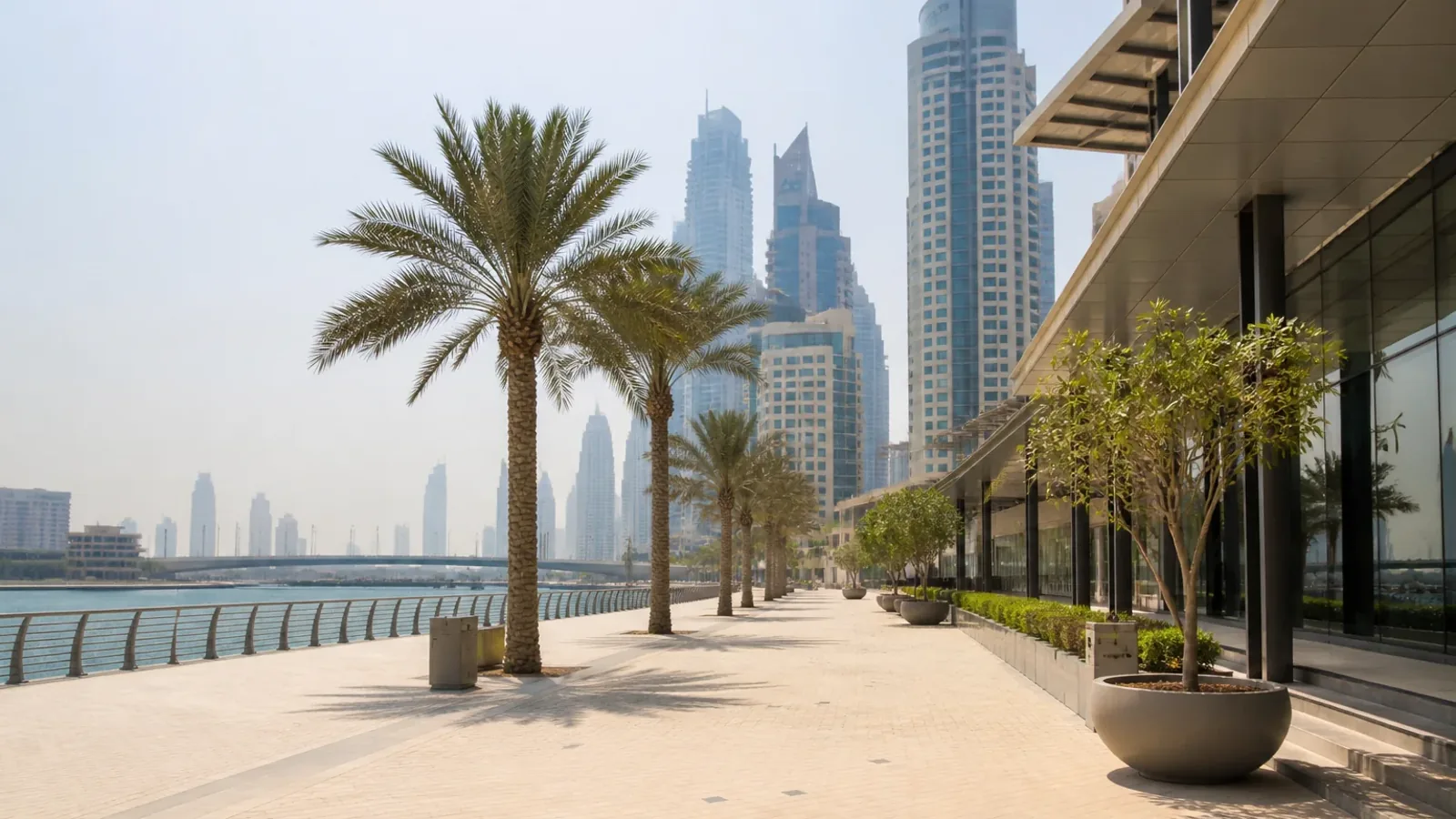
For sightseeing in the city: November to March is the most comfortable period. Walking matters more than you might expect in a destination usually associated with cars, taxis and large buildings.
For a desert excursion: The cooler months make it far easier to enjoy the landscape. The desert at sunset has a completely different feel when you can stay outside without constantly battling the heat.
For travelling with children: Winter makes days combining parks, the beach and outdoor activities much easier. In summer there are plenty of indoor alternatives, but transfers and time spent outside require more care.
For spending less: The hottest periods can be attractive if the savings outweigh the climatic limitations. However, prices fluctuate according to dates, events, accommodation and demand, so there is no single month that automatically guarantees a cheap trip.
If you want a simple answer, January and February are excellent candidates, while November also offers a very appealing balance.
For a first trip, I would generally choose sometime between November and March.
That is when Dubai allows you to experience its different sides most fully: futuristic architecture and historic neighbourhoods, the sea and the desert, evening terraces and markets, grand hotels and the corners where an older city still appears beneath the gleam of glass.
Summer may make certain types of trips cheaper or easier to arrange, but it also means accepting a reality no photograph can hide: the heat can seriously shape the experience.
The best time to visit Dubai, then, is not simply when the sun is shining. There is plenty of sunshine. It is when you can go outside and actually enjoy it.
Discover Dubai through selected experiences that combine landmark architecture, historic districts, desert adventures, boat trips, dining, theme parks and organised excursions to suit the pace of your trip.
Activity on TourBookGoExplore Lahbab’s red dunes on a roughly 4-hour Dubai desert safari with pickup, dune bashing, sandboarding, a short camel ride and optional quad biking.
 Activity on TourBookGo
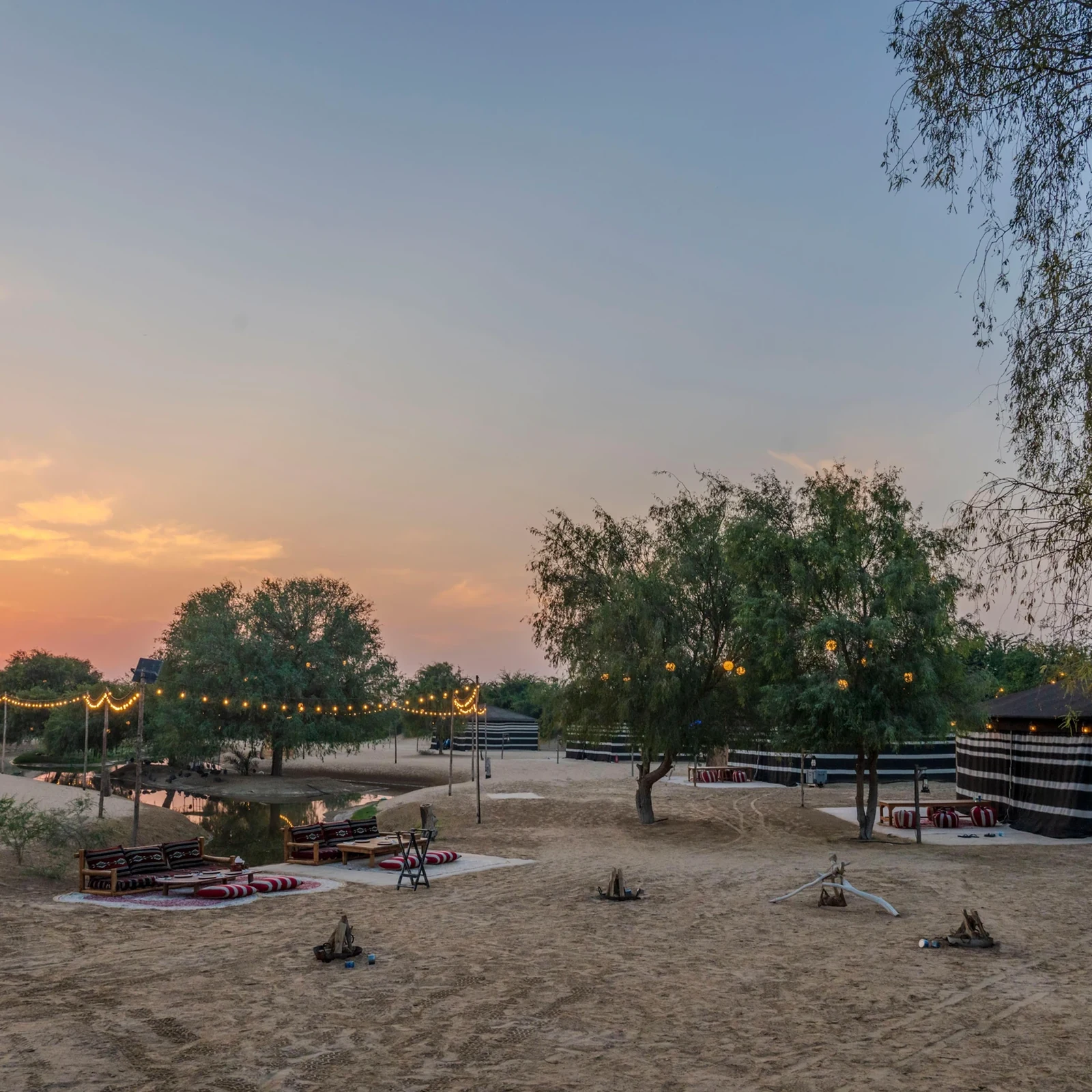
Ride into Dubai’s desert by 4x4, try sandboarding, take a short camel ride and stargaze by telescope at Al Marmoom Oasis, with transfers included.
 Activity on TourBookGo
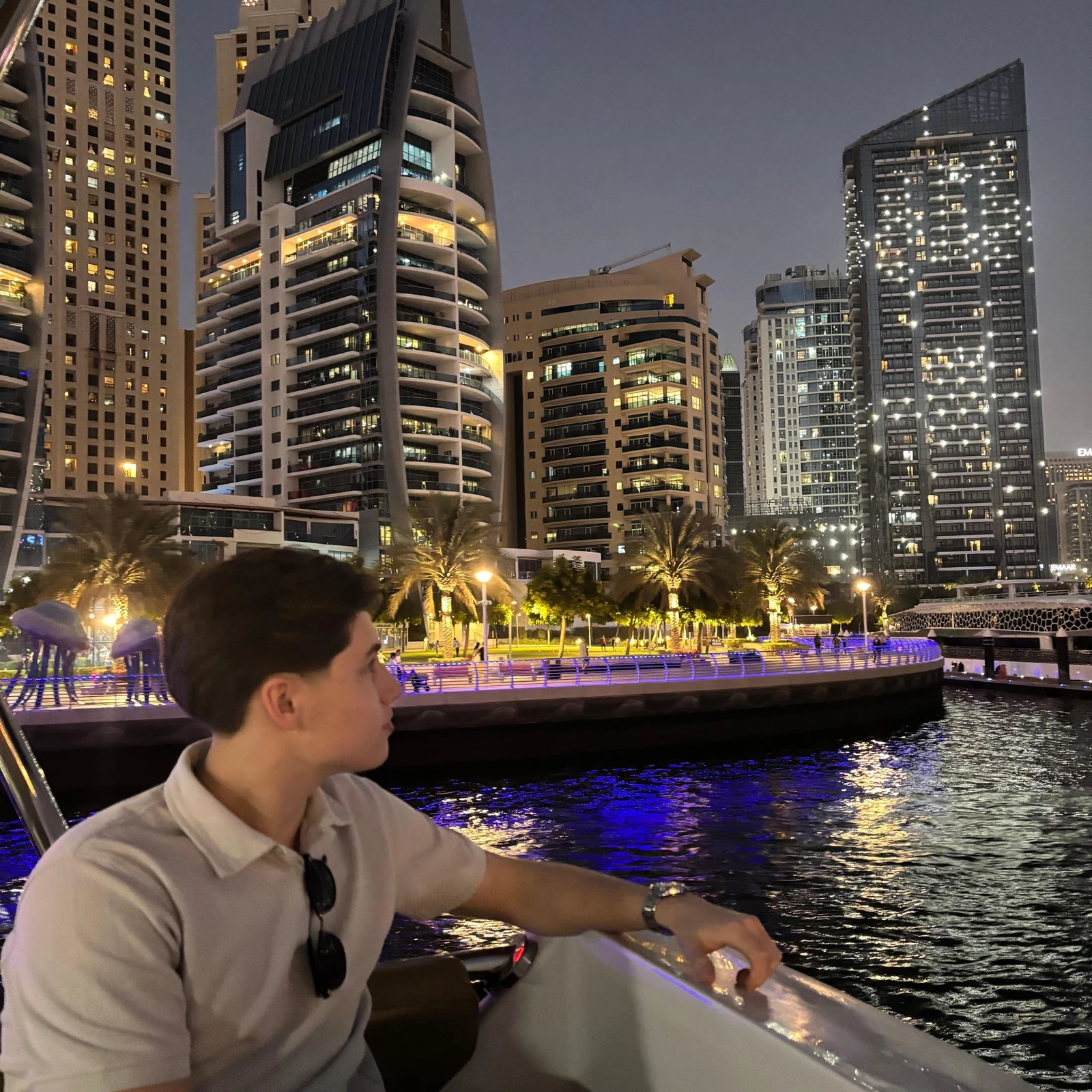
Cruise Dubai Harbour, Dubai Marina and the coast for 1 to 2 hours with drinks, crew and meal or BBQ options. Prices shown from EUR 20.