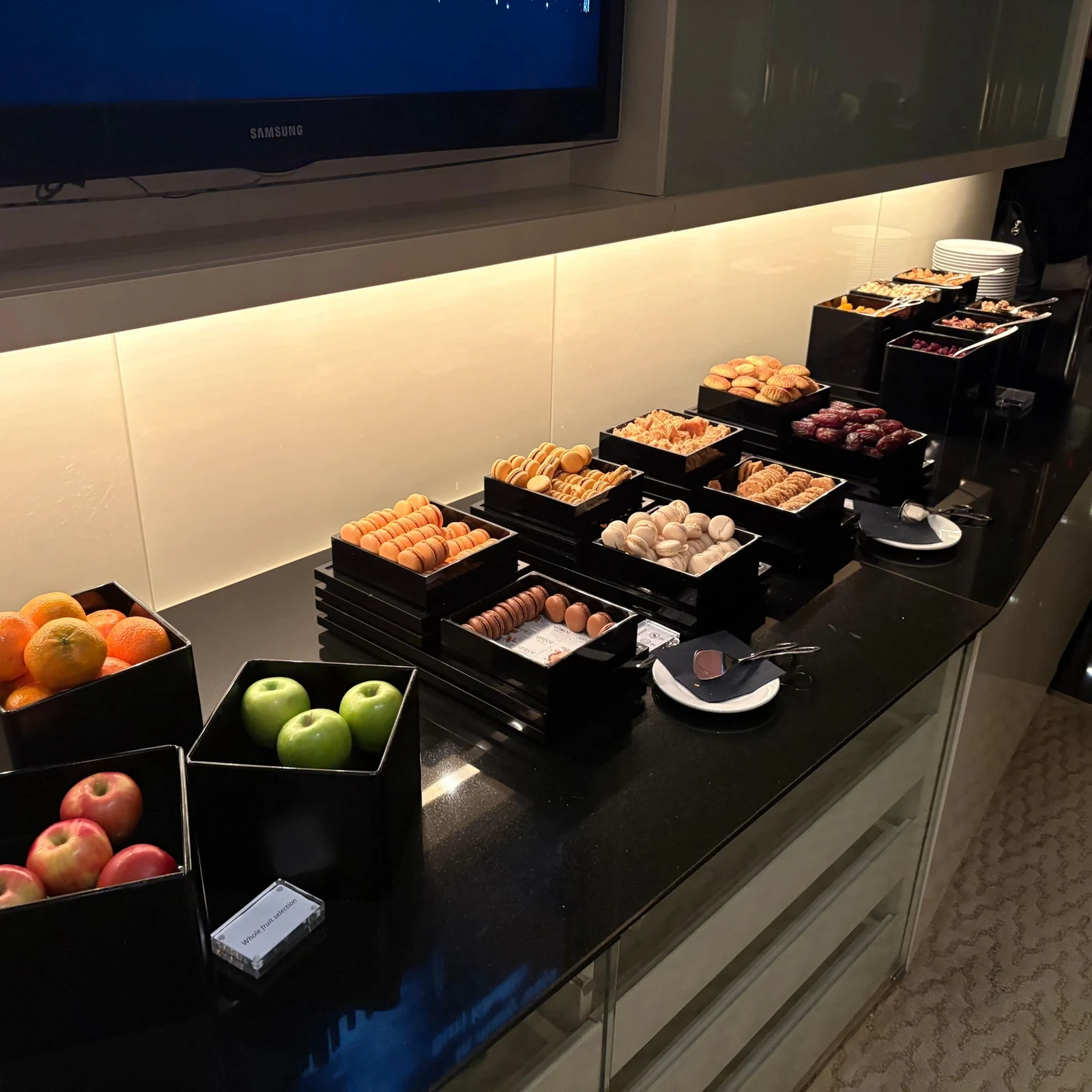
 Activity on TourBookGo
Burj Khalifa VIP: The Lounge Levels 152-154 in Dubai
Access Burj Khalifa's The Lounge on Levels 152, 153 and 154 with a 575 m outdoor terrace, canapés, drinks and expedited entry.
Dubai may seem like an easy city to figure out: immaculate hotels, wide roads, enormous shopping malls, well-maintained beaches, and a tourist infrastructure designed to make almost everything run smoothly. But that apparent simplicity can be misleading.
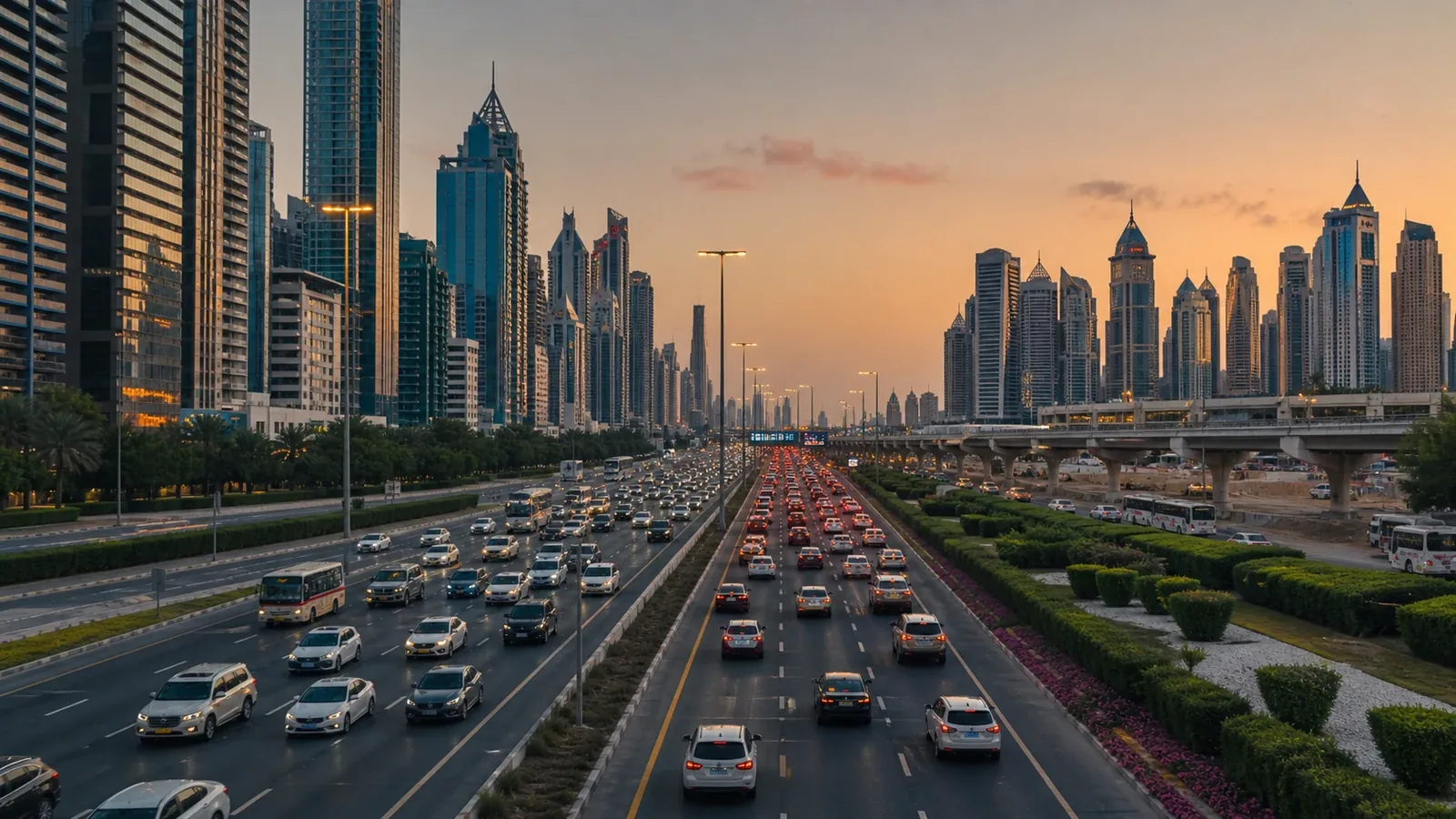
Traveling well in Dubai means understanding its contrasts. It is a cosmopolitan city, but it is also part of a society with its own cultural norms. It can be lavish and sophisticated, yet not everything is close by. It can feel exceptionally comfortable in winter and exhausting in the heat of summer. And above all, it becomes far more interesting once you stop seeing it merely as a collection of skyscrapers.
Compare locations and options to find a base that suits your trip. Booking.com confirms current availability and pricing.
Find accommodation on BookingOne of the most common mistakes is looking at the map and underestimating the distances. Dubai does not work like Rome, Paris, or Lisbon, where you can walk from one neighborhood to another for much of the day.
The city is vast and divided into large urban areas. Getting between Downtown, Dubai Marina, Palm Jumeirah, Deira, or Jumeirah can involve considerable travel time.
The metro is very useful along certain routes and connects with buses, trams, and other forms of transport. Much of the RTA public transport network uses the nol card, a system designed specifically to make it easy to combine different modes of transportation.
The key is not to avoid taxis or insist on doing everything by metro. It is to organize each day by area.
An attractive room at a good price can turn into false economy if it means crossing the city several times a day.
In Dubai, choosing accommodation also means choosing how much time you will spend getting around. Travelers interested in beaches will have different priorities from those visiting for shopping, architecture, nightlife, or culture.
Before booking, it is worth asking yourself which parts of Dubai will actually take up most of your trip.
Dubai encourages you to pack in experiences: Burj Khalifa in the morning, the desert in the afternoon, Marina at sunset, dinner afterward, and perhaps another observation deck before bed.
On paper, it seems possible. In practice, it can turn your trip into a race from one reservation to the next.
Distances, traffic, queues, and the sheer size of some attractions take up more time than expected. It is better to visit fewer places and leave enough time to actually enjoy them.
If your trip is limited to Downtown, Dubai Mall, Marina, and Palm Jumeirah, you will have seen a spectacular side of the city, but also a very partial one.
Around Dubai Creek, the urban landscape changes completely: abras crossing the water, markets, traditional shops, denser streets, and neighborhoods connected to the city's trading history.
Deira, the souks, and the banks of the Creek offer a better understanding of where Dubai came from before it became the vertical metropolis that now fills so many photographs.
In Dubai, the time of year can dramatically change the experience.
During the more pleasant months, walking by the sea, sitting on a terrace, or exploring historic neighborhoods is far more comfortable. During periods of intense heat, planning full days outdoors can be exhausting.
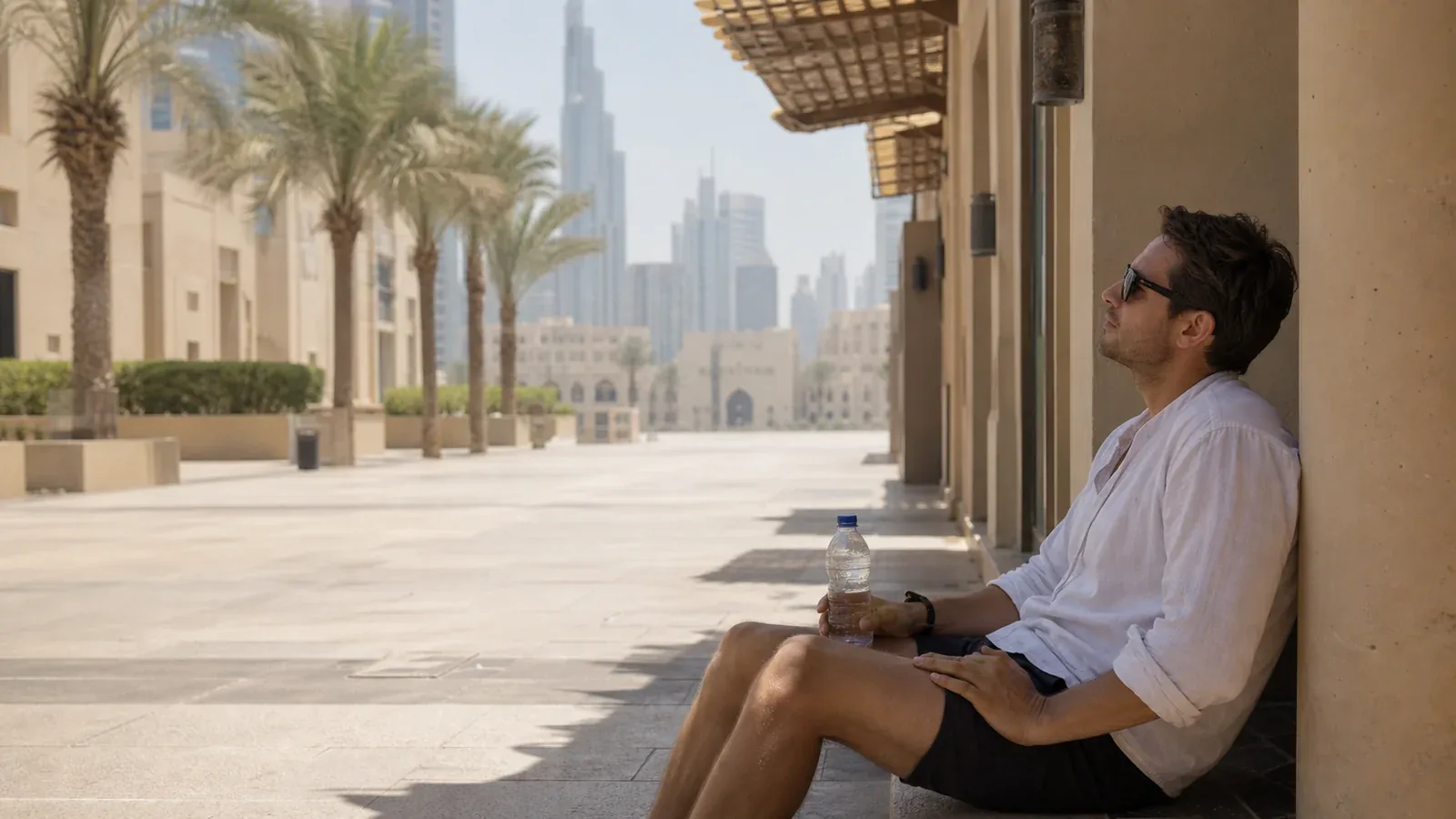
The mistake is not simply visiting Dubai in summer. You can certainly travel then, but the pace needs to change: more indoor activities, carefully planned journeys, and outdoor experiences concentrated during the less punishing hours of the day.
Dubai welcomes travelers and residents from almost every part of the world, and tourist areas can feel highly international. However, that does not mean local customs are identical to those of any Western city.
Dubai's official tourism guide states that dress is generally flexible, although it recommends greater modesty in historic, cultural, and religious places. It also advises avoiding excessive public displays of affection.
There is no need to travel in fear or obsess over every gesture. Simply follow a principle that works in almost any country: pay attention to the context and behave respectfully.
Another mistake is automatically applying the leisure habits of your home country.
Alcohol is available in licensed establishments in Dubai, and official tourism information states that people over the age of 21 may consume it in licensed hotels, restaurants, and venues.
That does not make the street or any public space an extension of the bar. Being sensible here does not spoil the trip; it simply prevents completely unnecessary problems.
Dubai can be expensive, especially if you combine luxury hotels, sophisticated restaurants, beach clubs, taxis, and premium attractions. But there is no obligation to travel that way.
The city's official tourism guide itself points out that there are hotels, restaurants, beaches, parks, and activities for a wide range of budgets.
One of Dubai's traps is psychological: when everything around you seems designed for consumption, it becomes easy to normalize expenses that you might think twice about elsewhere.
It is worth deciding in advance where spending more is worthwhile and where it is not.
Observation decks, desert excursions, water parks, panoramic restaurants, and private experiences can vary significantly in price depending on the time of day, category, and season.
The problem is not paying for something special. The problem is doing so automatically just because it appears in every Instagram photo.
Ask yourself which experience you will genuinely remember. Perhaps you would rather spend more on a well-organized desert excursion and less on several similar observation decks.
Not all desert experiences offer the same thing.
Some are geared toward large groups and entertainment shows; others aim for a quieter experience. The type of transport, duration, and level of crowding can also vary.
Before booking, read carefully what the activity includes and what kind of experience it is designed to provide. The cheapest option may be perfectly adequate for some travelers, but disappointing for someone imagining silence, open horizons, and almost empty dunes.
The markets of Deira have a genuine commercial dynamic. You will encounter persistent vendors, invitations to enter shops, and a certain amount of bargaining.
That atmosphere can be fun if you know what to expect. It can also feel uncomfortable for someone expecting a quiet, purely photogenic stroll.
At the Spice Souk, for example, piles of spices, perfumes, and intense aromas reveal a far more sensory side of the city than its shopping malls.
Dubai is home to communities from many different countries, so talking about a single style of social interaction would be an oversimplification.
The best approach is simple: politeness, patience, and respect.
A friendly greeting works better than demanding immediate attention. Asking permission before photographing someone is good practice. And entering religious or traditional spaces requires a different level of sensitivity from what may be necessary at an international resort.
It is also worth avoiding judging the city solely through the lens of your own cultural standards. Observing first often teaches you more than constantly comparing.
There are places where a camera enhances the memory and others where it starts to replace it.
Dubai is especially prone to this because almost everything seems designed to be photographed: infinity pools, the skyline, observation decks, elevated restaurants, and monumental architecture.
If every stop exists only to get the next photo, the trip can start to feel too much like a catalog.
Make time as well to take an abra, walk along the Creek, have a coffee without spectacular views, or simply watch the light change over the city.
Probably expecting the city to be just one thing.
Dubai can be luxury and everyday life, modernity and mercantile tradition, beach and desert, extravagant consumption and surprisingly simple experiences. Travelers who arrive looking only for skyscrapers may end up finding it superficial. Those expecting a conventional historic city may also feel disoriented.
The trip works better when you accept that contradiction.
Dubai does not need to appeal to everyone. Some travelers will be fascinated by its scale, architecture, and convenience; others will miss cities that are more walkable, spontaneous, or historic. Knowing that before you go does not take away the magic. It allows you to discover the city with your eyes more open.
Discover Dubai through selected experiences that combine landmark architecture, historic districts, desert adventures, boat trips, dining, theme parks and organised excursions to suit the pace of your trip.
Activity on TourBookGoAccess Burj Khalifa's The Lounge on Levels 152, 153 and 154 with a 575 m outdoor terrace, canapés, drinks and expedited entry.
 Activity on TourBookGo
Book Dubai Aquarium & Underwater Zoo from €29: underwater tunnel, Penguin Cove and several passes. Check inclusions, restrictions and cancellation.
 Activity on TourBookGo
Cruise for 3 hours from Dubai Harbour on a superyacht with live DJ, drinks, food depending on option and swimming time. Rated 4.8/5.