 Activity on TourBookGo
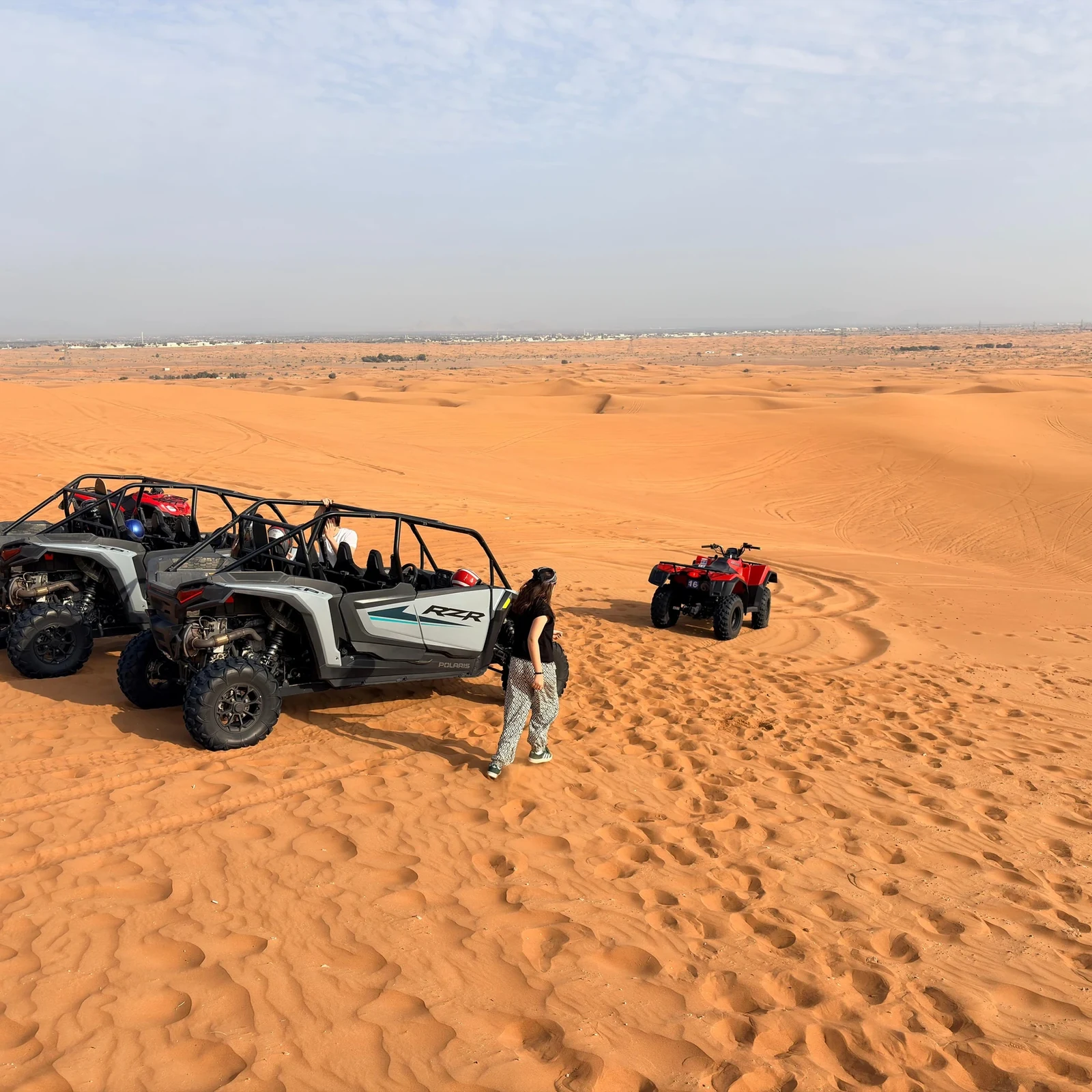
Dubai dune buggy safari with sandboarding, camel ride and show
Drive a 1000cc Polaris RZR across Dubai’s dunes for about 60 minutes, with sandboarding, a camel ride and optional BBQ camp and live shows.
Dubai generally gives visitors a very strong sense of everyday safety, especially in the main tourist areas. But understanding local laws, cultural norms, weather and regional conditions remains an important part of travelling well.
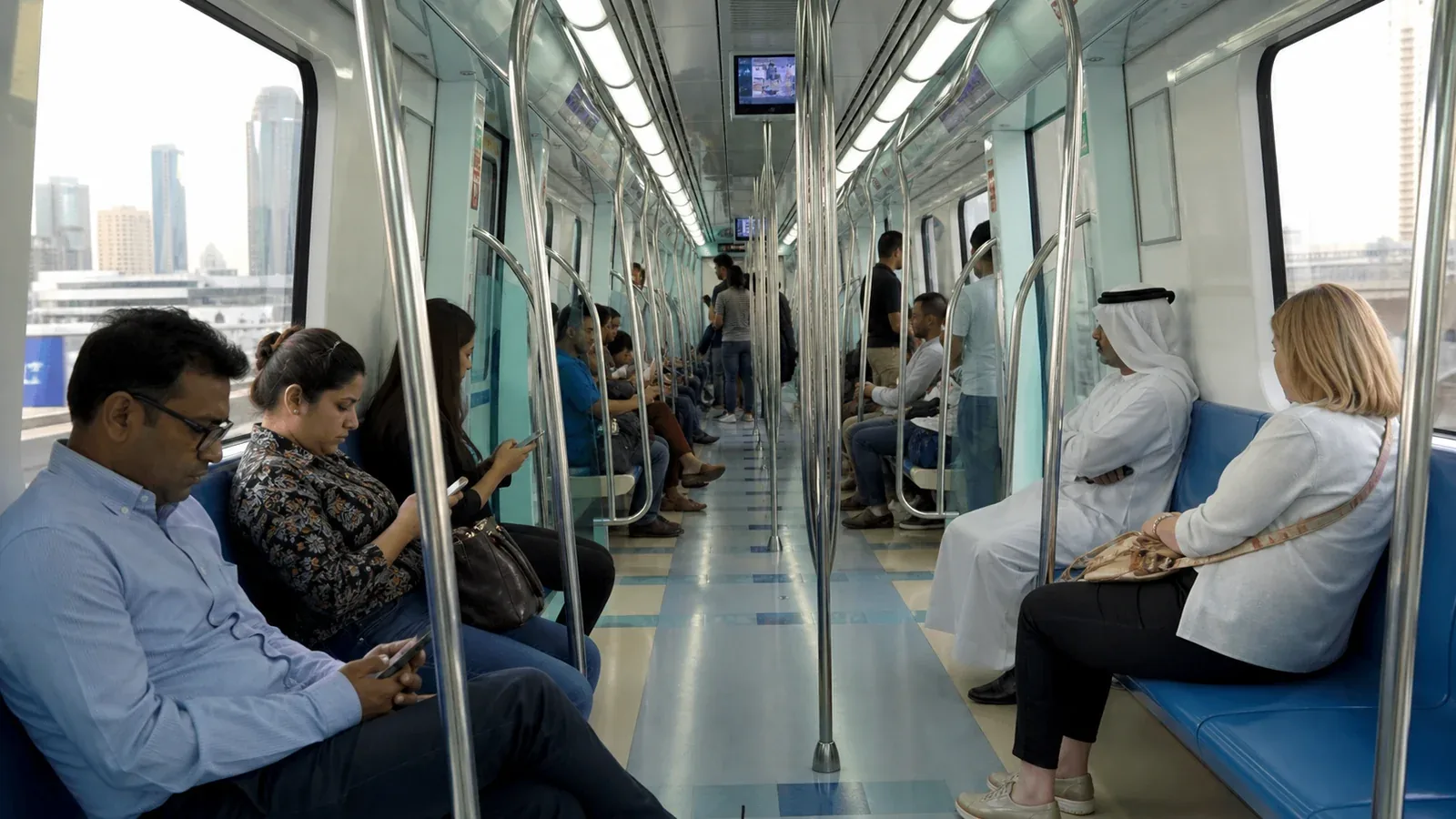
Dubai can be disorienting for first-time visitors. On one side, there is a city of gleaming hotels, immaculate beaches and shopping malls where everything seems to run with remarkable precision. On the other, it is a destination located in a region many travellers associate with geopolitical tensions and social laws that are considerably stricter than those in Europe. The short answer is that Dubai generally gives visitors a very strong sense of everyday safety, especially in the main tourist areas. Walking around, using public transport, visiting a shopping mall or returning to your hotel at night usually feels comfortable. But feeling safe on the street does not mean you should travel without doing your research. In Dubai, some of the most important risks for tourists come not from crime, but from being unfamiliar with local laws, cultural norms, weather conditions or the particularities of travelling in the Middle East.
Compare locations and options to find a base that suits your trip. Booking.com confirms current availability and pricing.
Find accommodation on BookingIn the areas where much of the tourist activity is concentrated — Downtown Dubai, Dubai Marina, Jumeirah, Palm Jumeirah and the major hotel resorts — the usual impression is one of order and control.
You may find yourself walking along brightly lit streets late at night, seeing families still having dinner or noticing how the metro and taxis are part of a relatively calm urban routine.
That does not mean you should abandon normal precautions. Your passport, phone, bank cards and valuables still deserve attention, especially in crowded places. The basic caution you would use in any major city still makes sense.
The difference is that street crime is unlikely to be the main concern shaping your travel plans.
This is where one of the most important nuances comes in.
Dubai is extraordinarily international, but it is still part of the United Arab Emirates. Its cosmopolitan appearance can lead some visitors to forget that certain behaviours are regulated differently from in their home countries.
It is wise to be particularly cautious about issues involving drugs, alcohol, behaviour in public spaces, taking photographs of other people, arguments or offensive gestures, and certain types of online posts.
It is not a good idea to interpret the tolerance you may experience in hotels and tourist areas as an absence of legal boundaries.
Travelling with medication requires some planning. The rules governing certain medicines may differ from those in your country and may change over time.
If you need to carry medication subject to special controls, check the current requirements with the relevant authorities before travelling. Do not rely solely on old accounts from other travellers.
When it comes to illegal drugs, the sensible approach is unambiguous: do not take any risks.
In the main tourist areas, walking after dark generally feels safe.
Dubai Marina is probably one of the clearest examples: open restaurants, illuminated buildings, waterfront promenades and plenty of activity throughout much of the evening. Downtown also remains lively around its main attractions.
However, there is a difference between safety and convenience.
Dubai is not designed entirely on a pedestrian scale. Some distances that look short on a map may involve large roads, awkward crossings or areas that are simply unpleasant to walk through. During the hottest months, even moderate distances can be exhausting.
Sometimes the problem with walking back to your hotel will not be feeling unsafe, but discovering that the route is far less straightforward than it appeared.
For many women, Dubai can be a comfortable destination for solo travel. Hotels, shopping malls, the metro, taxis and tourist areas make it possible to organise a trip with a high degree of independence.
Even so, it is worth distinguishing between physical safety and cultural context.
A woman travelling alone may feel very comfortable walking through certain areas while still needing to pay more attention to social norms than she would in a Western city. The atmosphere on hotel beaches and around swimming pools can be fairly relaxed, while more respectful clothing is expected in mosques, traditional neighbourhoods and certain public spaces.
There is no need to travel in fear. It is worth travelling well informed.
Dubai works particularly well for many families.
The tourist infrastructure is convenient, air-conditioned spaces are plentiful, and it is easy to combine beaches, swimming pools, theme parks, aquariums, excursions and large shopping malls.
The heat is probably a more realistic concern for families than many of the issues usually associated with urban safety.
Children can become dehydrated quickly, and the middle of the day can be extremely harsh during the hottest months. An overly ambitious itinerary can turn a comfortable holiday into a succession of taxis and hurried transfers between air-conditioned spaces.
With young children, the time of year matters a great deal.
Dubai’s sun can be deceptive.
From an air-conditioned room, the blue sky and bright light reflecting off the buildings may look like an invitation to head outside. The feeling changes as soon as you step into the street during periods of intense heat.
Sun protection, water, breaks and careful planning of outdoor activities are practical safety measures, not merely comfort recommendations.
If you travel during an especially hot period, schedule outdoor activities for early morning or around sunset whenever possible. Long walks at midday are rarely a good strategy.
Desert excursions require the same common sense. The landscape may be extraordinary, but it is still an arid environment where heat and sun exposure should be taken seriously.
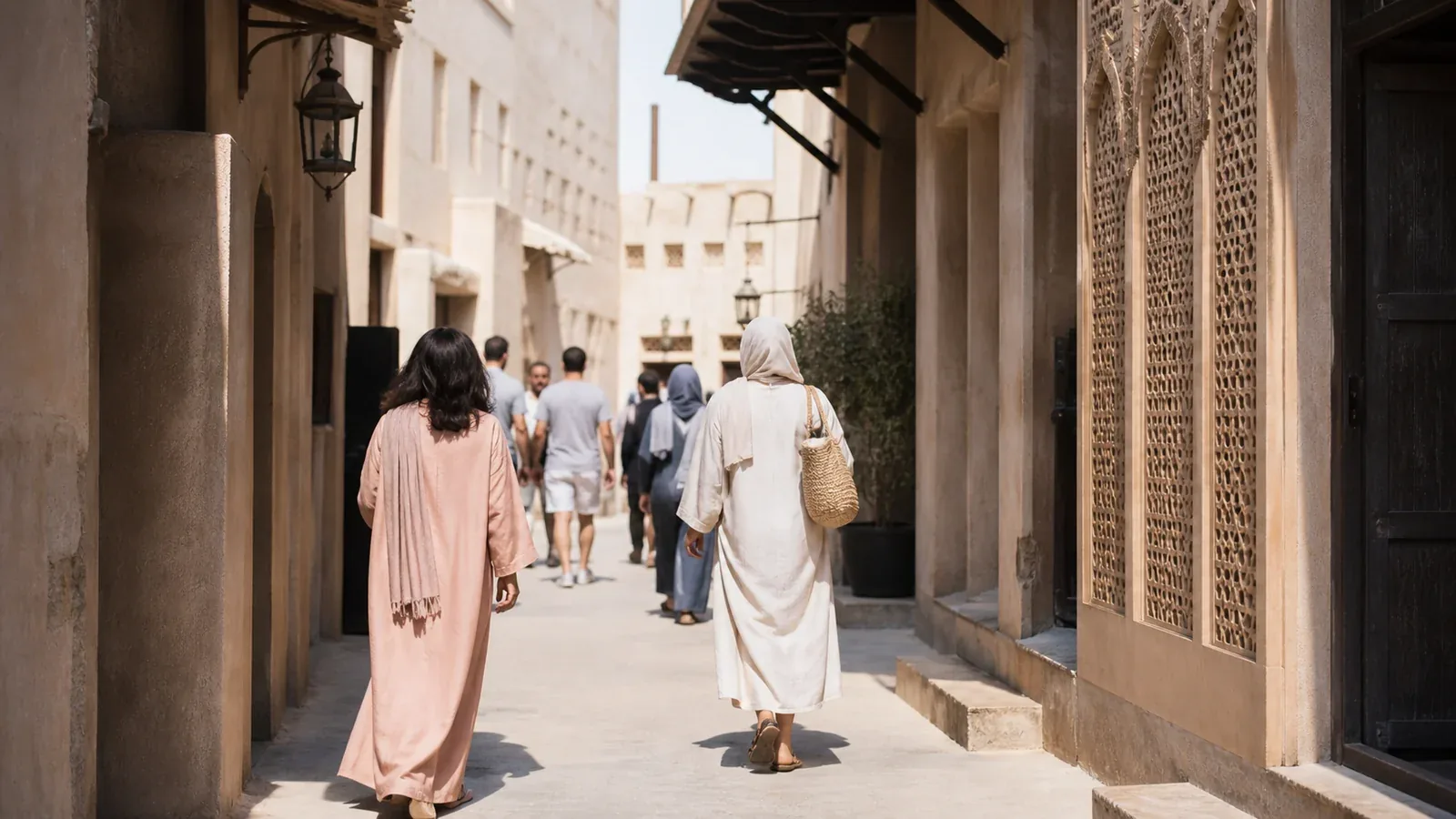
Getting around Dubai is generally relatively straightforward in the areas most commonly visited by tourists.
The metro is useful along certain urban corridors, although it does not provide convenient access to every attraction. Taxis bridge many of those gaps and are particularly useful when the heat makes walking a poor option.
Renting a car introduces another type of risk: traffic.
Large motorways, multiple lanes, merging traffic and high speeds can feel intimidating to someone used to driving in smaller cities. A car gives you freedom, but it is not essential for enjoying a first trip focused on Dubai’s main tourist areas.
Being in a city perceived as safe does not eliminate the need for common sense.
Be cautious about unclear offers, check the terms before booking excursions and avoid handing over money or personal information when something does not feel trustworthy.
There is also a less dramatic kind of “tourist trap”: paying too much for mediocre experiences simply because they are in a spectacular location.
A terrace with a view may justify a high price if that is exactly what you are looking for. That is very different from assuming that every restaurant next to a famous attraction will deliver a memorable dining experience.
In Dubai, luxury and quality are not always the same thing.
For the average tourist, it is more useful to think in terms of convenient and inconvenient areas than to divide the city into safe and dangerous zones.
The main tourist districts receive enormous numbers of international visitors. Other neighbourhoods may feel more local, industrial or residential, but that does not automatically make them dangerous.
A common mistake is booking accommodation far from the activities you plan to do simply because the hotel appears inexpensive.
Dubai is vast.
Saving money on your room may mean spending more time and money on transport later. Choosing the right location often improves the trip more than obsessively searching for the cheapest hotel.
Couples should be aware of local rules regarding behaviour in public and avoid assuming that everything considered normal in their home country works exactly the same way in the Emirates.
The city welcomes visitors from all over the world, and the main tourist areas have a very international atmosphere. Even so, showing some discretion with public displays of affection is a simple way to avoid unnecessary situations.
The most useful principle is straightforward: cosmopolitan does not mean culturally identical to Europe or the Americas.
Dubai may feel exceptionally calm on the ground, while still being located in a region where the international situation can change.
For that reason, it is advisable to check the official travel advice issued by your own country before travelling, especially if there are regional tensions, airspace disruptions or significant political developments.
This is a precaution worth taking shortly before departure, not only when booking the trip months in advance.
Travelling without learning the basic local rules.
Carrying medication subject to restrictions without checking the requirements in advance.
Assuming Dubai’s international atmosphere means exactly the same rules apply as at home.
Photographing strangers without considering their privacy.
Underestimating the heat and the risk of dehydration.
Walking long distances simply because the map shows only a few kilometres.
Booking activities without clearly checking what is included.
Driving without being prepared for major motorways and fast-moving traffic.
Forgetting to review official travel advice before departure.
For a large proportion of travellers, Dubai can be a very comfortable destination in terms of everyday safety.
The city offers well-developed tourist infrastructure, abundant transport options and areas where even walking at night can feel surprisingly calm.
But it would be a mistake to turn that sense of calm into carelessness.
Dubai requires a particular kind of traveller: someone capable of enjoying a modern, extraordinarily international city while remembering that they are still within a different cultural and legal framework.
Those who understand that duality are likely to feel comfortable.
Those who travel assuming the rules of their own country automatically apply everywhere may run into avoidable problems.
And perhaps that is the best way to understand safety in Dubai: it is not a destination that calls for fear, but it does reward the informed and respectful traveller.
Discover Dubai through selected experiences that combine landmark architecture, historic districts, desert adventures, boat trips, dining, theme parks and organised excursions to suit the pace of your trip.
Activity on TourBookGoDrive a 1000cc Polaris RZR across Dubai’s dunes for about 60 minutes, with sandboarding, a camel ride and optional BBQ camp and live shows.
 Activity on TourBookGo
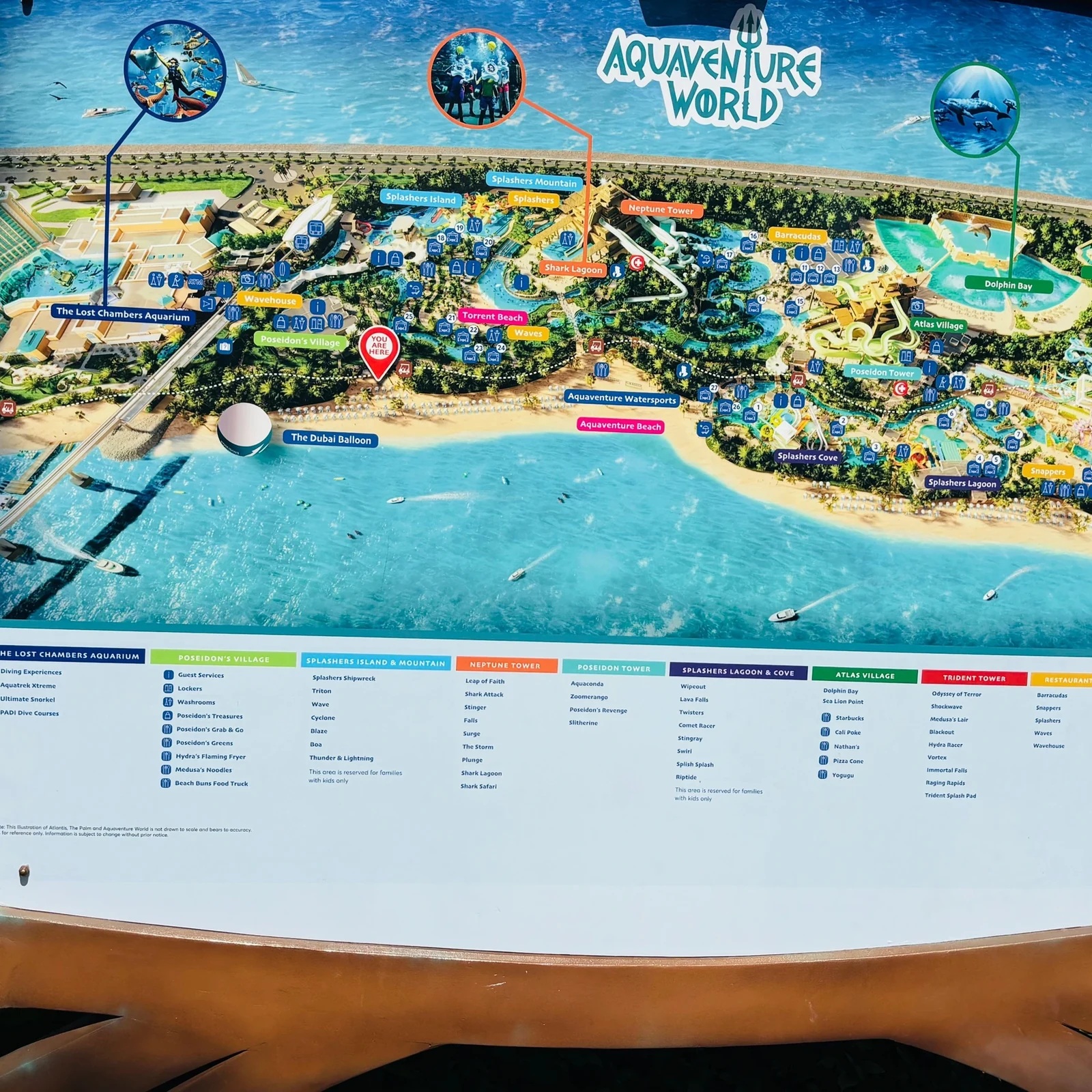
Book Atlantis Aquaventure Dubai with 105+ slides, a private beach, Surf's Up and Splashers areas. Free cancellation up to 24 hours in advance.
 Activity on TourBookGo
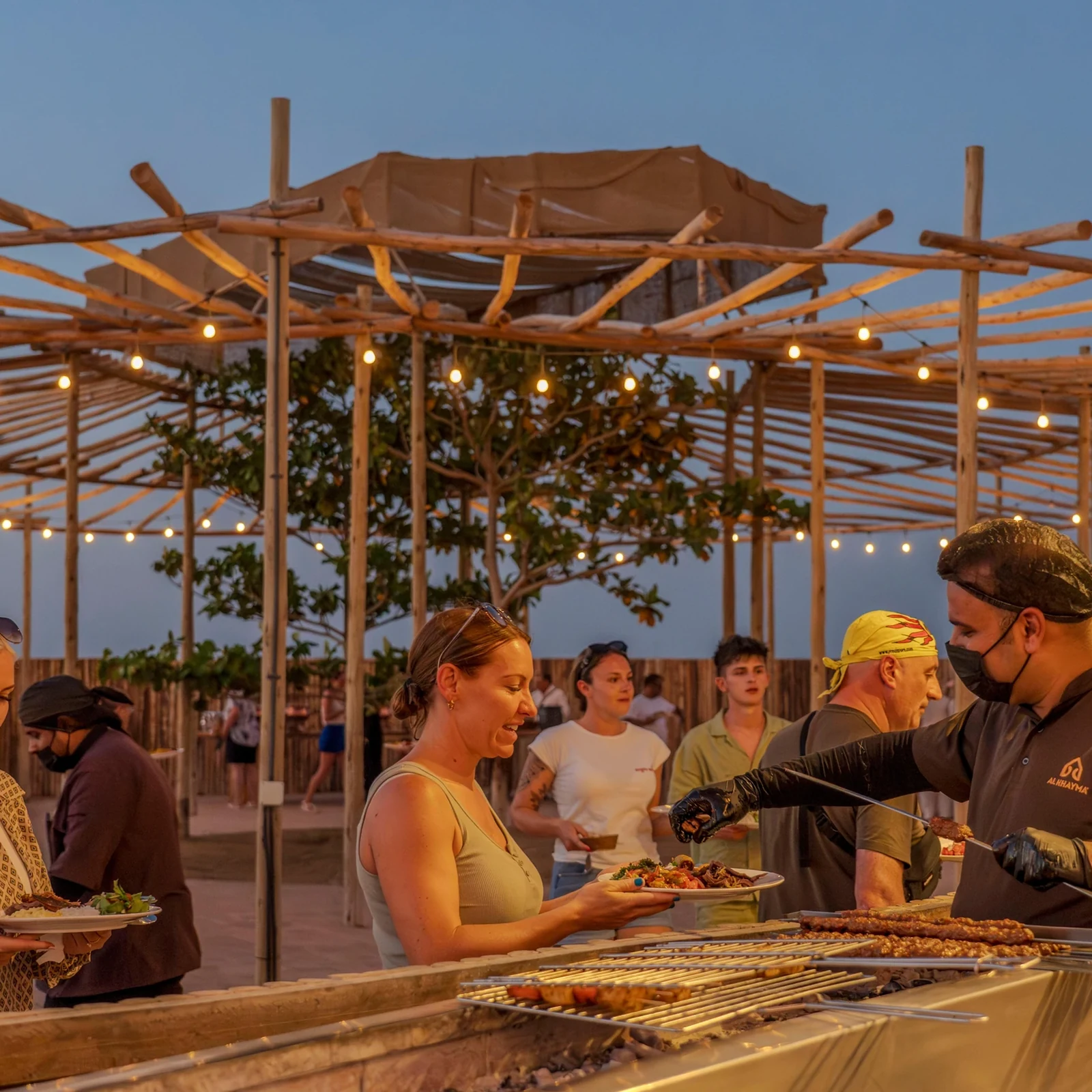
Explore Lahbab’s red dunes with dune bashing, sandboarding and a camel ride. Choose options with quad biking or Al Khayma Camp and BBQ. Pickup included.