Durban in one day: seafront, harbour and local flavours
With only one day, the sensible choice is to concentrate on the seafront. The Golden Mile provides an effective introduction to Durban through its broad beaches, runners, cyclists, surfers and recreational spaces overlooking the ocean. Explore part of it on foot without making the entire promenade an obligation.
Continue towards uShaka Marine World and the southern end of the seafront. Its attractions can take several hours, but the complex is also a useful landmark for approaching the harbour area and noticing how its atmosphere differs from the central beaches. If you prefer walking and observing the city, spend that time along the coast instead.
Food should be part of the itinerary rather than a hurried break. Durban's culinary identity is inseparable from its Indian community. Bunny chow, a hollowed-out loaf filled with curry, is one of its most recognisable dishes, although its preparation and heat vary between establishments.
End the day by the sea in a busy area suitable for spending time around sunset. With such limited time, repeatedly crossing the city or adding an excursion outside Durban would only make the day harder to manage.
Durban in two days: the city beyond the beach
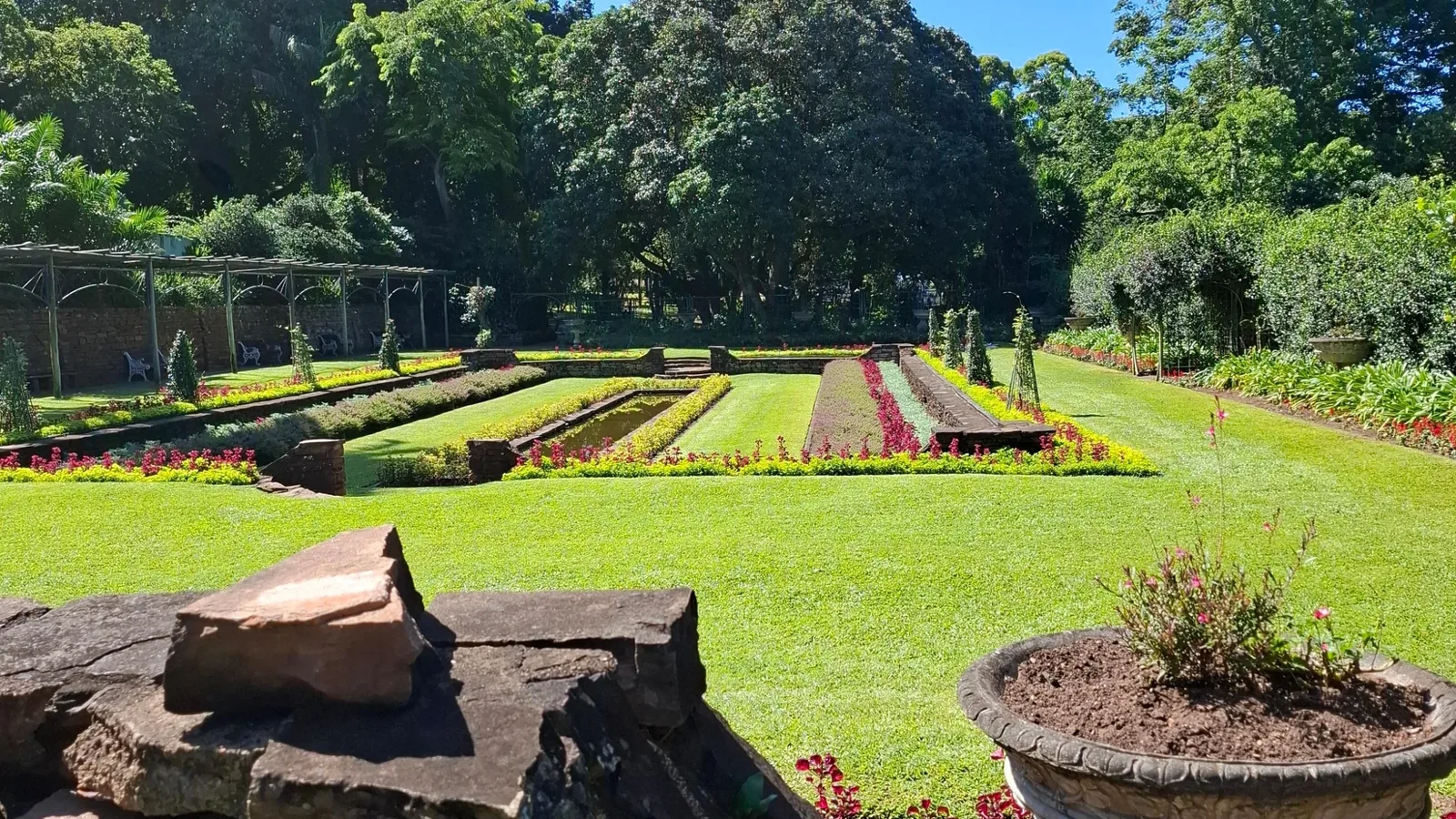
Begin the second day at the Botanic Gardens. Their calm, green setting offers a welcome pause from the activity along the seafront and lets the morning unfold without pressure.
You can then approach the city centre and its markets, but careful planning matters. Durban is not always straightforward for visitors unfamiliar with its streets, and the atmosphere can change quickly between areas. Decide where you want to go beforehand, use a reliable transport service and avoid walking distractedly with valuables in sight.
The Victoria Street Market area introduces part of Durban's cultural blend through spices, crafts and everyday commerce. Visit with curiosity and respect rather than treating it as an exotic backdrop: it is also a place where local people work and conduct their daily lives. A guided tour can provide context and simplify the logistics if you are uncomfortable exploring the centre independently.
Set aside the afternoon for a slower exploration of Durban's cuisine. Instead of searching for a supposedly definitive restaurant, choose somewhere with local customers and a clear menu. Curries, Indian-inspired snacks and dishes rooted in South African traditions all help explain a city shaped by diverse communities.
Durban in three days: adding Umhlanga without rushing
With three days, devote the third to the coast north of the city. Umhlanga offers a more orderly, leisure-oriented experience, with a seafront promenade, beaches and a greater concentration of accommodation and restaurants. It can also feel more polished and less representative of Durban's urban complexity.
This works best as a relaxed day out. Walk beside the sea, stop for lunch and swim only when conditions and safety guidance allow. Beaches do not all offer the same experience, and the ocean is not always calm. Heed the flags, stay within supervised areas and follow local advice.
If you want a peaceful day, do not return to the centre merely to fit in more visits. The Golden Mile, Durban's urban interior and Umhlanga already provide three sufficiently different perspectives.
One week in Durban and KwaZulu-Natal
A week makes it possible to use Durban as a base without expecting the city itself to fill every day. Follow the preceding itinerary for the first three days, then reserve the remaining time for nature, culture, food and rest.
Keep the schedule flexible. Alternating excursions with slower days provides a better understanding of the destination and leaves room to rearrange activities when the weather, sea conditions or journey change.
Day 4: coast and neighbourhoods at a slower pace
Return to something left unfinished: a morning at the beach, a longer visit to uShaka Marine World or a walk through an area you already know. Revisiting a place without rushing can reveal more than adding another distant attraction.
It is also a good day to enjoy local food without stringing together several journeys. People who live in Durban can adapt it into a straightforward outing combining a walk, a meal and time by the sea without covering the best-known sights.
Day 5: Valley of a Thousand Hills
The Valley of a Thousand Hills introduces a rolling, green landscape that differs markedly from the coast. It is a worthwhile excursion for seeing inland KwaZulu-Natal and gaining a sense of its cultural and rural character.
A car makes the day easier, although an organised tour may be more convenient if you do not want to drive or would value local interpretation. Choose experiences that treat communities respectfully and be wary of those presenting Zulu culture as a spectacle without context.
Day 6: nature or the south coast
Spend the sixth day at a nature reserve within reach of Durban or explore the coast south of the city. The choice depends on your available time, the weather and whether you are more interested in walking, wildlife watching or continuing beside the ocean.
Do not attempt to cover several far-flung places in a single day. Distances may look manageable on a map, but traffic, access routes and stops can turn an ambitious excursion into too many hours inside a vehicle.
Day 7: an open day
Leave the final day without a rigid schedule. Return to the beach, shop for local products, visit a garden or simply sit beside the ocean. This flexibility also gives you room to recover an activity postponed because of bad weather.
A week only needs to be packed with excursions when Durban is the starting point for a wider journey. If relaxation is the priority, alternating outings with slower days creates a much more enjoyable experience.
Do you need a car?
A car is not essential for a stay focused on the seafront and a few specific places. Trips booked through reliable services are often more convenient than dealing with traffic and parking.
A car becomes more useful for Umhlanga, the Valley of a Thousand Hills and other parts of KwaZulu-Natal. Even then, define the route before leaving, confirm conditions at the destination and avoid leaving belongings visible inside the vehicle.
Public transport is part of everyday life in Durban, but it is not always the easiest option for visitors without local knowledge. The location of your accommodation strongly influences the strategy: a base near the seafront makes coastal walks easier, while staying to the north can be practical for Umhlanga and road trips.
The most common mistake: trying to see everything
Durban loses some of its appeal when a trip becomes a race between the beach, city centre, markets and day trips. It is a sprawling city with sharp contrasts and logistics that require careful attention.
With one day, stay by the sea and try the local food. With two, add the city's urban and cultural dimension. With three, include Umhlanga. With a week, broaden the journey across KwaZulu-Natal but keep at least one day free.
This pace reveals what matters most: Durban is not merely a sunny stopover or a collection of attractions. It is a complex, warm and unequal port city that becomes more rewarding when caution and curiosity are combined with time to observe.