The coast is the best area for walking
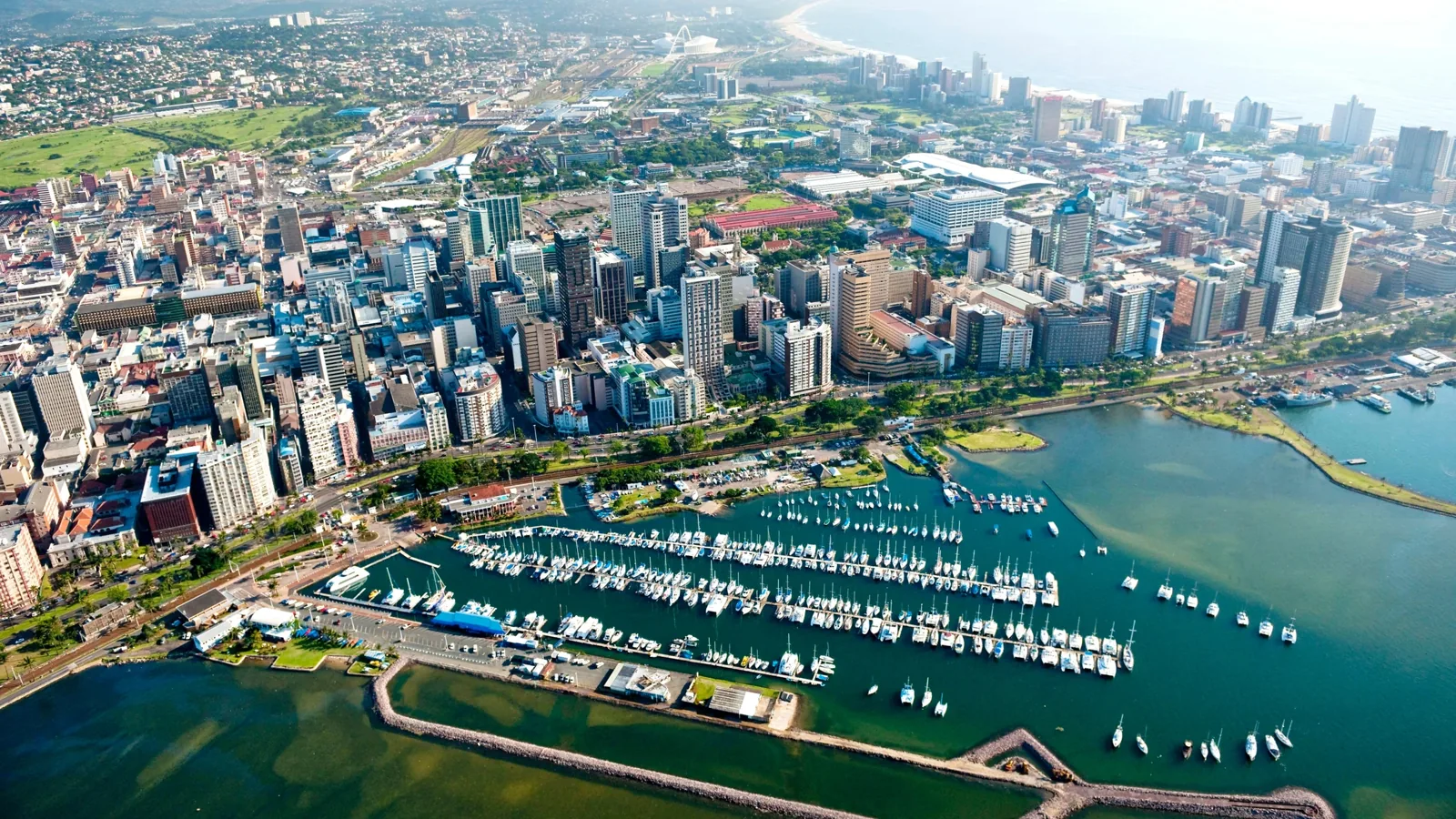
The beachfront is the easiest part of Durban to explore on foot. The Golden Mile links beaches, leisure areas and different points along the coast without the constant need for a vehicle. It is an open route with the ocean always in view and enough room to walk comfortably.
Distances can still be deceptive. The flat ground and continuous coastline make everything look close, but covering several ends of the promenade in one day can be tiring, especially in the heat and humidity. Protect yourself from the sun, carry water and plan a break around the middle of the day.
Walking can also work within specific parts of Umhlanga or Berea when your accommodation and chosen sights are close together. Between neighbourhoods, major roads, hills and an irregular street layout turn many apparently short routes into uncomfortable walks.
The city centre requires planning
Central Durban combines architecture, commerce and an urban energy that cannot be understood from the beachfront alone. It deserves attention, but traffic, busy commercial activity and changing street conditions make it sensible to decide beforehand what you want to see and how you will travel between stops.
At markets and other busy urban spaces, a guided visit can explain the cultural context and simplify the practical arrangements. Independent visitors should seek local advice about conditions that day, keep a normal watch over their belongings and avoid displaying valuables.
The apparent closeness of the city centre and coast can create a false sense of continuity. Even where the distance is relatively short, walking is not always pleasant or practical. A brief vehicle journey often makes the visit much easier.
Public transport: useful but not always intuitive
Durban has buses, trains and shared taxis, although the value of each option depends on the route, the traveller's experience and current service conditions. First-time visitors may find the network less intuitive than systems with integrated maps, accessible timetables and connections clearly designed for tourists.
Shared minibuses are an essential part of everyday transport, but their routes, departure points and customs can confuse newcomers. They are not the easiest choice with luggage, a tight schedule or several tourist stops planned for one day.
Before relying on public transport, confirm the route, exact boarding point and payment method locally. A service that appears suitable on a map may involve transfers or leave you some distance from your final destination.
Taxis and pre-booked transport services
Taxis and app-based transport services usually provide a convenient way to combine the beach with Berea, the city centre or the northern neighbourhoods. They offer door-to-door travel and remove the need to find parking.
Check the vehicle registration, driver identity and destination before getting in. Waiting times and availability vary by neighbourhood and time of day, so avoid requesting a vehicle at the last minute when you need to reach a reservation or connection.
This approach works particularly well for a short stay: walk within each area and use a vehicle to move between them. It also avoids driving at night on unfamiliar roads.
When hiring a car is worthwhile
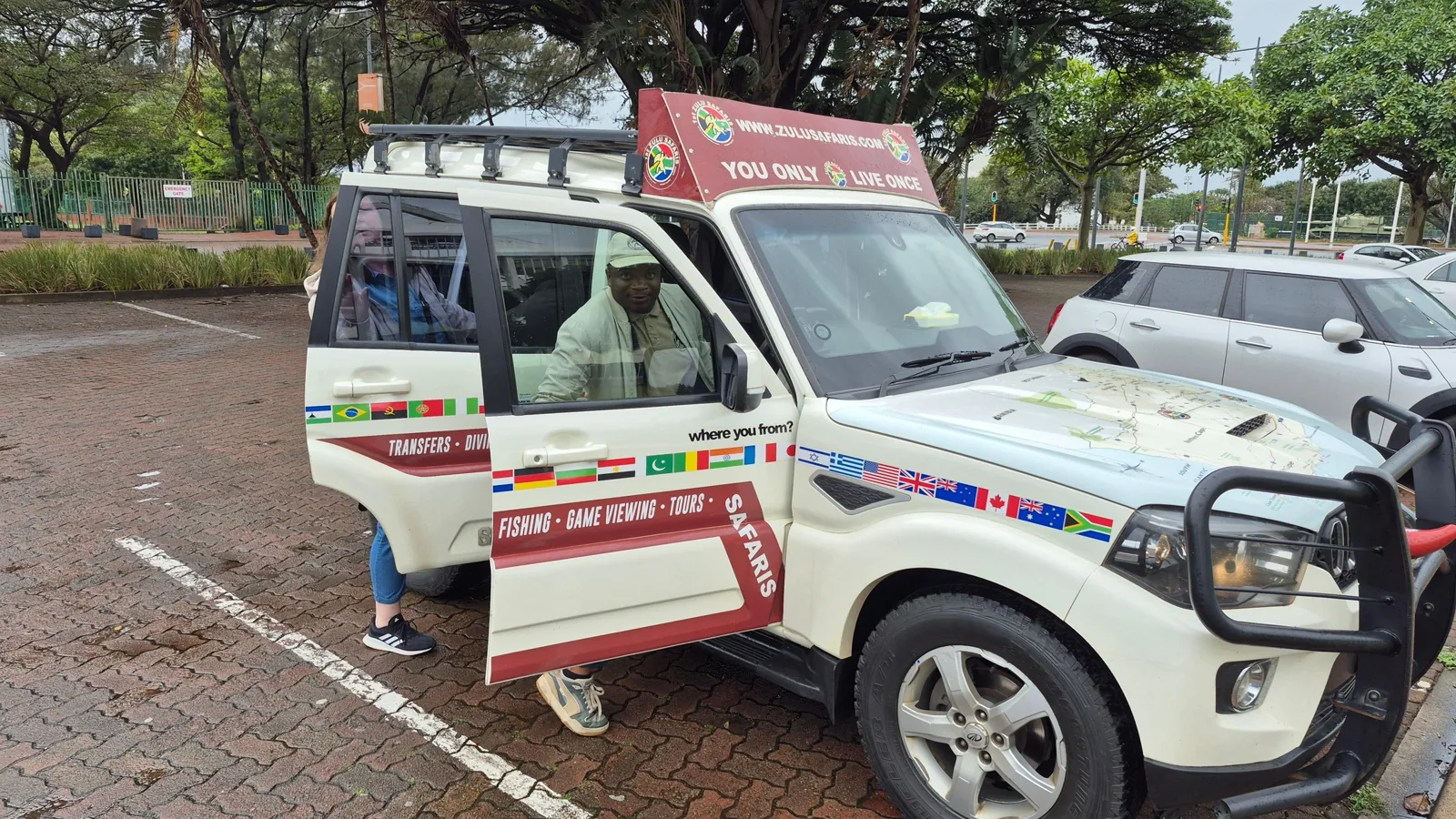
A car offers freedom when your plans include widely scattered locations, distant beaches, trips beyond the urban area or several days exploring the surroundings. It can also help families, groups and travellers staying in residential areas with few services within walking distance.
Hiring a car only for the beachfront and occasional city visits may create more inconvenience than benefit. Traffic, unfamiliar routes and the search for parking all require attention, and a car does not necessarily mean a faster arrival in busy areas.
Read parking signs, use authorised spaces and leave no luggage or other items visible inside the vehicle. If your accommodation provides parking, confirm the conditions before reserving the car instead of assuming it is included.
Getting there from the airport
The airport is north of the city centre, so the transfer should be part of your planning, particularly when your accommodation is on the central beachfront or farther south. With luggage, the simplest option is usually to arrange a transfer, take an authorised taxi or request a trusted transport service.
Hiring a car at the airport can make sense if your journey continues immediately to other places. For a city-focused stay, it may be more convenient to reach your accommodation first and decide later whether you genuinely need a vehicle.
The best strategy for your accommodation area
On the beachfront, the most practical combination is usually to walk during the day and use pre-booked transport for other neighbourhoods or evening outings.
In Umhlanga, many everyday needs can be met within the area, but trips to the city centre, Berea or southern Durban are longer. A car adds flexibility when you plan several outings each day; for occasional visits, a door-to-door service avoids driving and parking.
Berea and other inland areas feel more residential and offer easier access to cafés, parks and streets shaped by local life. The trade-off is that the beach is no longer an easy walk away. The precise location of your accommodation matters because two addresses in the same neighbourhood can offer very different levels of convenience.
Group your plans to make the most of the day
The most practical way to explore Durban is to organise plans by area. One day can focus on the beachfront, another on the city centre and its markets, another on Berea and, if time allows, another on Umhlanga or an excursion beyond the city. This reduces travel time and lets each area keep its own pace.
Durban is not entirely walkable, and its public transport can take time to understand. It does not automatically require a hire car either. For most urban stays, a combination works best: walk beside the ocean, use door-to-door transport between neighbourhoods and reserve a car for days when freedom of movement genuinely outweighs the drawbacks.