Bunny chow: much more than a curiosity
The dish most closely associated with Durban is bunny chow: a hollowed-out portion of bread filled with curry. It may look simple or even somewhat chaotic, but it encapsulates much of the city’s social history and the influence of its Indian community.
There is no single version. The filling, heat level, thickness of the sauce and portion size all vary. What matters is that the bread absorbs the curry without disintegrating beneath it. It is traditionally eaten with the hands by tearing off small pieces of bread to scoop up the filling, although this custom should never become a test of authenticity.
For a first experience, it is wise to ask about the heat level. In some establishments, medium can be considerably hotter than a visitor expects. The warmth of the spices is part of the dish, but it should not prevent you from appreciating its nuances.
Durban curries have an identity of their own
Local curries are not exact replicas of those found in different regions of India. They have evolved in Durban over generations and reflect the city’s own ingredients, customs and family memories. They tend to be fragrant, rich and, at times, very hot.
Besides filling a bunny chow, they may be served with rice, roti or other breads. The best choice is not necessarily the hottest dish. A busy kitchen with a reasonably focused menu usually offers a better chance of finding distinct flavours and carefully judged textures.
Those who prefer a less intense meal can explore savoury snacks, breads, pulse-based dishes and vegetarian options. If you have allergies or dietary restrictions, confirm the ingredients, as a brief menu description does not always reveal everything contained in a sauce.
Zulu cuisine and the value of everyday food
Reducing Durban to its curries would overlook an essential part of its identity. Zulu cuisine and other South African traditions contribute maize, pulses, vegetables, stews and simply prepared meats. These dishes are rooted in daily life, family and community.
One of the most interesting experiences is shisa nyama, a way of eating centred on grilled meat and social gathering. Sometimes the meat is selected before it is cooked, while waiting times depend on the time of day and how busy the venue is. Here, the setting matters as much as the food.
This is not the right experience for anyone seeking silence, speed or a formal dinner. It can be rewarding for those who enjoy shared meals and places with genuine local energy. Observe how the venue works, behave respectfully and avoid treating neighbourhood life as a spectacle.
Fish, seafood and ocean views
The proximity of the ocean makes fish and seafood natural choices, particularly around the seafront and harbour. A seaside location alone, however, does not guarantee a memorable meal. In areas popular with visitors, part of the price may reflect the view, setting or convenience.
Before ordering, ask which fish is available and how it is prepared. Simple preparations make it easier to appreciate the produce, while very heavy sauces can conceal both its strengths and flaws. Availability changes, so be wary of overly confident claims about catches or provenance if the establishment cannot explain them clearly.
A meal by the ocean can be enjoyable, but it should not make up the entire culinary itinerary. Durban reveals more of its nuances when coastal restaurants are combined with shopping districts, residential neighbourhoods and family-run kitchens.
Markets, bakeries and informal food
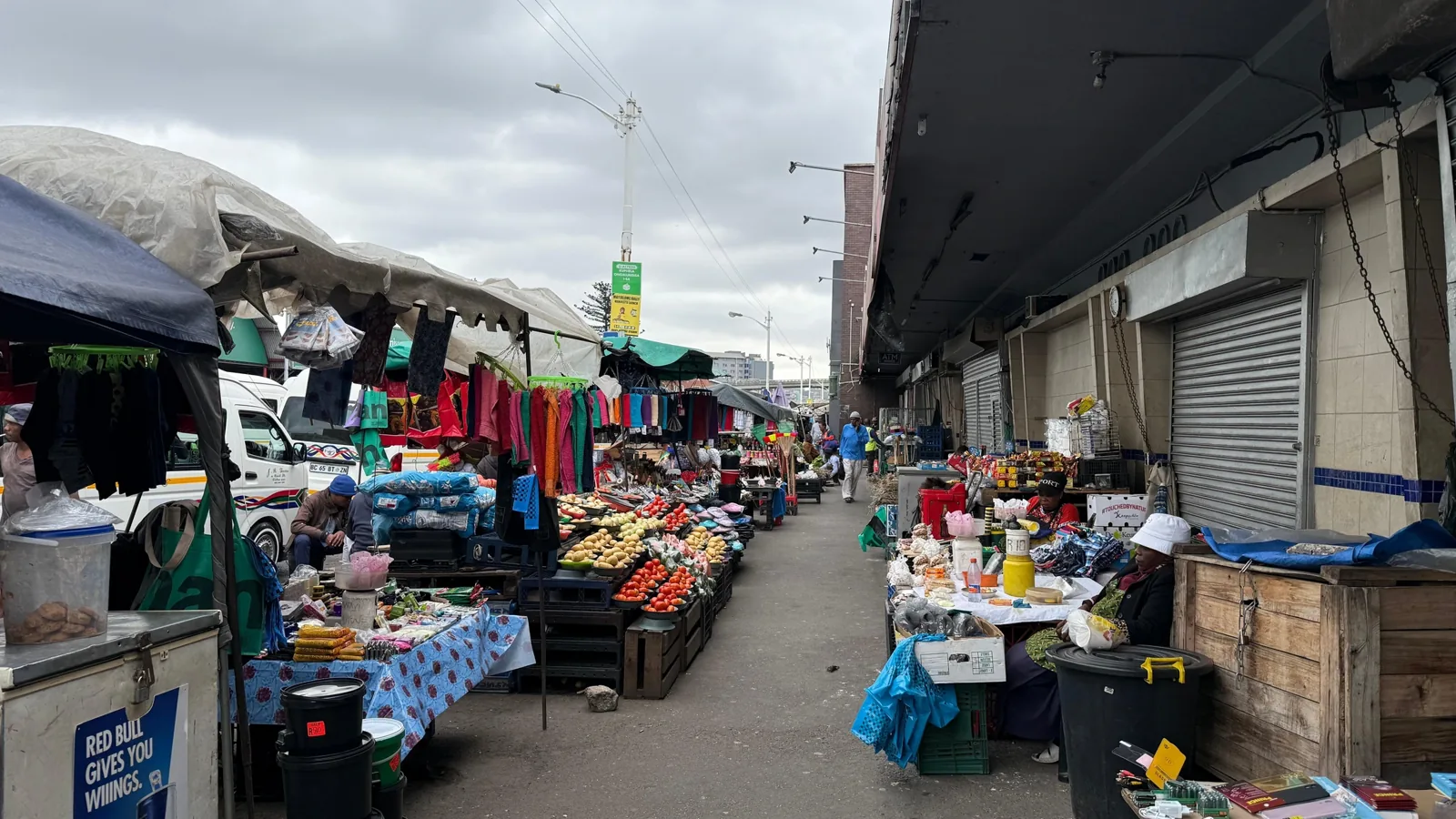
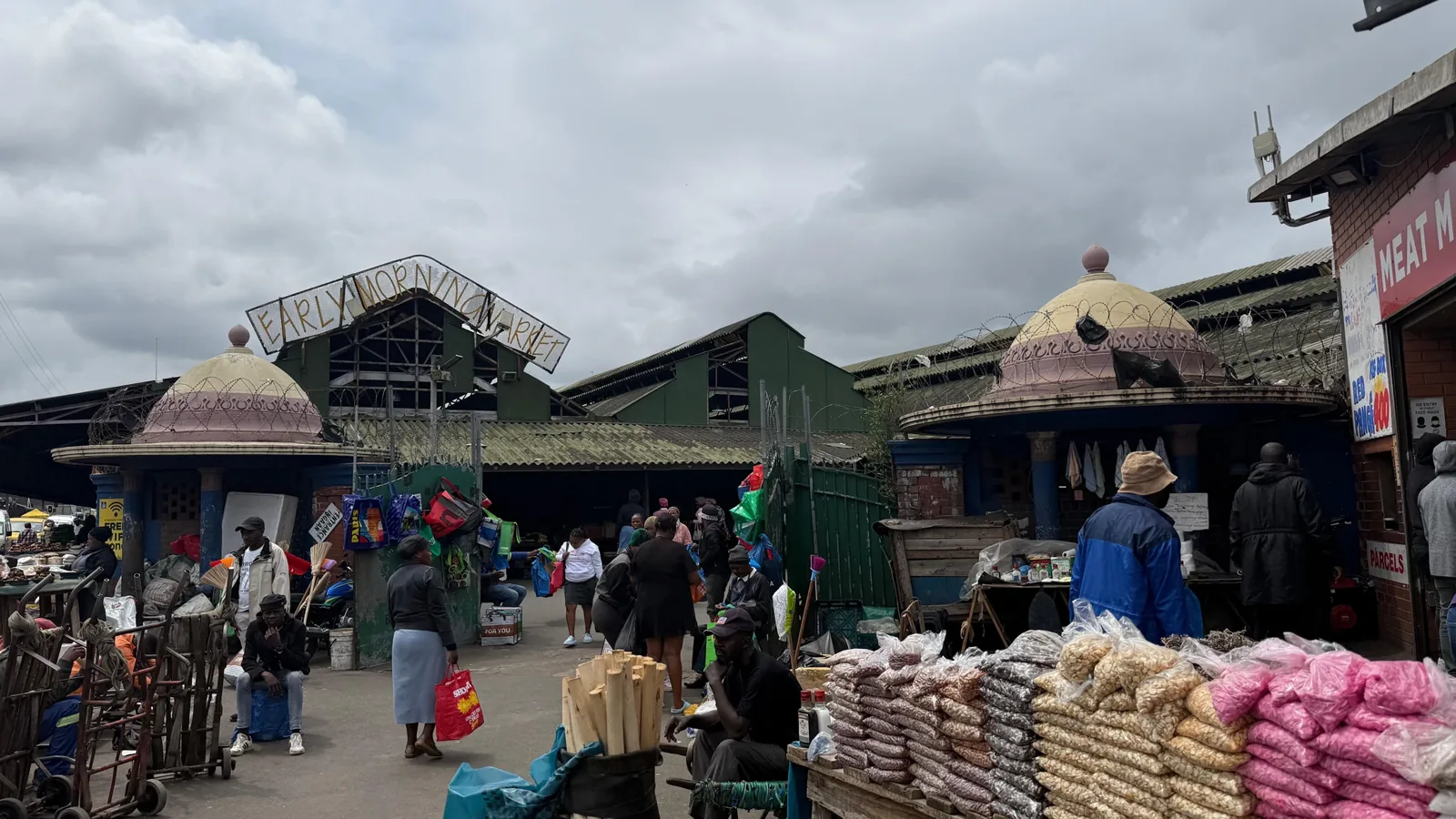
Markets and specialist shops provide an introduction to the spices, sweets, breads and products used by the city’s different communities. They are also good places to buy small quantities, provided that you check the labelling and storage conditions.
Fried snacks, spiced pastries, breads and sweets offer an accessible introduction to local flavours. To reduce risks, choose stalls with a steady stream of customers, protected food and frequent preparation. A busy stall is no guarantee of excellence, but it is usually preferable to a tray that has been sitting out for too long.
Markets are not tourist sets. Asking permission before photographing traders or customers, keeping passageways clear and making enquiries politely turns the visit into a more respectful exchange.
How to eat well without overspending
Durban makes it possible to build an interesting culinary itinerary without relying on formal restaurants. Curries in simple eateries, bakeries, daily specials and shared meals often offer a more direct relationship between cost and satisfaction.
A sensible strategy is to save the sea views for a drink or one particular meal, then look for establishments frequented by residents. Sharing portions when the format allows makes it easier to sample more flavours without ordering too much. It is also worth checking whether service, side dishes or certain extras are included.
Saving money does not mean always chasing the cheapest option. With delicate foods or places with low turnover, a small price difference can have a major impact on the experience. The aim is to pay for honest cooking, not merely for a well-known address or photogenic décor.
How to avoid tourist traps
A menu that tries to cover too many cuisines can suggest an unfocused kitchen. Staff who pressure you to order quickly, vague product descriptions or establishments that are empty while nearby venues are busy should also be approached with caution.
Look for short menus, ask what is prepared most frequently and observe what other customers choose. Recommendations from residents can help, although the meaning of eating well varies according to budget, neighbourhood and tolerance for spicy food.
Modesty should not be confused with authenticity. A simple establishment may be excellent or disappointing, just like an elegant one. Cleanliness, careful handling of ingredients and clear answers to questions matter more than appearance.
A city understood at the table
The best way to eat in Durban is to combine different perspectives: a curry revealing the city’s Indian heritage, a shared Zulu or South African meal, something informal at a market or bakery and, if you feel like it, fish by the ocean.
Anyone looking exclusively for fine dining may find the experience uneven. Those willing to embrace noisy spaces, simple presentation and intense flavours will discover a cuisine with historical depth and a character of its own. Durban does not always serve its identity on porcelain. It often arrives inside a loaf of bread, on a grill or in a generous dish whose true luxury lies in telling you where it comes from.