 Activity on TourBookGo
Private Highlands and Loch Ness Tour from Edinburgh
Explore Glencoe, the Highlands and Loch Ness on a private 10–12 hour trip from Edinburgh with a driver-guide and hotel pickup.
Edinburgh looks compact, but its terrain, distinct neighbourhoods and possible excursions require a plan with enough flexibility.

Edinburgh looks compact on a map, but it requires more careful planning than its size might suggest. The Old Town, the New Town, Holyrood Park, Leith and Portobello do not form a uniform setting: the terrain, atmosphere and practicalities of getting around all change from one area to another. Add variable weather, access conditions that need confirming and excursions that can take up much of a day, and the city becomes less straightforward than it first appears. The main mistake is to design a visit as a sequence of famous names. Edinburgh is best enjoyed when each area is given the time and attention it deserves, without mistaking places that look close together for places that are genuinely easy to reach.
Edinburgh accommodation with enough leeway for an early departure to the Stirlingshire countryside.
Find accommodation on BookingThe Royal Mile helps visitors understand the Old Town, but it does not sum up the entire city. At its upper end stands Edinburgh Castle, built on Castle Rock and associated with a long royal and military history. Its position accounts for part of Edinburgh’s most recognisable image, although it also means considering slopes, cobblestones and access conditions.
The contrast that defines the city only becomes clear when the medieval fabric of the Old Town is viewed alongside the neoclassical planning of the New Town. Together they form the area recognised by UNESCO, but they offer distinctly different experiences. Restricting a visit to the monumental central axis excludes neighbourhoods such as Leith, Stockbridge and Portobello, reducing a complex city to an overly narrow historical backdrop.
Midhope Castle should be treated as an excursion from Edinburgh, not as another stop in the city centre. Access is subject to conditions, so it should not be added to an itinerary without first checking the current visiting arrangements. Trying to fit it between two urban routes, as though it required only a brief detour, can disrupt the entire day.
The important question is not simply whether it is worth visiting, but how much time is needed to leave the city and what must be sacrificed to do so. Anyone choosing to go should set aside a separate block of time, confirm access and avoid combining the excursion with inflexible timed admissions in Edinburgh. For residents, it may work better as a dedicated outing than as an improvised extension of a walk through the Old Town.

Much of the centre can be explored on foot, but “walkable” does not mean flat or equally accessible to everyone. Slopes, steps, cobblestones and uneven ground affect the effort required and can turn a route that seems reasonable on a map into a tiring day.
It is sensible to group places by area and adapt the route to each person’s mobility. The castle stands at the upper end of the Royal Mile, while Holyrood Park contains hills, crags, lochs and the distinctive terrain of Arthur’s Seat. These are not equivalent journeys. Footwear, route and pace should be chosen according to the actual ground underfoot, not the apparent distance between points on a map.
Another common mistake is treating a forecast checked several days earlier as a certainty. Rain, wind, temperature and visibility can change. Before walking through exposed or elevated areas or undertaking outdoor activities, visitors should consult a dated Met Office forecast and check any notices issued for the location.
This does not mean ruling out Holyrood Park or Arthur’s Seat in advance. It does mean avoiding an itinerary in which everything depends on favourable conditions. Museums, cultural venues and urban routes can provide alternatives, provided their access conditions are also checked. Useful flexibility is not about improvising everything at the last minute, but about preparing options suited to different circumstances.
Edinburgh has buses, trams and trains, and the tram connects the airport, the city centre and Newhaven. Waverley and Haymarket also play central roles in the rail network. These general reference points, however, are no substitute for checking the specific journey required.
Timetables, fares, disruptions, frequencies and routes can change. They should be verified with the current operator and against information from the City of Edinburgh Council. The same caution applies to attractions and activities: a remembered ticket, an old screenshot or another traveller’s account does not guarantee that a site will be open or available. Checking in advance reduces friction, although it cannot eliminate the possibility of last-minute operational changes.
Choosing accommodation or planning meals without distinguishing between areas can create unnecessary journeys. The Old Town and New Town concentrate heritage, services and central transport links, but they have different layouts and urban atmospheres. Leith, Stockbridge and Portobello broaden the range of possibilities, each from a different position within the city.
They should not automatically be labelled “quiet”, “cheap” or “safe”, nor selected solely because of an appealing description. The decision should begin with the priority areas for the trip and the transport connections currently available. Accommodation also requires direct confirmation of inventory, conditions and price. For residents, exploring a neighbourhood beyond their usual surroundings can offer a local day out without repeating the main monumental circuit.
The Stirlingshire countryside is a reminder that a rural excursion involves road travel and sufficient spare time. It should not be presented as part of Edinburgh or squeezed between urban activities with fixed start times. The problem is not leaving the capital, but doing so without accounting for the logistics introduced by that choice.
Temple Old Kirk calls for similar caution: before leaving Edinburgh, it is wise to confirm the rural route, the relevant schedules and any applicable accessibility conditions. Linking Midhope, Temple or Stirlingshire simply because they appear in excursions from the city can result in more travel than meaningful experience. Choosing one coherent outing is preferable to accumulating separate places without enough time to understand them.
Neighbourhoods are not tourist sets. In residential streets and shared spaces, visitors should respect people’s rest, local rules, private property and sensitive areas. It is also important not to block pathways or intrude on entrances to take a photograph, and to interact courteously with residents and businesses.
Using basic expressions of courtesy, spending responsibly and looking after the surroundings are simple habits, not a folkloric performance of supposed Scottish customs. Verified practices should be distinguished from stereotypes. Visitors and residents alike benefit when Edinburgh is explored as a living city, with its own rhythms and needs that do not disappear when tourists arrive.
A well-designed visit does not attempt to cover the Old Town, New Town, Holyrood Park, Leith and a rural excursion in one frantic rush. Grouping areas, checking dynamic information and reserving separate blocks of time makes it easier to decide honestly what deserves a place in the itinerary.
Edinburgh rewards attention to contrast: historic stone and ordered urban planning, natural terrain and neighbourhoods with distinct identities. Avoiding mistakes does not mean controlling every variable, but recognising which ones may change and leaving enough room to respond to them.
Edinburgh: discover activities for your trip. Before booking, check each activity's location, meeting point and route.
Activity on TourBookGoExplore Glencoe, the Highlands and Loch Ness on a private 10–12 hour trip from Edinburgh with a driver-guide and hotel pickup.
 Activity on TourBookGo
Explore Glencoe and the Highlands from Edinburgh by private vehicle, with a guide, pickup and adaptable stops. Check current terms on Viator.
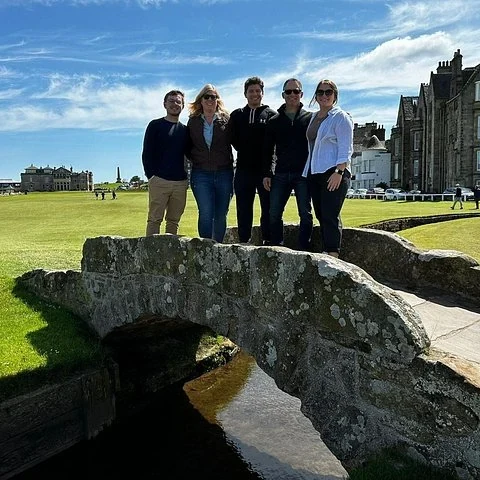 Activity on TourBookGo
Explore St Andrews and several Fife locations on an 8-hour private trip from Edinburgh, with flexible pickup and an adaptable itinerary.