 Activity on TourBookGo
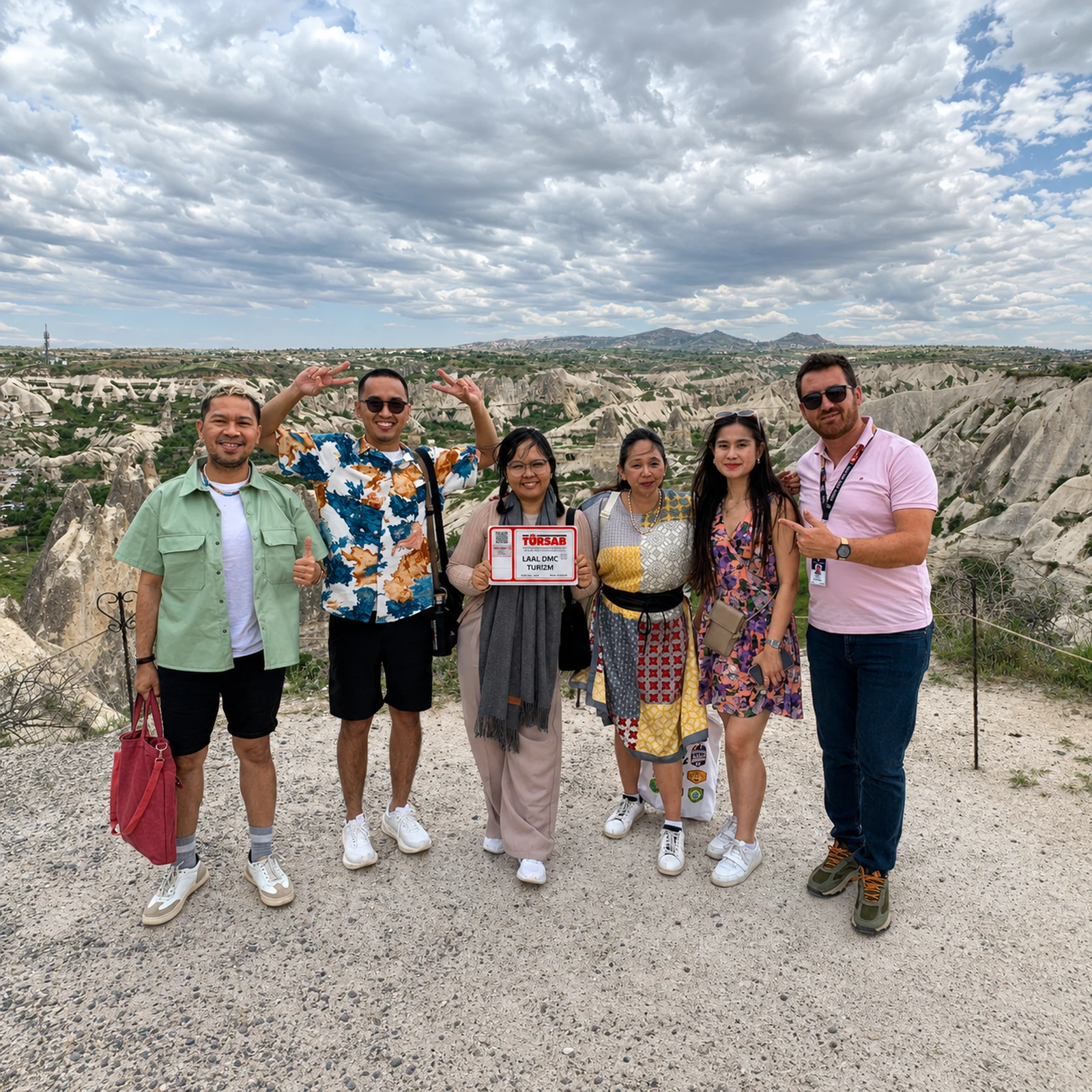
Private Cappadocia tour from Istanbul with flights in one day
Book a private Cappadocia tour from Istanbul with optional flights, guide, transfers, Göreme, Devrent, Uçhisar and Avanos. Check availability.
Istanbul is not a city to conquer with a monument checklist. It makes more sense when you slow down, choose your plans carefully and accept its mix of beauty, noise, history and chaos.
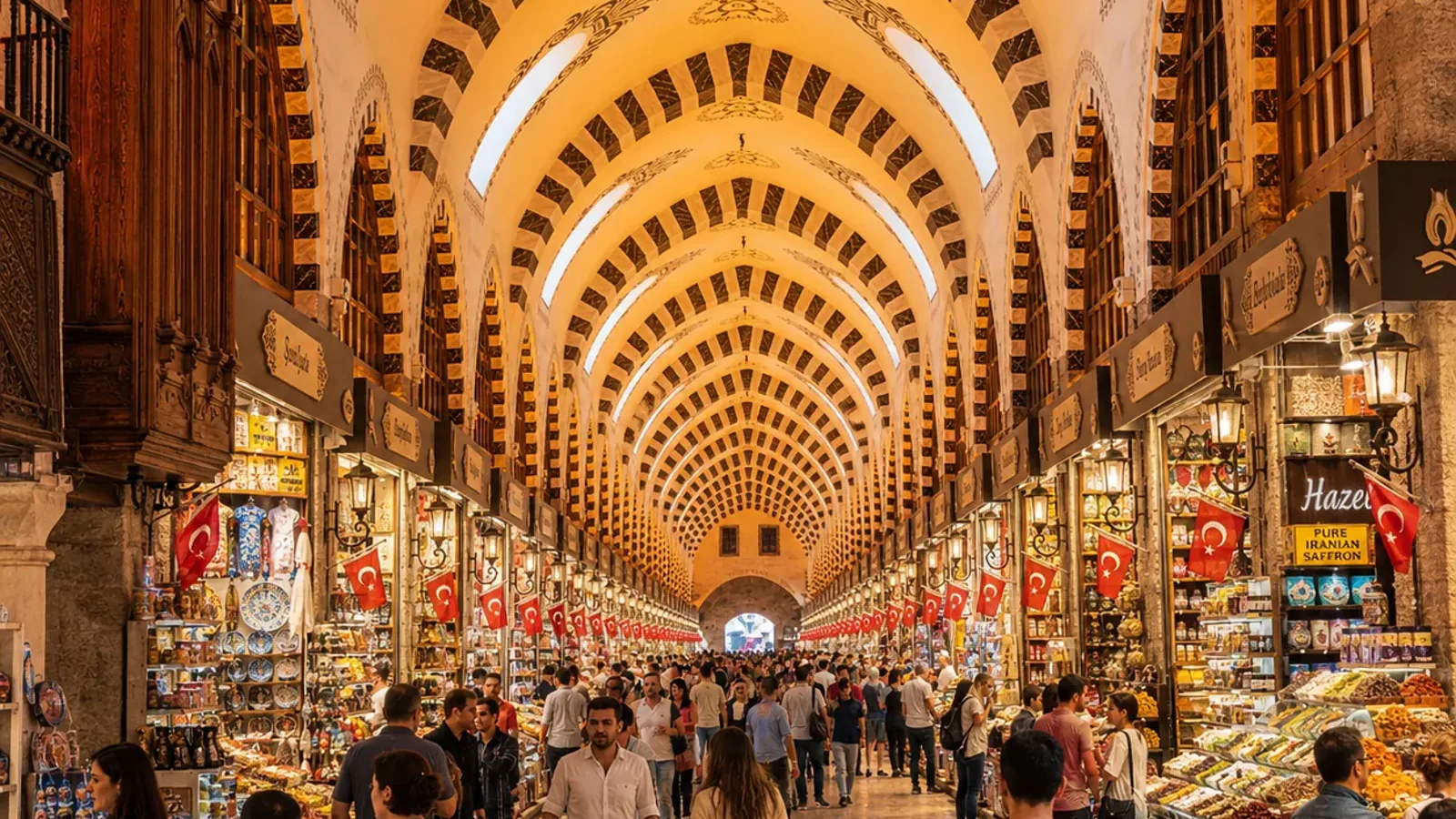
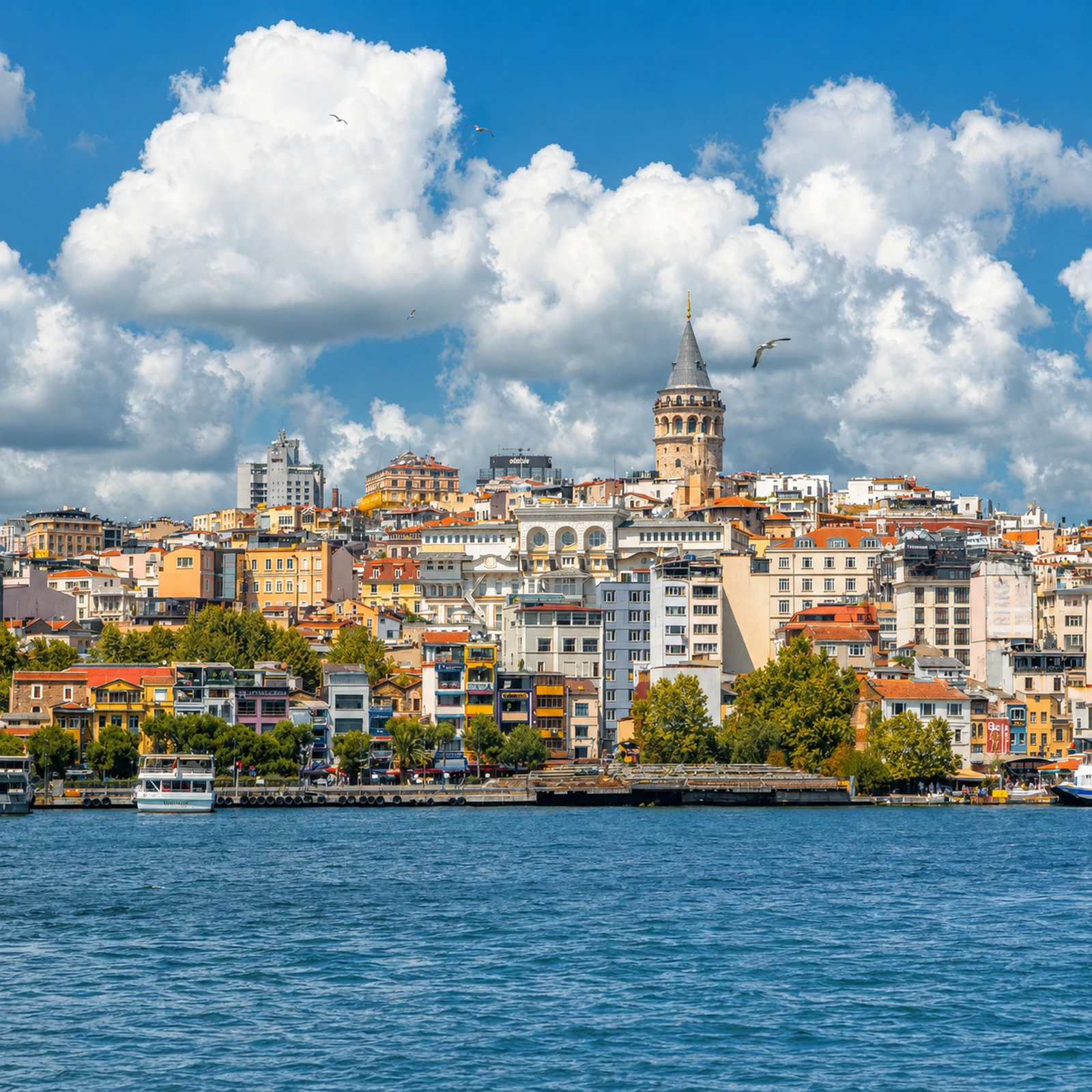
The mistakes to avoid in Istanbul almost always come from the same impulse: trying to master a city that asks for patience. Istanbul is heard in the seagulls over Eminönü, in the sharp clink of tea glasses, in the call to prayer drifting between domes and in the smell of fresh bread as evening falls. But it is also enormous, intense, uneven and sometimes exhausting. Arrive without understanding its rhythm, and you may remember the queues, traffic and misunderstandings more clearly than the beauty of the Bosphorus.
Compare locations and options to find a base that suits your trip. Booking.com confirms current availability and pricing.
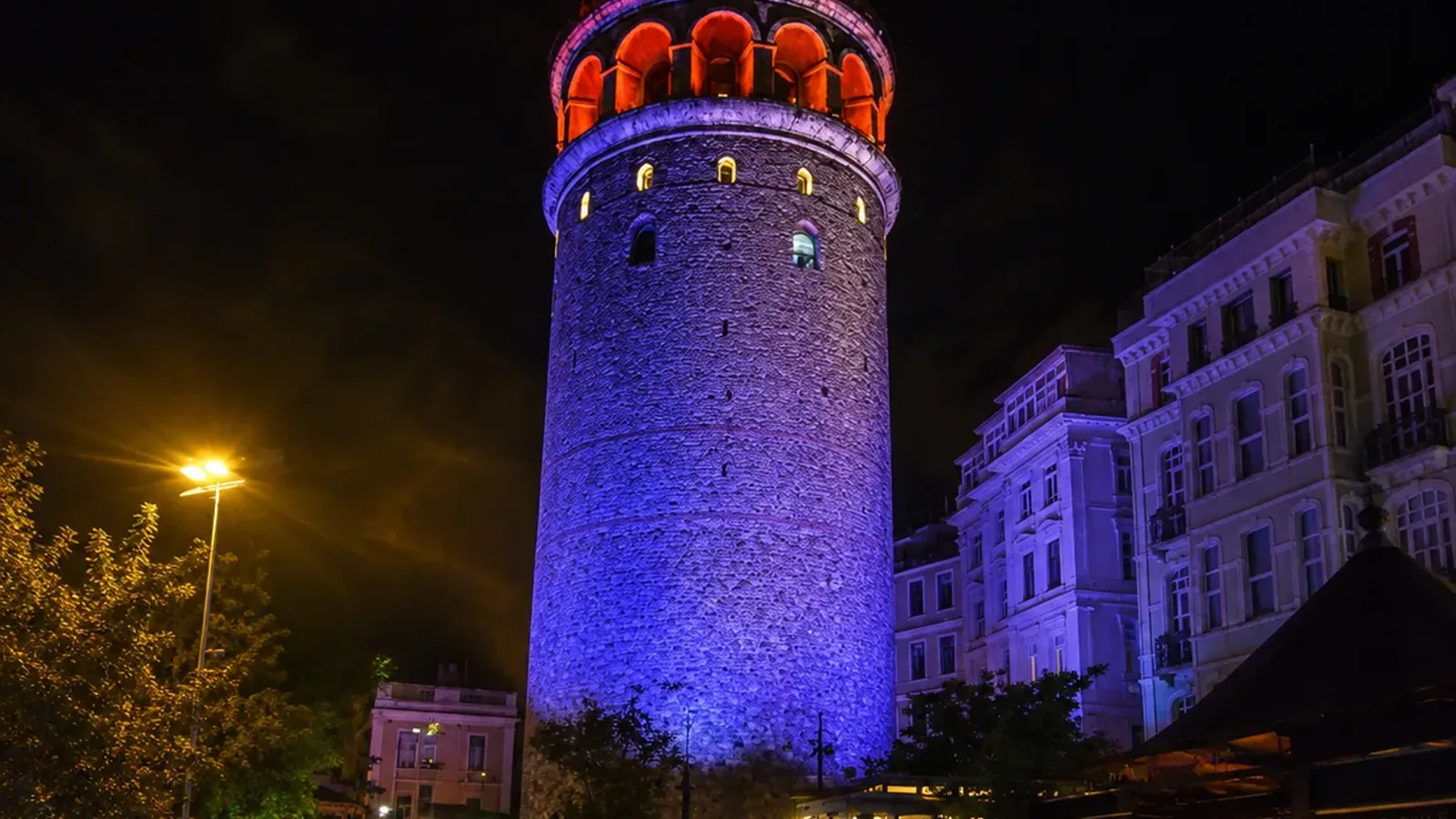
Find accommodation on BookingThe first big mistake in Istanbul is treating it as if it were a compact museum. Hagia Sophia, the Blue Mosque, Topkapi, the Grand Bazaar, Galata, Ortaköy, Kadıköy, Balat, Üsküdar, the Bosphorus… everything looks “close” on the map, but the city has enormous emotional and physical density.
It is better to choose less and look more carefully. Sultanahmet deserves a slow morning; Beyoğlu changes completely between midday and night; the Asian shore should not be treated as a mere add-on, but as another way of breathing in the city.
Sleeping in Sultanahmet is practical for visiting monuments at dawn, but at night it can feel more touristy and quiet. Taksim and Karaköy have more life, though also more noise. Kadıköy offers a more local, youthful, food-focused Istanbul, but it means crossing the Bosphorus to reach many of the historic icons.
The mistake is not choosing a “bad” area, but choosing one that does not fit you. If you are travelling with children or have only a few days, prioritise connections. If you are looking for restaurants, bars and everyday life, it may suit you to move a little away from the monumental circuit.
Istanbul traffic can turn a short journey into a small test of patience. Many travellers waste time and money by relying too heavily on taxis, especially during rush hour or on tourist routes.
The İstanbulkart and other official methods allow you to use the metro, tram, ferry, Marmaray, Metrobus and more; visitors can also use limited-use tickets, the İstanbul City Card or contactless cards on public transport.
To get from the airport, it is worth comparing the metro, Havaist, IETT or taxi depending on the time, luggage and neighbourhood: Istanbul Airport provides information on Havaist routes, IETT buses and the M11 metro, including the Gayrettepe–Airport connection.
Many travellers arrive with an outdated idea of Hagia Sophia. Today the tourist experience is more regulated: visits by foreigners are focused on the upper gallery and admission is paid; one official tourist ticketing source lists a fee of €25 for visitors.
The mistake is showing up without checking current conditions, prayer times, dress rules or access. Hagia Sophia remains deeply moving, but it is no longer experienced as a free and silent museum. There are queues, defined routes and areas that are not accessible to the average visitor.
The Grand Bazaar is fascinating, yes: vaulted ceilings, gold, lamps, leather, ceramics, voices calling out from doorways. But it is also one of the most touristy spaces in the city. If you expect local prices and spontaneous purchases without negotiation, you may leave frustrated.
Go in with curiosity, not naivety. Look, compare, ask calmly and do not buy under pressure. In Istanbul, a firm smile works better than an argument.
Istanbul is not a city to be experienced with fear, but neither should it be experienced carelessly. Theft and pickpocketing can occur in crowded tourist areas, and the British authorities specifically warn about theft in tourist areas of the city.
Keep your bag closed, avoid leaving your phone on the table at busy terraces and do not keep all your money in one place. There have also been warnings about counterfeit 50- and 100-dollar notes, so it is best to exchange money in reliable places and avoid improvised transactions.
One of the classic traveller’s traps is following a stranger who promises “the best bar,” “a family shop,” or “an authentic restaurant.” Not every approach is dangerous, but excessive insistence is rarely a good sign.
Travel authorities also recommend caution with strangers who offer to exchange money or take you to restaurants or clubs, and they remind travellers to keep food and drinks in sight at all times.
Turkish hospitality exists and can be wonderful, but it should not be confused with commercial pressure.
Entering a mosque is not like stepping into a postcard. There are people praying, silences to respect, clean carpets and gestures of devotion. Visitors should cover shoulders and legs, women usually need to cover their hair, and everyone must remove their shoes in prayer areas.
The most common mistake is behaving as if everything were scenery: speaking loudly, taking photos without sensitivity or blocking the way during prayer. The beauty of the mosques increases when you slow down.
Istanbul is a hospitable city, but also one very used to tourism. In the most visited areas, many interactions begin with a commercial intention. That does not mean you should close yourself off to everyone, but rather learn to distinguish.
A polite “no, thank you” is usually enough. There is no need to be rude. In markets and shops, bargaining can be part of the game, but doing it arrogantly breaks the charm. In cafés, ferries and less touristy neighbourhoods, the relationship changes: a word in Turkish, a gesture of patience or a calm smile opens more doors than any strategy.
Avoid photographing people close up without permission, especially women, workers or worshippers in religious spaces. Istanbul is not an exotic stage set; it is a living city, with pride and memory.
It may seem like an administrative detail, but it can ruin a trip. Depending on nationality and type of stay, Turkey requires a visa, e-Visa or grants an exemption. In addition, the passport must be valid for at least 60 days beyond the permitted period of stay, though additional requirements may apply depending on the traveller’s country.
The official e-Visa portal allows you to check eligibility by selecting your country and travel dates.
Do not leave it until the airport. Istanbul deserves to begin with the sound of the Bosphorus, not with an argument at the counters.
Summer can bring magnificent light over the Golden Horn, long nights and terraces full of life, but also heat, queues and crowds. Spring and autumn are usually kinder for walking. Winter has a beautiful melancholy, with mist over the Bosphorus and warm cafés, although the days are shorter and rain can change plans.
The mistake is imagining an Istanbul that is always comfortable. The city changes greatly with the season, and your itinerary should change with it.
There are decent restaurants near the monuments, but also many places designed for a quick, undemanding visit. Istanbul is best enjoyed when you move a few minutes away: a simple soup, fish by the water, shared meze, pistachio baklava, a slow breakfast with cheese, olives, honey and dark tea.
Do not look only for “the famous restaurant.” Look for tables full of local people, clear menus and visible prices. And be wary of anyone who tries too hard to drag you in from the doorway.
You should walk, but not exhaust yourself. You should bargain, but not turn every purchase into a battle. You should get up early, but also leave one afternoon unplanned to cross the Bosphorus by ferry and watch the city turn golden before fading into the night.
Istanbul is very much worth it for those who accept its intensity: curious travellers, lovers of history, food, contrasts and cities that do not reveal themselves immediately. It may disappoint those looking for spotless cleanliness, constant calm, always-low prices or an experience organised down to the last detail.
The best way not to go wrong in Istanbul is not to try to master it. Some cities are visited; Istanbul is negotiated, listened to and accepted. And when you stop fighting its chaos, its true beauty begins to appear.
Activities in Istanbul to complete your trip calmly, avoid unnecessary transfers and enjoy each area more deeply.
Activity on TourBookGoBook a private Cappadocia tour from Istanbul with optional flights, guide, transfers, Göreme, Devrent, Uçhisar and Avanos. Check availability.
 Activity on TourBookGo
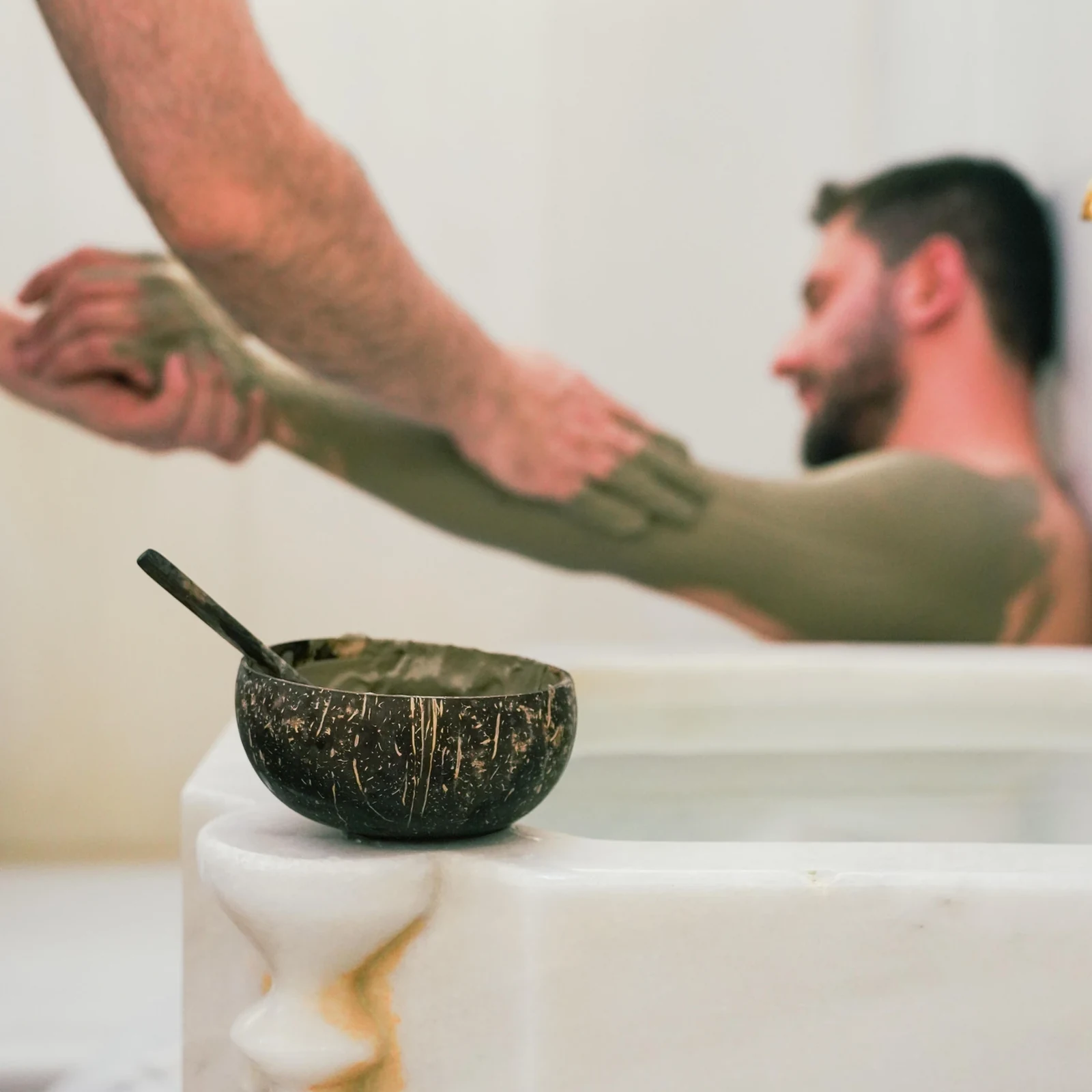
Book a historic hammam in Istanbul at Hurrem Sultan Hamam: exfoliation, foam wash on heated marble and optional massage from €110.
 Activity on TourBookGo
Book a Spanish-language Topkapi Palace Harem Hagia Irene tour with a licensed guide, included tickets and priority entry in Istanbul.