

Book the whirling dervishes ceremony Istanbul at Hodjapasha. Enjoy a 1-hour Mevlevi Sema with Turkish music in a restored Ottoman bath.
View experienceWhy Istanbul is worth visiting and what makes it special
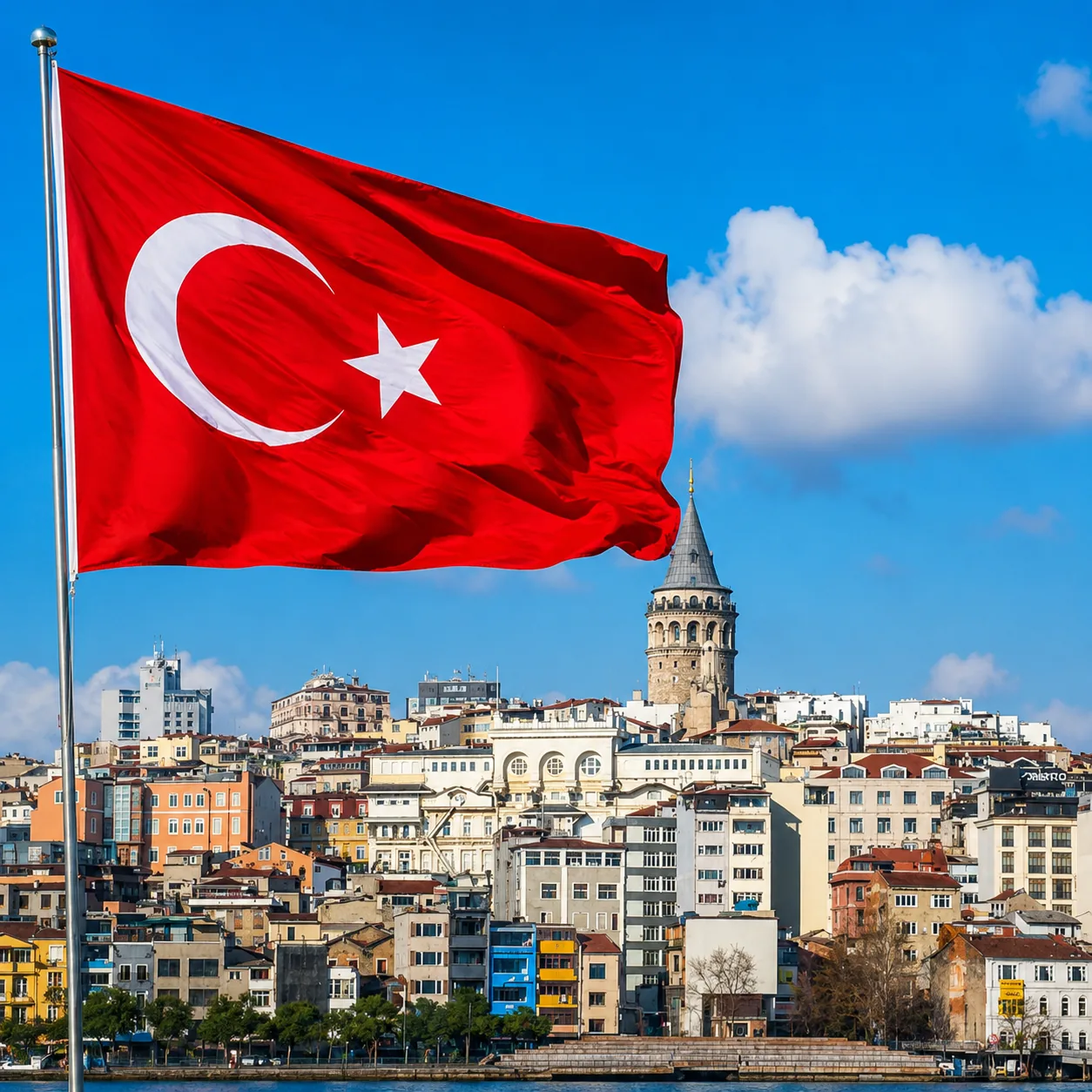
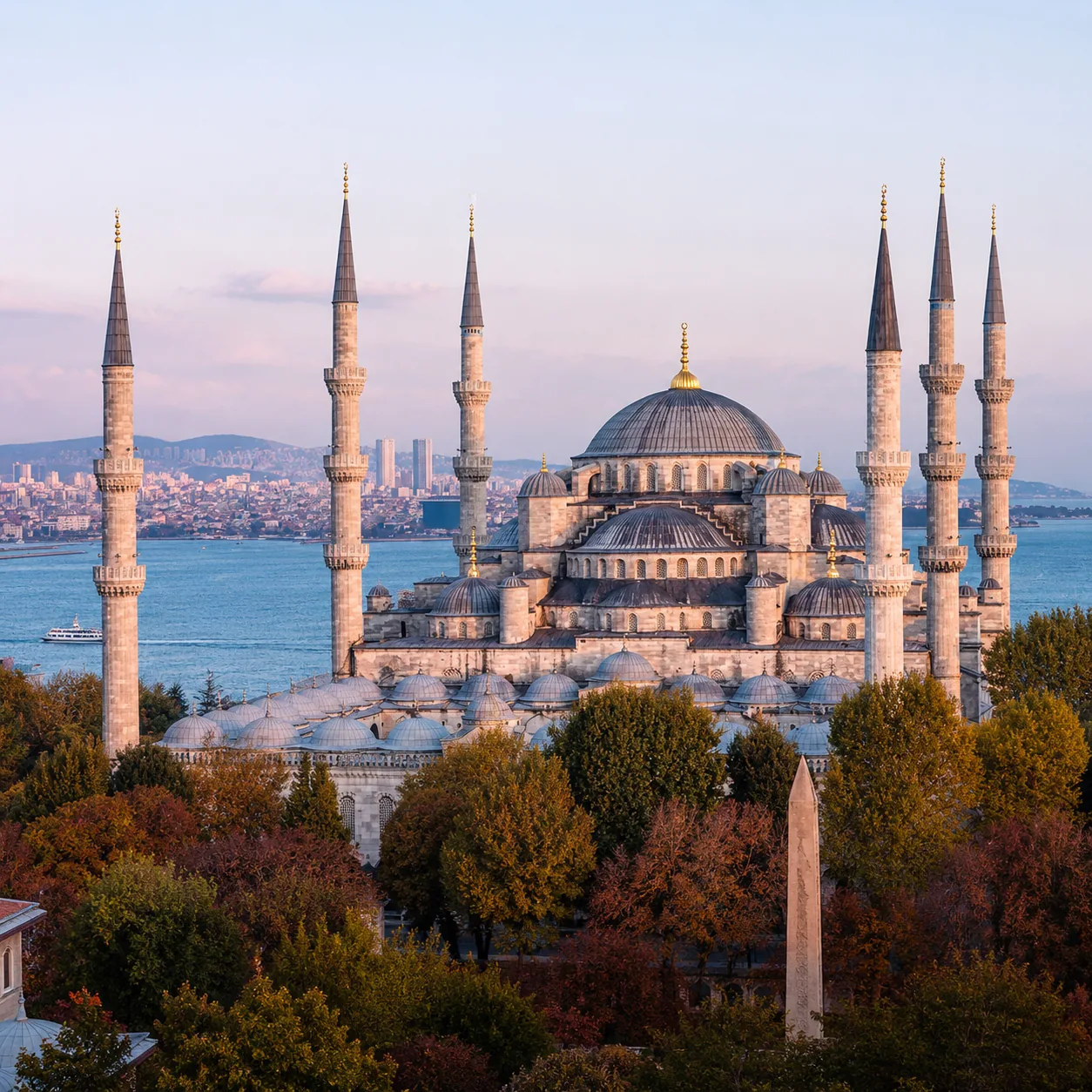
Istanbul cannot be understood at a single glance. By day, it can seem monumental, almost imperial, with Sultanahmet concentrating part of its Byzantine and Ottoman past. At sunset, from a ferry or the hills of Üsküdar, the city turns liquid: dark minarets against the sky, seagulls over the Bosphorus, façades lit by a golden glow that softens even the traffic.
The most valuable thing about Istanbul is that sense of a living frontier. It is not a museum city. It is chaotic, commercial, religious, modern, nostalgic, noisy, and profoundly everyday. You can spend the morning among mosaics and underground cisterns, have fish by the Golden Horn, cross to Asia by ferry, and end the day on a street in Kadıköy where the atmosphere feels more local than monumental.
What may disappoint on a trip to Istanbul
Istanbul can also be tiring. Very tiring. Distances can be deceptive, traffic can be heavy, queues at famous sites are common, and the most touristy areas have lost some of their spontaneity. Sultanahmet is fascinating, but not always intimate. The Grand Bazaar impresses with its scale and history, although some travelers find it too visitor-oriented.
It is also worth accepting that it is no longer as cheap a destination as many imagine. Some entrance fees have risen considerably: Türkiye’s museum portal, for example, lists a €25 fee for Hagia Sophia, while the combined ticket for Topkapı, the Harem, and Hagia Irene is shown at 2,750 Turkish lira. These prices can change, but they help illustrate how quickly the cultural budget can grow.
It is worth accepting that Istanbul is no longer as cheap a destination as many imagine, especially if you visit several paid monuments.
Who Istanbul is worth it for
Istanbul is very much worth visiting for travelers who enjoy history, architecture, street food, urban contrasts, and cities that do not reveal themselves immediately. It is ideal for those who want to walk, get lost, sit and watch ferries pass by, enter mosques respectfully, and try meze, baklava, fish, kebab, menemen, or tea served in small glasses.
It is also a great choice for a first introduction to Turkey. It has frequent flights, a wide range of hotels, and an extensive transport network: Metro Istanbul operates metro, tram, funicular, and cable car lines, and the T1 tram line connects key areas for visitors, such as Kabataş, Sultanahmet, Eminönü, and Beyazıt.
Who it may not be right for
It is not the best city for those seeking pure relaxation, quiet beaches, or a silent getaway. Nor is it ideal for anyone who feels overwhelmed by crowds, bargaining, traffic, persistent vendors, or cities with a disorderly rhythm.
If you are traveling with small children, older people, or anyone with reduced mobility, Istanbul can be enjoyed, but it requires more planning: many streets are steep, some historic sites are not easy to access, and getting around at rush hour can be draining. It is not impossible, but it is not a city where everything should be improvised.
With small children, older people, or reduced mobility, Istanbul is easier to enjoy with more planning and less improvisation.
How many days in Istanbul for a first visit
For a first visit, three or four days is the reasonable minimum. With two days, you can see the major icons, but you will probably feel as though you are chasing monuments. With four or five days, Istanbul begins to breathe: you can spend time in Sultanahmet, cross to the Asian side, sail along the Bosphorus, visit the bazaars without rushing, and add neighborhoods such as Balat, Karaköy, Galata, Cihangir, or Kadıköy.
A week allows for a deeper, less photographic, more emotional experience. That is when the city stops being a list of places and begins to find its own rhythm.
How much it costs to travel to Istanbul
Istanbul can suit different budgets, but it is no longer wise to arrive assuming that everything will be cheap. Eating in simple local places can still be reasonable, public transport remains an advantage — the full fare with an anonymous Istanbulkart is listed as 42 lira on the Metro Istanbul website — but entrance fees, well-located hotels, and very touristy terraces can make the trip more expensive.
To save money without diminishing the experience, the best approach is to stay in a well-connected area, use trams, metro, and ferries, alternate restaurants with traditional lokantas, and avoid trying to enter every paid monument. Istanbul is also greatly enjoyed from the outside: from a pier, a quiet mosque, a steep street, or a simple table overlooking the city’s constant comings and goings.
To save money without diminishing the experience, combine public transport, well-connected areas, and enjoying Istanbul from the outside.
Best time to visit Istanbul
Spring and autumn usually offer the most pleasant experience: milder temperatures, better light for walking, and less harshness than summer. July and August can be hot, humid, and more demanding, especially if you spend hours visiting monuments on foot. Winter, by contrast, has a melancholic beauty: gray skies, Turkish baths, warm cafés, and less tourist pressure, although it can bring rain, cold, and shorter days.
Safety and common sense when visiting Istanbul
For most travelers, Istanbul’s tourist areas can be explored normally, but basic urban caution is advisable: watch your phone and wallet on trams and busy streets, be wary of overly insistent invitations, agree on prices when necessary, and avoid demonstrations or political gatherings. Official travel advice for Turkey stresses the need to pay attention to the security situation and regional risks, although the most serious warnings are concentrated mainly in areas near the Syrian border, not on Istanbul’s usual tourist circuit.
In Istanbul, basic urban caution is advisable: watch your belongings, agree on prices when necessary, and avoid political gatherings.
Verdict: is Istanbul worth visiting?
Yes, Istanbul is worth visiting if you accept that it will not be a completely comfortable trip. It is not a tame postcard or an easy city to consume. It is more of a dense, contradictory, and memorable experience: at times sublime, at times irritating, almost always alive.
It is worth it for those who travel with curiosity, patience, and a desire to look beyond the famous photo. It may disappoint those expecting order, silence, low prices, and beauty that is always polished. Istanbul does not behave like a destination designed to please. And perhaps that is why, when it connects with you, it leaves a deeper mark than many easier cities.