 Activity on TourBookGo
Perfume workshop in Istanbul with Bosphorus views
Book a 2-hour perfume workshop in Istanbul, create your own custom fragrance with an instructor, and take home a 50 ml bottle.
Choosing where to stay in Istanbul can completely change your trip: the city stretches across two continents, rises and falls over hills, and blends mosques, ferries, bazaars, modern cafés, traffic, markets, and local life.
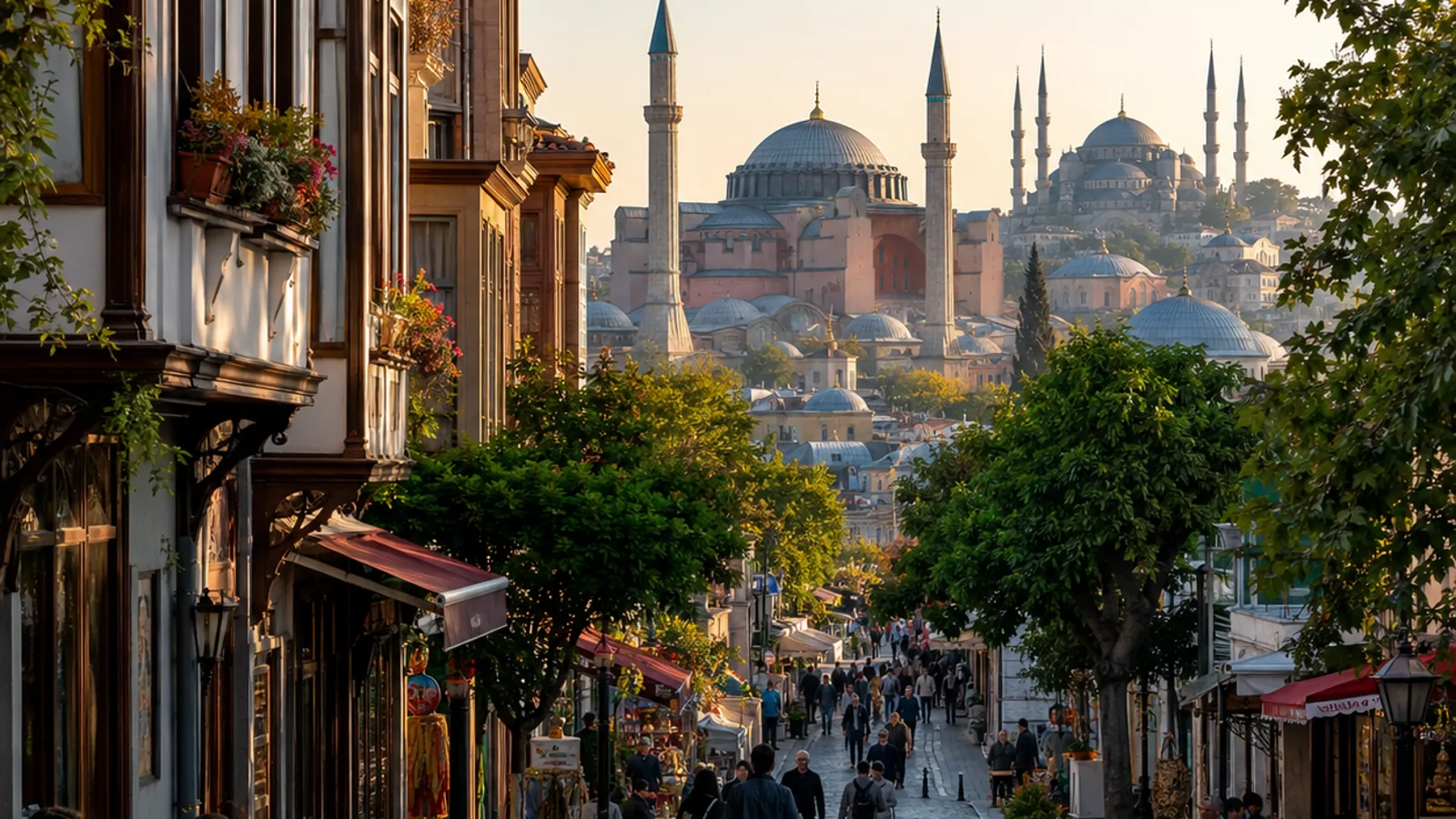
Choosing where to stay in Istanbul can completely change your trip. The city is neither compact nor easy to tame: it stretches across two continents, rises and falls over hills, is split by the Bosphorus, and blends mosques, ferries, bazaars, modern cafés, traffic, markets, and a local life that never seems to stop.
Compare locations and options to find a base that suits your trip. Booking.com confirms current availability and pricing.
Find accommodation on BookingSultanahmet is the obvious choice for a first trip. Here, you sleep close to Hagia Sophia, the Blue Mosque, Topkapi Palace, the Basilica Cistern, and the great landmarks of the old city. It is convenient, monumental, and especially rewarding if you only have two or three days.
Its limitation is the atmosphere. At night, it can feel quieter, even a little flat, and many restaurants are clearly geared toward tourists. It is a good place to see Istanbul, but not always the best place to feel its everyday life.
Best for: first-time visitors, short stays, families, and travelers who want to walk to the major sights.
Maybe not for: those looking for nightlife, modern cafés, or a more local atmosphere.
Sirkeci and Eminönü are very useful areas if you want to be close to the historic center while enjoying better access to ferries, trams, and urban transport connections. From here, it is easy to get to Sultanahmet, Karaköy, Kadıköy, or the Bosphorus. Ferry lines connect piers such as Kadıköy, Karaköy, Eminönü, Beşiktaş, and Üsküdar, which makes staying near the water especially practical.
They are a smart base if you want to move around a lot without relying on a car and use the ferries as part of the experience.
The less appealing side is the noise: shops, traffic, vendors, groups, and constant movement. It is not always the prettiest area for a slow dinner, but it is one of the most functional.
Best for: practical travelers, packed itineraries, and ferry lovers.
Maybe not for: those seeking silence, boutique charm, or romantic streets.
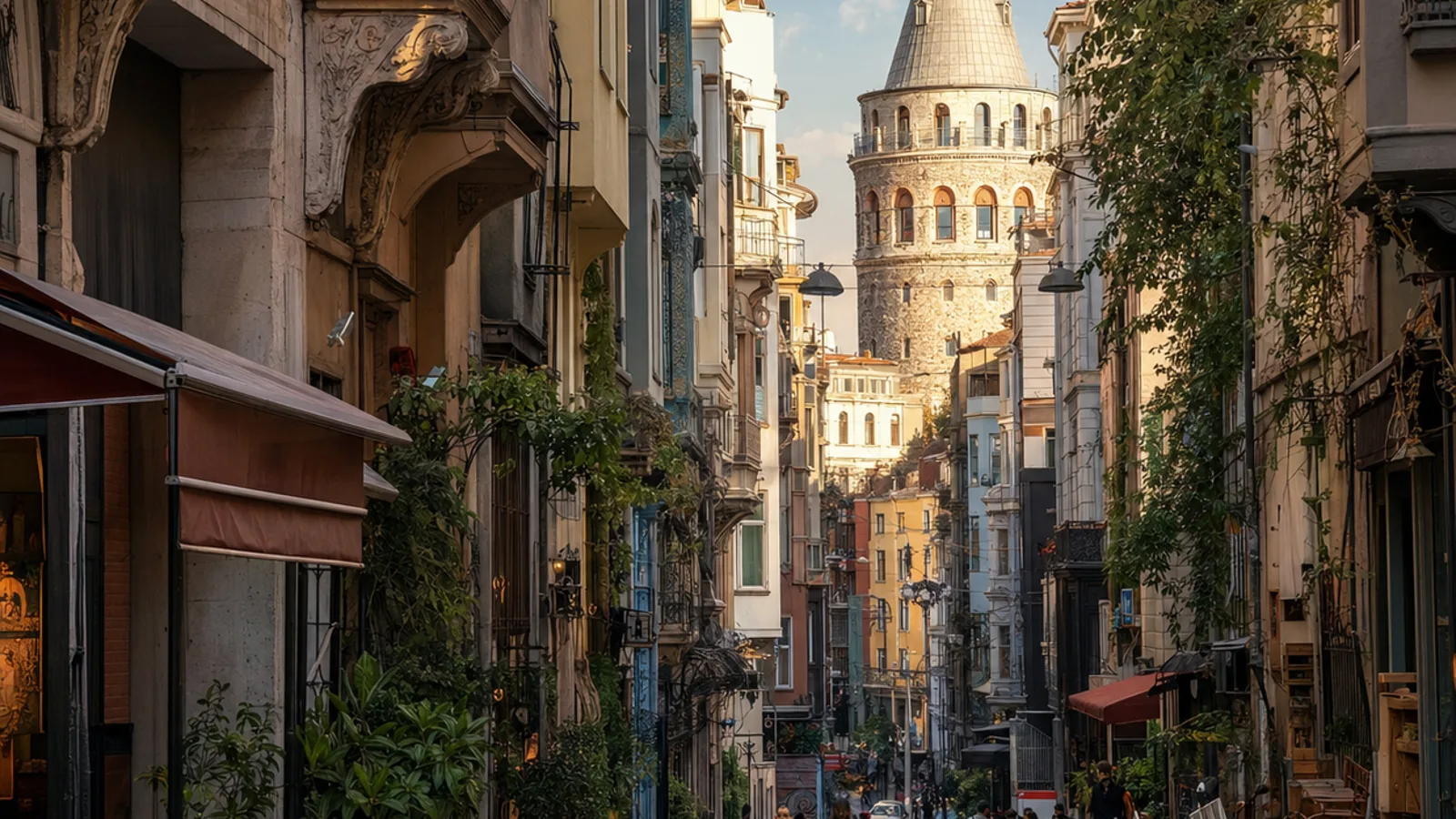
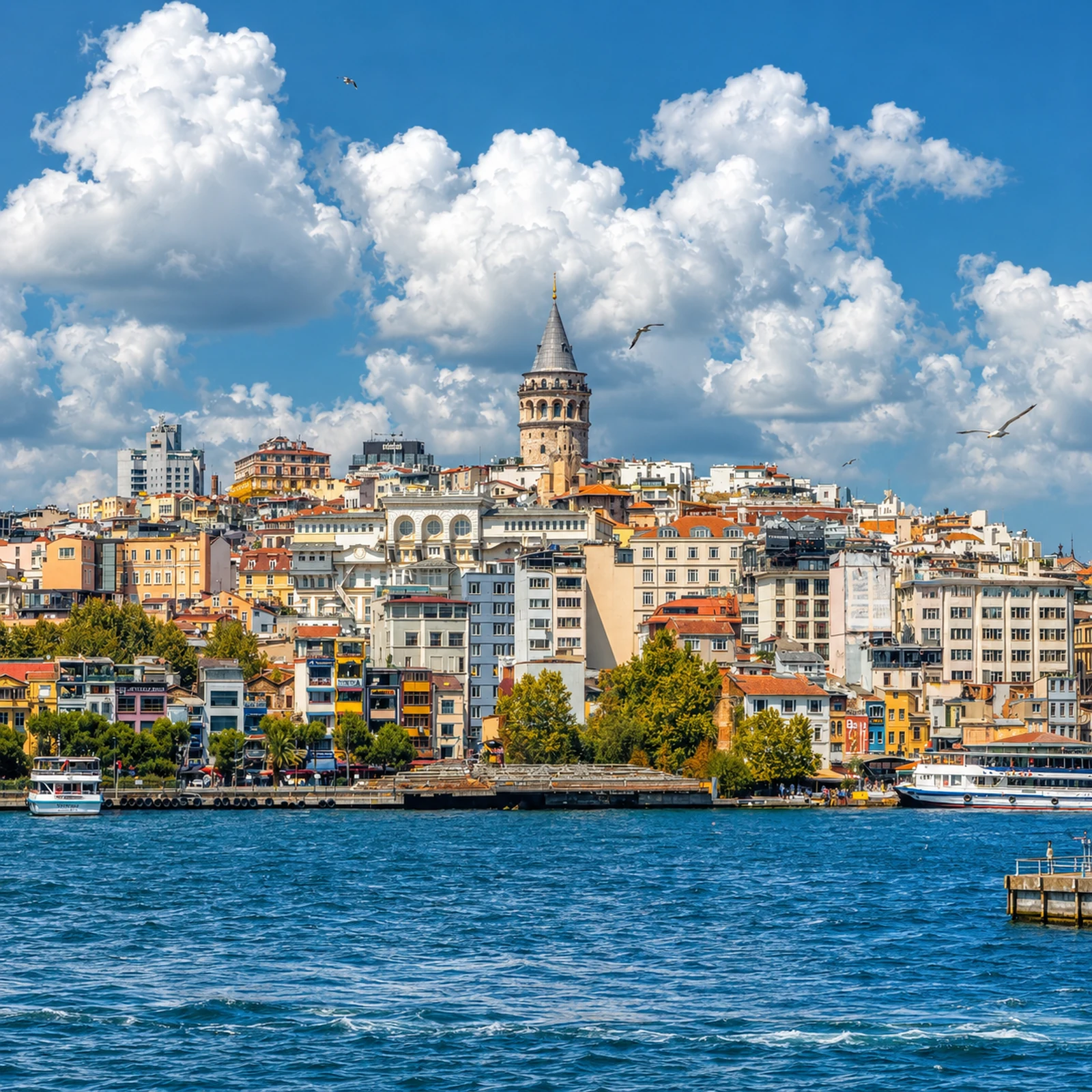
Karaköy combines location, atmosphere, and mobility. It is close to the Galata Bridge, the Bosphorus, the ferries, and the tram; it lets you cross easily into the historic center and head up toward Galata or Beyoğlu in the evening.
It has specialty coffee shops, restaurants, old port buildings, design hotels, and a more contemporary energy than Sultanahmet. It is no hidden gem: some streets are expensive, noisy, or heavily visitor-oriented, but it remains one of Istanbul’s most balanced bases.
Best for: couples, urban travelers, food lovers, and three- to five-day getaways.
Maybe not for: those who want maximum peace and quiet or low prices.
Galata, Pera, Taksim, and Istiklal offer a more nocturnal, cultural, and restless Istanbul. There are bars, restaurants, arcades, bookshops, music, shops, and buildings with a slightly worn beauty. It is a lively area with plenty of personality, especially appealing if you do not want the day to end after sightseeing.
But you need to choose the street carefully. Near Istiklal, there can be noise until late, heavy foot traffic, and uneven soundproofing in accommodations. There are also plenty of hills, which matters if you are traveling with small children, large suitcases, or mobility issues.
Best for: nightlife, restaurants, urban culture, and travelers who already know the basics.
Maybe not for: families who prioritize rest or people sensitive to noise.
Cihangir and Çukurcuma are neighborhoods for travelers who enjoy the details: cats sleeping on the pavements, quiet cafés, antique shops, old façades, long breakfasts, and an Istanbul that is less monumental but more intimate.
They are charming areas, though not always the most convenient. The hills can be tiring, and the connection to Sultanahmet is not as direct as from other areas. In return, they offer a more residential and elegant atmosphere, perfect for a slower stay.
Best for: couples, repeat visitors, slow travel, cafés, and soulful neighborhoods.
Maybe not for: those who want Hagia Sophia just a few minutes away on foot.
Nişantaşı shows another side of Istanbul: boutiques, polished restaurants, comfortable hotels, elegant cafés, and a more affluent local life. It is a good area if you prefer comfort, shopping, and a modern urban atmosphere.
It is not the most practical base for a first trip focused on the historic city, as you will rely more on transport. In exchange, you will have a quieter stay that feels less shaped by mass tourism.
Best for: shopping, upscale hotels, couples’ trips, and comfortable stays.
Maybe not for: those who dream of waking up to minarets.
Kadıköy has a market, bars, restaurants, bookshops, cafés, youthful energy, and a very pleasant local feel. Staying here means accepting a different rhythm: crossing by ferry, seeing Istanbul from the water, and returning at sunset as the European skyline slowly lights up.
For a very short first trip, it may be less practical because it adds travel time. But if you already know Istanbul or are looking for a less touristy experience, it can be a magnificent choice. Metro, urban rail, and ferry connections make Kadıköy work especially well for longer stays.
The ferry turns every crossing into part of the trip, especially if you love seeing the city from the Bosphorus.
It is also a great area for eating well, going out without rushing, and sleeping in a more everyday atmosphere.
Best for: repeat visitors, food lovers, local life, ferries, and longer stays.
Maybe not for: those who only have two days and want to visit the classics without losing time.
Beşiktaş is local, active, and youthful; Ortaköy is more scenic, with its mosque by the water and the bridge in the background. These are interesting areas if you want to live close to the Bosphorus and do not mind being a little farther from Sultanahmet.
The main problem is traffic. On the map, everything looks close, but Istanbul is not always measured in kilometers: it is measured in time, slopes, and patience.
Best for: views, local life, the Bosphorus, and travelers seeking another perspective.
Maybe not for: those who want to visit the historic center as quickly as possible every morning.
Rather than “forbidden” neighborhoods, Istanbul has poorly chosen streets. It is worth checking the surroundings of stations, busy avenues, overly nightlife-heavy areas, or cheap accommodations that are far from transport. An inexpensive hotel can end up costing you dearly if you lose an hour every day getting around.
Before booking, check three things: real proximity to the metro, tram, or ferry; nighttime noise; and whether there are steep hills. In neighborhoods like Galata, Cihangir, or parts of Beyoğlu, the slope matters more than it may seem.
No. For staying in and getting around Istanbul, a car is usually more of a burden than an advantage. The city has metro, tram, funicular, rail lines, and ferries, so the best areas to stay in Istanbul are usually the ones that combine public transport with good walking routes.
Using public transport helps you avoid much of the traffic and enjoy each neighborhood with less stress.
A car only makes sense if you are leaving Istanbul for other regions. Even then, the most convenient option is usually to pick it up when you leave the city, not during your sightseeing days.
For a short first trip, Sultanahmet is the most convenient option. For a balanced stay, Karaköy is often one of the best choices. For nightlife, Beyoğlu or Galata work well if you choose a quiet street. For a more local Istanbul, Kadıköy can be a delightful surprise. For elegance and comfort, Nişantaşı makes a lot of sense.
The best area is not the most famous one, but the one that matches the way you travel. Istanbul rewards the curious traveler, but it can exhaust those who underestimate its distances, traffic, and hills. Choosing the right neighborhood does not mean avoiding the chaos: it means deciding which Istanbul you want to find when you open the window in the morning.
Make the most of your stay in Istanbul with selected experiences that are easy to combine with the area where you are staying.
Activity on TourBookGoBook a 2-hour perfume workshop in Istanbul, create your own custom fragrance with an instructor, and take home a 50 ml bottle.
 Activity on TourBookGo
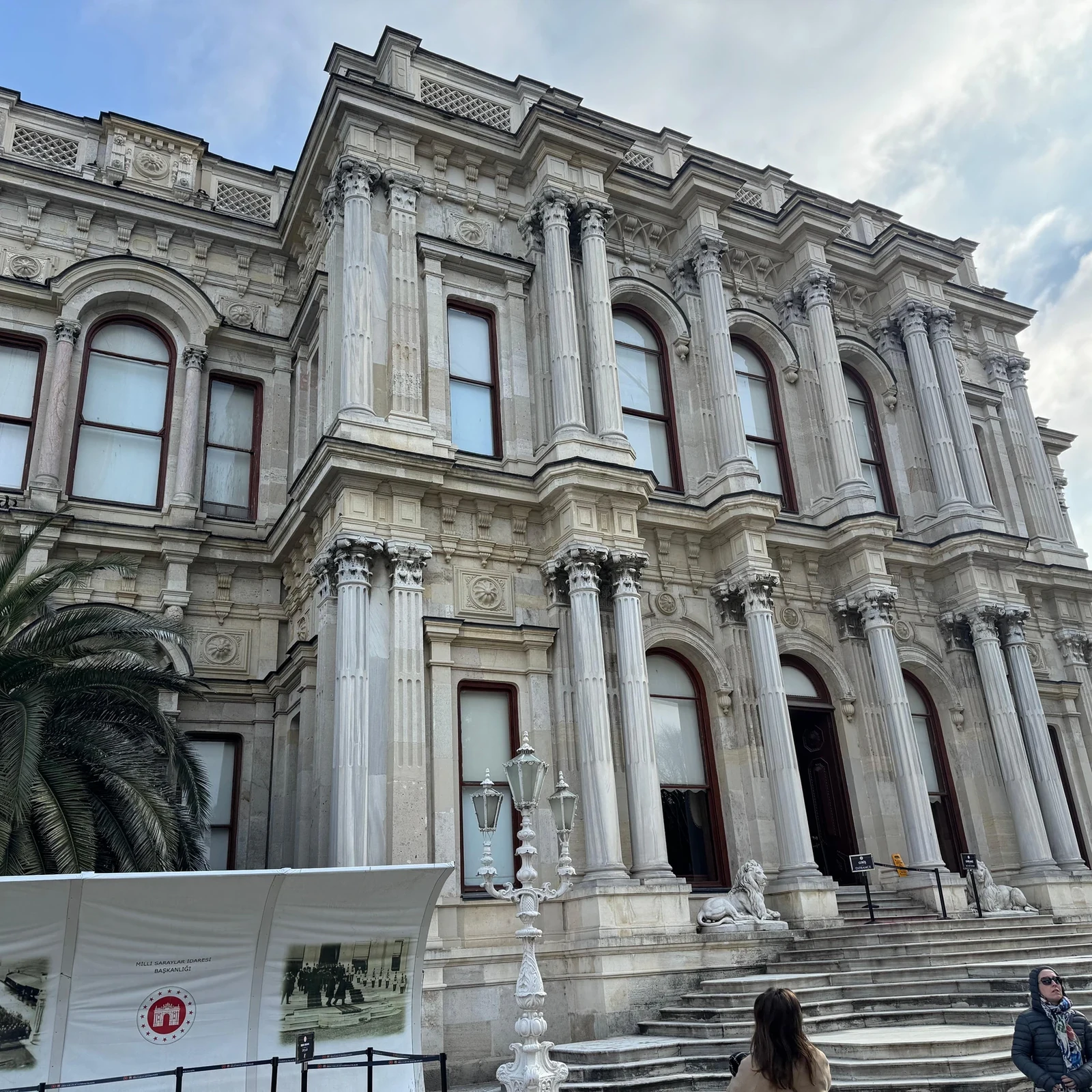
Book a Beylerbeyi Palace ticket with audio guide, skip-the-ticket-line entry and a flexible Bosphorus visit. From €18 with free cancellation.
 Activity on TourBookGo
Book The Little Prince Live Aerial Acrobatics Show in Istanbul: an aerial show in Sultanahmet opposite Hagia Sophia with ghost screen effects and an LED wristband.