
Spring: streets for unhurried walks
Spring makes it easy to alternate indoor visits with long walks. You can cross the centre on foot, linger in a square and continue towards Oltrarno without planning every stretch around the heat.
Rain and temperature swings can also be part of the same trip. Bring a light layer and leave room to swap a walk for an indoor visit. Pleasant days draw plenty of people, so spring does not necessarily mean empty streets.
Summer: more daylight, but a more demanding pace
Summer brings longer days in Florence, though heat can make the middle of the day tiring, especially among buildings and busy streets. If you travel then, save longer walks for the morning or late afternoon and take a break during the hottest hours.
Summer is a reasonable choice if you depend on school holidays or enjoy long evenings. It may disappoint you if you imagine walking all day without a break. Accommodation can also cost more during busy periods, so compare options before settling on dates.
Autumn: a good balance, with changeable weather
Autumn brings back a pleasant pace for exploring on foot and sitting to watch city life. As the season progresses, daylight hours shorten and rainy days become more likely. Florence has enough to do indoors to let you adapt your day.
If you hope to combine art, neighbourhoods and walks, autumn is often one of the most versatile choices. Choosing it solely to avoid crowds may disappoint you, though: visitor numbers vary considerably by date.
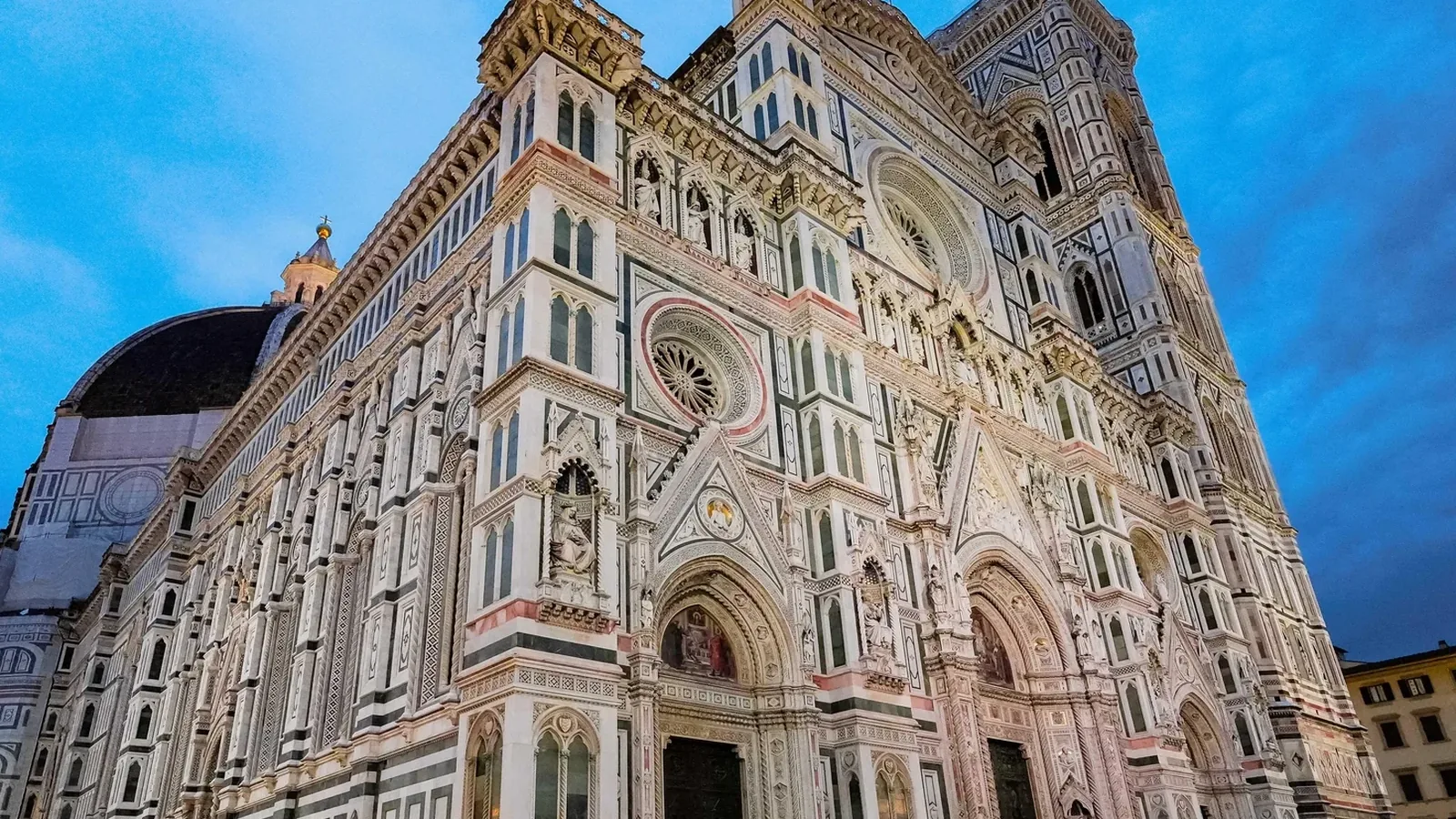
Winter: a quieter side of the city
Winter lends itself to museums, churches and other indoor spaces, with shorter walks between them. Daylight fades earlier, and cold or rain may limit how long you want to stay outside. If you enjoy a city less focused on tourism, the pace may suit you better.
Do not assume everything will be cheaper or less crowded. Demand changes from week to week, and holidays can affect both the atmosphere and the cost of a trip.
Which season to choose
If it is your first visit and you want to spend much of the day walking, spring or autumn offer the best balance. If collections and indoor visits matter most, winter can work very well. If summer is the only time you can travel, plan lighter days with breaks and fewer visits back to back.
Florence is at its best when you leave room to stray from your planned route. The best time to go is the one that lets you do that at a pace you can enjoy.