
What has the biggest impact on your budget
Accommodation is usually the deciding expense. Staying near the places you want to visit lets you walk more, though it may cost more. Staying farther from the centre may lower the room price, but it adds journeys and takes up time. Compare the total cost of each option, including booking conditions and the transport you will need.
The season and how far ahead you book also affect what is available. If your dates are flexible, comparing several periods may be more useful than cutting small expenses once you arrive.
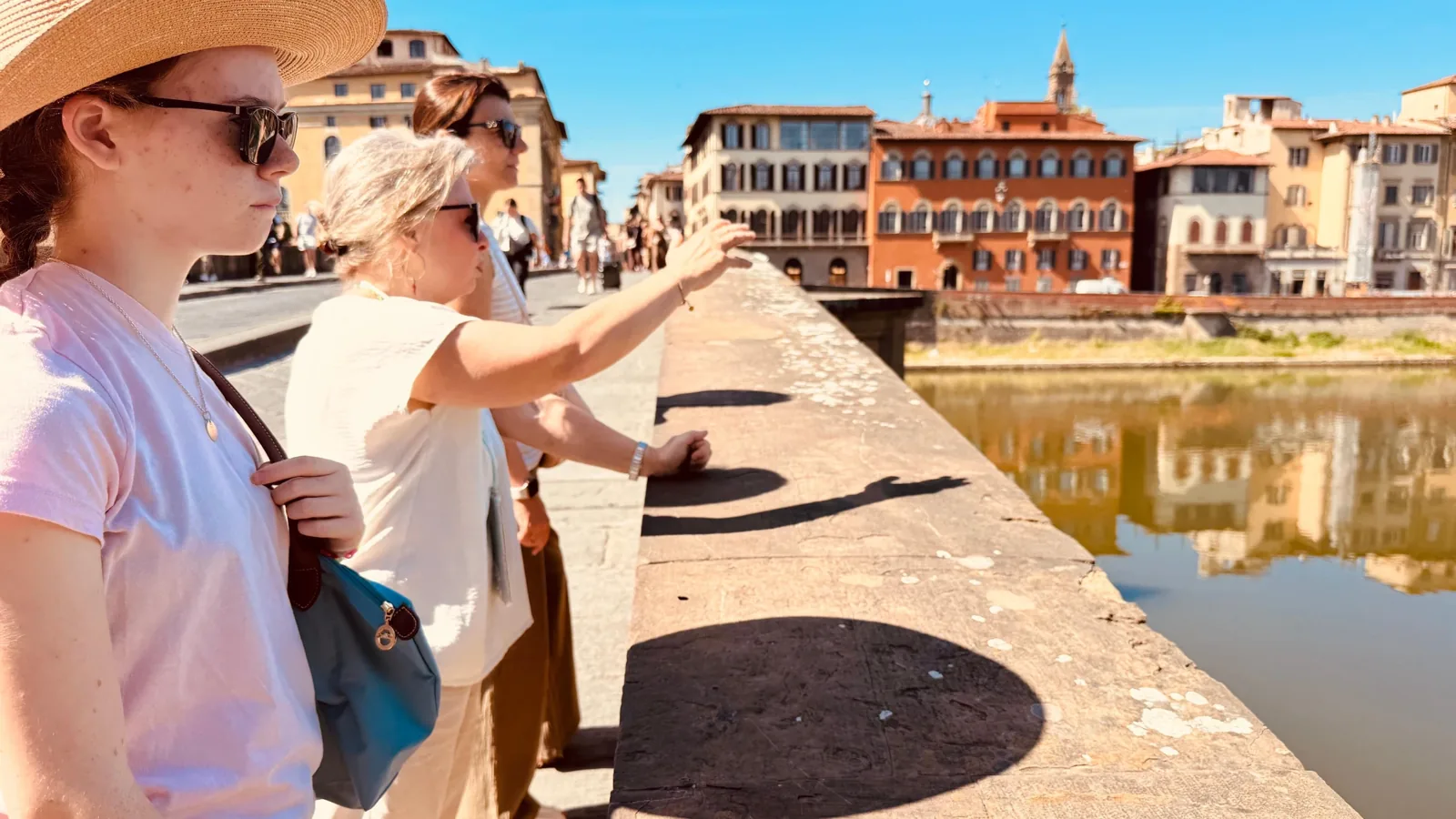
Food leaves room for choice: a simple grocery shop, a casual lunch and a leisurely dinner lead to different budgets. The same goes for sightseeing. Walking along the Arno or spending time in a neighbourhood requires no ticket; visiting museums such as the Uffizi or the Accademia means setting aside part of your budget.
Three ways to plan your trip
On a tight budget, prioritise accommodation with a total cost that works for you, simple meals and a few paid visits chosen in advance. Walking can help you spend less if you stay somewhere practical. Cutting back on every meal and admission ticket, however, may leave you with a more limited experience than you expected.
On a mid-range budget, you can combine well-located accommodation with casual restaurants and the museums that interest you most. Decide which places are worth paying to enter and leave time to explore the city without a schedule.
With a comfortable budget, you have more freedom to choose where to stay, linger over meals and add visits. Even so, spending more will not improve an overcrowded itinerary: making time for breaks is part of the trip too.
How spending changes over three, five or seven days
Over three days, the cost of getting to Florence and your accommodation is concentrated into a short stay. Choosing your visits carefully helps you avoid impulse spending as you try to see everything.
Over five days, you will pay for more nights and meals, but you can spread out museum visits and alternate them with walks without paying for more tickets every day. This pace allows for less hurried decisions.
Over seven days, accommodation carries even more weight. If you add excursions outside the city, calculate their transport, meals and any admission fees separately; do not budget for them as though they were days spent walking around Florence.
Expenses that are easy to overlook
Check the final accommodation price, cancellation terms and any additional charges before booking. Add the transfers on arrival and departure, any transport required by where you stay, and the admission tickets you consider priorities. Occasional taxis, drinks and unplanned meals may seem like small expenses individually, but they add up.
The most sensible way to save is to protect what makes the trip worthwhile to you. If you want to visit a particular museum, include it from the start and cut back on something you care about less. You can spend little during much of a day in Florence; your budget needs more care if you hope to stay, eat and go everywhere without first choosing your priorities.