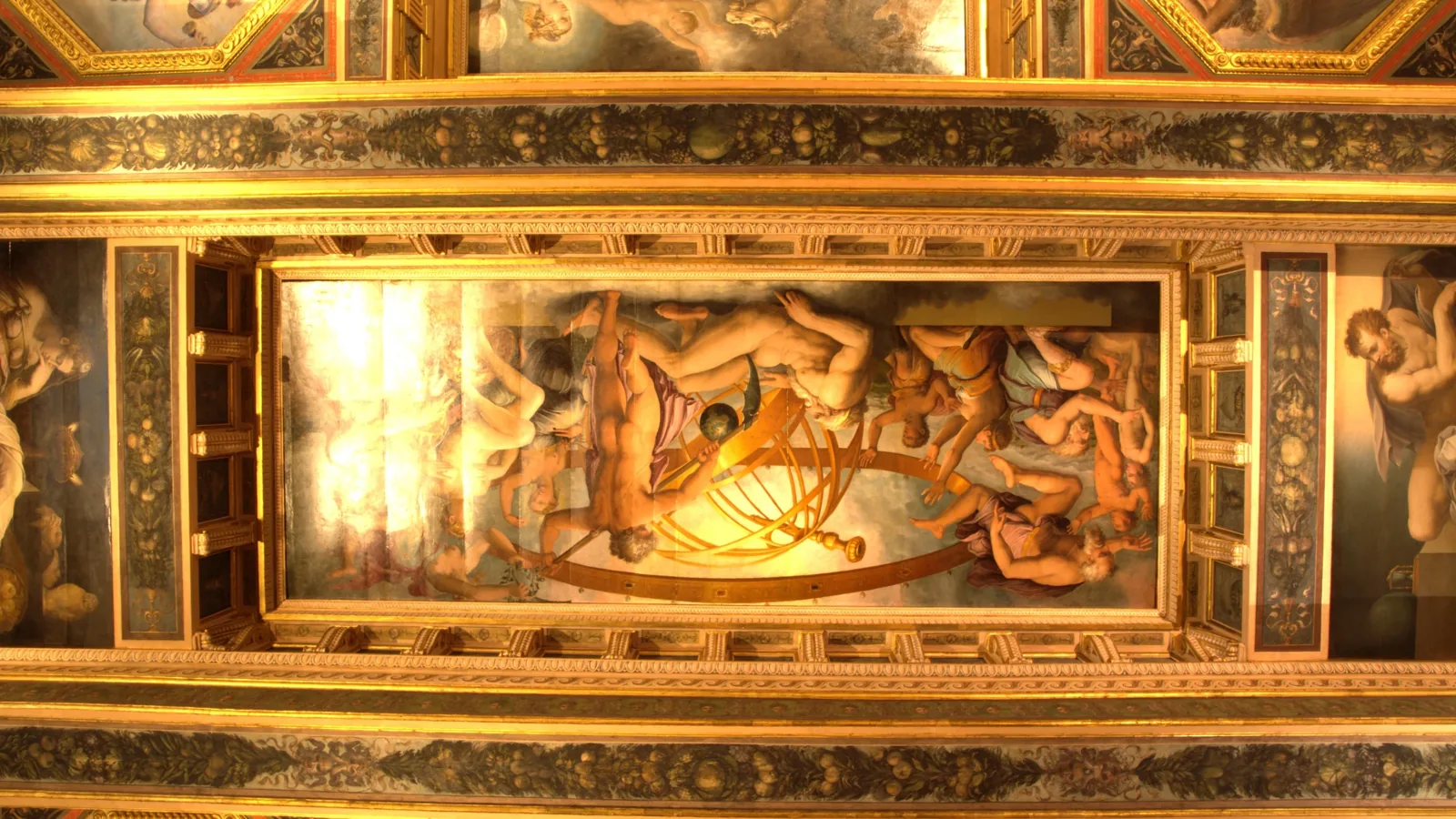
Trying to see everything in one day
The Duomo, Piazza della Signoria, the Uffizi and Ponte Vecchio may look close together on a map. That does not mean you can enjoy them all in a single day, especially if you want to go inside several buildings. Museums take time; streets call for pauses.
Choose one main visit each day and leave room to wander without an immediate destination. If you only have a few hours, accept that you will get to know one part of Florence. It is better to remember a work of art and a conversation than to finish a list feeling you barely looked at anything.
Mistaking proximity for ease
Much of the centre is easy to explore on foot, but cobbled streets, queues and hours of standing can be more tiring than expected. Wear comfortable shoes and group your visits by area. Crossing the city several times for a rigid itinerary leaves less time to enjoy the walk.
Piazzale Michelangelo is worth treating as an outing in its own right if you want to take in the view without rushing. If you have reduced mobility, are travelling with young children or visit on very hot days, allow more time between stops than the map might suggest.
Leaving anticipated visits until the last minute
Arriving without a plan can work well for wandering; it works less well if your trip depends on entering a particular museum. Before you go, check the current entry conditions and book where necessary. Have an alternative if a visit does not work out: the Oltrarno neighbourhood, a walk along the Arno or an afternoon taking in the city without tickets.
The opposite mistake is to schedule every part of the day. You need time between visits to eat, rest and change your mind.
Seeing only the postcard version of Florence
The area around the Duomo and Ponte Vecchio has many famous sights and many visitors. If you spend your whole stay there, the city may seem more crowded than it is. Walking towards the quieter streets of Oltrarno lets you slow down, though that does not make every residential corner an attraction.
There is no need to hunt for a supposed “local secret”. Stop chasing photographs for a while and notice how people use the space: a square where they meet, a neighbourhood shop or someone’s everyday journey home.
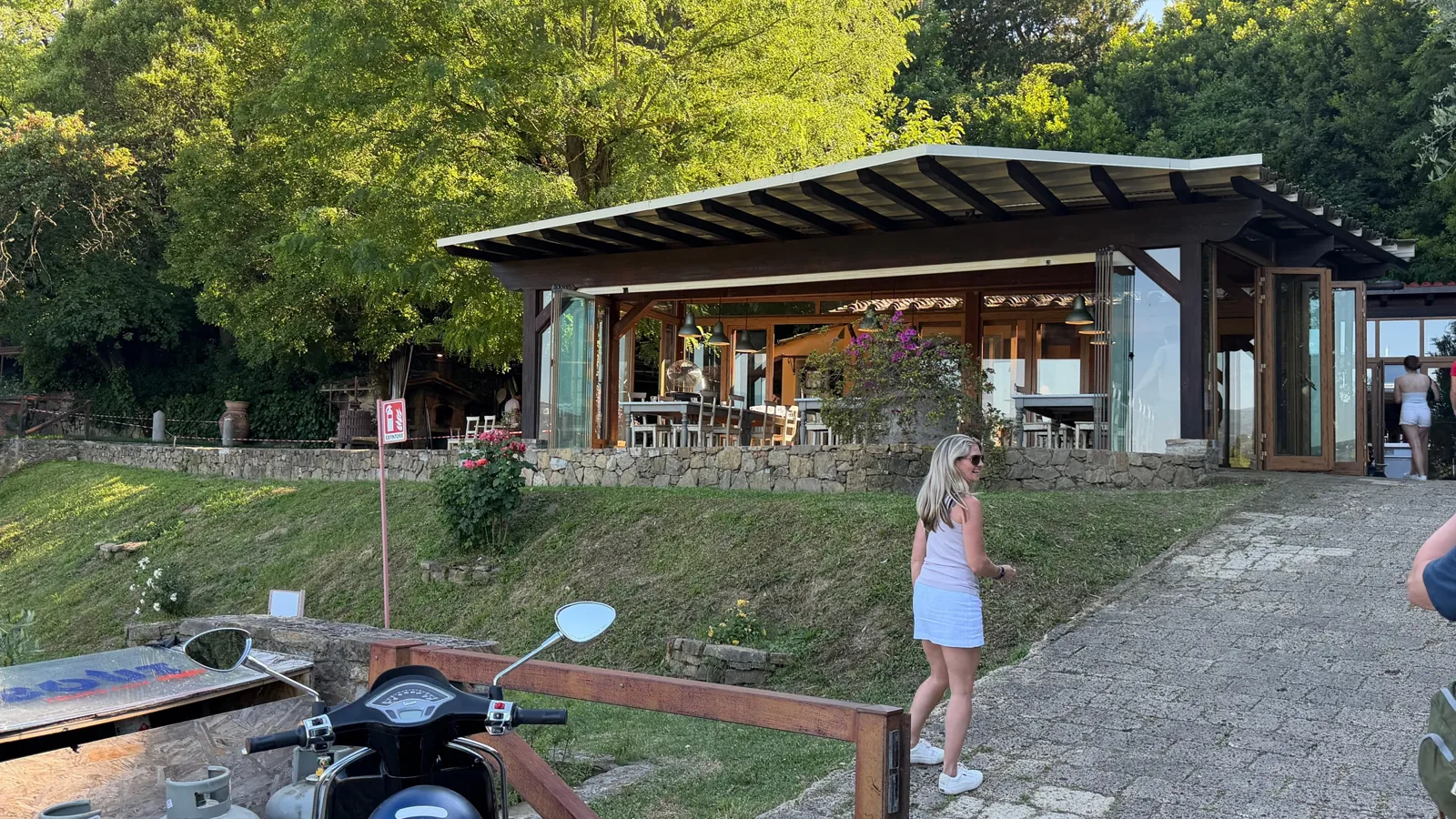
Eating or shopping on autopilot
Tiredness often makes the decision for us. Sitting down at the first place opposite a monument can be reasonable if you need a rest; it can disappoint if you hoped the meal would be a highlight. Read the menu and its terms before ordering, compare options when you have the energy, and take time to eat without making it another task to tick off.
The same goes for souvenirs: not every shop in the centre sells something connected to Florence’s craft traditions. Asking where an item comes from is more useful than trusting an appealing label.
Forgetting that people live here too
On narrow streets and busy squares, a group that stops suddenly can block the way. Respect entrances to homes and businesses, people’s peace and quiet, and the rules of each place. Do not treat doorways, courtyards or private property as backdrops for a photograph. Be mindful of what you leave behind when eating or walking around.
A “buongiorno”, “per favore” or “grazie” helps start an interaction politely, even if you continue in another language. Listen before deciding that a hurried reply reflects “what locals are like”: the person may simply be working. Being a considerate customer also means accepting a business’s pace rather than demanding immediate attention when it is busy.
Leaving room between plans
Florence is more enjoyable when your plans stop competing with the city. Choose what you really want to see, check the details that may change and leave time for the journey between one thing and the next. Often, that is where the visit begins to make sense.