 Activity on TourBookGo
Cofete Beach and Villa Winter Tour in Fuerteventura
Cross Jandía in a group of up to 8 and visit the Cofete viewpoint, Villa Winter and Cofete Beach with transport and a guide.
Fuerteventura is a peaceful destination when you respect the ocean, the sun, the wind and the realities of its open landscapes.
Open beaches, roads through almost empty terrain and volcanic trails create a powerful sense of freedom. They also require you to read your surroundings correctly: staying safe is less about being constantly on guard than avoiding the easy mistake of underestimating changing conditions.
Compare locations and options to find a base that suits your trip. Booking.com confirms current availability and pricing.
Find accommodation on BookingFor many visitors, the main risk lies in the water. A bright, apparently calm beach may have waves, currents or sudden changes in depth that are difficult to identify from the shore. The wind can also change conditions quickly.
Always follow warning flags, closures and instructions from lifeguards or the authorities. Where there is no supervision, the absence of a visible warning does not mean that swimming is safe. Going into the water alone, venturing too far out or swimming in an unfamiliar area adds unnecessary risk.
Natural pools, rocky coastlines and places exposed to heavy surf require even greater caution. A single wave can reach areas that appeared dry. When watching the sea or taking photographs, keep away from the edge and avoid turning your back on the water.
Anyone surfing, windsurfing, kitesurfing or taking part in other activities should choose areas suited to their ability and seek professional guidance if they are unfamiliar with local conditions. Enthusiasm is no substitute for experience.
The wind can make the heat feel less intense, causing people to underestimate their exposure to the sun. It is easy to spend several hours on the beach or walk across open terrain without noticing the effects until sunburn, exhaustion or a headache sets in.
Sunscreen, plenty of water, a hat and breaks in the shade are basic precautions, even on days that do not feel particularly hot. Start long walks with time to spare and do not rely on finding water or shelter along the way.
The wind also blows sand and small objects around. On particularly windy days, an exposed beach may be uncomfortable for children, people with sensitive eyes or travellers who hoped to spend the day lying by the sea. Moving elsewhere or changing plans is sometimes the most sensible choice.
A car gives you the freedom to explore, but quiet roads can create a false impression that there are no risks. Stay alert on bends, at junctions, where road surfaces change and around side-road access points, especially as daylight fades or when the wind is strong.
Not every track is suitable for every vehicle. Before taking an unpaved road, consider the state of the terrain, the terms of your rental agreement and whether you could realistically get back without assistance. A route that looks short on the map can become difficult if the surface deteriorates or mobile coverage disappears.
Do not stop unexpectedly where your vehicle might obstruct traffic. To admire the scenery or take photographs, look for a safe place clearly set back from the road.
If you drink alcohol, do not drive. In areas with few immediate transport alternatives, the return journey must be arranged before going out, not at the end of the night.
Part of Fuerteventura's appeal lies in its open spaces, but isolation changes the consequences of any mishap. A sprain, a breakdown or running out of water is harder to deal with far from populated areas.
When walking in remote places, wear suitable footwear, ensure your phone has enough battery and download a route that can be accessed offline. Telling someone else about your planned route adds another layer of safety, particularly if you are travelling alone.
Avoid improvising descents through ravines, down unstable slopes or along cliffs to reach a cove that appears close by. Visual distances can be deceptive, and the return usually demands more effort than the outward journey. If the weather, daylight or your energy levels change, turning back does not ruin the outing: it saves it.
As in any tourist destination, leaving valuables visible inside a car or abandoning your phone and wallet while you swim creates avoidable opportunities. Carry only what you need, avoid displaying money and store documents and valuables carefully.
On terraces, beaches, in car parks and crowded areas, the usual precautions are enough. There is no need to travel in fear, but nor should you assume that a relaxed setting eliminates the risk of opportunistic theft.
At night, keep an eye on your drink, do not drive after consuming alcohol and choose clear, straightforward routes. If a situation or person makes you uncomfortable, leave without waiting for the perfect justification.
Travelling alone as a woman in Fuerteventura does not mean turning every outing into a defensive operation, although isolated settings deserve particular attention. A remote beach may be appealing precisely because few people are there, but that same solitude reduces the chances of getting help.
Sharing your location or daily plans with someone you trust, avoiding unfamiliar walks at dusk and choosing accommodation and transport that feel safe are reasonable measures. It is equally reasonable to move elsewhere if someone behaves intrusively, ask staff at an establishment for support or approach other people.
Intuition does not always prove that danger exists, but it can still justify taking preventive action.
Children must be supervised constantly near the water. Currents, waves and wind can quickly overwhelm them, even close to the shore. Inflatables are no substitute for adult supervision and do not make a dangerous area safe.
Avoid prolonged exposure to the sun and bring water, sun protection and a light extra layer for when the wind turns cooler at the end of the day. At viewpoints, on cliffs and across uneven ground, physical boundaries should be respected, however tempting the photograph may be.
Planning less ambitious days usually improves both safety and the whole family's enjoyment.
Fuerteventura does not call for fear, but awareness. Its most predictable risks come from underestimating the ocean, spending too long in the sun, driving without knowing the terrain or entering isolated areas unprepared.
The best precaution is to leave yourself room to adapt: room to change beaches, abandon a route, postpone an activity or give up on a photograph. Those who accept that nature sets the pace will find a peaceful island that is easy to enjoy. Those who mistake tranquillity for an absence of danger may face the kind of scare that sensible planning could have prevented.
Discover selected experiences in Fuerteventura and compare different ways to explore the island before booking.
Activity on TourBookGoCross Jandía in a group of up to 8 and visit the Cofete viewpoint, Villa Winter and Cofete Beach with transport and a guide.
 Activity on TourBookGo
Combine cliffs, beaches and Morro Jable’s old quarter on a guided route through southern Fuerteventura. The small-group format creates a more personal atmosphere, although beach time is limited and the itinerary may change.
 Activity on TourBookGo
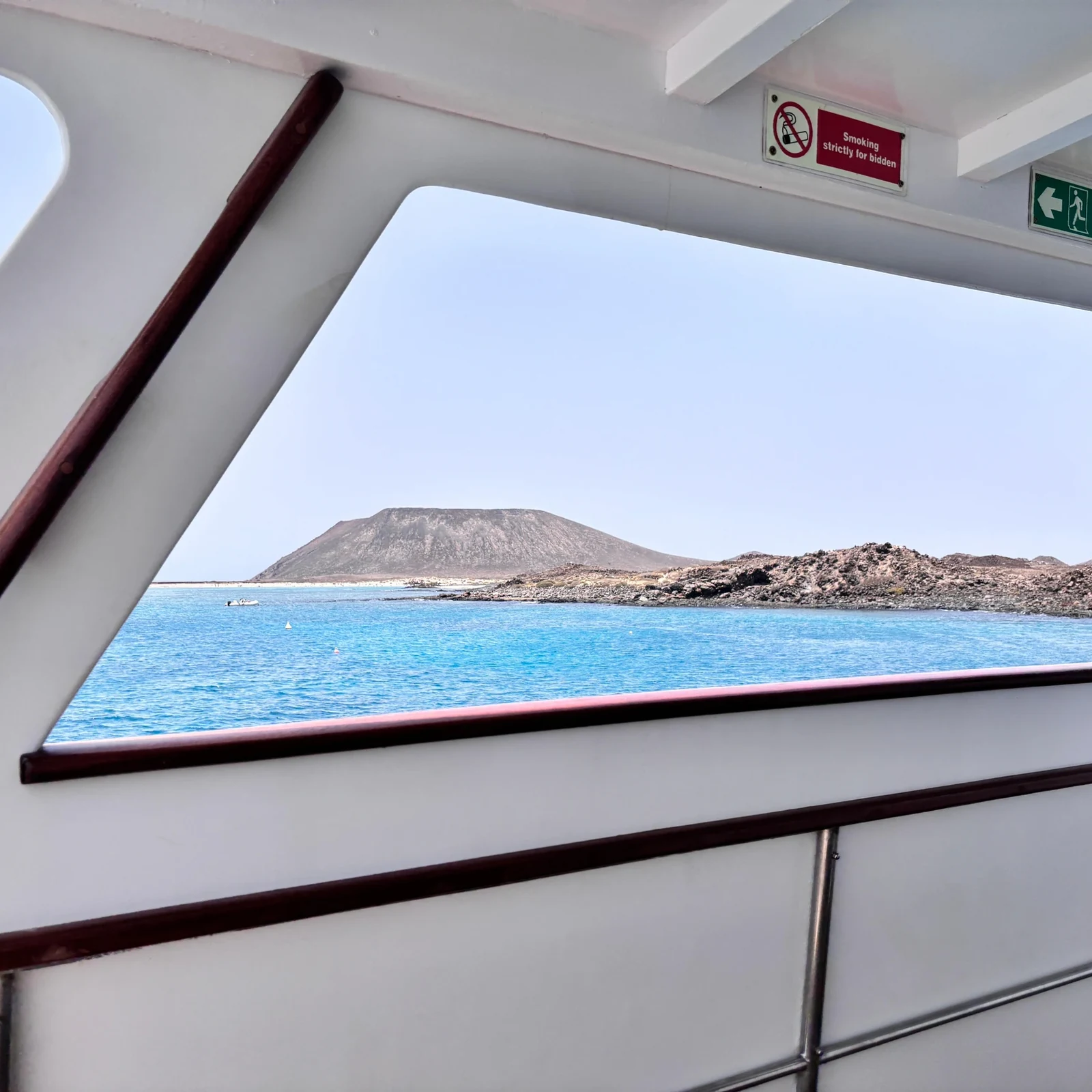
The ticket links Corralejo with Lobos in approximately 20 minutes each way and leaves you free to explore without a guide. Choose your timetable carefully and check whether your option includes the access permit.