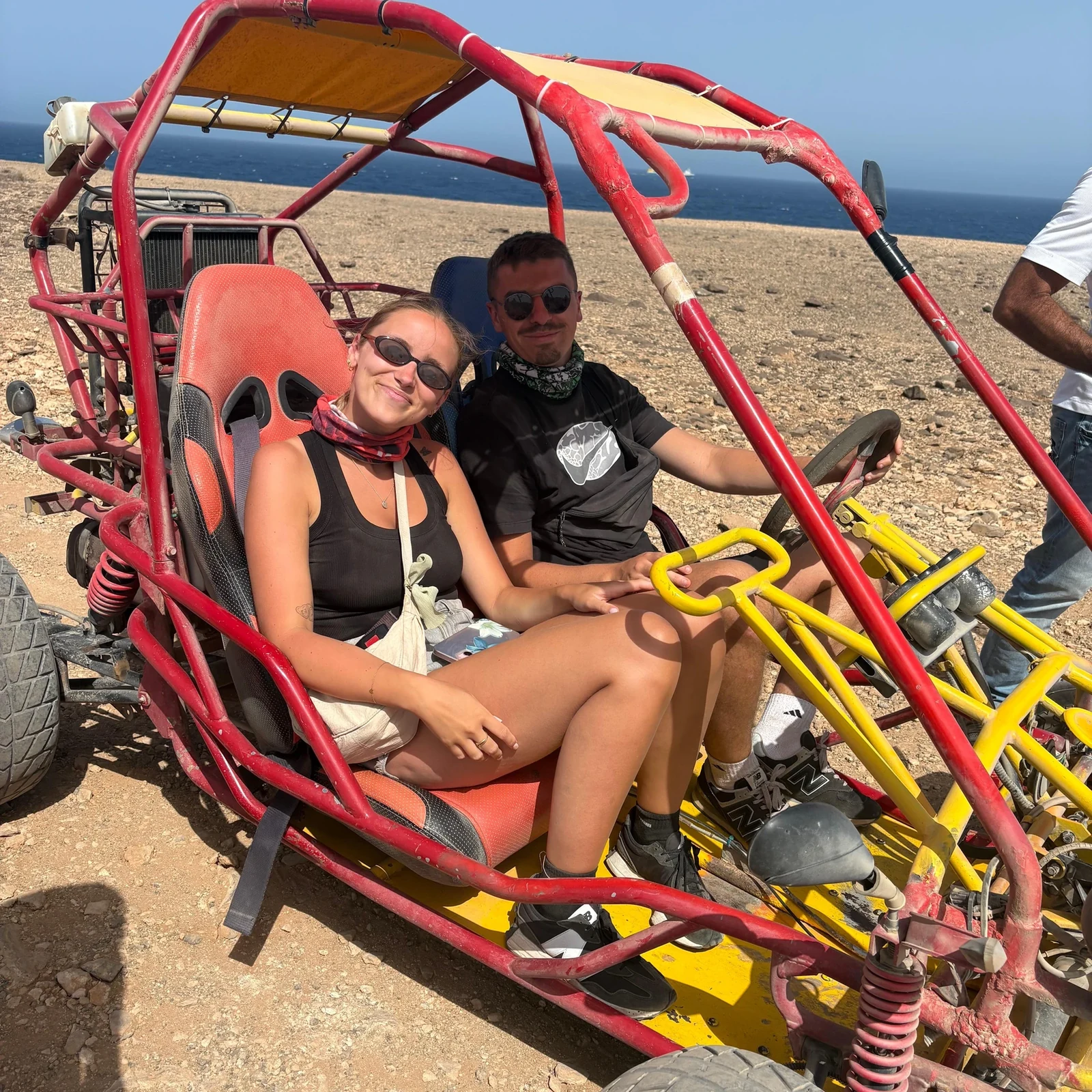
 Activity on TourBookGo
Caleta de Fuste Buggy Tour to Las Salinas
Drive an automatic buggy for 3 hours across Fuerteventura roads and dirt tracks, with a cheese farm visit, tasting and planned Las Salinas stop.
Combine Atlantic beaches, volcanic walks, inland villages and unscheduled time to discover an island that rewards unhurried travel.
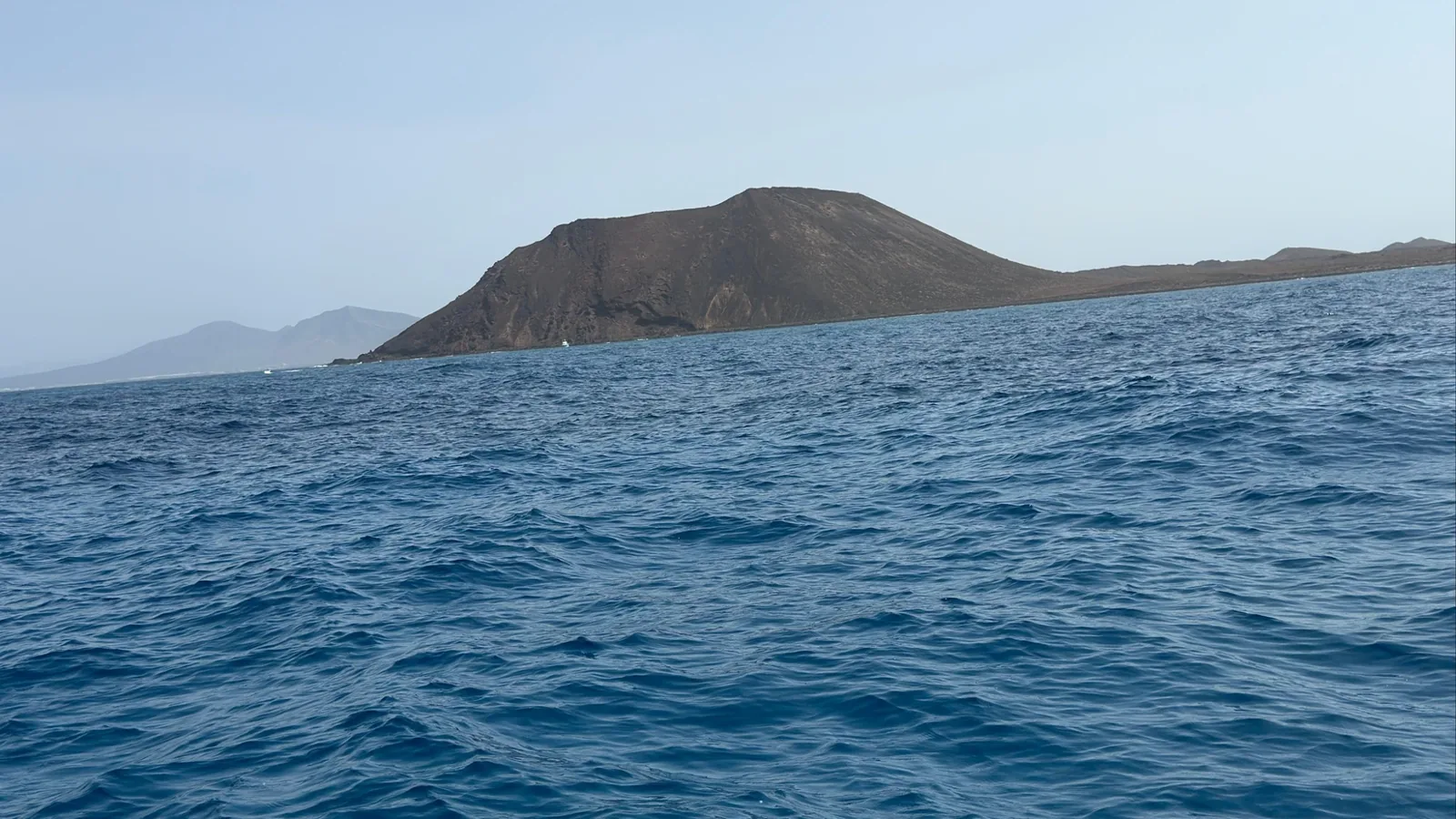
From a distance, Fuerteventura seems simple, yet it changes considerably depending on how you explore it. It can offer peaceful beaches, wind sports, lonely roads or leisurely journeys through villages, volcanoes and ravines. Distances may look modest on the map, but crossing the island takes time, so choose one area each day and leave room to stop whenever the landscape invites you.
Compare locations and options to find a base that suits your trip. Booking.com confirms current availability and pricing.
Find accommodation on BookingThe beaches are the island’s main attraction, although they do not all offer the same experience. In the north, the Grandes Playas de Corralejo combine sand, views towards Lobos and surroundings shaped by the dunes. They are accessible and spectacular, but some sections can be exposed to the wind.
In the south, Sotavento changes with the tides and the day’s conditions. Its vast expanse is ideal for walking, water sports or watching the water create lagoons and channels across the sand. It is not always the most comfortable choice for anyone hoping to swim without wind, but few places capture Fuerteventura’s open character so well.
Cofete offers a different experience, defined by its scale, isolation and the imposing mountains of Jandía. It is neither an urban beach nor somewhere to visit in a hurry. The journey requires caution and sea conditions can be challenging, so visit for the scenery rather than the promise of an easy swim.
For simpler beach days, especially with children, look for sheltered beaches and check local conditions before entering the water. The Atlantic can change quickly, and a shoreline that looks calm is not always safe.
Fuerteventura is best understood on foot, even through short walks. The volcanic landscape in the north reveals craters, ancient lava flows and stretches of rock that contrast with the coast’s pale colours. Climbing Calderón Hondo is one of the best-known ways to experience this scenery, always with suitable footwear and outside the hottest hours of the day.
Corralejo Dunes Natural Park is ideal for walking without an ambitious route. Move respectfully away from the road and watch how the wind reshapes the sand. This is a fragile environment: leaving sensible routes, abandoning rubbish or entering sensitive areas damages the very landscape you came to see.
In the west, Ajuy brings together a rocky coastline, caves and geological history. The route reveals a more rugged Fuerteventura than the island shown in beach brochures. Sea and trail conditions should determine whether you visit; getting too close to cliffs or caves in bad weather only increases the danger.
Betancuria offers a peaceful break among mountains and palm trees. Its architecture and inland setting provide a glimpse of the island before coastal tourism. The village is small, so it works better as part of a day exploring the centre than as the day’s only destination.
La Oliva also retains an identity linked to the rural and administrative history of the north. The surrounding landscape alternates between dry fields, mountains and scattered settlements. Farther south, Pájara offers a chance to pause in an inland area that many travellers pass through without a second glance.
These villages are not stage sets. People live and work in them, so respect access points, private property, residential areas and everyday routines. Visiting a local shop, trying island products or taking time to talk offers more than collecting photographs from the car.
The proximity of Lobos Island makes the north coast a good departure point for a boat trip. Lobos attracts visitors with its clear waters, trails and volcanic landscape, but it is a protected area and access may be regulated. Check current requirements, transport availability and sea conditions before arranging the trip.
Other possibilities include kayaking, diving, sailing and marine wildlife watching. The quality of these activities depends more on ocean conditions and the operator’s professionalism than on any guaranteed promise of sightings. Wild animals do not follow tourist schedules.
Those who prefer to stay on land can walk along coastal promenades, watch the changing light at the end of the day or seek out natural viewpoints without turning every day into an organised excursion.
Wind is part of Fuerteventura. For some people it is an inconvenience; for others, it is the main reason for visiting. The island offers highly regarded conditions for surfing, windsurfing and kitesurfing, but each discipline requires the right area and an honest assessment of your ability.
Taking lessons with professionals is more sensible than hiring equipment and heading straight into the water at an unfamiliar beach. Currents, rocky seabeds, wind and entry points can make places that look easy from the shore far more complicated. Avoid areas used by swimmers and take care not to obstruct people already in the water.
There is no need to fill the trip with paid activities. Some of the best experiences involve walking along a vast beach, admiring the scenery from a viewpoint, exploring inland villages or watching the sunset on the west coast.
A simple day might combine a local market, if one is taking place when you visit, with a walk, a swim and an informal meal. Another option is to prepare a small picnic and stop at an authorised spot, taking all your rubbish away afterwards.
Saving money works best when it simplifies the day, not when it means using unsuitable tracks or camping where it is not permitted.
Persistent rain does not usually define the Fuerteventura experience, but it can occur, while strong winds can disrupt any plan. On such days, cultural venues and interpretation centres are useful alternatives, including those devoted to history, crafts, cheese production or the salt pans. Opening times may vary, so check them before setting out.
It can also be a good opportunity to explore Puerto del Rosario at a leisurely pace, visit an exhibition, eat indoors or drive to a more sheltered area. Ravines, remote tracks and exposed coastlines should be avoided during severe weather.
Families usually enjoy alternating between accessible beaches, short walks and occasional cultural visits. Trying to cross the island every day can make the trip more tiring rather than more rewarding.
Couples can combine an early excursion with unplanned afternoons, inland villages and sunsets. Fuerteventura suits this slower pace, provided you are not expecting a constant urban agenda.
For residents and returning visitors, short routes, markets, local cuisine and discovering beaches under different conditions offer fresh ways to experience familiar places. The island changes with the light, wind and tides.
Nightlife exists, particularly in tourist resorts such as Corralejo, Caleta de Fuste and Morro Jable, but it is neither consistent across the island nor its main attraction. Those seeking big nights out every evening may find the options limited, while anyone who prefers terraces, relaxed dinners and an informal atmosphere will probably feel more at home.
Fuerteventura rewards those who embrace its sense of space. Choose a small number of experiences: a vast beach, a volcanic walk, an inland village, a trip out to sea and some unscheduled time. The wind may force a change of plans, the distances call for moderation and some stretches of coastline demand respect.
This is not an island for racing around collecting places. Its greatest appeal emerges when you slow down and allow the seemingly austere landscape to reveal its subtleties.
Discover selected experiences in Fuerteventura and compare different ways to explore the island before booking.
Activity on TourBookGoDrive an automatic buggy for 3 hours across Fuerteventura roads and dirt tracks, with a cheese farm visit, tasting and planned Las Salinas stop.
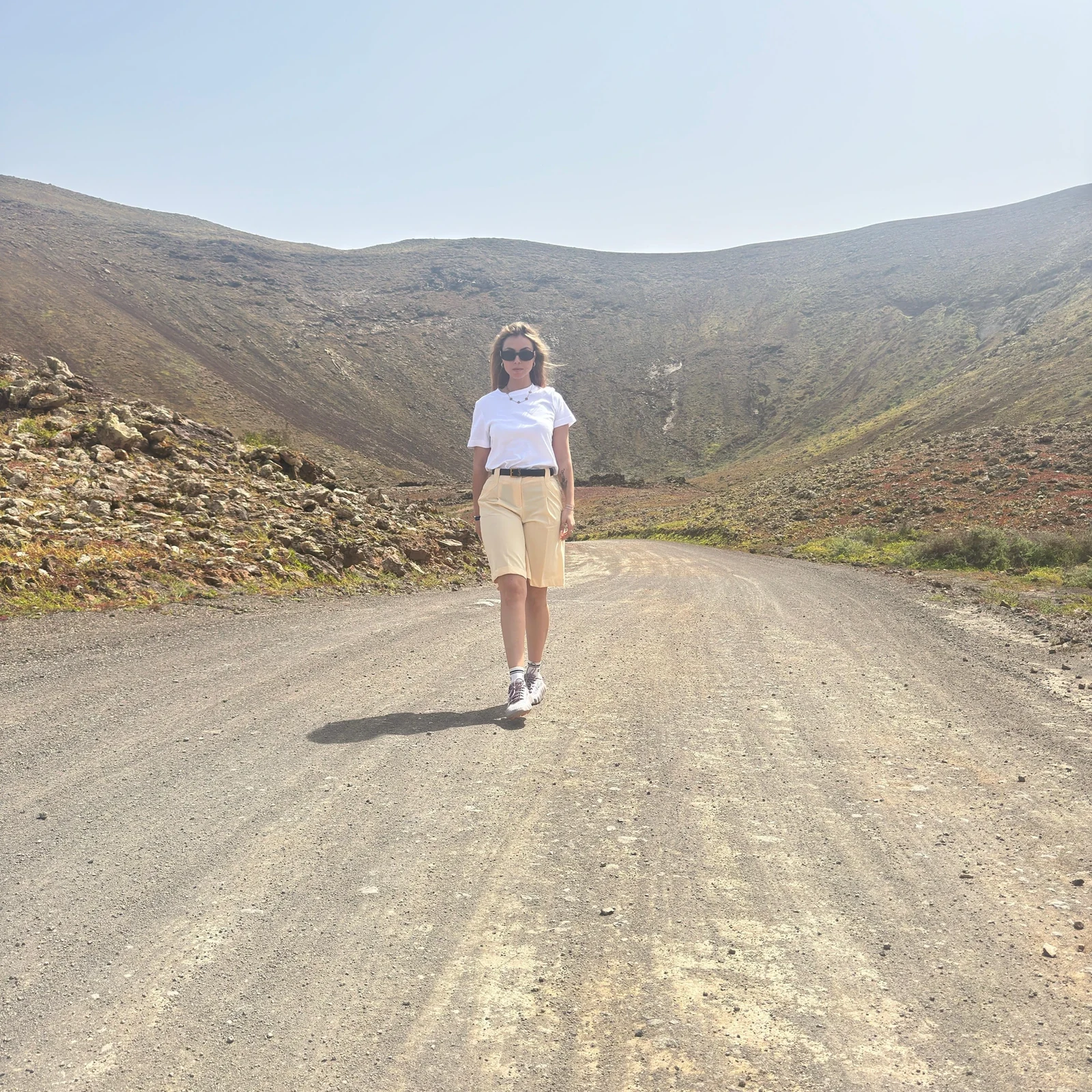 Activity on TourBookGo
Explore Fuerteventura’s photogenic locations over 8 hours, with pickup, a group of up to 8 and stops around Ajuy, Betancuria and Corralejo.
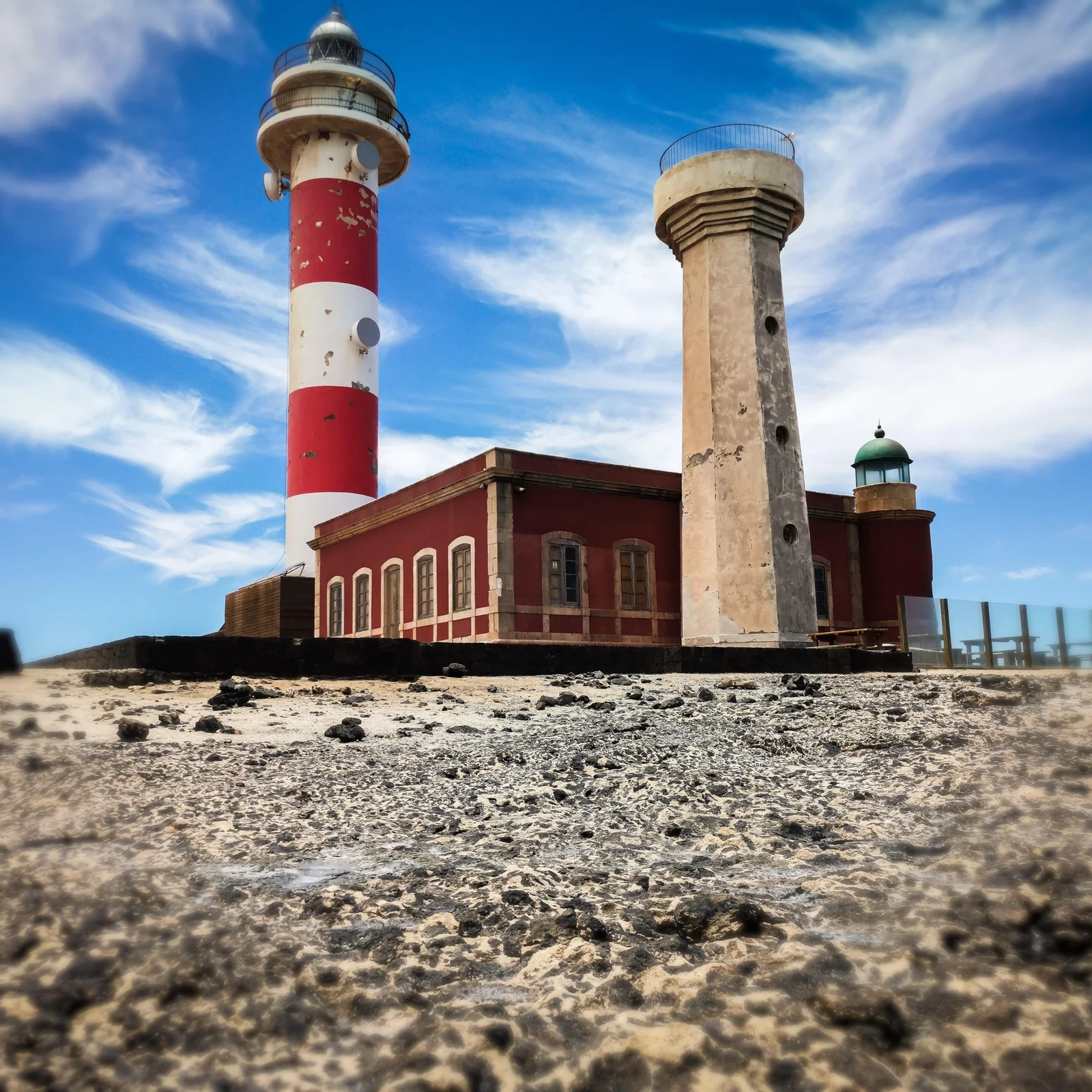 Activity on TourBookGo
Spend around 5 hours exploring Corralejo’s dunes, volcanic scenery and El Cotillo by minivan with a guide and no more than 8 participants.