 Activity on TourBookGo
Premium Gold Coast Whale Watching Cruise
Gold Coast whale watching from Main Beach with expert commentary, live underwater video and hydrophones, plus a free-return whale-sighting guarantee.
The best time to visit Gold Coast depends on the kind of trip you want. Summer brings hot sand, long afternoons and life centred around the ocean, while winter offers drier skies, mild temperatures and a noticeably quieter coastline.
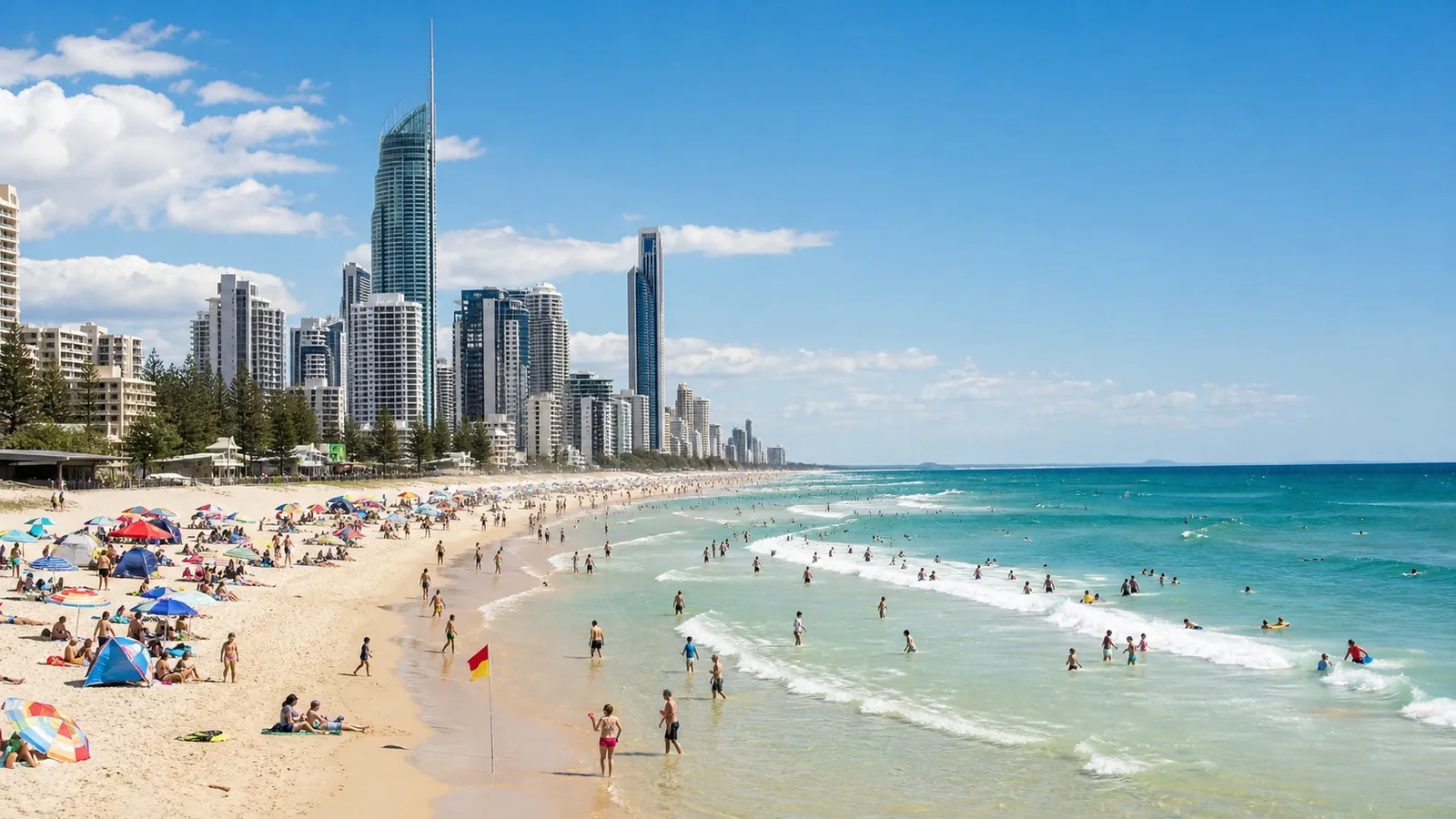
The best time to visit Gold Coast depends on whether you want warm beach days, dry weather for exploring nature or a quieter stretch of coastline. Summer brings the scenery many people picture before they arrive —hot sand, long afternoons and life centred around the ocean— but also higher humidity, more rain and periods of heavy crowds. Winter, by contrast, offers drier skies, mild temperatures and a noticeably quieter coastline, although the water and evenings are cooler. For most travellers, late April, May and September are among the best months to visit Gold Coast: temperatures are pleasant, conditions are good for exploring both the beaches and the hinterland, and there are fewer weather extremes than at the height of summer. September stands out in particular for its dry weather: at Gold Coast Seaway, historical data shows an average high of around 24°C and average rainfall well below summer levels.
Compare locations and options to find a base that suits your trip. Booking.com confirms current availability and pricing.
Find accommodation on BookingAustralian summer is warm and humid. Average highs are around 28–29°C, while lows remain close to 21–22°C. Gold Coast in summer is best suited to travellers looking for a holiday focused on the beach, swimming pools, surfing and a lively resort atmosphere.
But there is a less photogenic side. January and February are among the wettest months of the year, and the humidity can make the heat feel considerably more oppressive. Historically, February receives around 184 mm of average rainfall at Gold Coast Seaway, compared with roughly 43 mm in September. That does not mean it will rain throughout your trip; it simply means there is a greater chance of showers, thunderstorms and unsettled weather.
In addition, Australia’s summer school holidays last for several weeks around Christmas and January, making this one of the periods when booking accommodation and activities well in advance is particularly advisable.
Who is summer worth it for? Families tied to the school calendar, travellers looking for intense heat, and anyone who cares more about swimming than spending hours walking.
Who should think twice? Anyone who struggles with humidity, plans to do a lot of hiking in the hinterland or wants a relatively quiet Gold Coast.
Autumn is possibly one of the most underrated times to visit Gold Coast. March still retains much of summer’s warmth, but during April and May the heat begins to ease. Average highs fall from roughly 28°C in March to 23.6°C in May.
May is one of the best months to visit Gold Coast for a first trip. You can walk around Burleigh Head without feeling as though the sun is turning every climb into an endurance test, have breakfast outdoors, spend time at the beach and devote full days to the region’s lush hinterland. Anyone dreaming of a trip entirely focused on swimming and tropical heat will probably enjoy visiting a few weeks earlier.
Gold Coast in winter has little in common with a European winter. Average highs remain around 21–22°C, although nighttime lows can fall to around 12–13°C. It is also a considerably drier season; historically, July and August receive far less rainfall than the summer months.
It is an excellent time to combine the coast with nature. Walking to viewpoints, exploring the hinterland, wandering around Burleigh Heads or simply spending several hours outdoors is much more pleasant without summer’s humid heat. Tourism and Events Queensland also describes winter as a mild, dry season particularly well suited to outdoor activities.
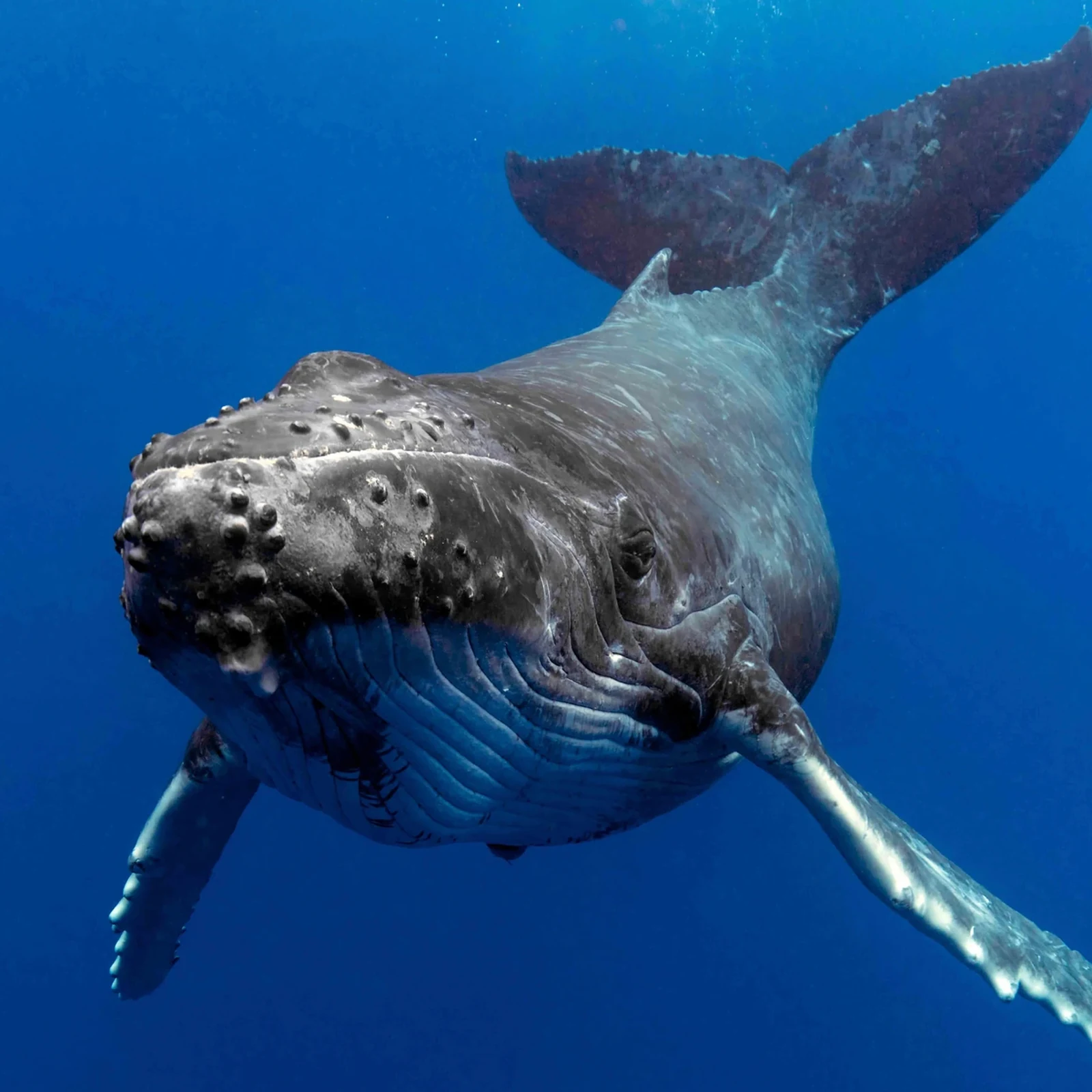
There is another attraction too: Gold Coast whale watching season is concentrated roughly between July and October, adding a compelling reason to keep an eye on the ocean during these months.
The downside is simple: if your idea of the Gold Coast involves spending all day in and out of the water, you may miss the warmer temperatures.

Gold Coast in September offers one of the most appealing balances of the year. The average high is around 24°C and, according to Gold Coast Seaway climate statistics, it is historically the month with the lowest average rainfall. October and November become progressively warmer, with average highs of approximately 25.5°C and 26.8°C respectively.
It is an especially attractive time for travellers who want beach weather without full summer heat, along with excursions and pleasant temperatures. As November progresses, however, humidity rises and certain dates begin to appear that can dramatically change the atmosphere in specific areas.
In 2026, for example, the official Schoolies Week will take place from 21 to 27 November, with Surfers Paradise as one of its main hubs. If you are looking for a youthful nightlife scene, it may be appealing; if you want to sleep early, enjoy a quiet couples’ trip or experience Surfers Paradise without large crowds of students, it is best to avoid those dates.
There is no single month that guarantees cheap accommodation: rates vary depending on weekends, school holidays, events and demand. If you are deciding when to visit Gold Coast with fewer crowds, it usually makes more sense to look for periods between school holidays and major events, especially during May, part of June or certain stretches of August and September.
Event dates can significantly change the atmosphere of a particular area. SeaFire, for example, held its 2026 edition in Surfers Paradise on 20 June, and organisers expected around 40,000 attendees —a good example of how even a relatively quiet month can have exceptionally busy weekends.
For a first trip, I would choose May or September. They are two of the best months to visit Gold Coast because you can experience two of its most appealing sides at once: the bright coastal city open to the Pacific and the lush green landscape that begins almost as soon as you leave the high-rises behind.
For heat and beach time, December to March offers higher temperatures, provided you are willing to accept greater humidity and more rain. For hiking, nature and dry days, June to August is more comfortable. To combine good weather with whale watching, July to October becomes especially appealing.
The Gold Coast does not require you to chase a week of perfect weather. What matters is choosing which version of the coast you want to experience: the lush, bustling summer, the bright calm of winter, or that middle ground in May and September when travelling tends to be noticeably easier.
Discover selected experiences in Gold Coast to complete this guide with beaches, nature, cruises, adventure, Australian wildlife and well-organised day trips.
Activity on TourBookGoGold Coast whale watching from Main Beach with expert commentary, live underwater video and hydrophones, plus a free-return whale-sighting guarantee.
 Activity on TourBookGo
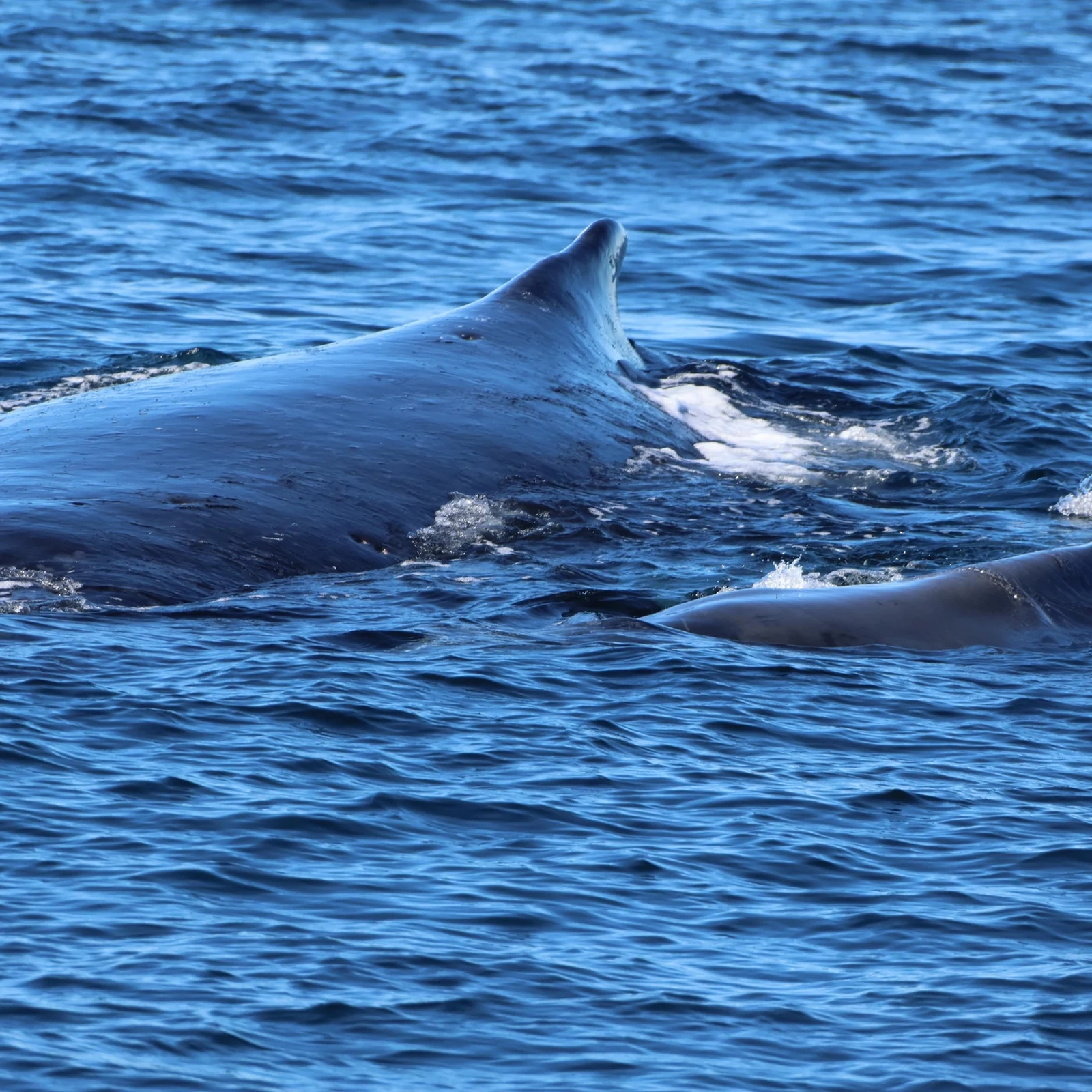
Book Gold Coast whale watching on a 2.5-hour cruise from Main Beach, with humpback whales, live English commentary and a free-return guarantee.
 Activity on TourBookGo
Gold Coast whale watching with Spirit of Gold Coast: a 2.5-hour cruise from Southport with a marine biologist, 360° decks and a free return trip if no whales are seen.