 Activity on TourBookGo
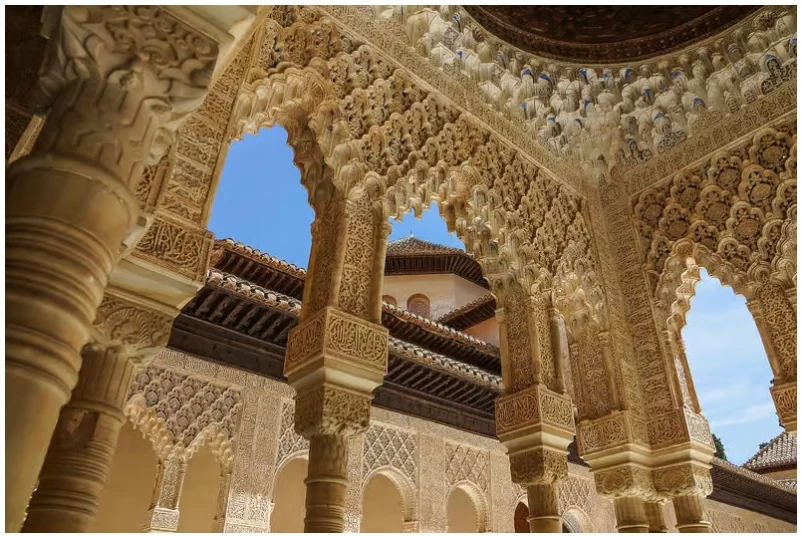
Alhambra Tour with Nasrid Palaces and official guide in Granada
Book an Alhambra tour with Nasrid Palaces, official guide and included ticket to visit the Alcazaba, Generalife and gardens in Granada.
A Granada travel budget can stay surprisingly reasonable if you walk, book early and choose where to eat with care. But the Alhambra, accommodation and high-demand dates can change the numbers quickly, especially if you leave the main decisions until the last minute.
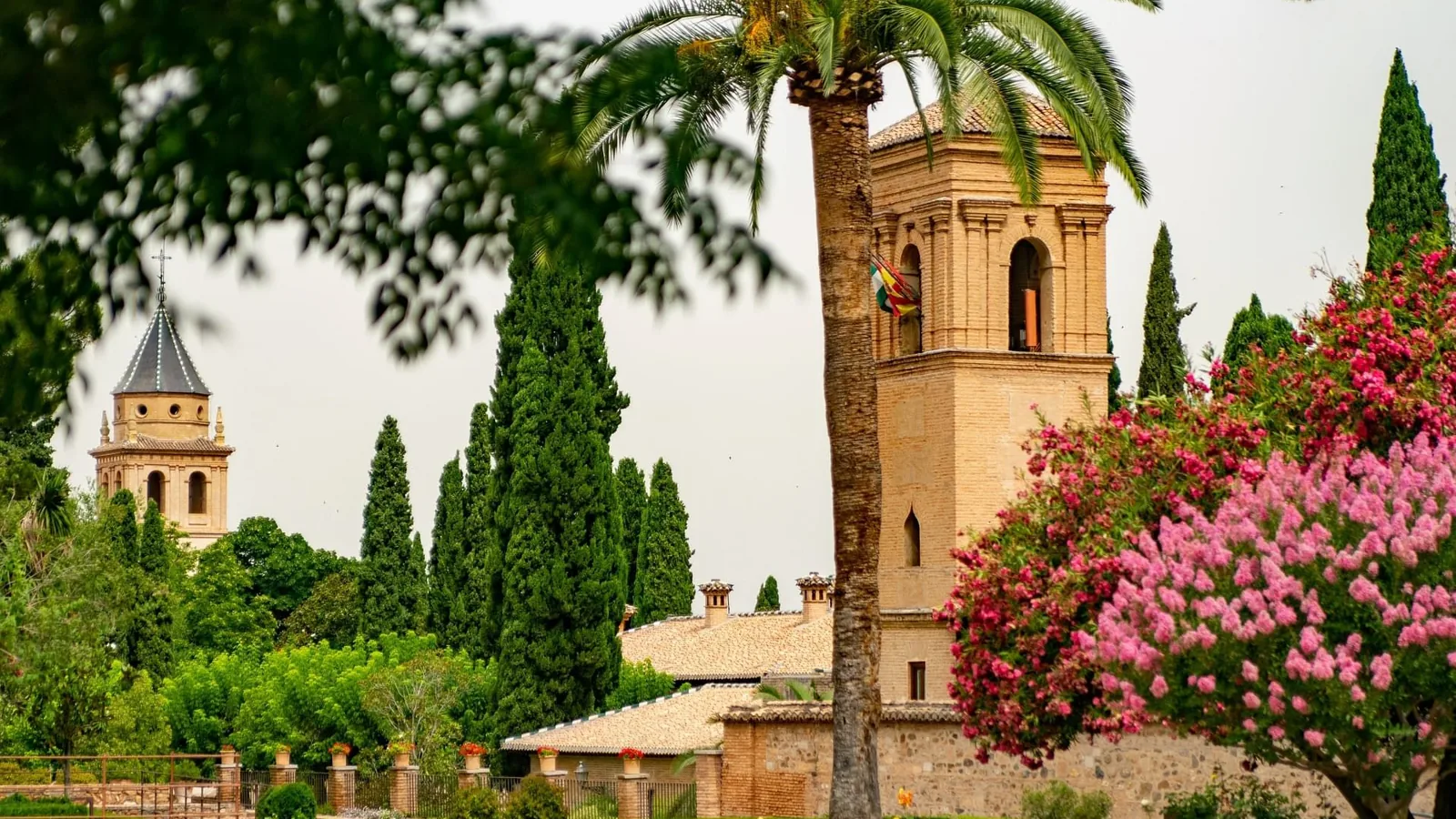
A Granada travel budget is easier to control than in many big cultural cities, because you can walk a lot, eat well without splurging and fill the day with neighbourhoods, viewpoints, churches, courtyards, hills and squares that do not charge an entrance fee. The catch is simple: travel in high season, book late or try to visit the Alhambra without planning, and Granada stops feeling quite so cheap.
Compare locations and options to find a base that suits your trip. Booking.com confirms current availability and pricing.
Find accommodation on BookingFor a realistic trip, not including transport to the city, these are the approximate ranges per person:
Budget: €55–€85 per day. Comfortable mid-range: €100–€160 per day. Charming, with room to spare: €180–€280 or more per day.
Budget travellers can stay in simple hostels or basic rooms, have breakfast in local cafés, make the most of tapas in Granada and visit only a few paid monuments. Mid-range travellers usually choose a decent hotel, eat a little better, visit the Alhambra and occasionally use the bus or a taxi. A higher budget comes into play with boutique hotels, terraces with views, refined restaurants, private guided tours or trips to Sierra Nevada.
Granada can seem cheap for accommodation on weekdays and outside long weekends, but it becomes much more demanding in spring, during Holy Week, on public holidays, on high-demand weekends and around dates linked to Sierra Nevada.
As a cautious estimate, a bed in budget accommodation may cost around €25–€45 per night. A simple double room is usually around €60–€110, while charming hotels, rooms with good views or places in prime locations can easily rise above €130–€180 per night.
Location matters. Staying in the centre makes it easier to walk and save on transport. The Albaicín is beautiful, with its whitewashed charm, old stone and viewpoints opening onto the Alhambra, but it can be uncomfortable with luggage and steep streets. Realejo is usually a balanced option: central, lively, less scenic than the Albaicín but very practical. If you are travelling by car, check parking carefully before booking; Granada is not a city where it is easy to improvise with a vehicle.
Granada has preserved a wonderful advantage: in many bars, a drink still comes with a tapa. This makes it possible to eat something light without spending much, although it should not be idealised. Not all tapas are generous, not all bars maintain the same quality and in the most touristy areas the experience can be more uneven.
A simple breakfast with coffee and toast may cost around €3–€6. A set lunch menu or a meal in a local bar usually falls between €12 and €18. An informal dinner with shared plates, wine or beer can come to around €18–€30 per person. In more carefully chosen restaurants, especially if you are looking for contemporary Granadan cuisine or atmospheric terraces, the budget rises easily.
The best way to save is not to eat less, but to choose well: neighbourhood bars, local eating times, markets, decent sandwiches at lunchtime and tapas dinners without turning every meal into a tourist experience.
The Alhambra is the major cultural expense and also the main reason not to improvise a trip to Granada. The official general ticket currently costs €22.27, while the visit to the Gardens, Generalife and Alcazaba costs €12.73; the Dobla de Oro General, which combines the Alhambra with Andalusian monuments in the Albaicín, is listed at €30.48.
The Granada Card can pay off if you want to visit several monuments and use public transport. It includes entry to monuments and public transport, and its 72-hour, 48-hour, 24-hour and Gardens options are priced from €50 to €60 depending on the type of card; it also includes 9 urban bus journeys.
For a low-cost trip, you do not need to pay for everything. Granada is wonderfully enjoyable on foot: Paseo de los Tristes, the Albaicín, Realejo, the viewpoints, Carrera del Darro and the small squares at dusk can be more memorable than a string of paid visits with no pause.
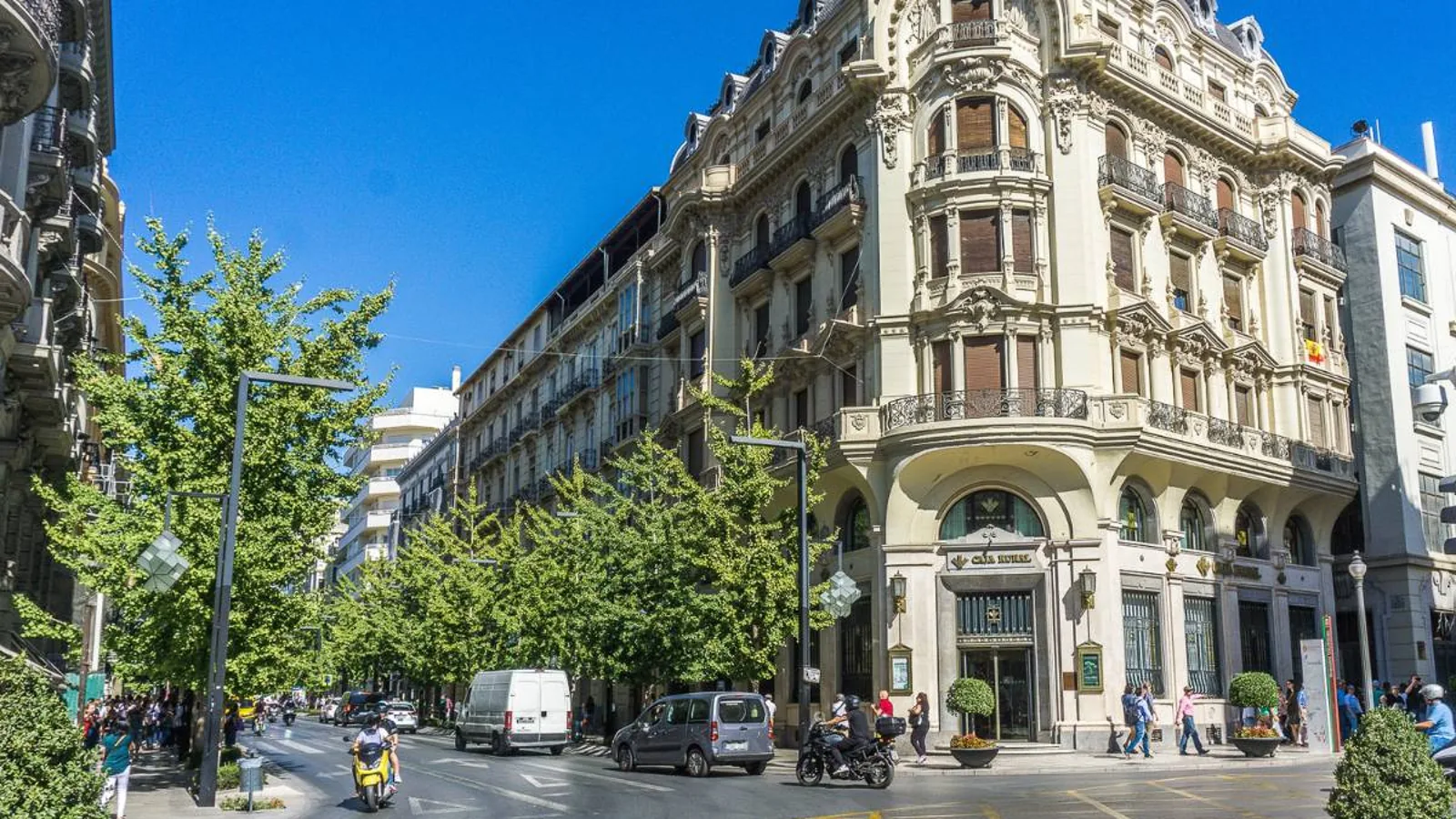
Granada is very easy to explore on foot if you stay in a central area. The problem is not distance, but the hills. Climbing up to the Albaicín or Sacromonte in the sun, when tired or with small children, can change the mood of the day.
A standard urban bus ticket costs €1.60, and there are passes such as the Credibús, with reduced fares of around €0.53–€0.54 depending on the top-up. From the airport, the line connecting with the centre takes approximately 45 minutes according to Aena; several current references place the ticket at around €3.10.
A taxi can be useful when arriving with luggage, at night or if your accommodation is on a high street in the Albaicín, but it should not be the basis of the trip. Granada is best understood by walking slowly, even if you sometimes have to give in and take a bus.
A budget 3-day trip can come to between €170 and €260 per person, not including transport to the city. This includes simple accommodation, moderate food spending, the Alhambra and few extras. For a mid-range style, a reasonable estimate would be €300–€480. With a special hotel and better restaurants, the trip can easily exceed €600.
Three days are enough to see the Alhambra, wander around the centre, go up to the Albaicín, explore Realejo and enjoy a night of tapas. It is the most balanced format for those travelling on a tighter budget.
For 5 days, a realistic budget option would be between €280 and €430. In the mid-range category, between €500 and €800. With more comfort, selected restaurants and an excursion, it can rise to €900–€1,300.
Five days allow you to breathe in the city more calmly: revisit viewpoints, enter more monuments, make time for Arab baths, flamenco or a nearby getaway. They also reduce that feeling of chasing after a checklist.
A budget week can fall between €400 and €600, as long as accommodation is kept under control. For a mid-range trip, calculate between €750 and €1,150. If you add pretty hotels, guided tours, good restaurants and trips outside the city, the budget can climb above €1,400.
Seven days make sense if you want to combine Granada with Sierra Nevada, the Alpujarra, Guadix or nearby villages. To see only the city, it may be too much time for some travellers, though not for those who enjoy slow travel.
The best way to save is to stay centrally but not necessarily on the most famous street, book the Alhambra in advance, walk a lot, use buses for the tough climbs and eat where Granadans eat, not just where travellers stand with phones in hand.
It is also worth avoiding a car if you do not need one. Between parking, restrictions, narrow streets and complicated accommodation access, it can end up costing more than the freedom it offers.
Granada rewards the attentive traveller: a sunset from a viewpoint, a simple tapa at a noisy bar, the smell of tea and spices around Calderería, the cool shade of an open church, the Alhambra glowing on the hill. Many of its best scenes cost nothing. But the ones that do — above all the Alhambra and accommodation — are worth planning carefully.
Granada remains a fairly wallet-friendly city compared with other major cultural destinations in Spain. But it is not automatically cheap. It can be economical for those who walk, book early and eat wisely. It can be expensive for those who arrive on a weekend, book late, park in the centre, buy last-minute tickets or want to turn every meal into a restaurant with a view.
It is very worthwhile for cultural travellers, couples, history lovers, students, 3- or 4-day breaks and people who enjoy getting lost on foot. It may not be so comfortable for those who hate hills, travel with reduced mobility without planning ahead, want a nearby beach or expect a quiet city in high season.
Granada does not require a fortune to move you. But it does ask for something more valuable than money: patience, good shoes and the wisdom not to try to see everything at once.
Compare experiences in Granada and choose plans that match your budget, priorities and available time.
Activity on TourBookGoBook an Alhambra tour with Nasrid Palaces, official guide and included ticket to visit the Alcazaba, Generalife and gardens in Granada.
 Activity on TourBookGo
Book the Cueva La Faraona flamenco show Granada in a Sacromonte cave. One-hour intimate performance from EUR 16 with free cancellation 24 hours ahead.
 Activity on TourBookGo
Book a hammam with massage in Granada at Baños de Elvira: thermal circuit, relaxing massage, tea, fruit, juice and chocolates in the city centre.