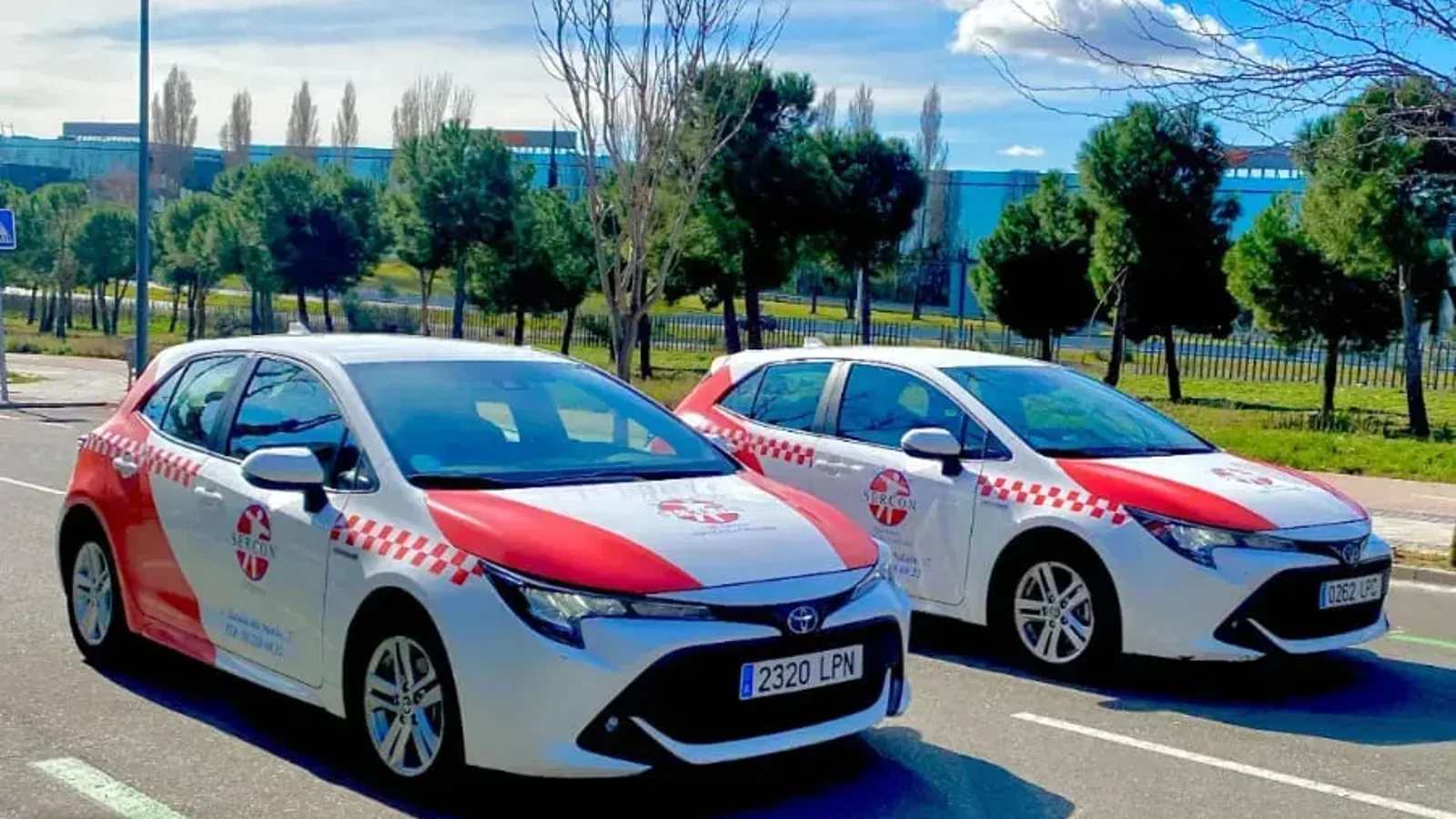


Book an Alhambra tour with Nasrid Palaces, official guide and included ticket to visit the Alcazaba, Generalife and gardens in Granada.
View experienceIs Granada safe to visit during the day?
During the day, Granada usually feels welcoming: the Cathedral area, the Alcaicería, Plaza Nueva, Reyes Católicos, the Realejo and the surroundings of the Alhambra bring together travellers, shops, terraces and a strong urban presence. The main risk is usually not violence, but losing a phone left on a table, leaving a backpack open, keeping a wallet in a back pocket or walking distractedly through large groups of people.
Part of Granada’s charm lies in its maze-like streets: lanes climbing towards the Albaicín, whitewashed alleyways, small squares and unexpected staircases. That beauty calls for a little attention. Not every route feels equally comfortable after dark, and the shortest way is not always the most pleasant.
Not every route feels equally comfortable after dark, and the shortest way is not always the most pleasant.
Areas in Granada where extra care is advisable
Centre, Cathedral and Alcaicería These are very busy areas and, for that very reason, places where it makes sense to keep an eye on bags, cameras and phones. It is not somewhere to be afraid, but it is worth avoiding careless habits: leaving your phone on a table, hanging your bag over the back of a chair or walking through a crowd with an easy-to-open backpack.
Albaicín and Sacromonte The Albaicín is one of Granada’s most beautiful neighbourhoods, but also one of the trickiest to navigate: steep streets, quiet corners, limited lighting in some sections and routes that can feel confusing at night. To visit viewpoints such as San Nicolás, it is best to go during the day or at sunset and return along main streets or by transport if you do not know the area well.
Sacromonte has a unique atmosphere, with caves, views and echoes of flamenco, but at night it is wise to move around with some judgement, especially when travelling alone or after drinking. It is not a question of avoiding it, but of not improvising too late along poorly frequented paths.
To visit viewpoints such as San Nicolás, it is best to go during the day or at sunset and return along main streets or by transport if you do not know the area well.
Stations, transport and luggage
As in any tourist city, arrival and departure moments require extra care: the train station, bus station, stops, taxis, accommodation entrances and places where travellers are carrying luggage and may be distracted. Keep your luggage in sight, carry closed bags in front of you on public transport and avoid withdrawing cash from isolated or poorly visible cash machines.
Keep luggage under control at all times, carry closed bags in front of you on public transport and be careful when withdrawing money from cash machines.
Is Granada safe at night?
Granada has a lively nightlife. The university city mixes with tourism, tapas, bars and central streets that stay awake when the Alhambra has already become a shadow on the hill. In the main areas, walking at night is usually reasonable if you behave normally: do not show valuables, do not get into arguments, do not accept strange proposals and do not return alone through unfamiliar alleyways if you have lost your bearings.
Night feels different on the slopes and in the upper neighbourhoods. The Albaicín can be beautiful under the streetlights, but also quieter and more confusing. On a first visit, it is better to return along known routes or use a taxi, city bus or authorised transport.
On a first visit, it is better to return along known routes or use a taxi, city bus or authorised transport.
Solo female travellers and families
Granada can be a good city for women travelling alone, provided they apply the usual common sense: choose well-located accommodation, avoid returning alone through dark streets, let someone know when going out at night and do not trust overly insistent strangers. The overall feeling is usually calm, but the combination of tourism, nightlife and maze-like streets calls for attention.
For families, Granada is safe, although not always easy. The Albaicín’s hills, uneven paving, summer heat and distances within the Alhambra can be tiring for small children and older people. Safety here is not only about crime: it also means not planning unrealistic days.
Safety here is not only about crime: it also means not planning unrealistic days.
Common mistakes to avoid
One of the most common mistakes is thinking that Granada can be explored effortlessly. Distances may look short on the map, but the slopes can completely change the experience. Another mistake is visiting viewpoints at dusk without knowing clearly how to get back. It is also worth being wary of unofficial services, checking the real location of accommodation carefully and not booking only because it is “close to the centre”: in Granada, a nearby street can still involve a serious climb.
In terraces and bars, it is better to keep your bag between your feet or across your body, not over the back of a chair. At cash machines, withdraw money in visible places and put your card away before moving off. And in very touristy areas, any overly theatrical distraction — a stain, a persistent question, a sudden crowd — deserves distance.
In Granada, a nearby street can still involve a serious climb.
How safety changes by season
In spring and autumn, Granada usually shows its most pleasant side: lots of street life, more comfortable temperatures and enjoyable walks. During Easter Week, long weekends, busy weekends and high season, the centre can become quite crowded, and crowds increase the risk of opportunistic theft.
In summer, the main issue is not just urban safety, but the heat. Walking uphill at midday or waiting too long to visit the Alhambra can turn a beautiful day into an exhausting experience. In winter, the streets may be quieter at night, so it is worth choosing return routes more carefully.
In summer, the main issue is not just urban safety, but the heat.
What to do if you have a problem
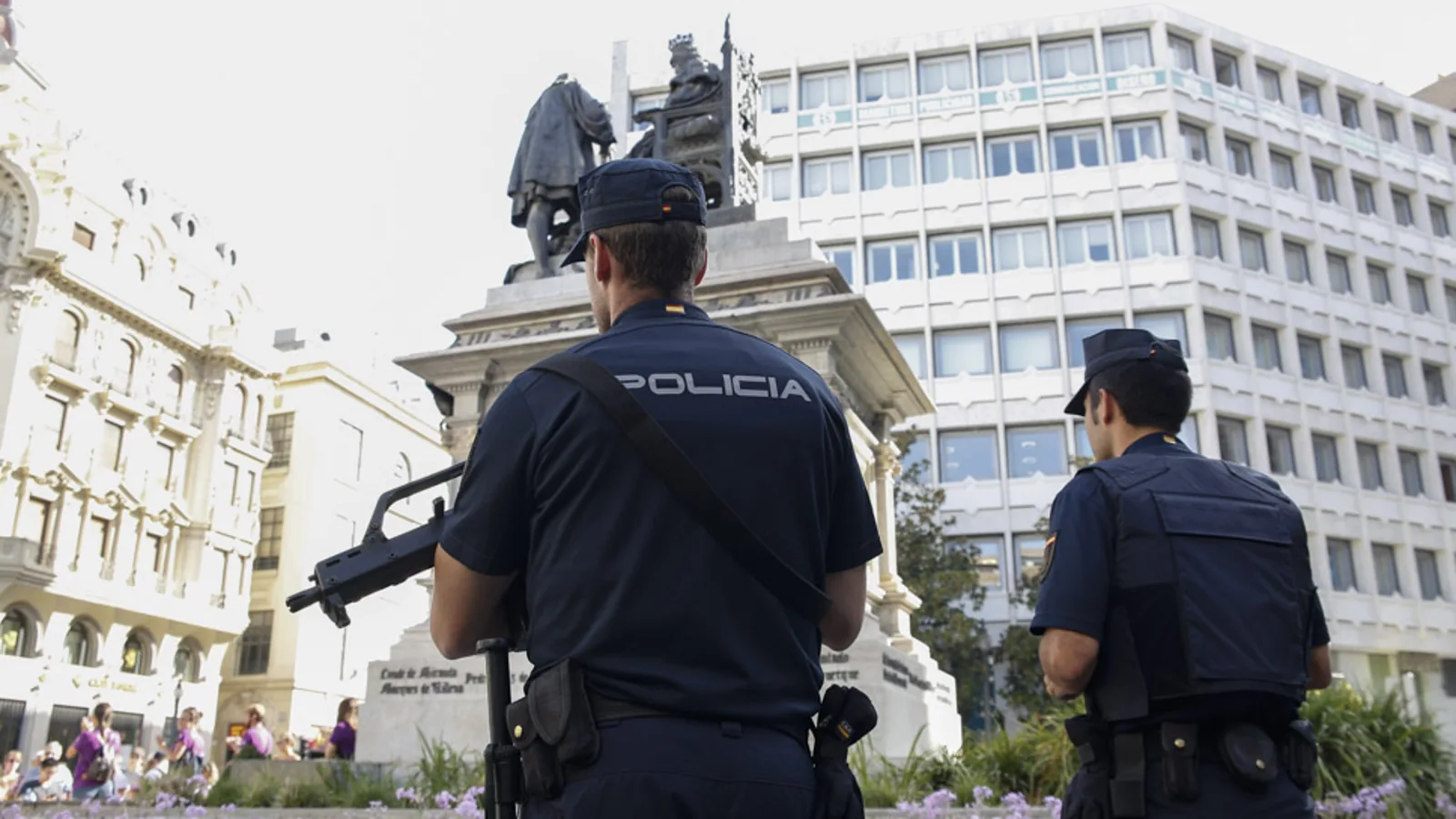
In Spain, the general emergency number is 112. For police matters in Granada, you can contact the Local Police or the National Police depending on the situation. If you suffer a theft, lose documents or need to report an incident, the most sensible step is to ask your accommodation for help, go to a police station or call emergency services if the situation is urgent.
In Spain, the general emergency number is 112.
So, is Granada safe to visit?
Yes, Granada deserves to be considered a safe city for most travellers. It is welcoming, walkable, intense and bright, with an urban life that helps you feel surrounded. But it requires common sense: looking after belongings, choosing night routes carefully, not underestimating the hills and remembering that the most beautiful areas can also be the most confusing after dark.
Granada does not ask for fear. It asks for attention. And when you visit it that way, with open eyes and a steady step, the city usually responds with the best it has: the light on the red stone of the Alhambra, the smell of tea and spices in the narrow streets, the voices in the squares and that mix of beauty and reality that makes the journey memorable without needing to idealise it.
Granada does not ask for fear. It asks for attention.