 Activity on TourBookGo
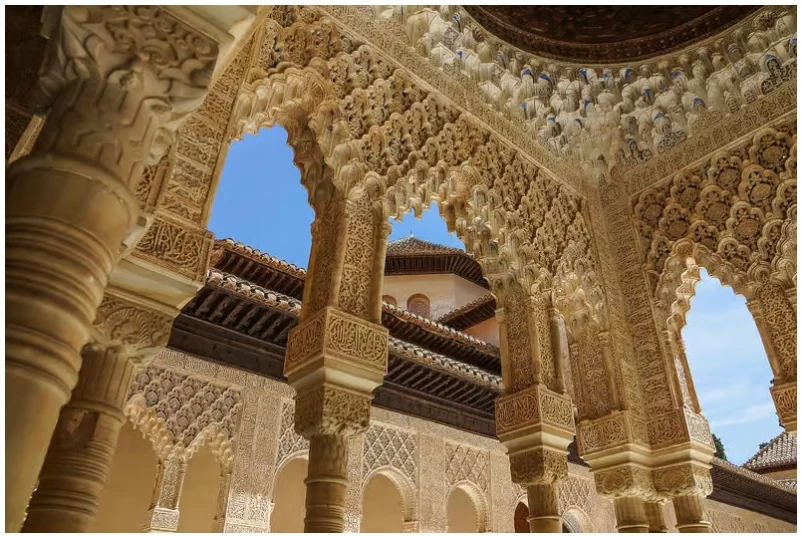
Alhambra Tour with Nasrid Palaces and official guide in Granada
Book an Alhambra tour with Nasrid Palaces, official guide and included ticket to visit the Alcazaba, Generalife and gardens in Granada.
Yes, Granada is worth visiting, but not only because of the Alhambra. It is monumental, intense, imperfect and deeply Andalusian, a city whose beauty is best enjoyed with time, sensitivity and a little planning.
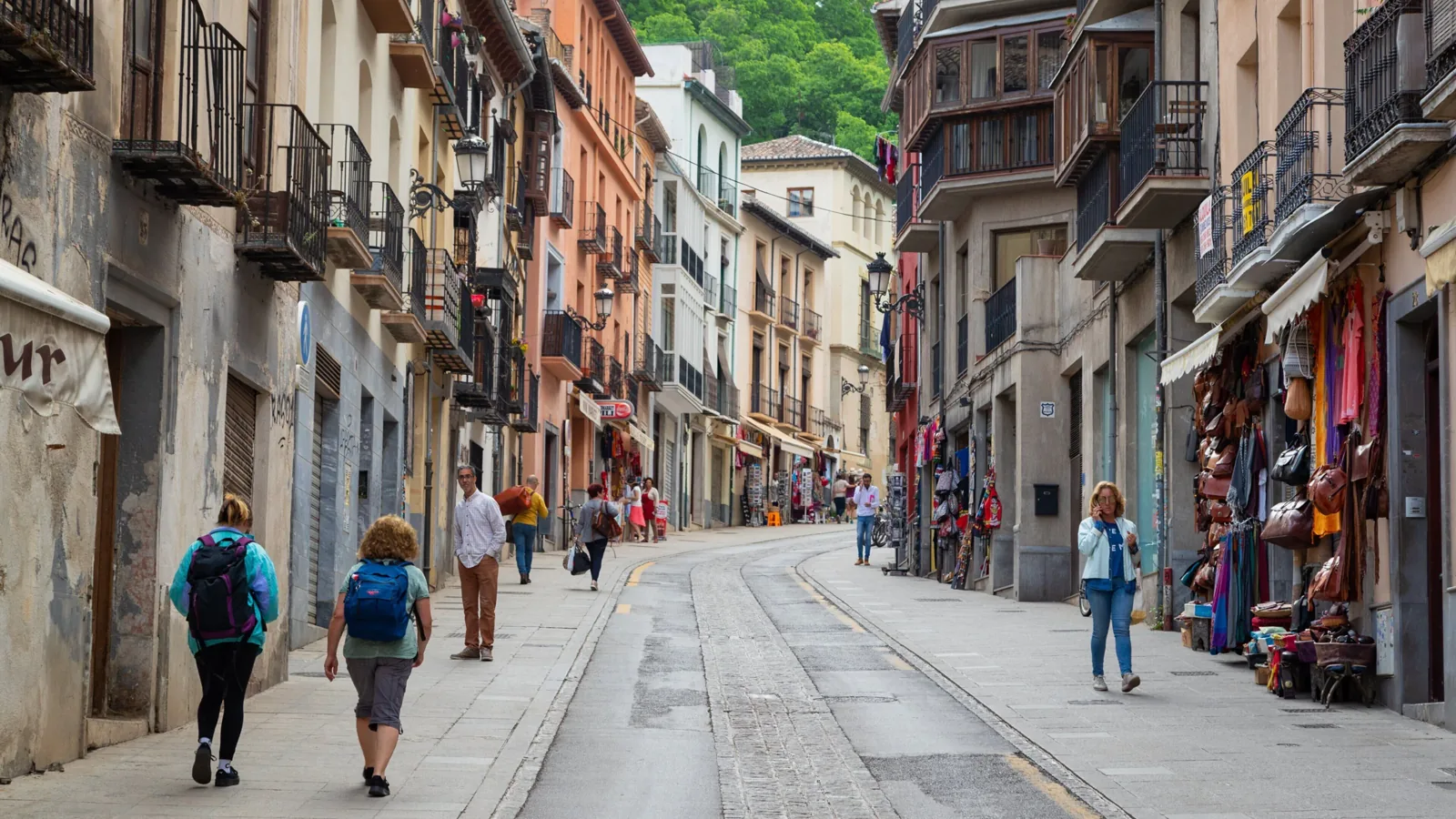
Is Granada worth visiting? Yes, but not only for the quick reasons people usually repeat. It is not just the city of the Alhambra, although the Alhambra hangs over it like an ancient crown of water, stone and silence. Granada is worth it because it brings together something hard to find: obvious monumental beauty and an urban life that is still intense, young, imperfect and Andalusian, with streets that climb without warning, bars where time stretches out, and neighborhoods where every viewpoint seems to argue with the sunset. But it is worth saying from the start: Granada is not a comfortable city for everyone. It can be crowded, especially around the Alhambra, Plaza Nueva, the Albaicín and the most famous viewpoints. It has serious hills, narrow streets, harsh summer heat and an increasingly delicate relationship between tourism and local life in some historic neighborhoods. The Alhambra, the Generalife and the Albayzín are part of the UNESCO World Heritage List, and that recognition helps explain both their exceptional value and the tourist pressure they endure.
Compare locations and options to find a base that suits your trip. Booking.com confirms current availability and pricing.
Find accommodation on BookingGranada has a different kind of light. In the morning, the golden stone of the Alhambra seems to float above the cypresses; at dusk, the Albaicín turns white, pink and blue, as if the houses were breathing in the last brightness of the day. In winter, the Sierra Nevada appears in the background covered in snow; in spring, the patios and cármenes release the scent of jasmine, orange blossom and damp earth.
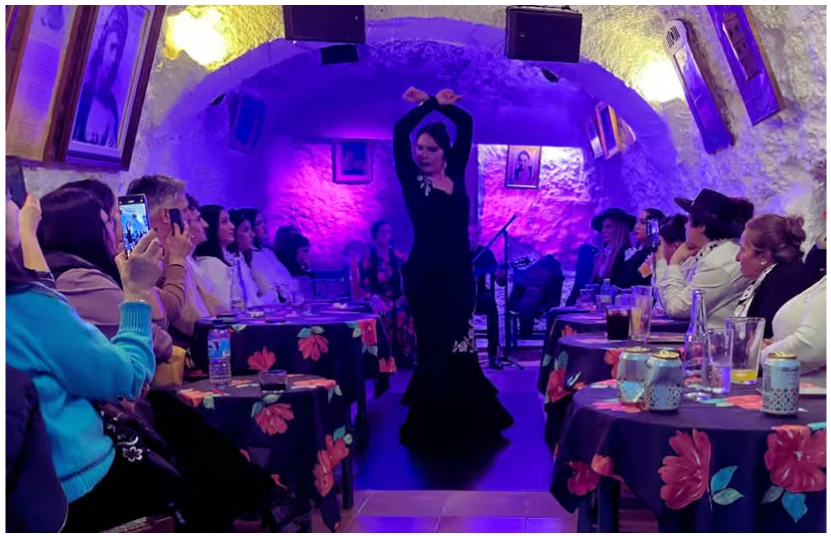
The city has layers: Nasrid Granada, Christian Granada, university Granada, the Romani Granada of Sacromonte and the everyday Granada of markets, squares and taverns. That mixture is its greatest strength. You can visit a medieval palace in the morning, lose yourself in cobbled alleyways at midday and end the night listening to flamenco in a cave, although here too it is worth choosing carefully: not everything offered to visitors preserves the same authenticity.
Visiting the Alhambra in Granada would already be a powerful reason to travel. Even so, it is not something to leave to chance: to enter the monumental complex, visitors need a ticket with QR code, an original identity document or passport, and must strictly respect the assigned entry time for the Nasrid Palaces. In high season, planning this visit well can make the difference between enjoying it calmly and rushing through it.
Granada is ideal for those who enjoy walking, observing and letting themselves be carried along by history. It is especially worthwhile for cultural travelers, couples, lovers of architecture, photography, simple food and cities with character. It also works very well for a two- or three-day getaway, because its historic center lets you experience a great deal without covering long distances.
It is a particularly rewarding city for those who know how to travel slowly. Granada is not understood only by entering monuments: it is understood by climbing up to the Albaicín without rushing, by hearing a guitar drifting out of a window, by having a drink in a small square, by looking at the Alhambra from afar before seeing it from within.
Granada may disappoint those looking for absolute comfort, wide avenues, an immediate beach or a city without crowds. It can also be tiring for people with reduced mobility if they want to explore the Albaicín or Sacromonte in depth, where slopes, steps and cobblestones are part of the landscape.
Anyone traveling in the middle of summer should be prepared for intense heat, especially at midday. And anyone expecting a secret or little-touristed city should adjust their expectations: Granada is famous, and in certain places it shows. In recent years, moreover, the Albaicín has experienced tensions due to overcrowding, the increase in tourist accommodation and the difficulties some residents face in maintaining a normal daily life. Traveling to Granada also means respecting these neighborhoods, which are not stage sets but lived-in places.
For a first visit, two or three full days is reasonable.
With one day, Granada may feel like too little: you will see the Alhambra and take a walk through the center, but you will barely breathe in the city. With two days, you can already combine the Alhambra, the Albaicín, the Cathedral, the Royal Chapel, Carrera del Darro and a viewpoint or two. With three days, the experience improves greatly: Sacromonte comes into play, perhaps an Arab bath, more time to eat well and space to discover less obvious corners.
A week is only worth it if you want to use Granada as a base for excursions around the province, Sierra Nevada, the Alpujarra or nearby villages.
Granada can be relatively affordable compared with other major cultural destinations in Spain, but it is not always cheap. Staying in the center or in accommodation with views can become quite expensive during long weekends, weekends, Easter Week, public holidays and high season. Eating can still be reasonable if you move away from the most touristy places, although the most photogenic areas often charge for their charm.
The biggest emotional cost, more than the financial one, is usually planning the Alhambra: you need to book in advance, choose the right type of ticket and not arrive late for entry to the Nasrid Palaces. If your trip depends on that visit, it is worth checking times, availability and official conditions before fixing the rest of your itinerary.
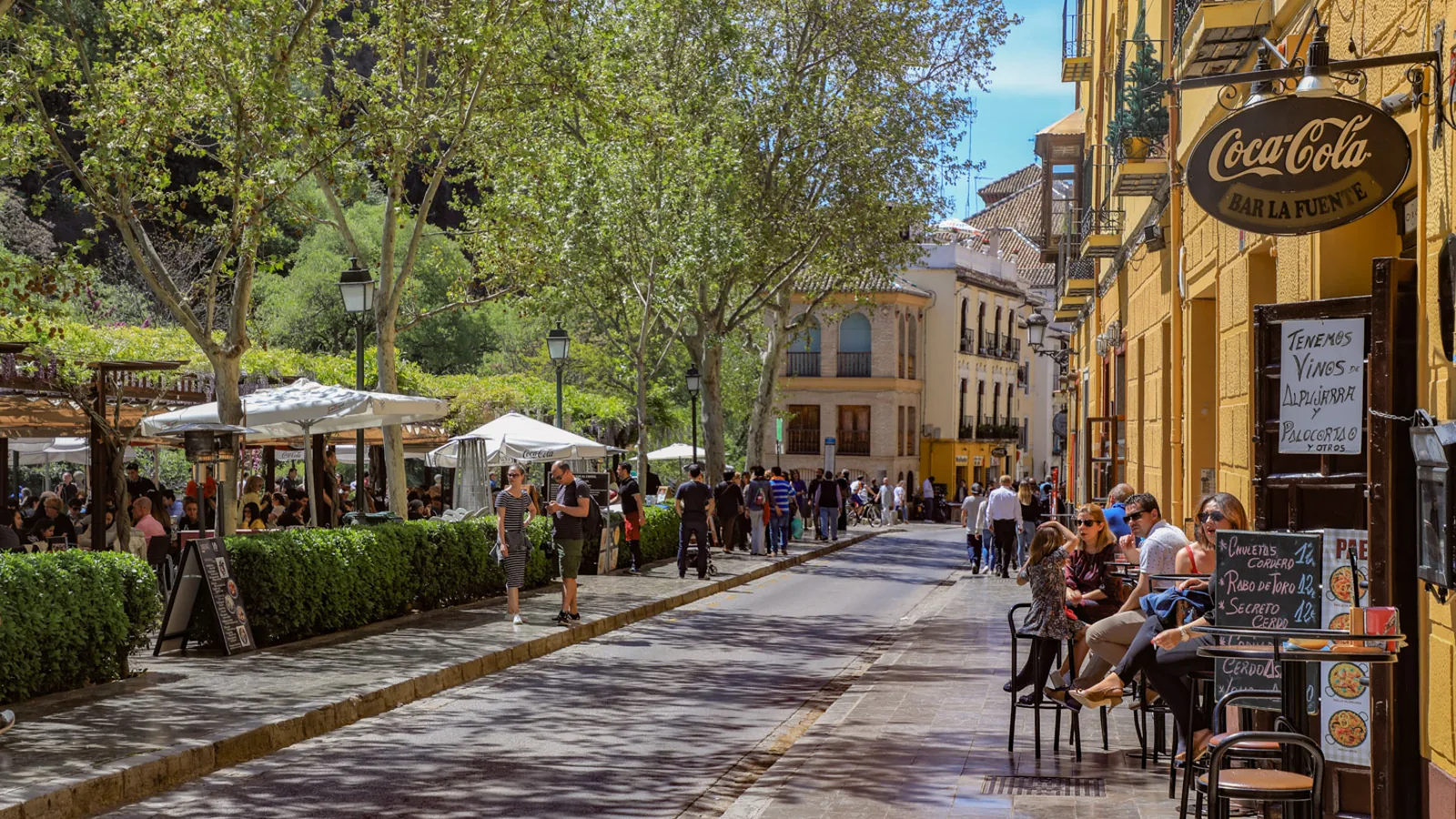
The best thing is its intensity. Few cities concentrate so much in such a small space: the geometric delicacy of the Alhambra, the irregular white of the Albaicín, the drama of Sacromonte, churches built over former mosques, packed bars, students, tea houses, viewpoints and that mountain backdrop that changes the scale of everything.
It is also a very walkable city if you are in good shape. Not because it is flat, but because every route brings a reward: a façade, a patio, a silent slope, an unexpected view of the red palace between rooftops.
The crowds at the most famous sites may disappoint, as may some restaurants too heavily geared toward tourists, certain flamenco shows conceived more as a quick product than as a cultural experience, and the feeling that some corners of the Albaicín have lost part of their neighborhood life.
It is also worth knowing that Granada demands physical energy. Distances are not always long, but the hills change the level of fatigue. In summer, that combination of slopes, hot stone and sun can turn a beautiful route into a small endurance test.
Spring and autumn usually offer the most balanced version of Granada: good light, milder temperatures and a lively city without the extreme heat. Winter has a special charm, especially if the Sierra Nevada appears snow-covered in the background, although the days are shorter and some nights can be cold. Summer can work if you organize visits early, rest at midday and save the evenings for viewpoints, gentle walks and outdoor dinners.
Yes, Granada is worth visiting. Very much so. But it is worth it if you visit with time, sensitivity and some planning. It is not a city to consume in a hurry, nor to reduce to a photo from San Nicolás. Its beauty is in the Alhambra, of course, but also in the silences of the Darro, in the shadows of the Albaicín, in a simple tapa, in a hill that takes effort to climb, and in that mixture of splendor and wear that belongs to cities that are truly lived in.
Granada is not perfect. That is precisely why it feels so human. And when you look at it without rushing, with respect and without expecting everything to be comfortable, it leaves a mark that is hard to erase.
Discover what makes Granada special through selected experiences that reveal its culture, history and local life.
Activity on TourBookGoBook an Alhambra tour with Nasrid Palaces, official guide and included ticket to visit the Alcazaba, Generalife and gardens in Granada.
 Activity on TourBookGo
Book the Cueva La Faraona flamenco show Granada in a Sacromonte cave. One-hour intimate performance from EUR 16 with free cancellation 24 hours ahead.
 Activity on TourBookGo
Book a hammam with massage in Granada at Baños de Elvira: thermal circuit, relaxing massage, tea, fruit, juice and chocolates in the city centre.