 Activity on TourBookGo
Hiroshima and Miyajima Tour in 6 Hours with a Local Guide
Explore two UNESCO highlights on a Hiroshima and Miyajima tour with a local guide, JR train, ferry, tram and key admission tickets included.
A Hiroshima travel budget can be more manageable than you might expect: admission fees are low, public transport is straightforward, and many essential sights are free. Most spending goes towards accommodation, trips beyond the city, and the small culinary temptations that add up between oysters, okonomiyaki, coffee, and sweets on Miyajima.
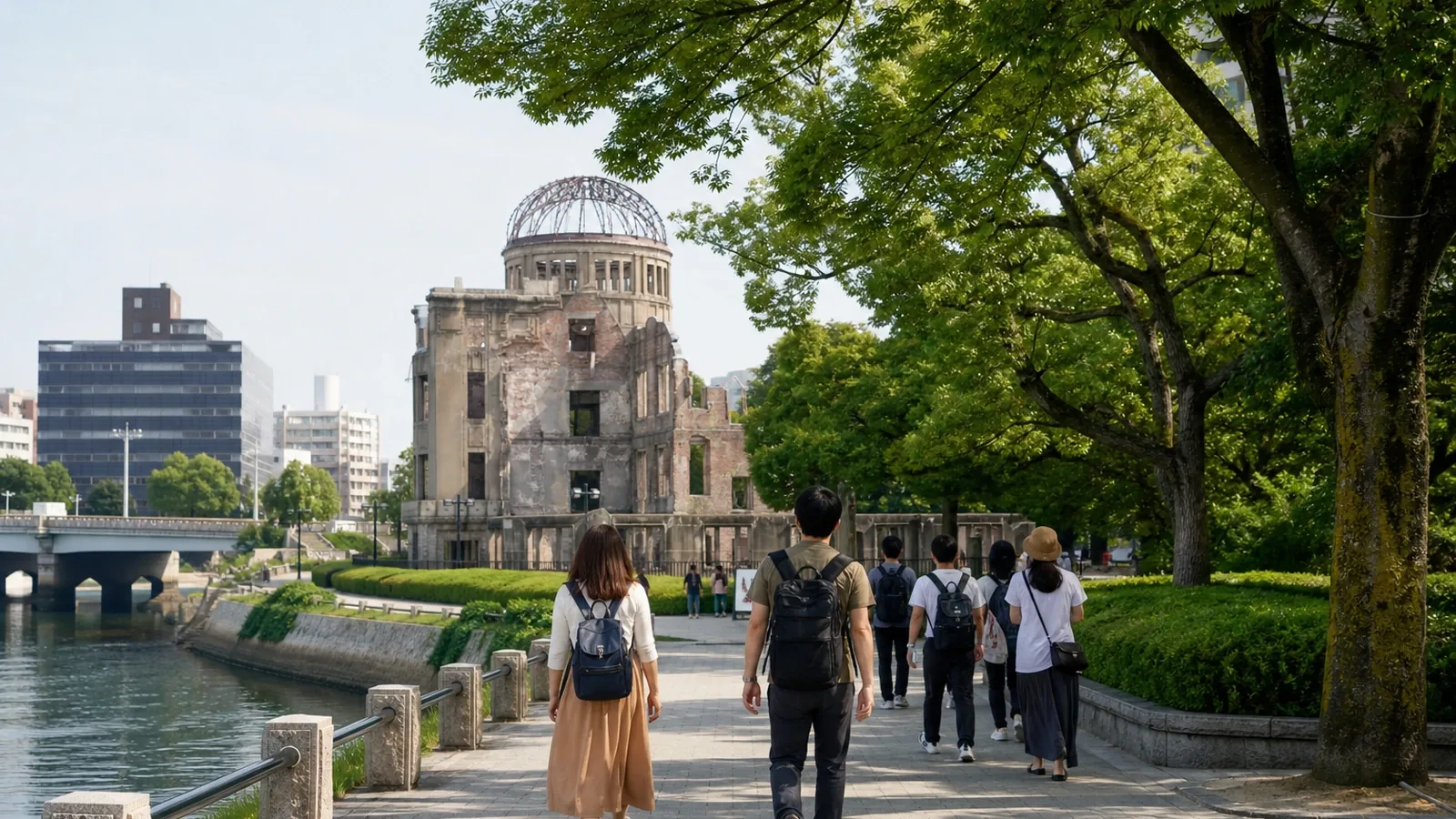
When estimating how much a trip to Hiroshima costs, remember that you can walk beside the rivers, admire the Atomic Bomb Dome, explore Peace Memorial Park, and experience the city’s everyday rhythm without paying an admission fee. Even the Peace Memorial Museum remains inexpensive—200 yen for adults in 2026—which is unusual for an institution of such historical importance.
Compare locations and options to find a base that suits your trip. Booking.com confirms current availability and pricing.
Find accommodation on BookingThese figures are estimates per person designed to help you calculate your Hiroshima trip cost. They do not include travel from Tokyo, Osaka, Kyoto, or another Japanese city and should not be treated as guaranteed prices: accommodation rates can vary considerably depending on the season, day of the week, and how far in advance you book.
Budget: 8,000–13,000 yen per day. This covers a hostel or basic accommodation, casual meals, streetcars, and essential sightseeing.
Comfortable: 16,000–27,000 yen per day. This covers a mid-range hotel, varied restaurants, a trip to Miyajima, and an additional activity.
High-end: from 35,000 yen per day. This covers a superior hotel, refined dining, taxis, excursions, or a night in a ryokan.
As a general reference, Japan’s national tourism office places hostel beds at around 3,000 yen, budget hotels from approximately 6,000 yen, and mid-range double rooms from about 10,000 yen. These are nationwide guideline figures; in Hiroshima, it is wise to book well ahead during periods of high demand.
Budget accommodation: 3,500–7,000 yen. Hostels, capsule hotels, and simple guesthouses can help keep your Hiroshima travel budget under control. The trade-off may be a very small room, shared bathrooms, or a location some distance from Peace Memorial Park.
This option works well for solo travellers and those who spend most of the day out exploring. Anyone who needs quiet, enough space to open a large suitcase, or greater privacy should allocate a little more to accommodation.
Functional hotel: 7,000–15,000 yen. Japanese business hotels typically offer small but efficient rooms, private bathrooms, and good transport connections. In Hiroshima, they provide one of the best balances between comfort and price.
Staying near the station makes arrivals and day trips easier. Accommodation around Hatchobori, Hondori, or Peace Memorial Park offers more atmosphere in the evening, although prices may be higher on certain dates.
Superior hotel or ryokan: from 18,000 yen. Spacious rooms, international hotels, and especially a traditional overnight stay on Miyajima can quickly increase the budget. A ryokan with dinner and breakfast should not be compared with the price of a room alone: part of the cost reflects the dining experience and level of service.
It is worthwhile for travellers who value a peaceful night on the island after the day-trippers have left. It may disappoint those expecting Western-style luxury, large beds, or complete freedom over schedules.
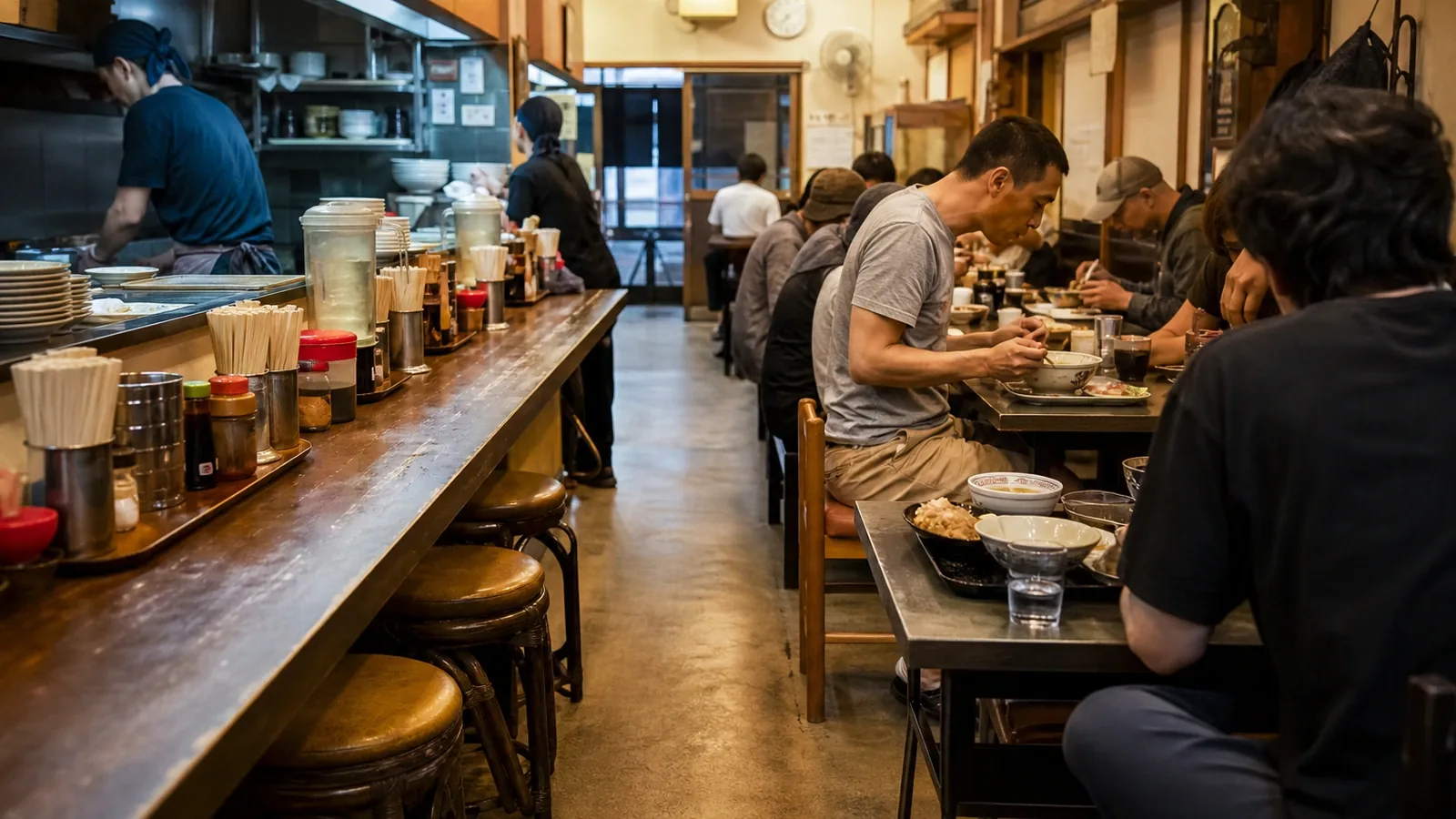
Budget: 2,500–4,000 yen per day. You can have breakfast at a convenience store or simple café, eat ramen, curry, or a set lunch, and enjoy okonomiyaki for dinner without visiting sophisticated restaurants.
Japan has a wide range of casual establishments—shokudo diners, izakaya, conveyor-belt sushi restaurants, and okonomiyaki venues—where you can eat well without turning every meal into an expensive occasion.
Comfortable budget: 5,000–8,000 yen per day. This range allows you to try Hiroshima oysters, fish from the Seto Inland Sea, a good okonomiyaki, desserts, and perhaps a drink. On Miyajima, it is easy to spend more than expected because food stalls and tempting snacks appear constantly along the streets near the shrine.
Special dining: from 10,000 yen per day. A multi-course dinner, ingredient-focused restaurants, or a ryokan serving kaiseki cuisine can turn food into the largest expense of the trip. You do not need to spend this much to eat well; it only makes sense when gastronomy is a central part of the experience.
The streetcar is one of the most pleasant ways to discover Hiroshima: it moves unhurriedly through avenues, bridges, and everyday neighbourhoods. A single adult fare costs 240 yen. The one-day streetcar pass costs 700 yen, while the streetcar-and-ferry pass to Miyajima costs 1,000 yen and includes the island visitor tax, although it uses a specific ferry operator and does not cover JR trains.
The main admission fees are modest: Peace Memorial Museum, 200 yen; Itsukushima Shrine, 300 yen; shrine and Treasure Hall, 500 yen; Miyajima Ropeway, 2,000 yen round trip.
The ropeway is one of the expenses that most divides travellers. It is worthwhile when the sky is clear and you want to admire the Seto Inland Sea from above. In fog, heavy rain, or when time is limited, it may feel like an unnecessary expense.
Budget: 24,000–39,000 yen per person. Comfortable: 48,000–81,000 yen per person. High-end: from 105,000 yen per person.
Three days are enough to explore Peace Memorial Park without rushing, discover central Hiroshima, and devote a full day to Miyajima. It is the most balanced length for a first visit.
The main mistake is trying to visit the museum, explore the city, and complete Miyajima in a single day. It can be done, but the experience loses depth and becomes a race between streetcars, ferries, and photographs.
Budget: 40,000–65,000 yen per person. Comfortable: 80,000–135,000 yen per person. High-end: from 175,000 yen per person.
Five days allow you to add a night on Miyajima, take a day trip, and experience the city at a more relaxed pace. They also leave time for Shukkei-en, less touristy neighbourhoods, and meals chosen at leisure rather than planning every day around train stations.
At this point, the budget can rise if you add organised tours, taxis, or a traditional stay on the island. To keep spending under control, alternate an expensive day with one centred on walking and free attractions.
Budget: 56,000–91,000 yen per person. Comfortable: 112,000–189,000 yen per person. High-end: from 245,000 yen per person.
A full week spent only in central Hiroshima may feel excessive for many travellers. It makes more sense to use the city as a base for exploring Miyajima at a leisurely pace and taking trips to places such as Iwakuni, Kure, Onomichi, or destinations around the Seto Inland Sea.
These excursions add train fares and, in some cases, bicycle rentals or admission fees. For that reason, a seven-day trip does not always maintain the same average daily cost as a short city stay.
Booking accommodation in advance usually saves more than obsessing over cutting a few yen from every meal. It is also worth comparing the cost of individual journeys with streetcar passes: a day pass only pays off when you genuinely use it several times.
Miyajima can be enjoyed without the ropeway, a formal meal, or an overnight stay on the island. The shrine, coastline, lower walking trails, and changing tide already create a memorable day. Likewise, Hiroshima offers long free walks beside the branches of the river and an urban life that extends far beyond its historical memory.
Saving money should not mean rushing through the Peace Memorial Museum or reducing Miyajima to a photograph in front of the torii gate. In Hiroshima, the most valuable luxury is not an expensive hotel: it is having enough time to listen to what the city says in a quiet voice.
Hiroshima is easier on the budget than other major Japanese destinations when visited simply. Admission fees are modest, the streetcar is inexpensive, and the local cuisine can accommodate both a casual meal and an elaborate dinner.
What can make it expensive is treating Miyajima like an amusement park, constantly changing hotels, or adding private excursions. For a sensible traveller, a comfortable three-day stay can cost around 50,000–80,000 yen per person, excluding intercity transport. Backpackers who book carefully can reduce that figure considerably without sacrificing the essence of the destination.
Discover selected experiences in Hiroshima to complete this guide with history, local culture, food, Miyajima and well-organised tours.
Activity on TourBookGoExplore two UNESCO highlights on a Hiroshima and Miyajima tour with a local guide, JR train, ferry, tram and key admission tickets included.
 Activity on TourBookGo
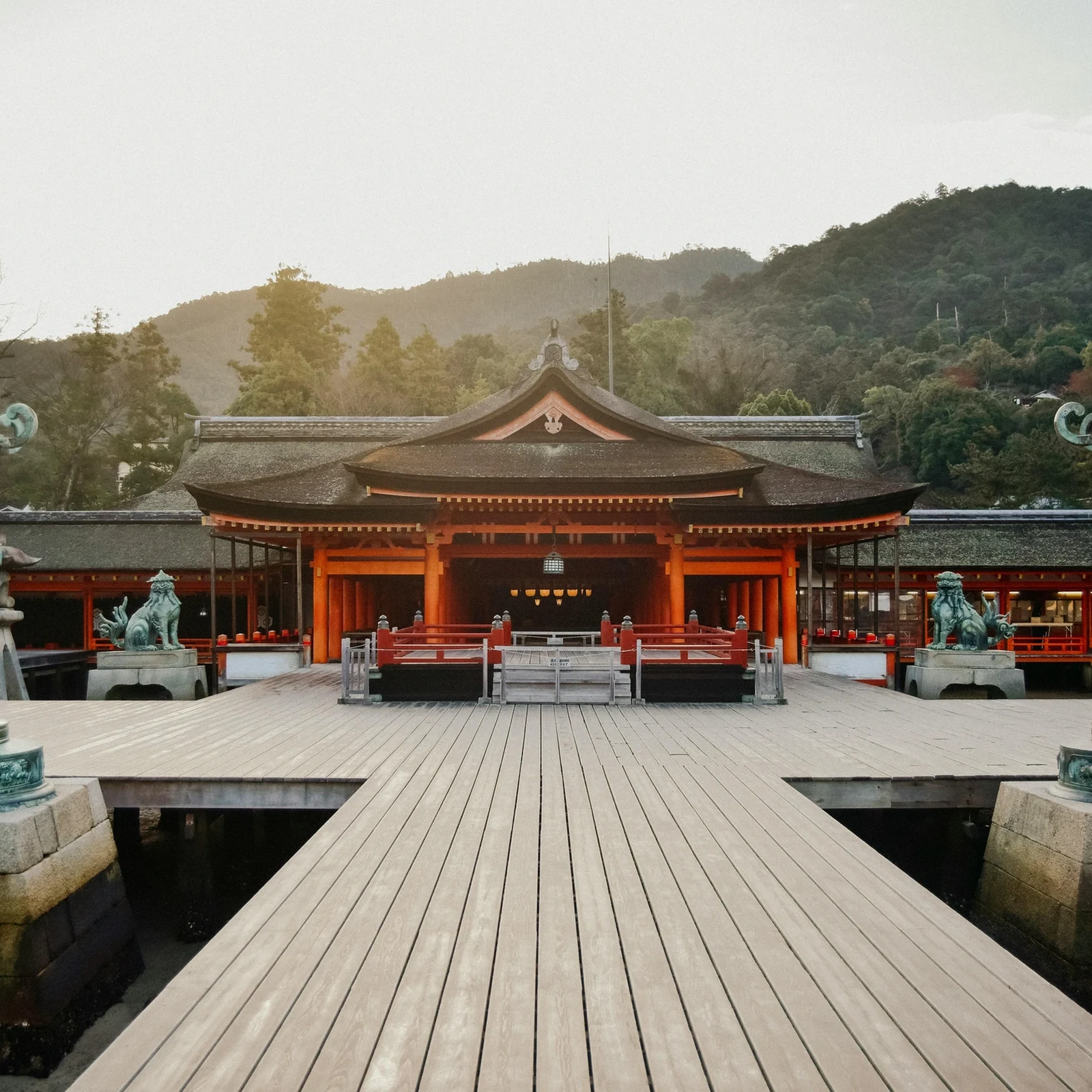
Explore the Hiroshima Miyajima tour in about 6 hours, with Peace Memorial Park, the Atomic Bomb Dome, Itsukushima Shrine and the floating torii. From €59.
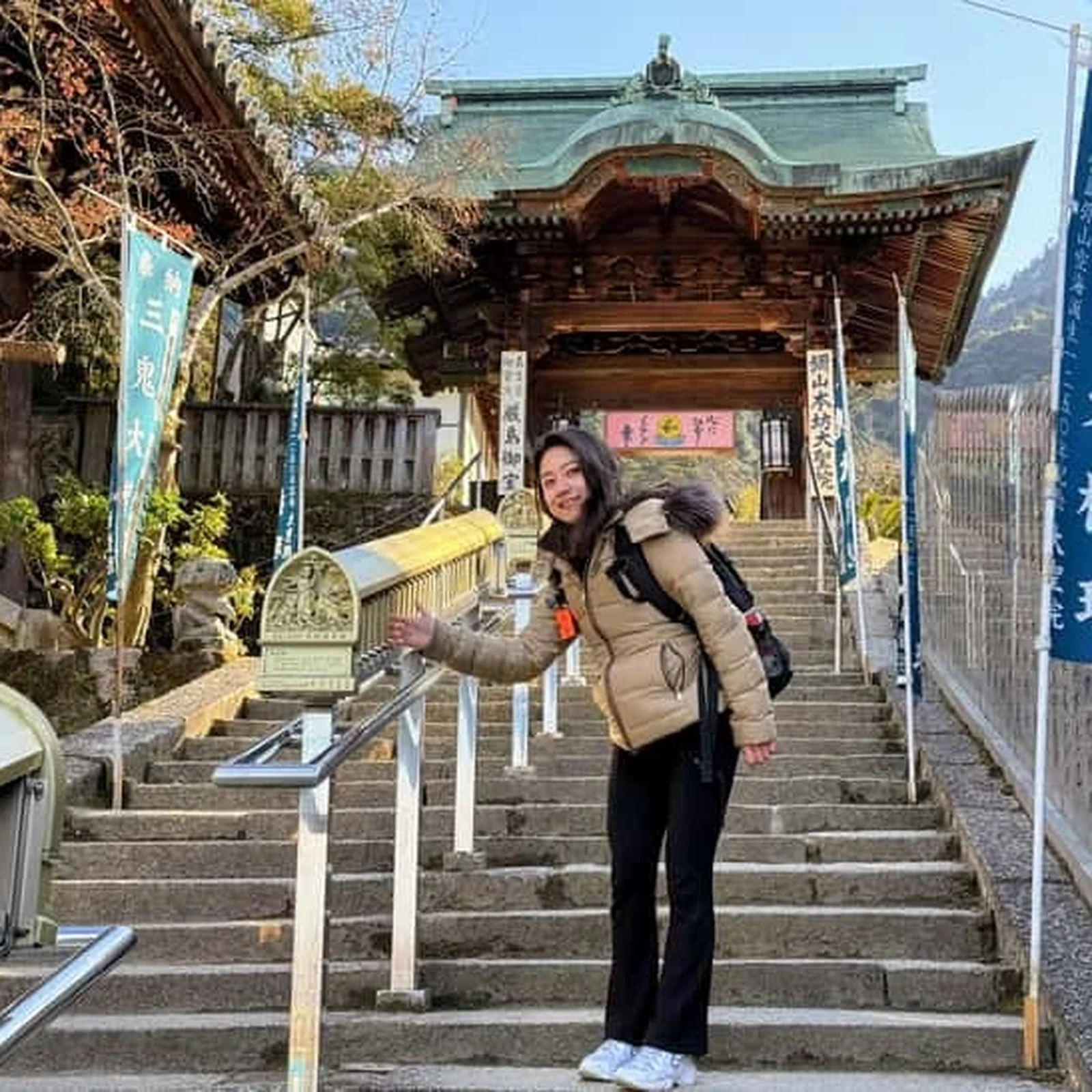 Activity on TourBookGo
Book a Hiroshima and Miyajima day tour with an 8-hour guided itinerary, bus and ferry, Peace Memorial Museum, Itsukushima Shrine and Daisho-in Temple.