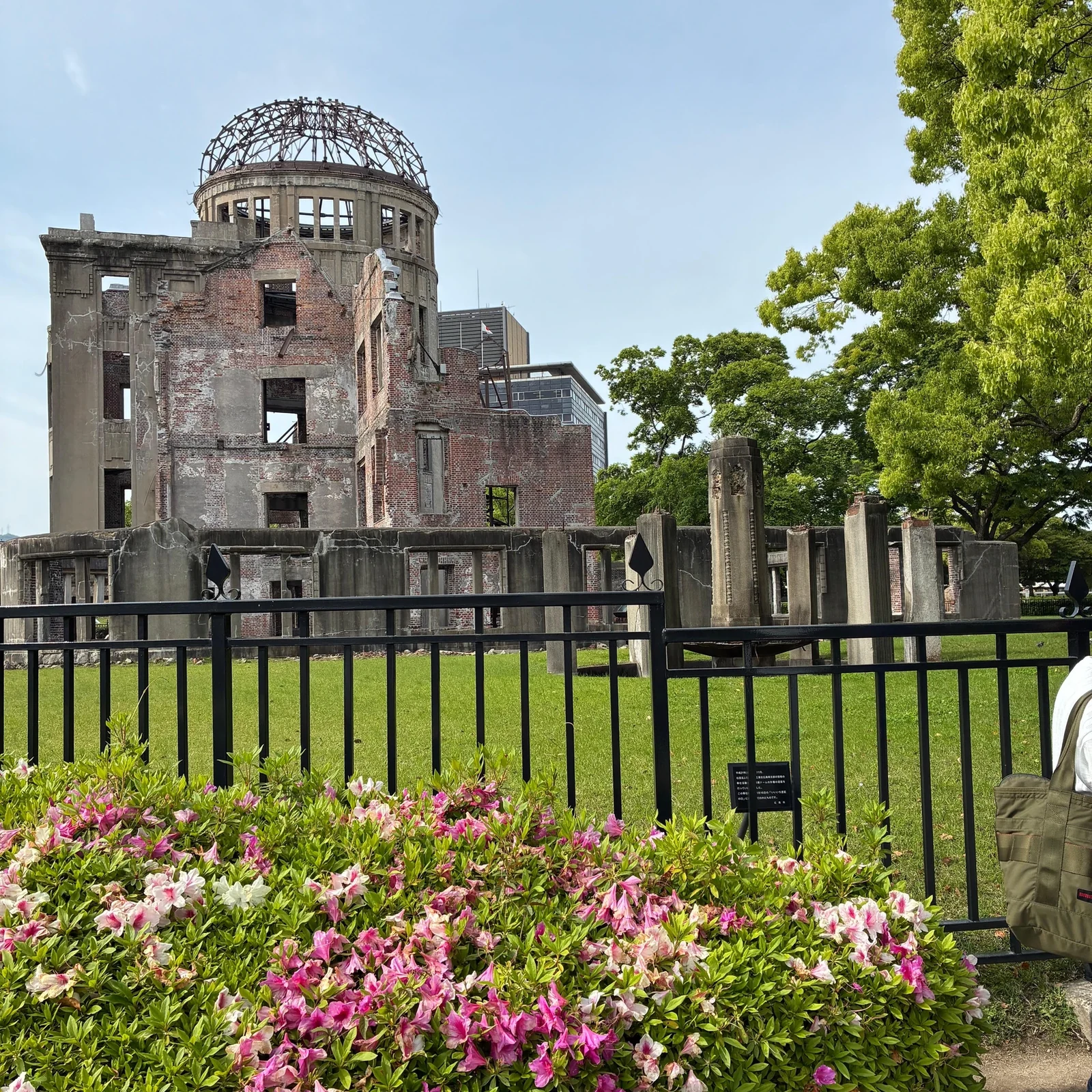
 Activity on TourBookGo
Hiroshima Peace Memorial Park Tour & Atomic Bomb Dome
Join a Hiroshima Peace Memorial Park tour with the Atomic Bomb Dome on a 2-hour guided historical walk through the city's most important memorial sites.
Understanding the mistakes to avoid in Hiroshima helps you experience a city where memory coexists with streetcars, okonomiyaki bars, peaceful rivers, and the energy of everyday life.
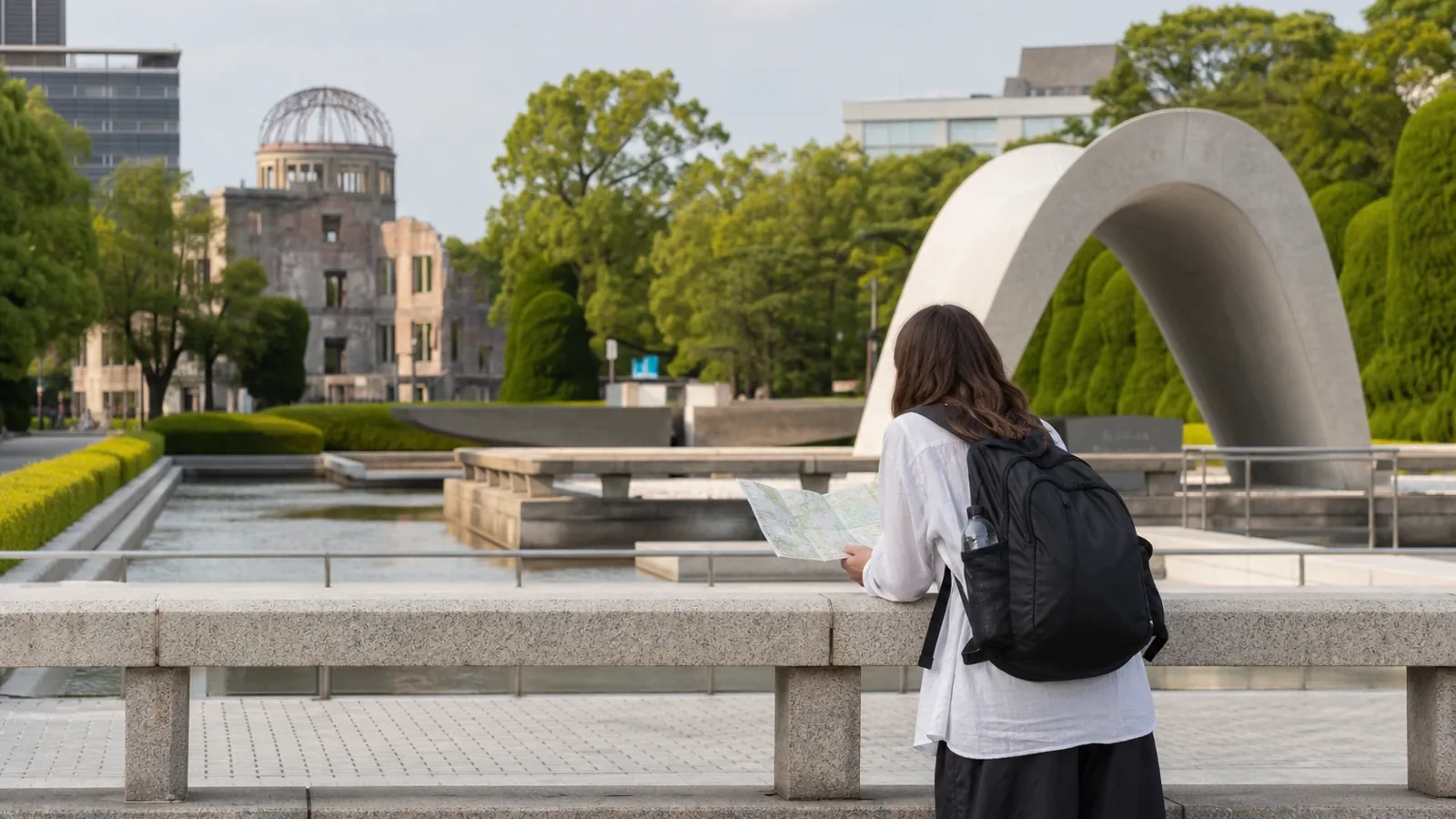
The mistakes to avoid in Hiroshima go beyond breaking local rules. They include rushing through Peace Memorial Park, reducing the city to tragedy, or trying to fit Hiroshima and Miyajima into an impossible schedule. Visiting thoughtfully means knowing when to be quiet, when to pause, and when to look beyond 1945 to understand a living, complex, and deeply human city.
Compare locations and options to find a base that suits your trip. Booking.com confirms current availability and pricing.
Find accommodation on BookingOne of the biggest mistakes to avoid in Hiroshima is arriving at Peace Memorial Park with the same hurried attitude you might bring to any other tourist landmark.
The Atomic Bomb Dome, the Cenotaph, the Children’s Peace Monument, and the museum are not a backdrop. They are places connected to real victims, families, and memories that remain alive today. Hiroshima’s official tourism guide describes the park as a place of history, prayer, and reflection on war and the future.
Photography is allowed, but frivolous poses, loud conversations, and prolonged photo sessions in front of the memorials are best avoided. There is no need to adopt an exaggerated air of solemnity. Simply observe the atmosphere and behave respectfully.
Entering half an hour before closing or trying to rush through the Hiroshima Peace Memorial Museum is usually a poor decision. The visit is emotionally intense and includes testimonies, personal belongings, and stories that require time to absorb.
It is also common to leave feeling tired or in need of silence. Avoid scheduling a festive activity or a rushed meal immediately afterward. A walk along the river can help you process what you have seen.
Special admission systems may be introduced during particularly busy periods. During Japan’s Obon holidays in 2026, for example, the official guide states that online reservations will be required for museum admission from August 8 to 16. Conditions may change, so checking before your visit is advisable.
The memory of 1945 is inseparable from the city, but Hiroshima did not remain frozen in that moment.
Anyone who leaves after visiting the museum without walking through its neighborhoods, trying its food, or sitting beside one of its rivers will come away with an incomplete picture. Reconstruction, university life, small local businesses, and food culture are also central to its identity.
The challenge is not to ignore the past, but also not to portray Hiroshima as a city defined solely by suffering. Its residents live in a modern city, not inside a permanent memorial.
Combining Peace Memorial Park, the museum, central Hiroshima, Miyajima, Itsukushima Shrine, and Mount Misen in a single day may look possible on paper. In practice, it usually means watching the clock all day.
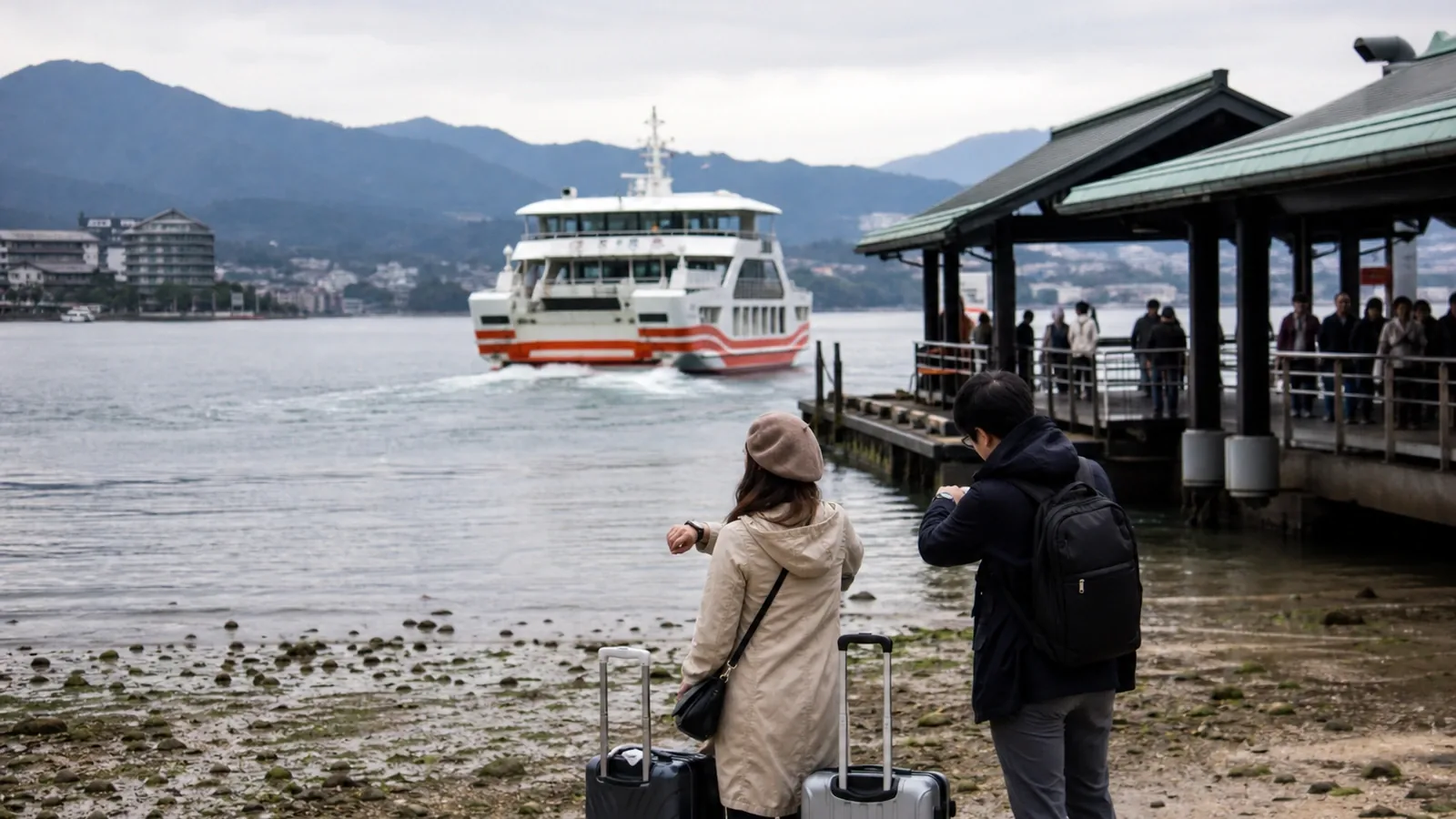
Miyajima deserves several hours. The area around the ferry terminal can be crowded, but simply moving away from the main shopping street reveals paths, temples, and much quieter corners. Many visitors stay only a few hours and leave without discovering much of the island.
Spending one night in Hiroshima and devoting another day to Miyajima allows you to enjoy both places without turning the trip into a race.
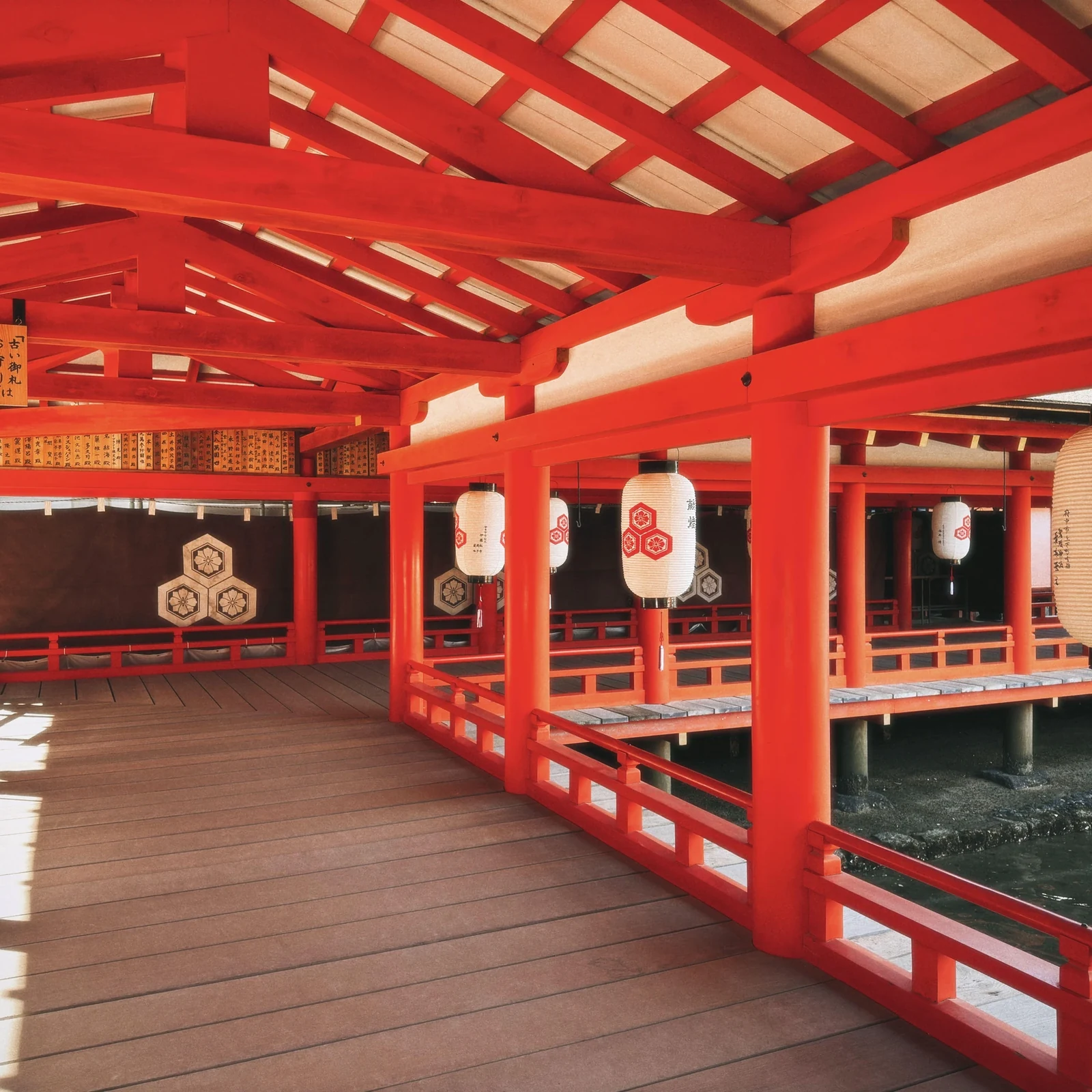
Itsukushima’s famous torii gate offers two very different views. At high tide, it appears to float on the sea. When the water recedes, you can walk across the sand toward it. Neither view is better than the other, but they are different experiences.
Arriving with a particular postcard image in mind without checking the Miyajima tide times can lead to disappointment. The sensible approach is to consult the tide forecast and decide whether you want to see the shrine surrounded by water, walk toward the torii, or stay long enough to watch the landscape transform.
The deer are not pets or photo props. They may approach in search of food and try to bite bags, maps, or clothing.
The Miyajima Tourist Association explicitly asks visitors not to feed them. Processed paper, plastic, and other swallowed objects can cause serious health problems, while discarded rubbish increases the risk.
Keep food out of reach, hold on tightly to brochures, and allow the animals to move away whenever they choose. During mating season, males may also behave less predictably.
August 6 is not an ordinary day for sightseeing. Hiroshima holds its Peace Memorial Ceremony, with moments of silence, commemorations, and access restrictions in certain parts of the park.
In 2026, the official ceremony is scheduled to begin at 8:00 a.m., with entry checks and restrictions on movement during the morning.
Being in Hiroshima on that day can be profoundly meaningful, but visitors should not arrive simply in search of a spectacle. You must accept the security checks, respect reserved areas, and remember that many people are attending for deeply personal reasons.
Summer can turn an apparently easy route into an exhausting walk. The rainy season is concentrated between June and mid-July, followed by high temperatures that make breaks, water, and sun protection essential.
Miyajima attracts large numbers of visitors in spring and during the autumn foliage season. The experience is better if you arrive early, stay until late afternoon, or explore side streets rather than remaining only at the most photographed locations.
Omotesando is lively, convenient, and full of food stalls, sweets, and restaurants. It is also where many tour groups gather.
Staying only there can create the impression that Miyajima is excessively touristy. Machiya-dori, the area around Daishō-in, Momijidani, and the paths leading up toward Mount Misen reveal a slower, quieter atmosphere.
Visitors with limited mobility should carefully consider the climb up the mountain. The ropeway reduces the effort required, but it does not eliminate every section that must be covered on foot.
Hiroshima-style okonomiyaki is cooked in layers and usually includes noodles, but the experience does not depend on finding a restaurant that has become a social-media celebrity.
Popular establishments may have long waits. It can sometimes be more enjoyable to step into a small neighborhood restaurant, sit in front of the griddle, and watch the cook assemble each layer with precise movements.
Another mistake is treating oysters and okonomiyaki as the region’s only culinary specialties. Hiroshima also offers fish from the Seto Inland Sea, anago conger eel, and a major sake culture in the surrounding area.
Do not turn residents into impromptu guides to the tragedy. Asking a stranger whether their family suffered in the bombing can be intrusive. Those who wish to share a personal story will do so when they feel it is appropriate.
Speak at a moderate volume, respect queues, and avoid blocking pavements while checking your phone. In small restaurants, patience is more helpful than demanding an extensive menu in another language.
At temples and shrines, observe before acting. Do not photograph ceremonies, priests, or people praying without first checking whether it is permitted. A simple greeting, a word of thanks, and a calm manner often open more doors than perfect command of Japanese.
Some travelers expect to find a sad city. Others hope to discover a simple, comforting story of resilience. Hiroshima is more complex than either image.
There is pain, but also ordinary life. There are crowded places and silent corners. There is a memory that demands respect and a city that does not wish to be seen only through the lens of its wound.
Traveling well in Hiroshima means allowing all these realities to coexist. There is no need to idealize or dramatize the city. Simply give it time, listen with humility, and look beyond the photograph you imagined before arriving.
Discover selected experiences in Hiroshima to complete this guide with history, local culture, food, Miyajima and well-organised tours.
Activity on TourBookGoJoin a Hiroshima Peace Memorial Park tour with the Atomic Bomb Dome on a 2-hour guided historical walk through the city's most important memorial sites.
 Activity on TourBookGo
Explore Hiroshima and Miyajima on a private 6-hour tour with an English-speaking guide, key admission included and a flexible itinerary.
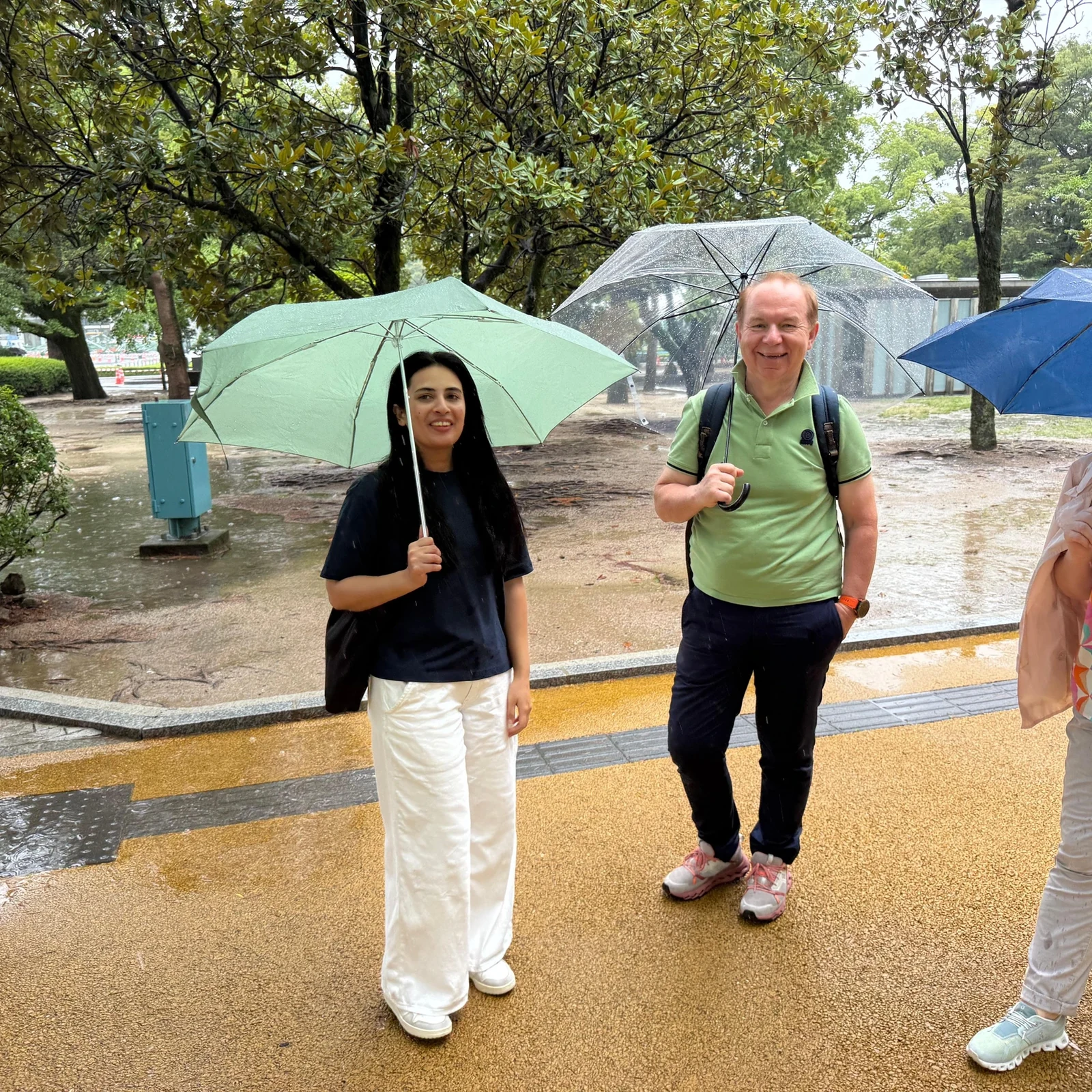 Activity on TourBookGo
Discover whether this Hiroshima Peace Park tour is worth it: 2 hours of memorials, the Atomic Bomb Dome and historical context, rated 4.9/5.