 Activity on TourBookGo
Hiroshima and Miyajima day trip from Osaka: two Japan icons in one day
Book a Hiroshima and Miyajima day trip from Osaka with optional Shinkansen, ferry, lunch, Itsukushima Shrine and Hiroshima Peace Memorial Park.
Hiroshima safety is generally excellent: this calm, orderly city allows most travellers to explore confidently, even after dark.
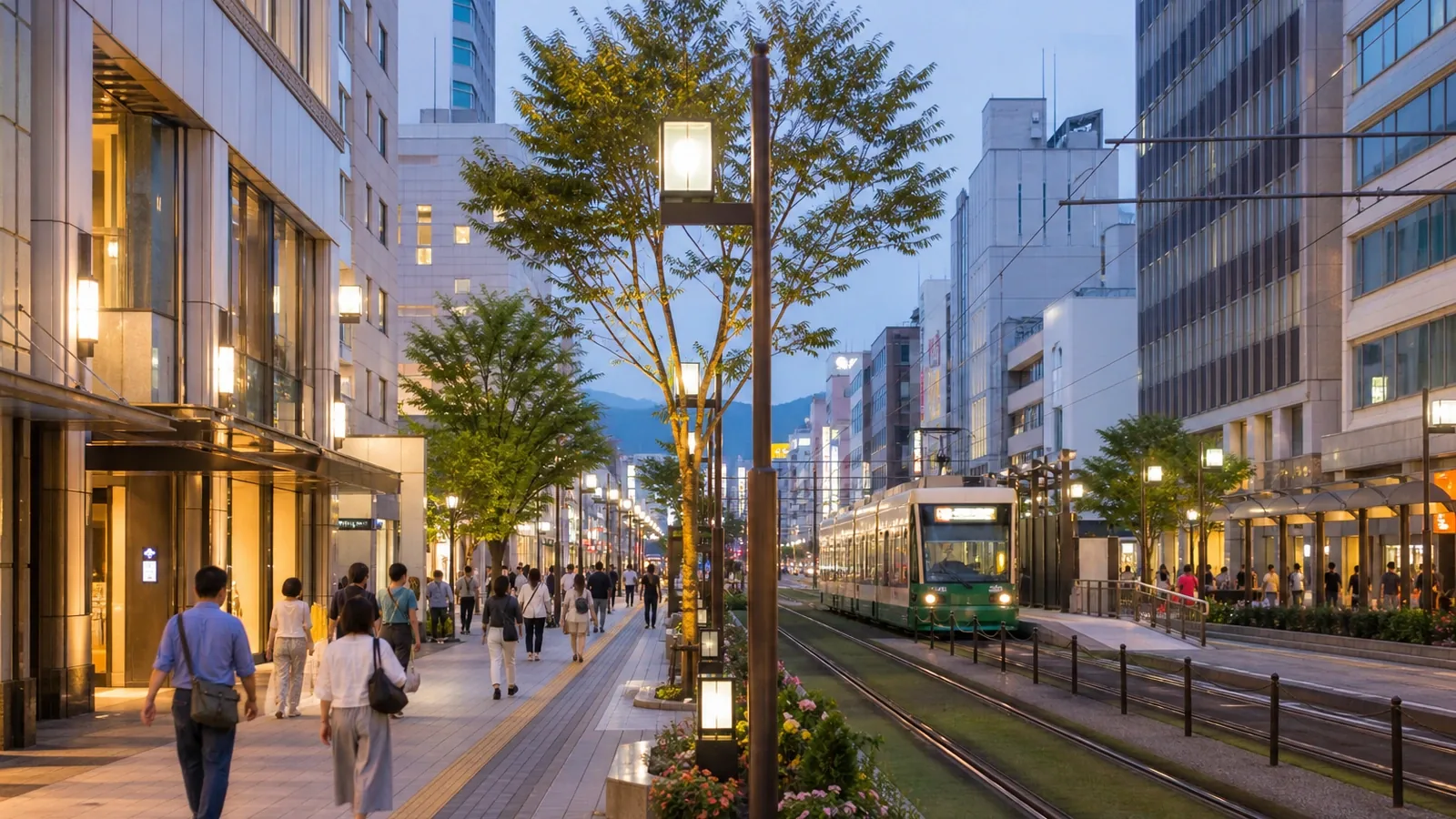
Hiroshima safety is generally excellent, and the city feels calm, orderly and welcoming to travellers. You can walk around the centre after dark, use the tram with confidence and return to your accommodation without the constant tension found in some other major urban destinations. As of early August 2026, Spain’s official travel advice does not impose specific restrictions on travel to Japan or identify Hiroshima as a particularly high-risk area. Even so, safe travel in Hiroshima still requires basic awareness. Violent crime is less of a concern than heavy rainfall, poor decisions in nightlife districts and the false sense of invulnerability that such an orderly environment can create. Spanish Ministry of Foreign Affairs
Compare locations and options to find a base that suits your trip. Booking.com confirms current availability and pricing.
Find accommodation on BookingThere are no tourist areas in Hiroshima that visitors routinely need to avoid because of crime. Peace Memorial Park, Hondori, Kamiyacho, Hatchobori, the area around Hiroshima Station and the main hotel districts generally feel safe, including after dark.
A little more awareness is advisable in Nagarekawa, together with Yagenbori and Shintenchi. These are not dangerous neighbourhoods in the usual sense, but they contain a high concentration of bars, restaurants and nightlife venues. Nagarekawa is one of Hiroshima’s main entertainment districts, with neon-lit streets, buildings packed with small establishments and a lively atmosphere late into the evening.
Official Hiroshima Tourism Website – Dive! Hiroshima
+1
The same basic precautions used in any nightlife district are sensible here:
Do not follow strangers who insist on taking you into a bar.
Check for entrance or service charges before ordering.
Never leave your drink unattended.
Review the bill before paying.
Plan how you will return to your hotel after the trams stop running.
Cases involving drink spiking and fraudulent charges are concentrated mainly in the large nightlife districts of other Japanese cities, especially Tokyo. However, the British authorities still recommend taking these precautions in entertainment areas throughout Japan.
GOV.UK
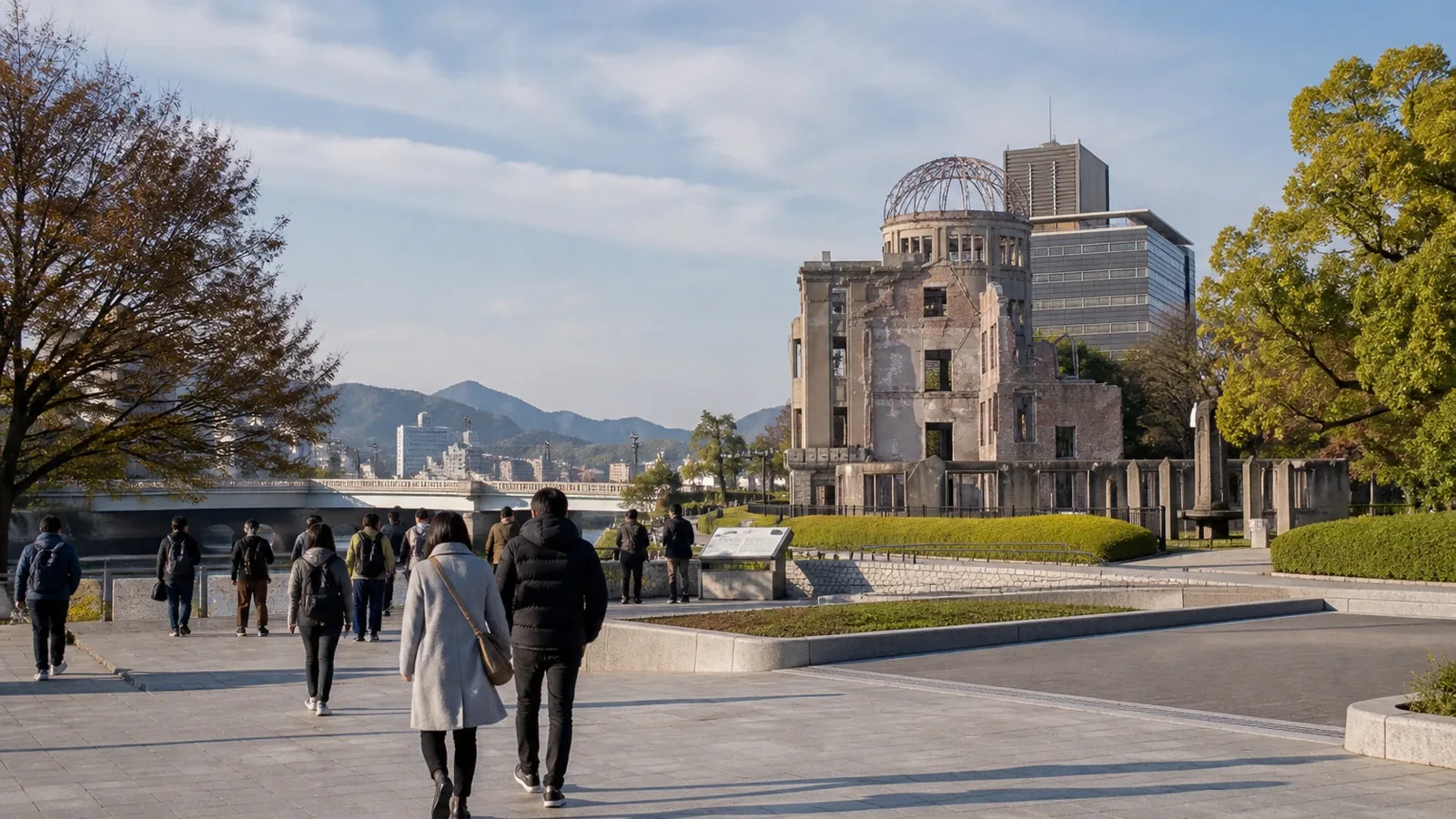
Yes, particularly in the city centre. Hiroshima has wide avenues, well-lit shopping areas and plenty of evening activity around Hondori, Hatchobori and the station. At night, Peace Memorial Park takes on an almost ceremonial stillness: the river reflects the city lights while the Atomic Bomb Dome stands silently among the modern buildings.
That calm atmosphere can make it easy to lower your guard too far. Some side streets become very quiet, and parts of the riverbanks are poorly lit. They do not normally present a significant crime risk, but a fall, a bicycle approaching silently or getting lost without mobile data can quickly turn a pleasant walk into an uncomfortable experience.
The main concern when exploring Hiroshima at night is usually not crime, but getting back to your accommodation. Check the last tram or bus in advance; after that, you may need to take a taxi.
Hiroshima is a comfortable choice for women travelling alone. It is easy to dine by yourself, stay close to the centre and use public transport without attracting attention. Japanese culture treats many solo activities as completely normal, from sitting at a ramen counter to visiting a museum at your own pace.
That does not mean harassment is entirely absent. Inappropriate behaviour towards women has been reported on crowded public transport in Japan, including unwanted touching and covert photography. If an incident occurs, move away, make the situation visible and seek help from station staff or other passengers.
GOV.UK
At night, ordinary common-sense precautions are usually enough: avoid venues recommended by street touts, keep an eye on your drink and reject persistent offers of company. Hiroshima encourages you to relax, but not to ignore your judgement.
Yes. Hiroshima is comfortable for families, although travelling with children is not always effortless. The main challenges are practical rather than related to crime.
Trams can become crowded during rush hour, some stops require passengers to cross the road and traffic drives on the left. There are also many bicycles, sometimes sharing space with pedestrians. Keep young children close around tram tracks, crossings and platforms.
Peace Memorial Park is spacious and pleasant to walk through, but the Memorial Museum contains emotionally difficult testimonies and images. There is no universally appropriate age for visiting; it depends on the child’s sensitivity and how the family prepares them for the experience.
On Miyajima, a popular day trip from Hiroshima, the deer may appear tame, but they are still animals. Children should not chase or hug them, or show them food or pieces of paper.
Pickpocketing is uncommon, but it can happen. Japan’s low crime rate does not protect an unattended wallet or a phone left in plain sight. Keep your passport, money and mobile secure at stations, events and in crowded carriages. If you lose something, visit a koban, one of the small neighbourhood police boxes found throughout Japanese cities.
Japan Travel
The problems travellers are more likely to encounter tend to be different:
Unclear bills
Some bars and izakaya charge a small per-person service fee that includes an appetiser. This is not necessarily a scam, but it can surprise visitors unfamiliar with the custom. Ask before entering when prices are unclear.
Missing the last transport
Hiroshima does not have a late-night transport network comparable to those in some European capitals. A long dinner may therefore end with a taxi ride.
Overconfidence
Leaving your phone on a table, walking drunk beside the river or crossing the road while distracted by a map remain bad ideas, even when the surroundings seem exceptionally safe.
The most serious threat to many visitors is not human but meteorological. Hiroshima is crossed by several rivers, part of the urban area lies on low-lying ground and many residential districts extend towards surrounding hillsides. Heavy rainfall can cause rivers to rise and neighbourhoods to flood, while the ground in some mountainous areas is particularly vulnerable to landslides.
City of Hiroshima
+1
The main season for heavy rain and typhoons in Hiroshima runs from June to October. You do not need to avoid the city throughout these months, but you should check the forecast and follow local warnings carefully.
City of Hiroshima
During a serious storm:
Do not walk beside rivers, even if the rain appears to be easing.
Stay away from slopes, retaining walls and mountain paths.
Avoid hiking Mount Misen when weather warnings are in effect.
Follow instructions from your hotel and transport operators.
If a Level 4 evacuation order is issued, leave risk areas without waiting to see how the situation develops.
The city operates a disaster-prevention portal with evacuation and shelter information in several languages, including Spanish. It also publishes hazard maps showing areas at risk from flooding, landslides and tsunamis.
City of Hiroshima
+1
As elsewhere in Japan, earthquakes can occur. Most do not disrupt a trip, but it is worth remembering one simple rule: while the ground is shaking, protect your head and move away from glass. Afterwards, follow staff instructions and remain alert for aftershocks.
Japan Travel
In a coastal area such as Miyajima, a tsunami warning must be taken literally. Do not remain beside the sea watching the water or wait for confirmation on social media. Follow local evacuation signs and move immediately towards higher ground.
No. Visiting Hiroshima does not expose travellers to radiation associated with the 1945 atomic bombing. The city states that current levels are equivalent to natural background radiation elsewhere in the world and have no effect on the human body.
City of Hiroshima
The concern is understandable given the destination’s history, but it does not reflect present-day reality. The weight felt in Peace Memorial Park is moral and emotional, not radioactive.
In Japan, 110 connects you to the police, while 119 is used for ambulances, the fire service and rescue services. Hiroshima also provides Spanish-language interpretation for calls to 119 through a telephone interpreter service.
City of Hiroshima
+1
The JNTO visitor hotline operates 24 hours a day on 050-3816-2787, although telephone assistance is available only in English, Chinese and Korean.
Japan Travel
Hiroshima is safe for solo travellers, women, couples and families. It does not require a defensive mindset or force visitors to avoid large parts of the city. You can walk around calmly, use public transport and enjoy the evening atmosphere without constant concern.
The travellers who should reconsider their plans are not those worried about crime, but those visiting during typhoon season without flexibility, ignoring weather warnings or planning mountain excursions in poor conditions.
The best way to enjoy Hiroshima is to combine confidence with awareness: walk without fear, but look before crossing; go out at night, but choose venues carefully; listen to the stillness of the river, but move away from it when heavy rain arrives. Everyday safety is high, although sensible caution remains important.
Discover selected experiences in Hiroshima to complete this guide with history, local culture, food, Miyajima and well-organised tours.
Activity on TourBookGoBook a Hiroshima and Miyajima day trip from Osaka with optional Shinkansen, ferry, lunch, Itsukushima Shrine and Hiroshima Peace Memorial Park.
 Activity on TourBookGo
Private Hiroshima and Miyajima tour from Osaka or Kyoto lasting around 12 hours, with pickup, transport, ferry, admission and lunch. From €668 per group.
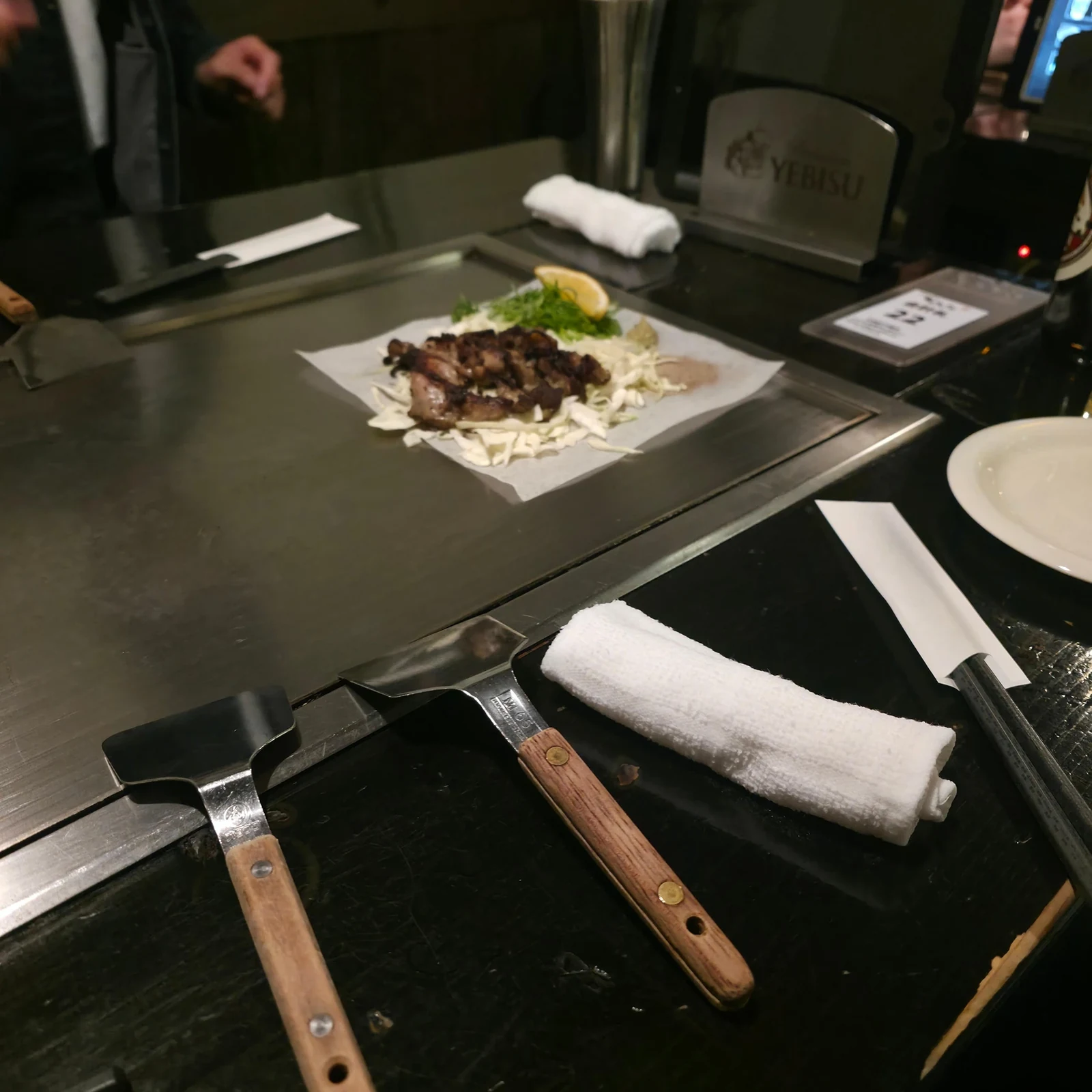 Activity on TourBookGo
Hiroshima food tour with three local restaurants, at least 10 dishes and 3 drinks over 3 hours. Explore the city from €96 per person.